
Film
Svengali
Other titles called Svengali: the 1983 film, the 2013 film.
A 1931 horror-drama where John Barrymore's sinister music teacher uses hypnotic manipulation to control a young woman into becoming his artistic creation. It's theatrical, genuinely unsettling, and powered by Barrymore's scenery-chewing menace. For anyone curious about silent-era horror or how psychological manipulation translates to early sound cinema.
If you liked this
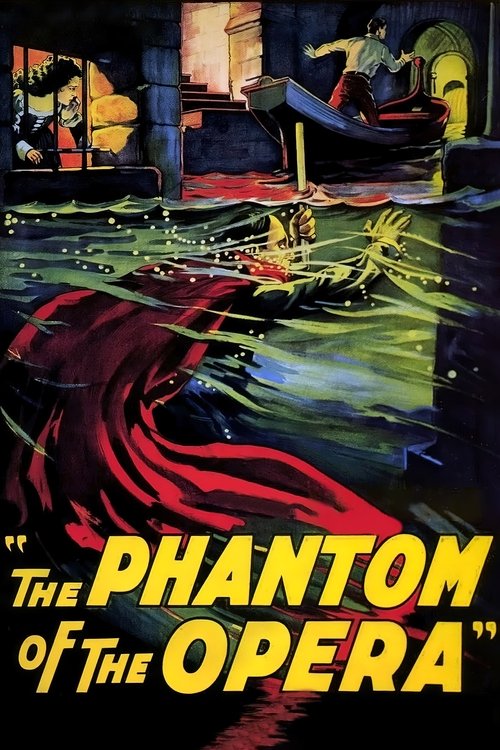
The Phantom of the Opera1925
Universal's silent masterpiece about obsessive artistic control: a composer hides in the catacombs beneath the opera house to possess his protégée. The architecture of desire and dominance is hauntingly similar.
But It's a full hour longer, silent except for music, and requires patience with 1920s pacing and intertitles.
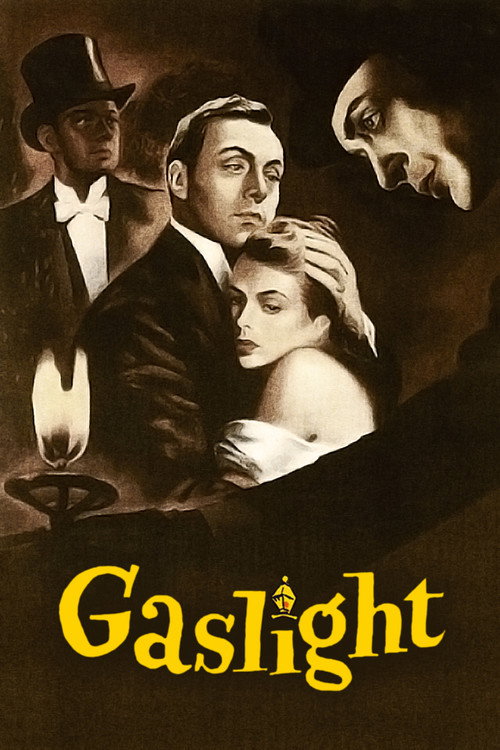
Gaslight1944
Charles Boyer as a husband methodically destroying his wife's sense of reality through psychological manipulation. The template for how cinema depicts gaslighting, with identical moral revulsion.
But Ingrid Bergman's victimhood, though brilliantly acted, might feel dated in its passivity to modern viewers.
The Cabinet of Dr. Caligari1920
The granddaddy of psychological horror: a somnambulist controlled by a mad hypnotist. Expressionist visuals are wild, the premise directly ancestral to Svengali's themes of mental domination.
But Genuinely hard to parse on first viewing; the narrative framing and visual distortion demands active engagement.

Not sure tonight? Get a pick in a minute, starting from Svengali
The wildcard
Something you would not have found on your own.
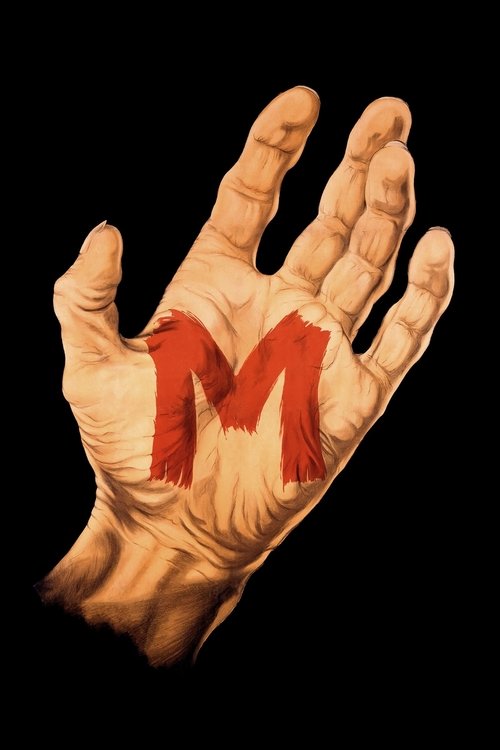
M1931
Both are 1931 films about charismatic men who systematically strip others of agency; one uses the supernatural as metaphor, the other dispenses with metaphor entirely.
Fritz Lang's Berlin nightmare about a predator who intoxicates and controls his victims. Not supernatural—worse, it's realism. Explores the same horrified question: how does one person bend another's will so completely?
But Unsparing in its depiction of child murder. The subject matter is genuinely disturbing, and the film refuses to look away from the social machinery that enables predators.
More like this (7)
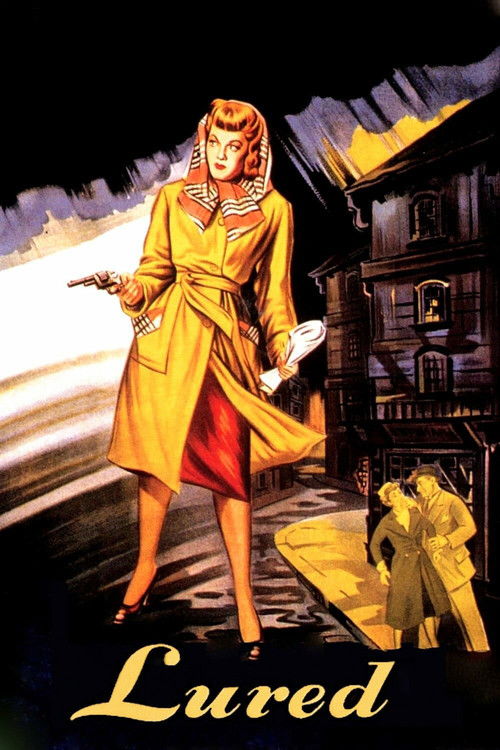
Lured1947
Murder mystery set in Paris with Lucille Ball as a dancer drawn into danger by a sophisticated predator. Same city, similar psychology of seduction and control, but with noir brightness instead of Gothic shadow.
But Tonal whiplash: it's a thriller trying to be lighter than the material deserves, and the balance doesn't always hold.
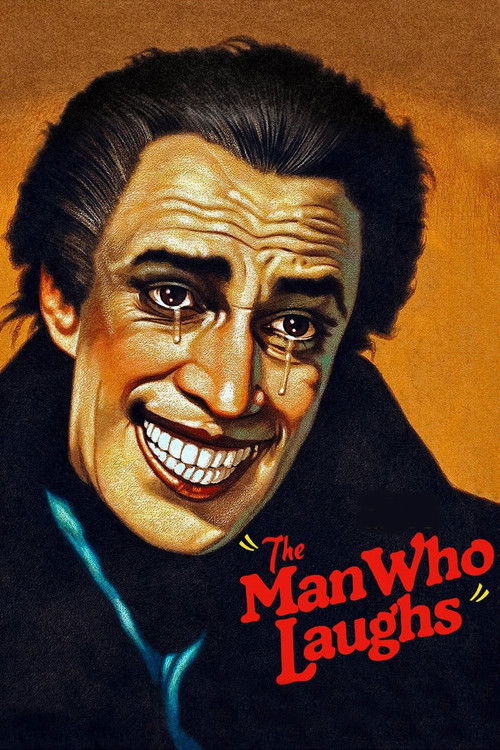
The Man Who Laughs1928
Lon Chaney's grotesque aristocrat and the beautiful woman he controls and protects. Barrymore-adjacent ham, body horror in the service of pathos, Expressionist fever dream.
But Deeply weird and sometimes unpleasant to look at. The emotional payoff requires accepting some very Victorian sentiment.
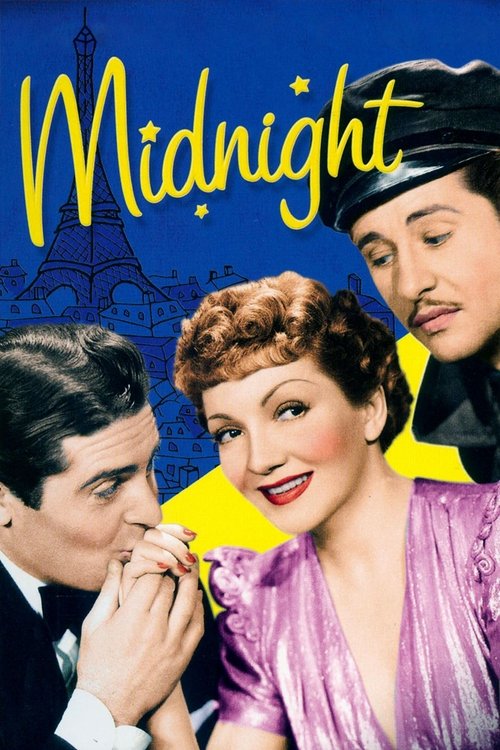
Midnight1939
Claudette Colbert in Paris caught between charming deceit and genuine danger. Sophisticated manipulation and the seduction of false intimacy; same city, different moral register.
But A light comedy-thriller that treats similar themes as a game. If you want darkness, this isn't it.
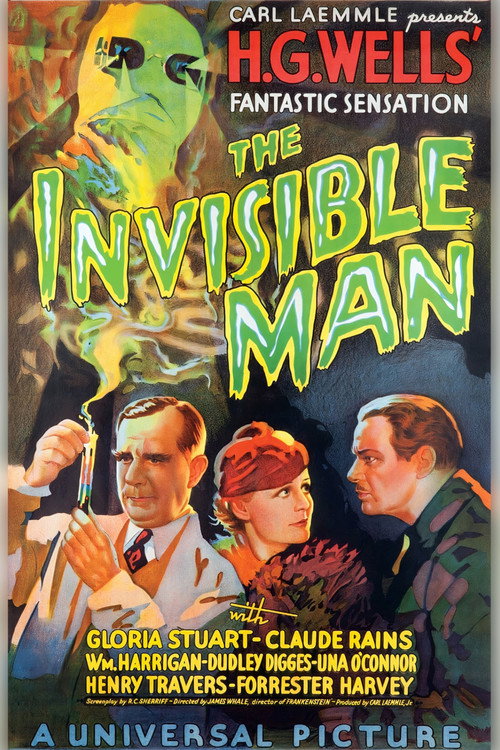
The Invisible Man1933
James Whale's laboratory for horror: a man whose power corrupts him into tyranny and sexual menace. The invisible threat is psychological as much as physical—control through fear.
But More science fiction than Svengali's supernatural psychology, and the special effects, while clever, show their age.
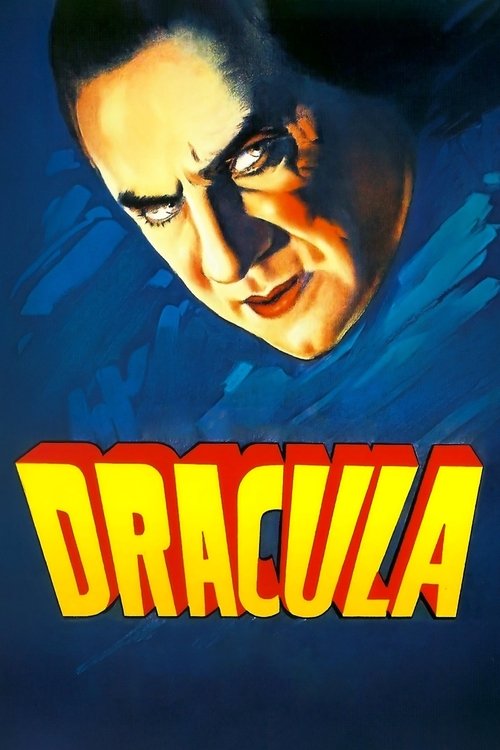
Dracula1931
Released the same year: Bela Lugosi as undead seducer and controller of wills. Hypnotic supernatural magnetism turning women into thralls; the European decadence and sexual threat are cousins.
But Slower and more theatrical than you might expect. The print quality varies wildly, and some sequences feel incomplete.
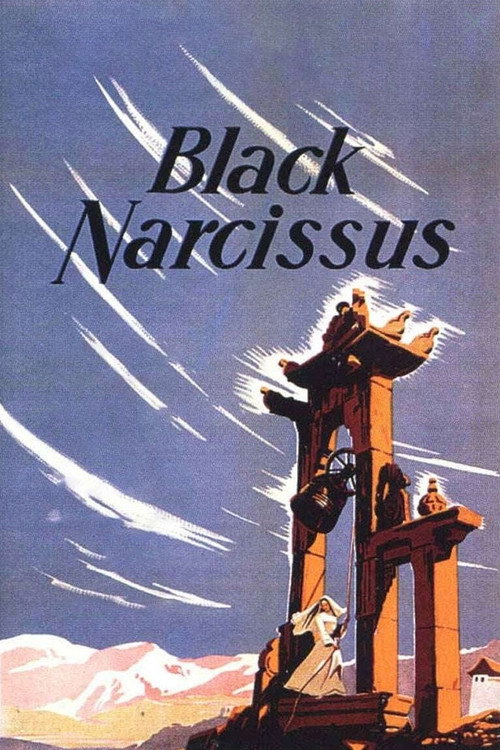
Black Narcissus1947
Both films use overwhelming sensory experience—performance intensity in Svengali, chromatic ecstasy in Black Narcissus—to depict psychological manipulation. Both ask: how does enchantment become entrapment?
Powell and Pressburger's Technicolor fever dream: repressed desires and psychological unraveling in an isolated convent high in the Himalayas. Obsession and control dressed in ethereal beauty, visual intoxication as narrative weapon.
But Visually abstract and narratively elliptical; it's more concerned with texture and atmosphere than plot clarity. Some may find it pretentious or opaque.
The Servant1963
Both films make the gradual subjugation of one person's will by another the entire subject. Svengali does it through hypnotic fever; The Servant does it through the mundane rituals of daily life. Same corruption, different temperatures.
Joseph Losey's acid study of power inversion: a manservant subtly dominates his employer through servitude. The psychology is ice-cold and British where Svengali is theatrical and Continental, but the mechanism is identical—one will gradually eroding another.
But Slow, claustrophobic, and morally gray in ways that offer no catharsis. The sexual undertones make some viewers deeply uncomfortable, which is precisely the point.

People
Cast
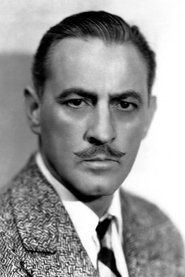 John BarrymoreSvengali
 Marian MarshTrilby O'Farrell
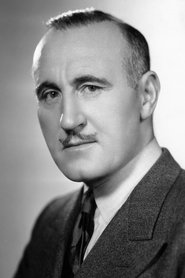 Donald CrispThe Laird
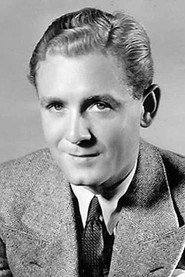 Bramwell FletcherBillee
 Carmel MyersMadame Honorine
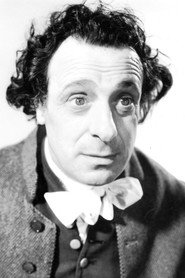 Luis AlberniGecko
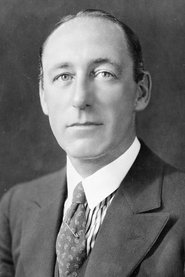 Lumsden HareMonsieur Taffy
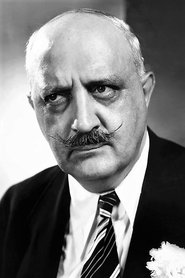 Paul PorcasiBonelli
 Ferike BorosMarta (uncredited)
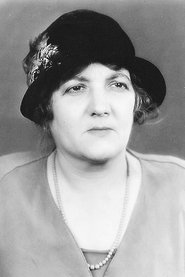 Adrienne D'AmbricourtMme. Vinard (uncredited)
 Yola d'AvrilMaid (uncredited)
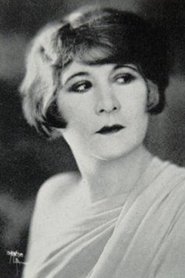 Rose DioneTrilby's Mother (uncredited)
Directing
- Gordon HollingsheadAssistant Director
- Archie MayoDirector
Writing
- George du MaurierNovel
- J. Grubb AlexanderScreenplay