
Film
The Spider
A magician becomes sleuth when murder strikes during his theater performance in this 1931 crime mystery. The Spider blends stage illusion, supernatural intrigue, and detective work into a brisk, atmospheric whodunit. It's for anyone drawn to old Hollywood's theatrical spirit—when mystery meant atmosphere over logic, and magic was genuinely unsettling on screen.
If you liked this
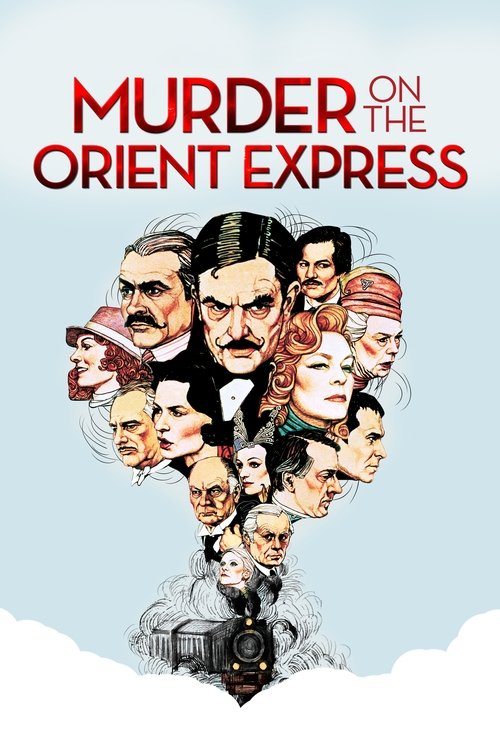
Murder on the Orient Express1974
Agatha Christie's masterpiece of confined-space mystery, where a famous figure must solve a locked-room crime. The glamorous setting and ingenious plotting will scratch the same itch for elegant, staged detection.
But The solution prioritizes psychology over fair play, and some modern viewers find its resolution philosophically troubling rather than satisfying.
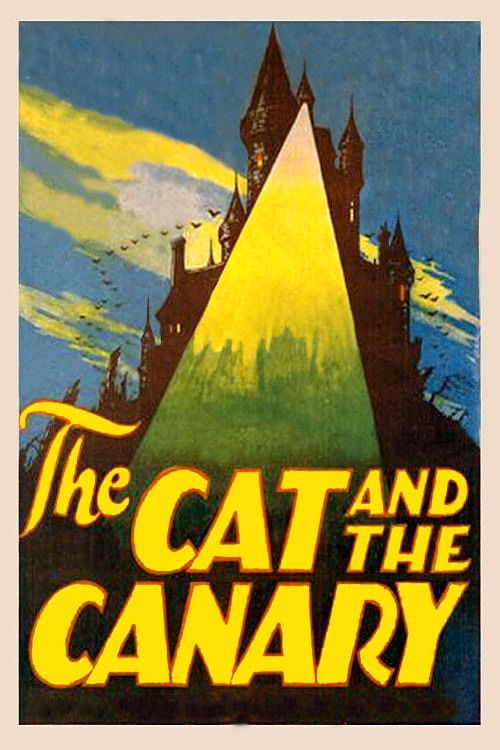
The Cat and the Canary1927
A silent comedy-thriller about inheriting a spooky mansion and uncovering a killer in disguise. It has the same theatrical energy and playful menace, with genuine scares wrapped in vaudeville charm.
But Silent films move at their own pace; if you're impatient with slower reveals and intertitles, this won't convert you.
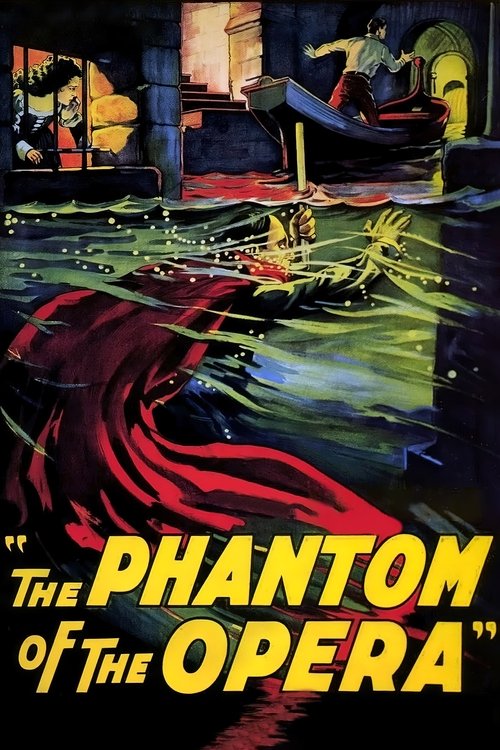
The Phantom of the Opera1925
Lon Chaney's transformative performance in a Gothic theater setting creates an atmosphere of dread and spectacle. Like The Spider, it uses stage magic and shadows to build mystery from visual storytelling.
But It's genuinely creepy in a way that can feel ponderous if you're in the mood for plot momentum over mood.
Not sure tonight? Get a pick in a minute, starting from The Spider
The wildcard
Something you would not have found on your own.
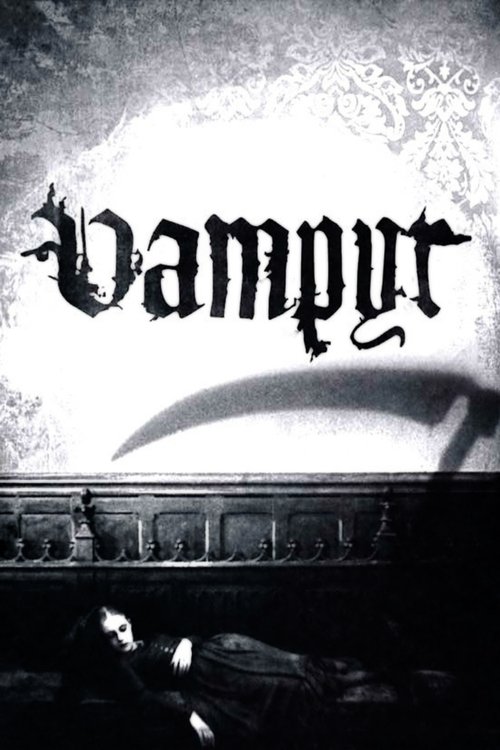
Vampyr1932
Both use theater lighting and shadow to create a supernatural mystery where the killer is harder to see than to sense. Both trust visual suggestion over exposition.
Carl Theodor Dreyer's dreamlike horror film, made just after The Spider, trades murder for vampirism but keeps the same fog-thick atmosphere and visual mystery. Scenes float past like a nightmare where logic doesn't apply.
But It's deliberately disorienting and slow; the plot is secondary to mood, which can feel like watching someone else's fever dream.
More like this (8)
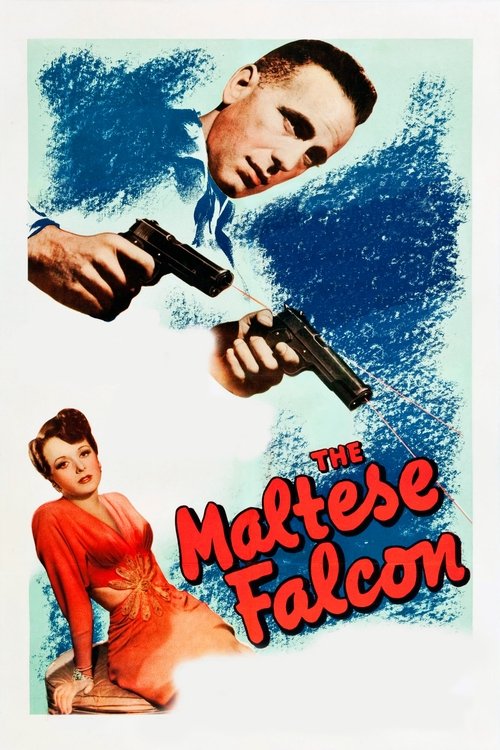
The Maltese Falcon1941
Dashiell Hammett's sharp detective mystery where everyone lies and nothing is as it seems. Smart, cynical, and fast-moving—it's the template for how mysteries should work.
But The pacing and dialogue can feel dated if you're accustomed to modern crime drama's breakneck editing.
Rope1948
Hitchcock's real-time thriller set entirely in one room, where two men hide a murder and host a dinner party. It shares The Spider's fascination with secrets performed in front of an audience.
But The gimmick of continuous shooting can feel constrictive, and the dialogue occasionally strains under the weight of the premise.

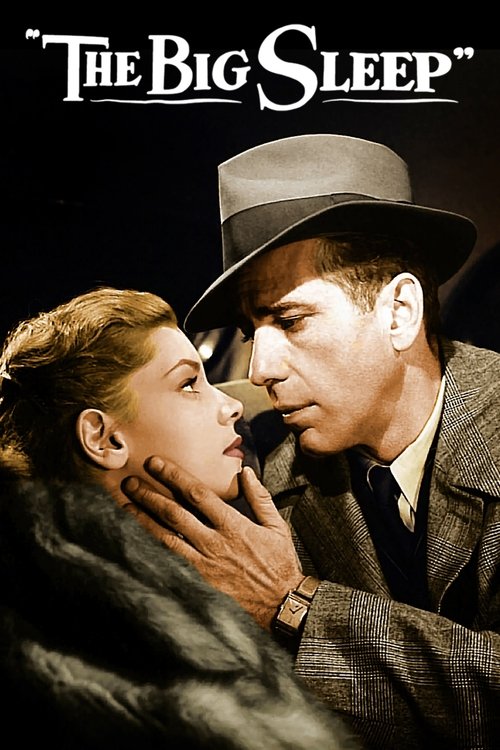
The Big Sleep1946
Bogart and Bacall navigate a Raymond Chandler mystery so tangled nobody quite understands the plot—but it doesn't matter. The style, charm, and chemistry carry you through.
But The plot is genuinely confusing, and if coherence matters more to you than atmosphere, you'll spend the whole film frustrated.
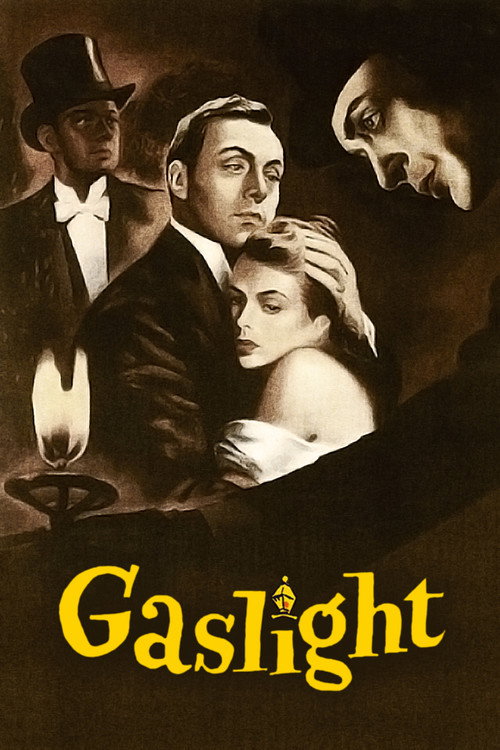
Gaslight1944
A taut psychological thriller where a husband manipulates his wife into thinking she's losing her mind. It's a masterclass in how to build dread through character and suggestion rather than spectacle.
But It's bleak and morally oppressive by design; there's no lightness to it, and some find watching psychological abuse draining.
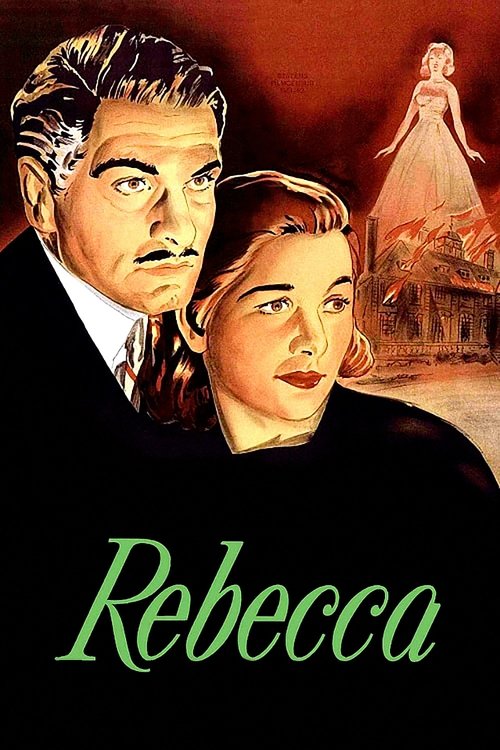
Rebecca1940
Hitchcock's Gothic mystery where the past haunts the present. Atmosphere, tension, and a killer reveal that reframes everything—it's old Hollywood mystery at its most assured.
But The pacing in the first half is deliberate to the point of slowness, and the heroine's passivity frustrates some viewers.
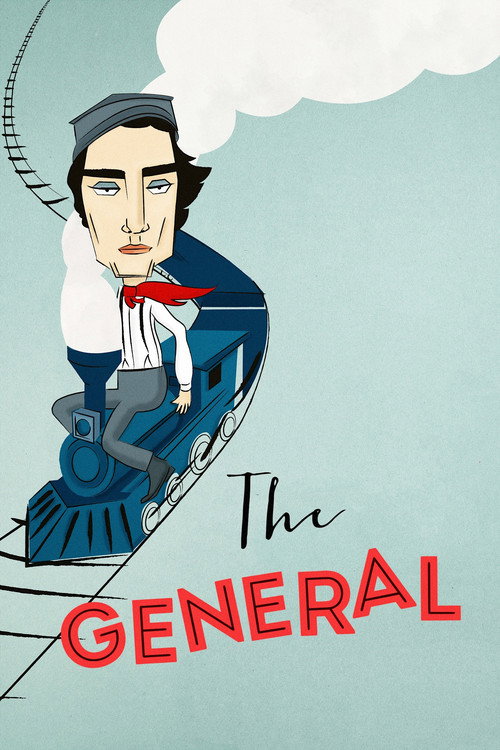
The General1926
Buster Keaton as a Confederate engineer in a chase across the Civil War South. It's a mystery of sorts—how will he survive?—told through pure physical comedy and stunt work.
But It's a silent comedy, which means it relies on your patience with a different language of storytelling entirely.
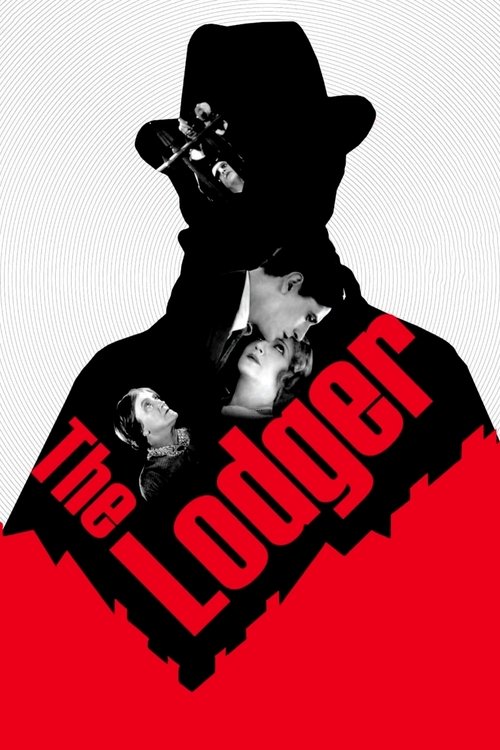
The Lodger: A Story of the London Fog1927
Both pit suspicion against evidence in a confined social space. Both ask: how do you know who's guilty when everyone's a stranger?
Hitchcock's breakthrough film, a silent thriller about a mysterious tenant suspected of being a serial killer. It has The Spider's claustrophobic paranoia and the same question: who is hiding upstairs?
But Silent films require you to read faces and spaces; if you prefer dialogue to carry meaning, this will feel slow and oblique.
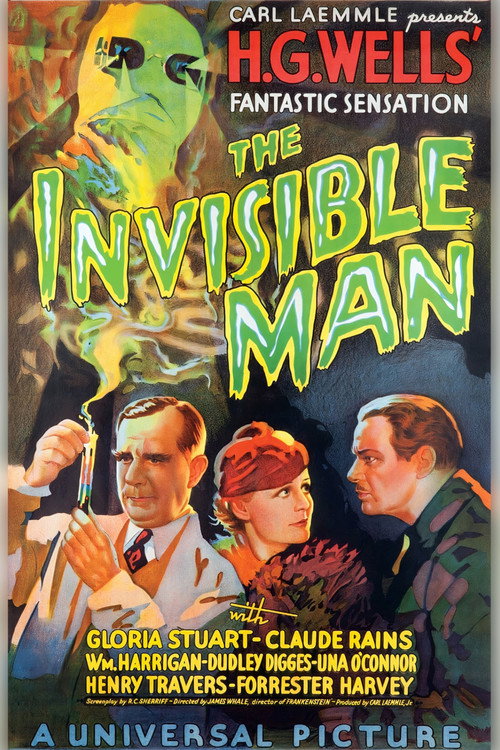
The Invisible Man1933
Both feature a criminal using illusion and invisibility to commit murder in front of witnesses. Both ask: how do you catch someone if you can't see them?
James Whale's science-fiction thriller about a madman who becomes invisible and uses murder to prove his power. It has The Spider's theatrical flair—the killer performs for an audience—but trades the séance for pure spectacle.
But The tone lurches between horror and comedy; if you want consistency, the tonal whiplash will bother you.
People
Cast
 Edmund LoweChatrand
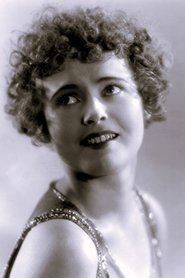 Lois MoranBeverly Lane
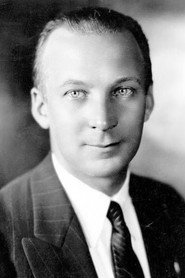 El BrendelOle
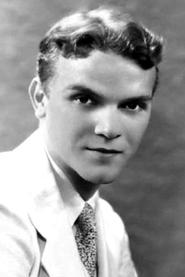 John ArledgeTommy
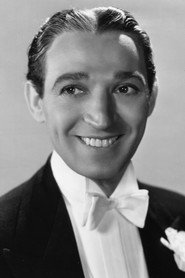 George E. StoneDr. Blackstone
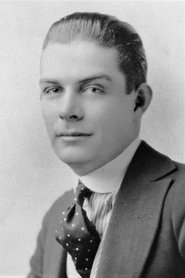 Earle FoxeJohn Carrington
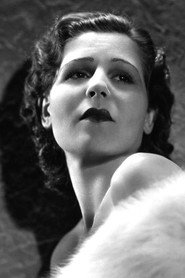 Manya RobertiEstelle
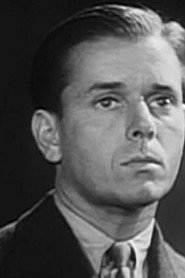 Howard PhillipsAlexander
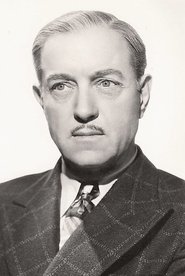 Purnell PrattInspector Riley
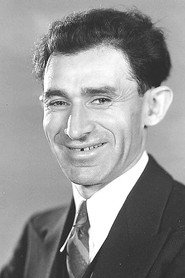 Jesse De VorskaGoldberg
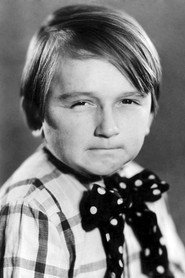 Kendall McComasThe Kid
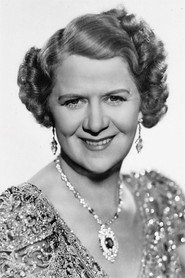 Ruth DonnellyMrs. Wimbledon
Directing
- Lesley SelanderAssistant Director
- Kenneth MacKennaDirector
- William Cameron MenziesDirector
Writing
- Barry ConnersScreenplay
- Philip KleinScreenplay
- Fulton OurslerTheatre Play
- Lowell BrentanoTheatre Play
Production
- William SistromAssociate Producer