
Film
Dementia
- Psychological horror
- Drama
- Very dark
A 1955 nightmare in miniature. Dementia is a wordless, avant-garde horror about a young woman adrift in a nightmarish urban landscape, pursued by shadowy men through a seedy hotel. Shot in expressionist black-and-white, it moves like fever dream—disorienting, cruel, hypnotic. For anyone who wants to feel something unsettling rather than simply watch a story unfold.
If you liked this
Mulholland Drive2001
Hypnotic Los Angeles nightmare where identity fractures and trauma bleeds through dream logic. Like Dementia, it uses fragmentation and repetition to collapse the boundary between mind and reality.
But Three hours of deliberate obscurity that frustrates people wanting answers. The tonal shifts can feel manipulative on first viewing.

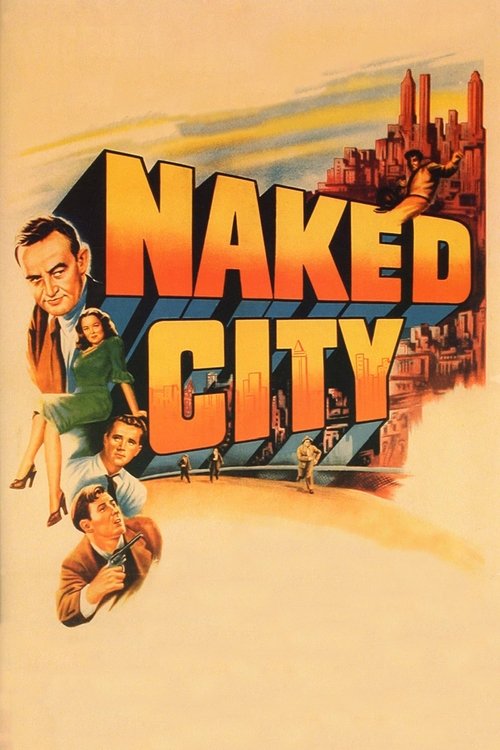
The Naked City1948
Post-war New York through the eyes of someone lost and hunted, shot with the same expressionist street photography and moral desolation. Shares Dementia's sense of urban alienation and despair.
But Police procedural pacing that can feel slow by modern standards. The ending offers neat closure—Dementia offers none.
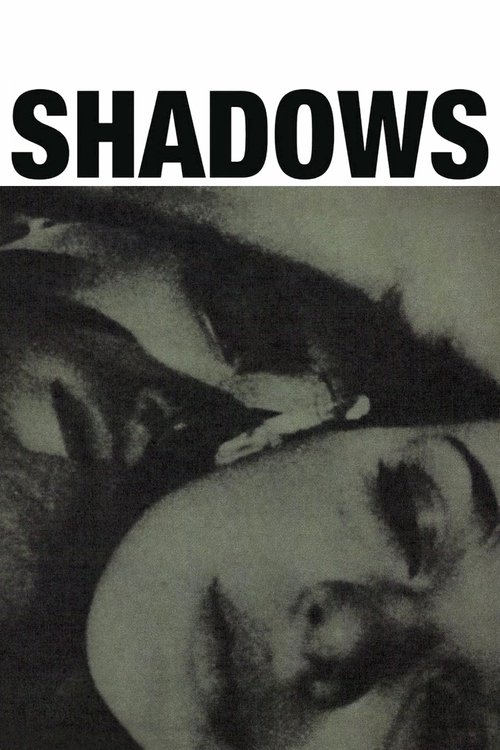
Shadows1960
John Cassavetes's improvisational study of alienation and identity in New York, shot in grainy, handheld black-and-white. Captures that same disorienting, observational quality of watching someone unraveling.
But No conventional plot or resolution. Long scenes of aimless walking and conversation may feel boring if you're not attuned to mood and performance.
Not sure tonight? Get a pick in a minute, starting from Dementia
The wildcard
Something you would not have found on your own.
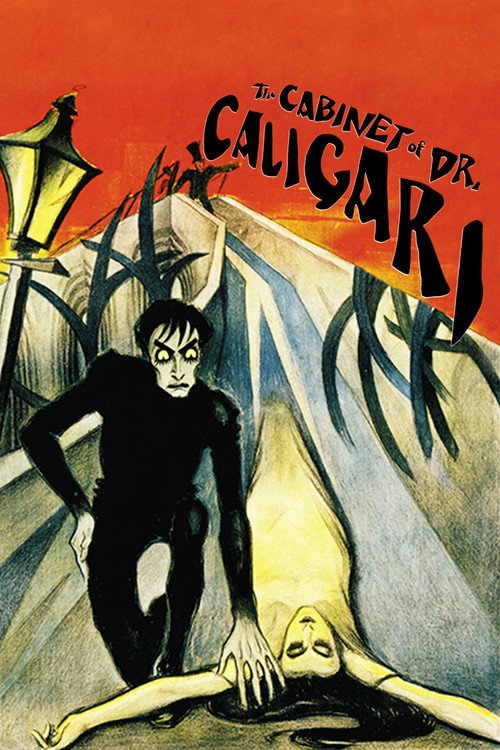
The Cabinet of Dr. Caligari1920
Both use German Expressionist visual design not as style but as evidence of psychological collapse. The environment doesn't just reflect the protagonist's state—it becomes proof that the psyche shapes reality.
The original expressionist nightmare: painted shadows, distorted sets, a protagonist slipping between madness and reality. Dementia inherits its visual language and its conviction that the world bends to the mind's breaking point.
But Silent film pacing and intertitles feel archaic even to silent film enthusiasts. The tilted sets can read as theatrical instead of terrifying.
More like this (6)
The Third Man1949
Post-war Vienna as a maze of corruption and betrayal. The famous zither score and Dutch angles create the same dislocating, paranoid atmosphere as Dementia's wordless dread.
But Deliberately antiquated narrative pace. Some viewers find the romantic subplot distracts from the noir elements.

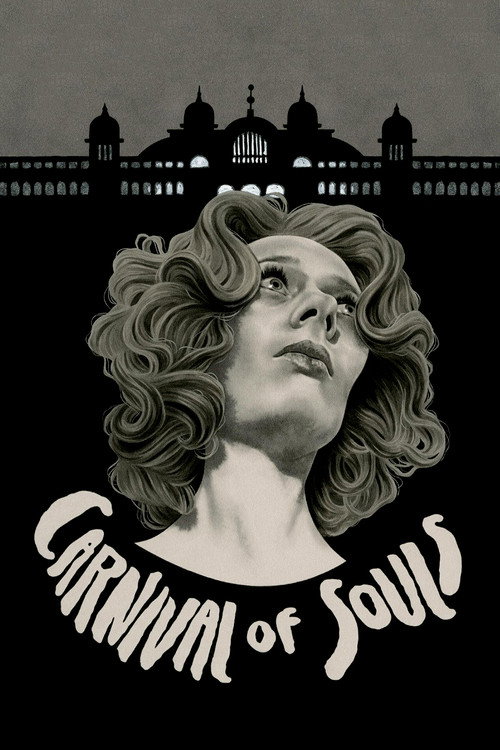
Carnival of Souls1962
A woman haunted by something she can't articulate moves through an American landscape that grows steadily more nightmarish. Shot on a shoestring in black-and-white, it shares Dementia's dreamlike despair and ambiguous horror.
But The acting is deliberately stiff and awkward. Budget limitations mean some sequences feel genuinely cheap rather than intentionally stark.
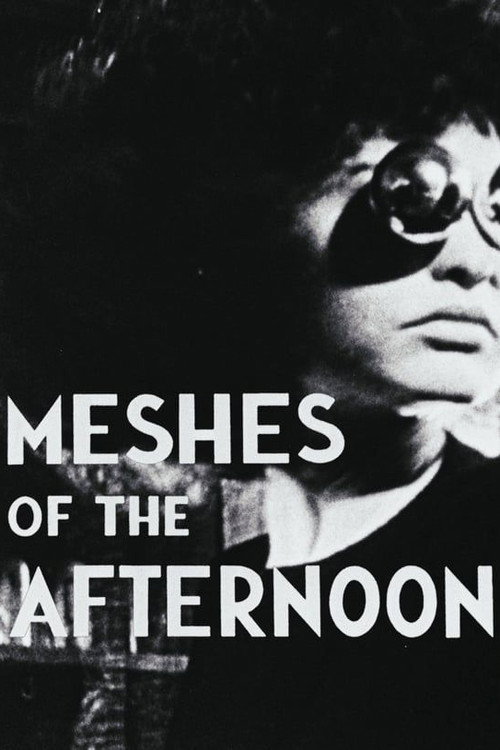
Meshes of the Afternoon1943
Maya Deren's avant-garde masterpiece: a woman repeating the same actions in a room, reality folding in on itself. Like Dementia, it uses visual and narrative repetition to suggest psychological spiraling.
But Fourteen minutes with no dialogue, character development, or plot. Pure abstraction—some see art, others see pretension.
In a Lonely Place1950
Humphrey Bogart in a noir where masculinity itself becomes monstrous. The claustrophobic paranoia and moral ambiguity recall Dementia's refusal to offer comfort or clear answers.
But Bleak and emotionally suffocating throughout. The protagonist's toxicity can make it difficult to sit with.

Night and Fog1956
Alain Resnais's documentary about Auschwitz uses fragmented editing, archival footage, and absence of conventional narrative to convey trauma. Released the same year as Dementia, it shares its wordless, nightmarish approach to depicting psychological devastation.
But Subject matter is almost unbearably heavy. Some find the experimental structure distances the horror rather than intensifying it.

Winter Light1963
Both films depict psychological and spiritual breakdown through a protagonist isolated and persecuted by an indifferent world. Neither offers diagnosis or cure—they're records of collapse, not dramas about recovery.
Bergman's bleak meditation on a pastor losing faith, shot in stark interiors and snowy Swedish landscapes. Trades horror movie language for spiritual dread, but achieves the same effect: the dissolution of a self that cannot hold.
But Glacial, theologically abstract, utterly joyless. Bergman fans find it searching; others find it static and self-pitying. No catharsis, no answers, no redemption.

People
Cast
- Adrienne BarrettThe Gamin
 Bruno VeSotaRich Man
- Ben RosemanFather
- Richard BarronEvil One
- Ed HinkleButler
- Lucille RowlandMother
- Jebbie VeSotaFlower Girl
- Faith ParkerNightclub Dancer
- Gayne SullivanWino
- Shorty RogersShorty Rogers
 Shelley BermanStoned Beatnik (uncredited)
 Duane GreyPoliceman (uncredited)