
Film
Doctor Faustus
- Dark fantasy
- Drama
- Very dark
Richard Burton's 1967 *Doctor Faustus* adapts Marlowe's Faustian bargain with ambition matching its hubris. It's visually baroque, theatrically pitched, and uneven—Burton chewing scenery while conjuring demons and seducing Helen of Troy across 24 years of escalating damnation. For anyone drawn to Renaissance philosophy, camp horror, or Burton at his most operatic.
Should you watch it?
Watch it if you love theatrical, language-heavy adaptations where a commanding actor's voice carries a story about ambition and a bargain with the devil, and you don't mind a stagey, candlelit style.
Skip it if you want scares, since this is talky and stagey, more interested in rhetoric than frights, so its pace can feel static.
What it asks of you: Expect long, ornate speeches and a slow build across ninety-three minutes, with the verse and the stagecraft doing most of the work while you sit still and listen.
Not sure? Find tonight's pick in a minute.
If you liked this
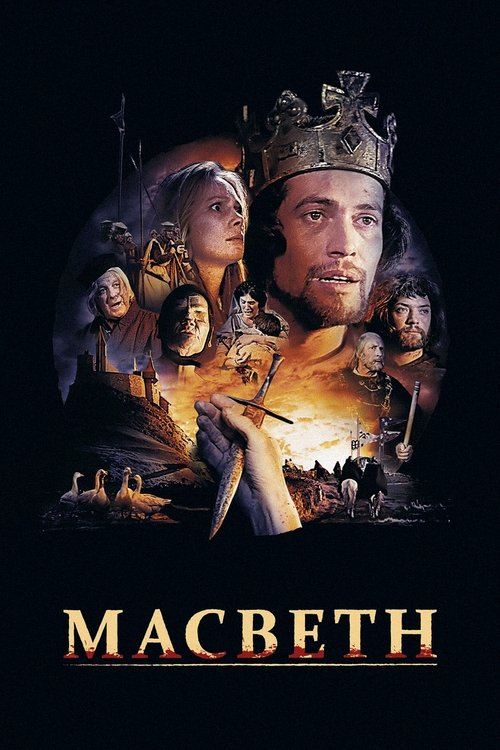
Macbeth1971
Polanski's ruthless take on ambition and supernatural temptation. Lady Macbeth's drive mirrors Faustus's hunger; both protagonists bargain with forces beyond moral reckoning and spiral into paranoid isolation.
But Brutally violent and genuinely bleak. There's no redemption here, and the gore—shocking for 1971—hasn't softened with age.
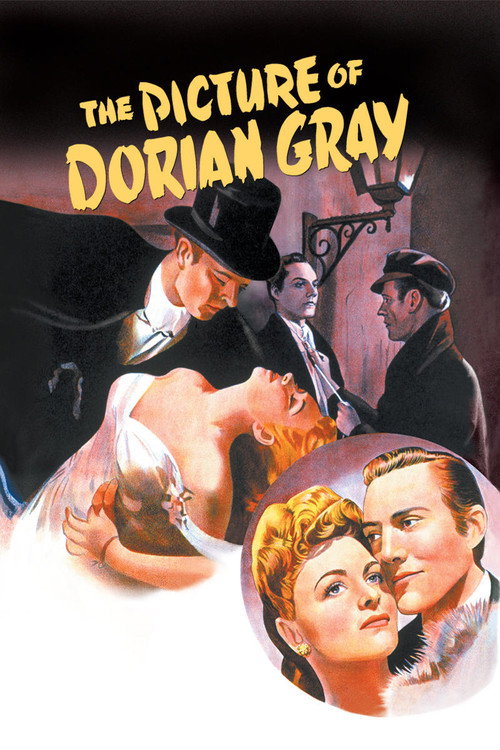
The Picture of Dorian Gray1945
Oscar Wilde's immortal aesthete trades morality for eternal youth. Like Faustus, Dorian pursues forbidden knowledge and power, but Wilde's wit keeps the damnation darkly funny rather than ponderous.
But The supernatural elements are subtle and the film privileges style over plot. Some find it precious; others find it glacial.
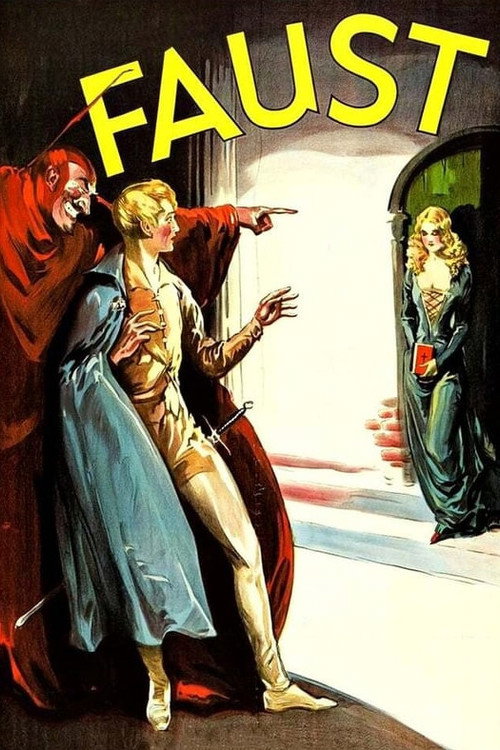
Faust1926
F.W. Murnau's silent masterpiece: expressionist shadows, genuine spiritual terror, and a Faustus who looks like he's bargaining in absolute darkness. The visual language is incomparable.
But Silent film requires patience and the print quality varies. The pacing is deliberate; some scenes feel like they're happening underwater.
Not sure tonight? Get a pick in a minute, starting from Doctor Faustus
The wildcard
Something you would not have found on your own.
The Seventh Seal1957
Both centre on a protagonist bargaining with supernatural forces to answer unanswerable questions. Both are Renaissance/medieval fables dressed in allegory, trading narrative momentum for philosophical weight.
Bergman's knight plays chess with Death itself while plague ravages Sweden. It's philosophy made visual: mortality, faith, and the meaning of knowledge rendered in black-and-white geometry. Where Faustus trades for time, the Knight confronts its absolute limit.
But Austere and slow-moving. If you're watching for plot, you'll find abstraction frustrating. The Swedish title cards and Bergman's humourlessness test patience.

More like this (8)
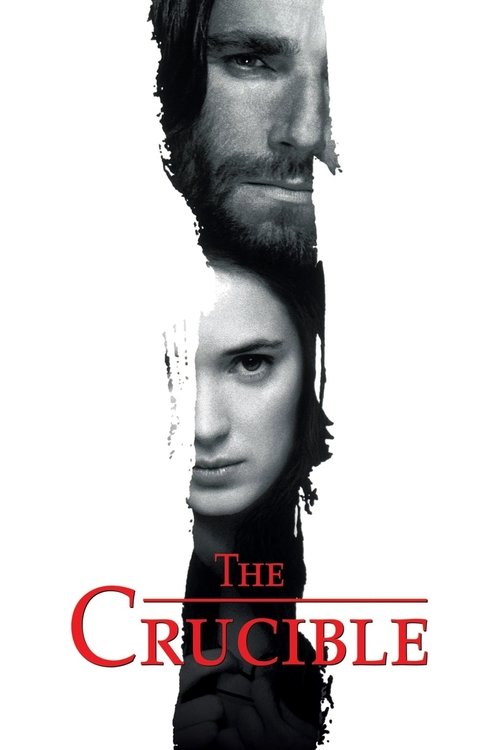
The Crucible1996
Arthur Miller's Salem witch trials as proxy for McCarthyism. John Proctor's desperate choices under supernatural accusation echo Faustus's moral collapse, though Miller grounds his tragedy in social hysteria rather than personal ambition.
But Historically it's contested; some argue the play weaponizes the trials. It's also deeply American and political in ways that may feel remote.
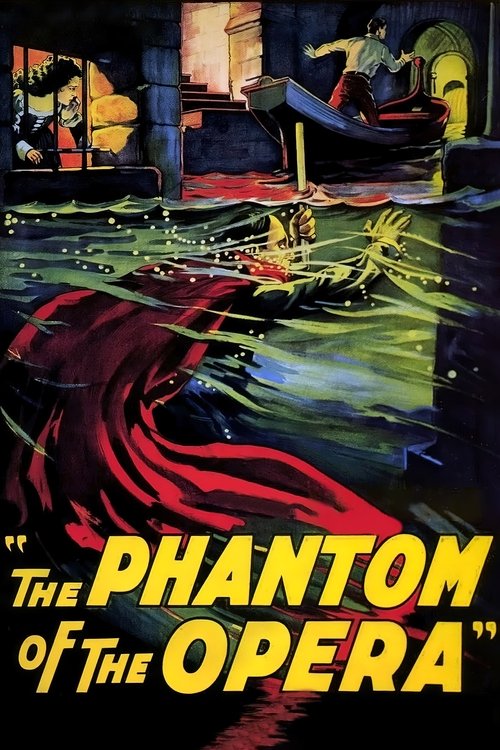
The Phantom of the Opera1925
Lon Chaney's Phantom is Faustus's mirror: a man who trades humanity for artistic transcendence, corrupting everyone around him. The Grand Guignol aesthetics and genuine pathos align with Burton's operatic damnation.
But It's a silent film from 1925 with pacing that won't rush. The restoration is uneven and the ending sentiment may feel heavy-handed.
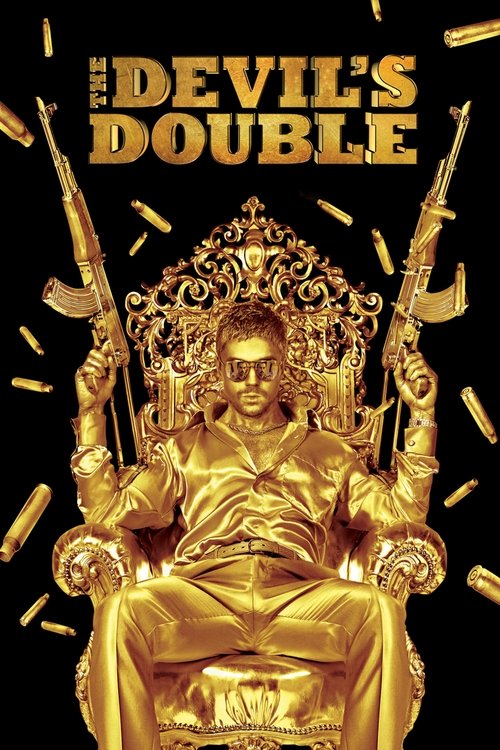
The Devil's Double2011
A document of charisma and corruption: Dominic Cooper plays Saddam's son, a man with absolute power and zero restraint. The moral vertigo—watching someone embrace their worst impulses—mirrors Faustus's 24-year spiral.
But Pulpy and sometimes exploitative. The real-world subject matter gives it a tawdry quality that undercuts the philosophical weight.
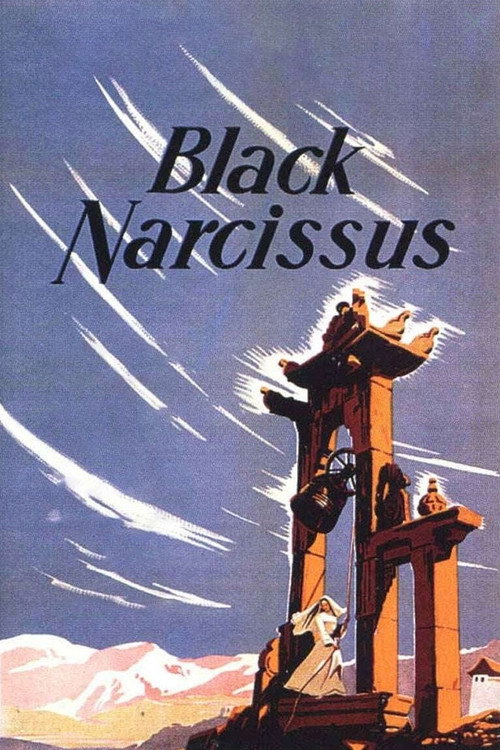
Black Narcissus1947
Powell and Pressburger's nuns on a Himalayan mountaintop succumb to desire and madness. Like Faustus, it's visually intoxicating, steeped in sensuality presented as spiritual corruption, with a protagonist whose hunger unmakes her.
But The psychology is dated and the racial politics uncomfortable. The lush Technicolor can feel camp to modern eyes, which some find distracting.
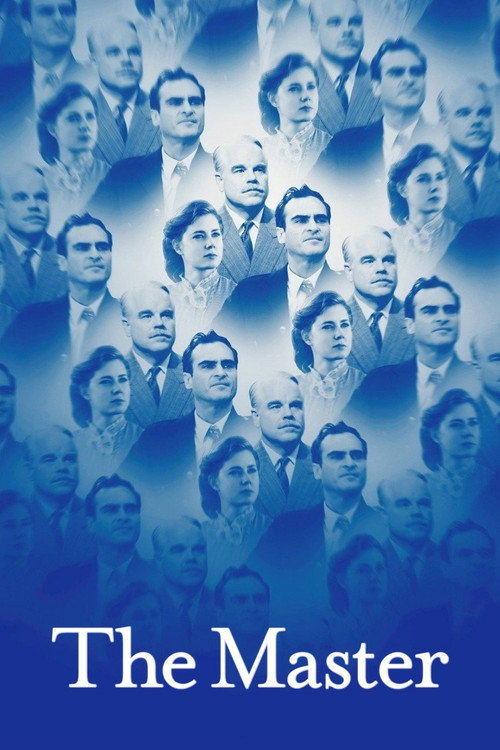
The Master2012
Paul Thomas Anderson's ambiguous portrait of charisma, delusion, and surrender. Joaquin Phoenix's character seeks mastery through a charlatan philosopher; the film captures that particular madness of trading autonomy for certainty.
But It's deliberately cryptic and resists interpretation. Anderson's style—long takes, minimal exposition—demands active watching and rewards nothing.
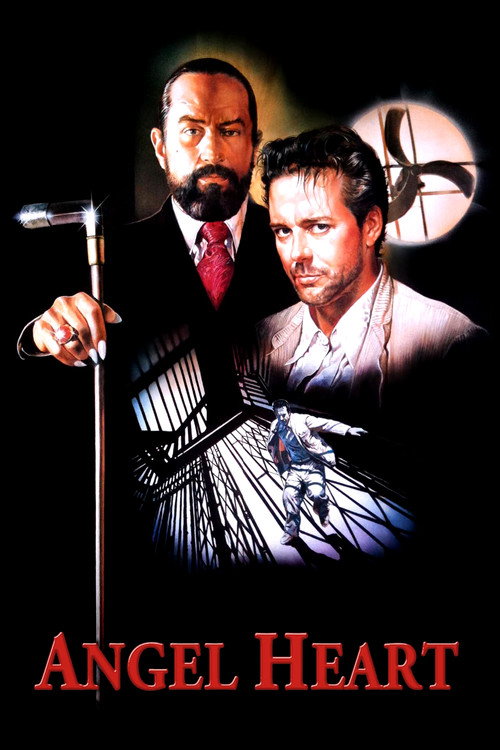
Angel Heart1987
Mickey Rourke as a noir detective descending into a hell of his own making. Southern Gothic atmosphere, genuine dread, and a Mephistophelian bargain resolved through body horror. Visually striking in ways that respect Faustus's baroque sensibility.
But Dated 80s excess and some of the horror plays as unintentionally silly now. The plot twist divides viewers sharply.
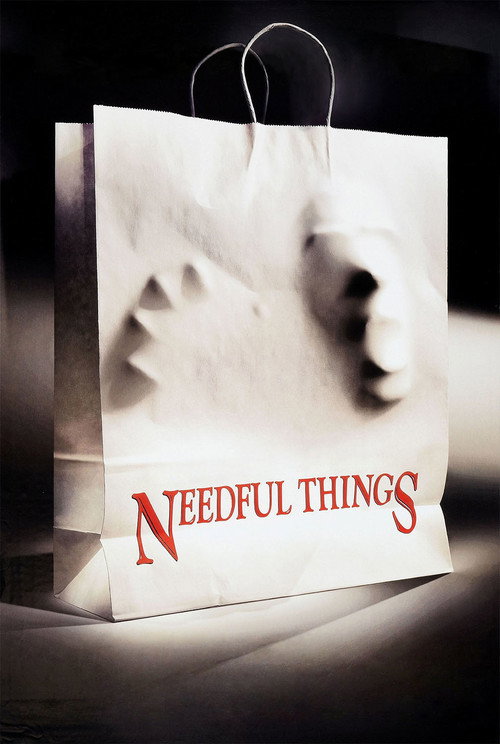
Needful Things1993
The literal, clause-by-clause bargain: you get what you want and pay the price you agreed to, with consequences meticulously staged. Both explore what happens when you stop negotiating with your conscience and start negotiating with evil.
Stephen King's devil (Max von Sydow, perfect) opens a shop in a small town. Every object is something the buyer secretly craves; every transaction is a deal in disguise. It's Faustus inverted: instead of one scholar trading his soul, an entire town learns what they'd bargain away.
But King adaptations are uneven and this one is messier than most. The tone wavers between horror and dark comedy in ways that frustrate both registers.
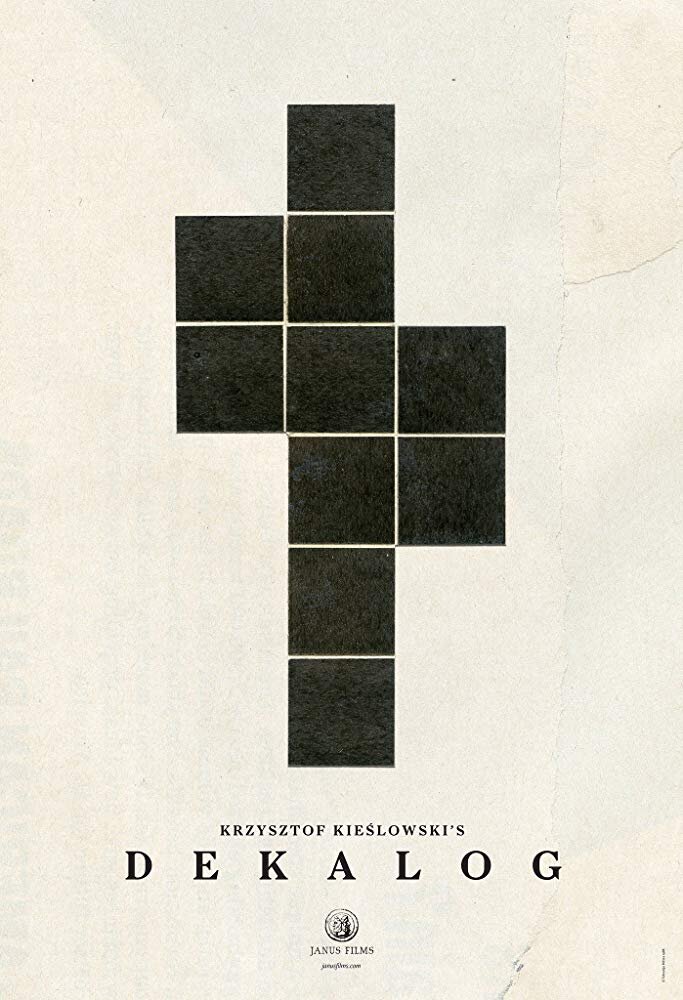
Dekalog1989
Both treat transgression as knowledge: the moment you choose damnation is the moment you understand what damnation means. Both find horror not in demons but in clarity about human capacity for self-corruption.
Kieślowski's ten-hour miniseries reimagines the Ten Commandments in modern Warsaw. Each episode is a small tragedy of someone breaking a rule and learning what they've really done. It's Faustus stretched across ten lives: knowledge of the abyss without the supernatural bargain.
But It's philosophical and spare. Little happens in plot terms; the drama is internal and glacial. Polish cinema's emotional register may feel cold to viewers expecting catharsis.
People
Cast
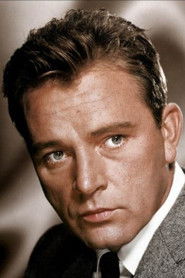 Richard BurtonDoctor Faustus
 Elizabeth TaylorHelen of Troy
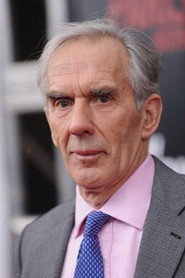 Richard DurdenEvil Angel/Knight
- Andreas TeuberMephistopheles
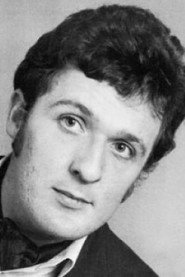 Ian MarterPride/Emperor
- Michael MenaughGood Angel/Bishop
- Ram ChopraValdes
- Richard CarwardineCornelius
- Patrick BarwiseWagner
- David McIntoshLucifer
- Jeremy EcclesBelzebub
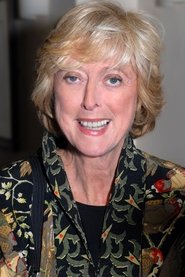 Maria AitkenSloth
Directing
- Gus AgostiAssistant Director
- Elaine SchreyeckContinuity
- Nevill CoghillDirector
- Richard BurtonDirector
Writing
- Nevill CoghillAdaptation
- Christopher MarloweTheatre Play
Production
- Richard BurtonProducer
- Richard McWhorterProducer
- Carlo LastricatiProduction Assistant
- Guy LuongoProduction Supervisor
- Roberto CoccoUnit Manager