
Film
Faust
Other titles called Faust: the 1926 film.
- Fantasy
- Strange
A hallucinogenic riff on the Faust legend that abandons narrative clarity for pure atmosphere. Czech filmmaker Jan Švankmajer's 1994 film traps you inside a grotesque puppet theatre where live actors, claymation, and surreal grotesquerie collide. It's hypnotic, deeply strange, occasionally nauseating—for viewers who prize texture and unease over plot.
Should you watch it?
Watch it if you enjoy handmade strangeness, where stop-motion clay, grotesque puppets and stage actors collide and the logic of a dream-play matters more than plot.
Skip it if you need a conventional narrative to hold onto, since this is a fragmented collage that circles its legend rather than telling it straight, and its unsettling images can feel like a museum tour.
What it asks of you: At 97 minutes it arrives in dense, dreamlike bursts, with images that come thick and rarely explain themselves, so it rewards sustained attention over easy following.
Not sure? Find tonight's pick in a minute.
If you liked this
The Cabinet of Dr. Caligari1920
Expressionist nightmare-logic that proves cinema can be architecture. Distorted sets and shadow-play create a world where every frame feels designed to unsettle. Essential viewing for anyone who loves visuals that matter more than plot.
But The pacing is glacial by modern standards, and the narrative twist can feel quaint. Silent film with intertitles demands patience and active watching.

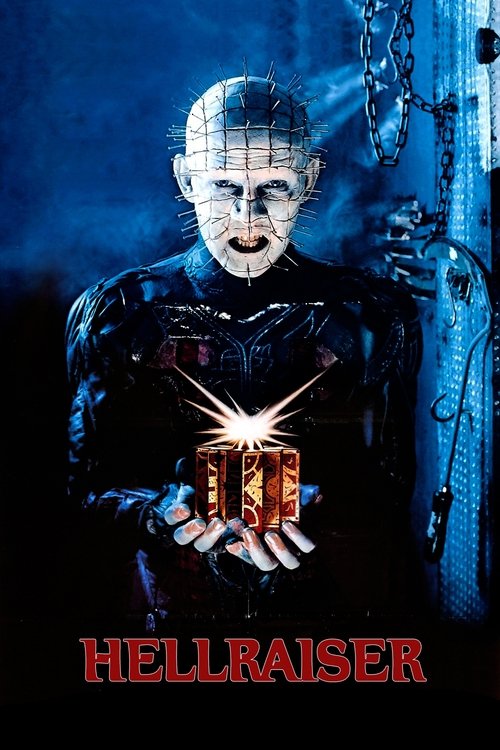
Hellraiser1987
A baroque descent into a nightmare realm summoned by human desire. Clive Barker's design aesthetic is operatic—beautiful and repellent simultaneously. Shares Švankmajer's commitment to making horror tactile and visually overwhelming.
But Body horror and genuine transgression. It does not soften its imagery, and the gore is not metaphorical. Visceral in ways that linger uncomfortably.
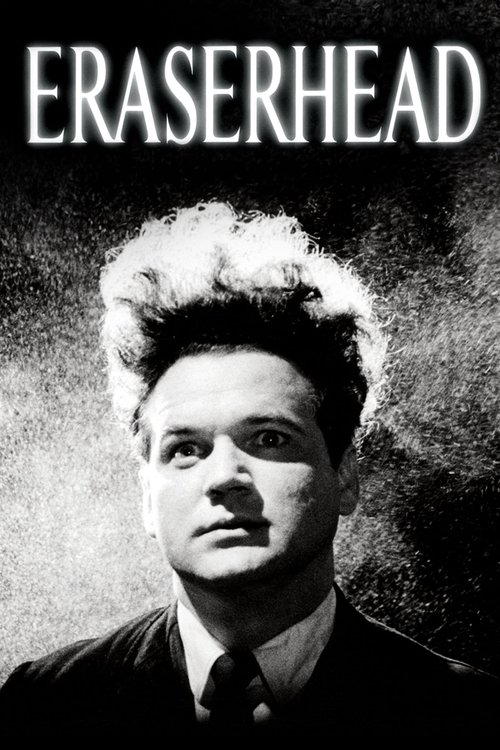
Eraserhead1977
David Lynch's industrial nightmare—a black-and-white fever dream about parenthood and alienation. Deliberately incoherent, deliberately grotesque. If you connect with Švankmajer's texture-over-sense approach, this is essential Lynch.
But Aggressively weird with almost no conventional narrative. Repetitive sound design is deliberately maddening. Tests your tolerance for discomfort.
Not sure tonight? Get a pick in a minute, starting from Faust
The wildcard
Something you would not have found on your own.
Synecdoche, New York2008
Both films are set inside theatres-within-theatres where the boundary between actor and puppet, real and performed, dissolves. Both are about men trapped in worlds that reflect their own inner chaos.
Charlie Kaufman's meta-text collapses reality and fiction inside a collapsing theatre production. Formally inventive—layers of theatrical artifice, miniature cities, impossible architecture. Like Faust, it is about the obsessive artist consumed by his own creation. It *feels* like watching a mind fracture in real time.
But Deliberately opaque and non-linear. The protagonist is passive and unlikeable. Some viewers find it insufferable rather than profound—a distinction that matters.

More like this (7)
Suspiria1977
Dario Argento's abstract giallo—color, sound, and design matter infinitely more than coherence. A ballet academy that is genuinely a coven. Gorgeous, brutal, and scored to unsettling perfection.
But The plot is tissue-thin and the dubbed dialogue can pull you out. The violence is stylised but frequent, and the film prioritises mood over character development.

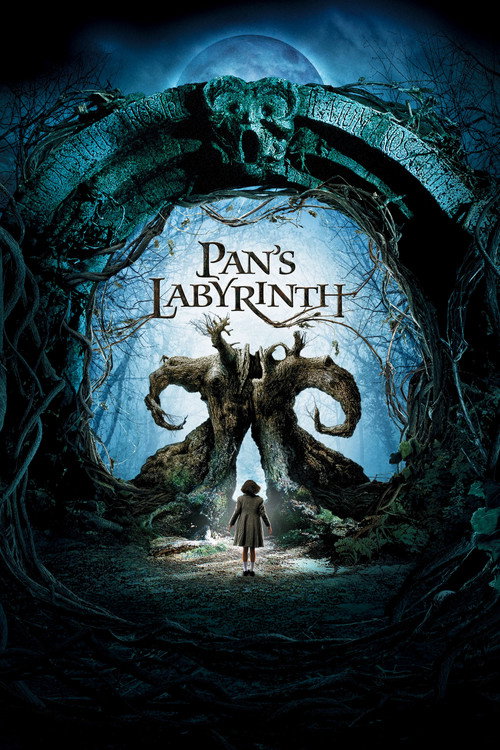
Pan's Labyrinth2006
Guillermo del Toro's masterwork fuses fantasy and Spanish Civil War horror through meticulous practical design. Grotesque creatures, impossible architecture, genuine stakes. A bridge between arthouse surrealism and accessible storytelling.
But The violence toward children is hard to watch. Political content is not window-dressing—the film refuses to be escapist about fascism.
The Seventh Seal1957
Bergman's meditation on death, faith, and meaning. A knight plays chess with Death. Stark, symbolic, haunting—philosophy as cinema. The imagery and performances transcend their era.
But Deliberately slow and metaphorical. Heavy themes require emotional engagement. Not a film you watch passively.

The Wailing2016
A Korean folk-horror masterpiece about faith, doubt, and moral ambiguity. Visually dense and emotionally devastating. Builds dread through atmosphere and uncertainty rather than jump scares.
But Demands multiple viewings to parse. Nearly three hours. The ending provides no comfort or clear answers. Deliberately frustrating in its refusal to resolve.

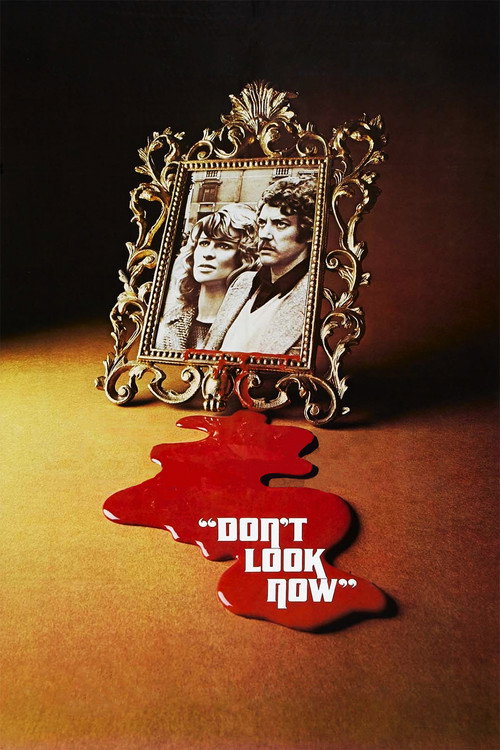
Don't Look Now1973
Nicolas Roeg's Venice-set thriller—formally inventive, gorgeously shot, hypnotic. Grief and intuition unspooled through elliptical editing. A masterclass in how to make absence as present as flesh.
But The sex scene is explicit and casual in a way that dates the film but also makes it matter. The ending is bleak without catharsis.
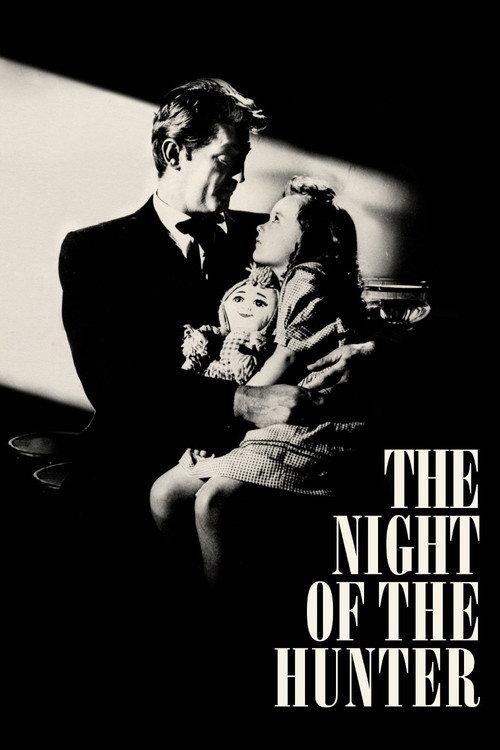
The Night of the Hunter1955
Charles Laughton's only directorial effort—a noir-tinged thriller where visual composition IS the story. Black-and-white expressionism and a genuinely unsettling villain. Proof that mood can carry everything.
But Slower than its premise suggests. The children are central but not always convincingly acted. Feels theatrical in a way that modern audiences sometimes find artificial.
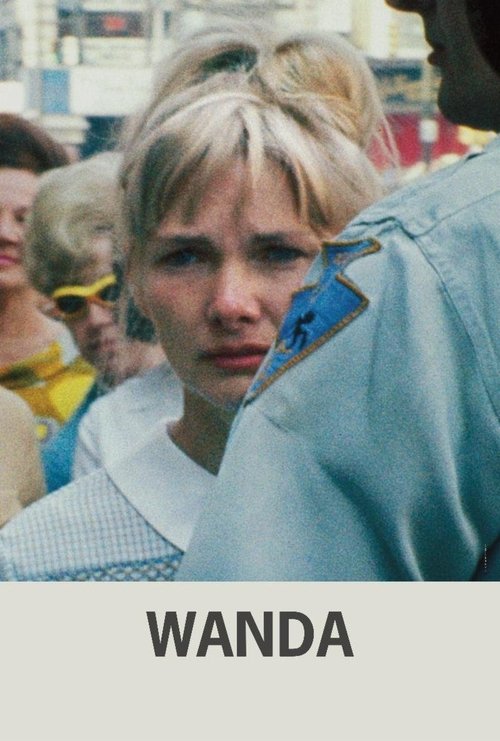
Wanda1970
Both are films where the protagonist is essentially a passive object moved through surreal circumstances. Faust is led into the theatre; Wanda is carried along by circumstance. Both ask: what does it mean to have no will?
Barbara Loden's deadpan masterpiece about drift, agency, and female passivity. Shot on 16mm with non-professional actors, it feels like documentary realism that slowly reveals itself as existential nightmare. Quiet devastation.
But Aggressively anti-dramatic. The protagonist makes no choices and grows no spine. Few people have heard of it, and fewer still find it gripping on first viewing.
People
Cast
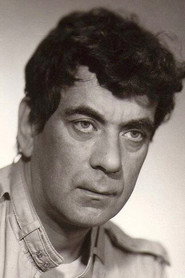 Petr ČepekFaust
Directing
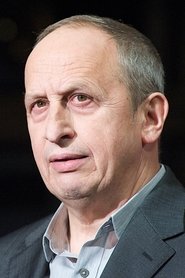
- Jan ŠvankmajerDirector
Writing
- Christian Dietrich GrabbeNovel
- Jan ŠvankmajerScreenplay
- Jan ŠvankmajerStory
- Christopher MarloweTheatre Play
- Johann Wolfgang von GoetheTheatre Play
Production
- Colin RoseAssociate Producer
- Hengameh PanahiExecutive Producer
- Karl BaumgartnerExecutive Producer
- Keith GriffithsExecutive Producer
- Michael HavasExecutive Producer
- Jaromír KallistaProducer