
Film
Angel on My Shoulder
- Fantasy
- Light-hearted
A 1946 fantasy-comedy where the Devil sends a dead gangster back to Earth disguised as a respected judge, betting he'll corrupt the system. Paul Muni carries the film with sharp-edged charm, toggling between his criminal past and judicial duty. It's a clever moral parable dressed up as entertainment—smart without being heavy, funny without winking at you. For anyone who loves Golden Age Hollywood's ability to sneak philosophy past the popcorn.
If you liked this
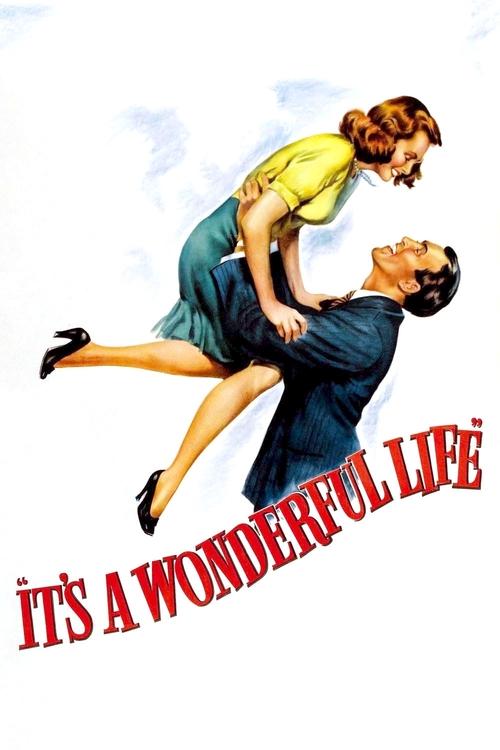
It's a Wonderful Life1946
Clarence the angel earns his wings by showing a man what his town would be without him. Like Angel on My Shoulder, it's a supernatural morality play that works because it respects both its high concept and its heart.
But The sentimentality has become cultural shorthand, and watching it can feel like visiting a museum of everyone else's nostalgia rather than experiencing something fresh.
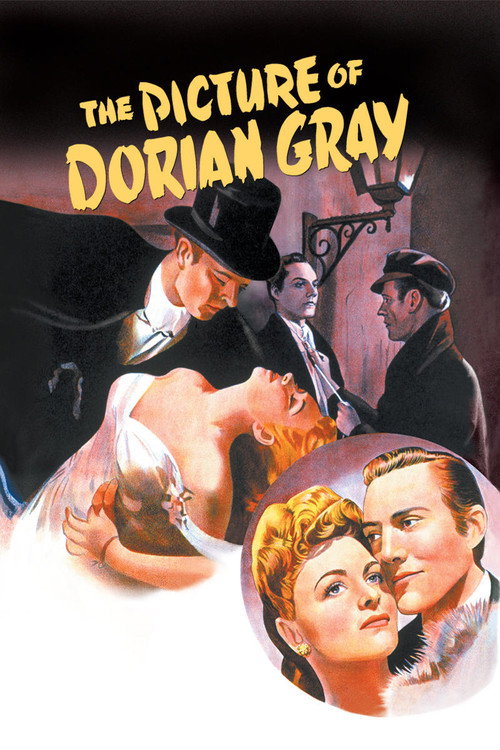
The Picture of Dorian Gray1945
Oscar Wilde's tale of corruption and bargains with dark forces, told with the same gleeful moral ambiguity—a man gets what he wants and pays the price. Hedy Lamarr is magnetic, and the Technicolor pops like a live coal.
But It moves slower than modern audiences expect, and the moralizing can feel theatrical rather than inevitable. Some scenes lag between the good ones.
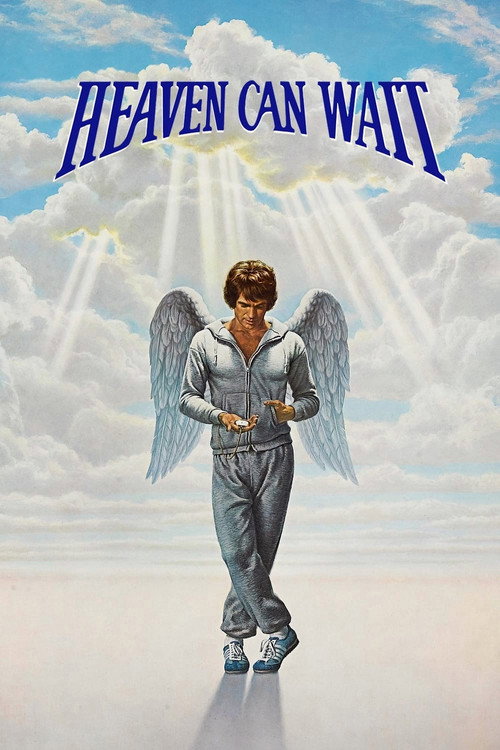
Heaven Can Wait1978
Don Ameche's charmer navigates the afterlife with bureaucratic wit and genuine warmth. It's the same 'what happens after death' machinery, but softer—less about sin and more about second chances and regret.
But The pacing feels leisurely to the point of stalling in stretches. If you're not charmed by 1940s romantic melodrama, you'll check the runtime more than once.
Not sure tonight? Get a pick in a minute, starting from Angel on My Shoulder
The wildcard
Something you would not have found on your own.
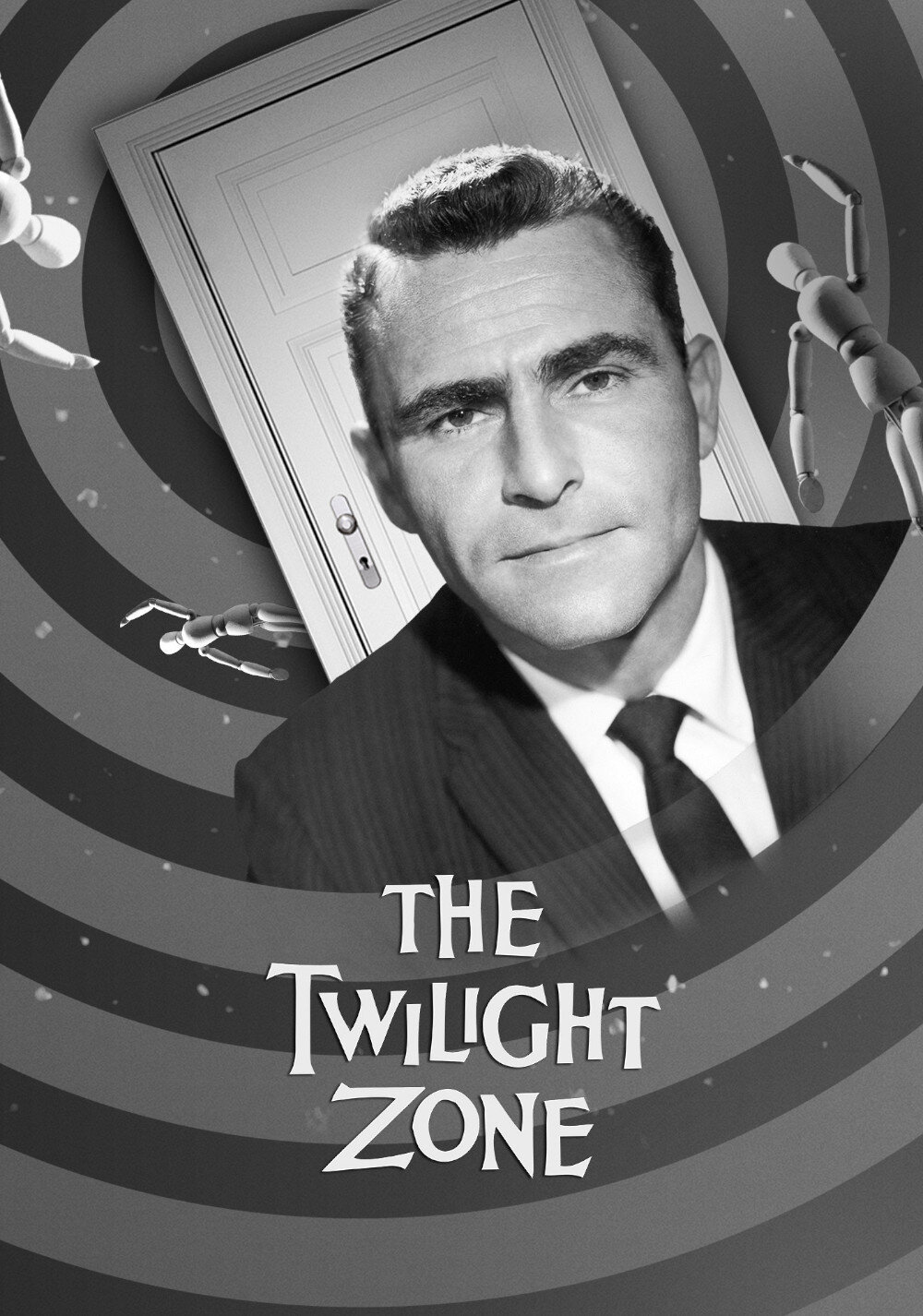
The Twilight Zone1959
Both use supernatural machinery as scaffolding for a genuine moral reckoning—what makes a life matter, and whether people can truly change.
A retired teacher doubts his life's impact until he's given a chance to see it. It's Angel on My Shoulder's emotional core—redemption and the evidence of a life—but concentrated into 25 minutes of pure clarity. Serling's script cuts like a knife.
But It's deliberately sparse and quiet. The supernatural framing is thin, and some viewers find the sentimentality heavy-handed rather than earned. Modern audiences often find half-hour TV pacing glacial.
More like this (8)
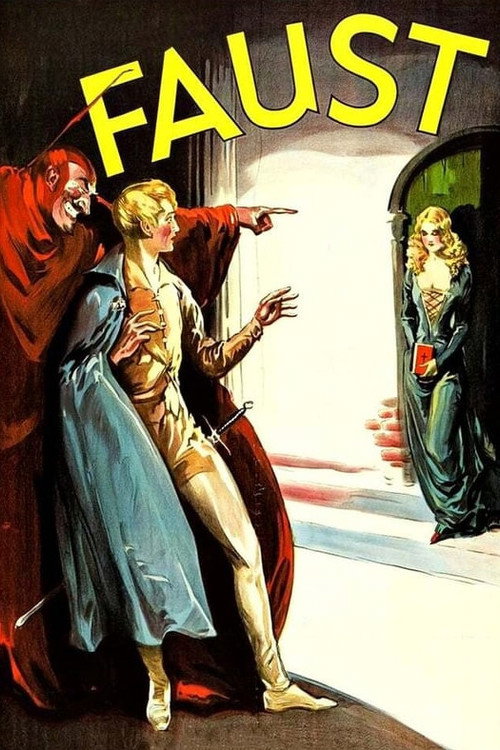
Faust1926
F.W. Murnau's German Expressionist masterpiece of a man who sells his soul. The visual invention and operatic darkness make the supernatural feel genuinely unsettling in ways most Hollywood films wouldn't dare.
But It's silent and demands your full attention; no leaning back allowed. The pacing is contemplative rather than zippy, and some effects look their age.
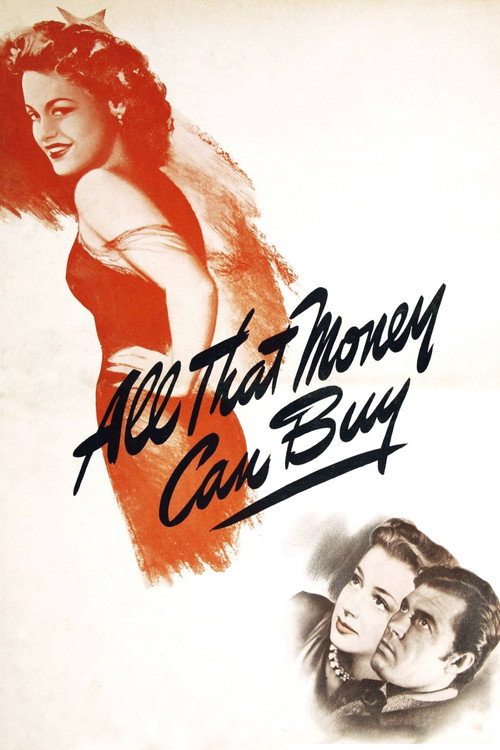
All That Money Can Buy1941
A New Hampshire farmer's deal with the Devil goes to trial with the Founding Fathers as jurors. Like Angel on My Shoulder, it's Americana with supernatural stakes—folksy and genuinely inventive about how to stage the impossible.
But The Americana tone can feel cloying if you're not already disposed to that particular flavor. The courtroom finale, though clever, moves at a stately pace.
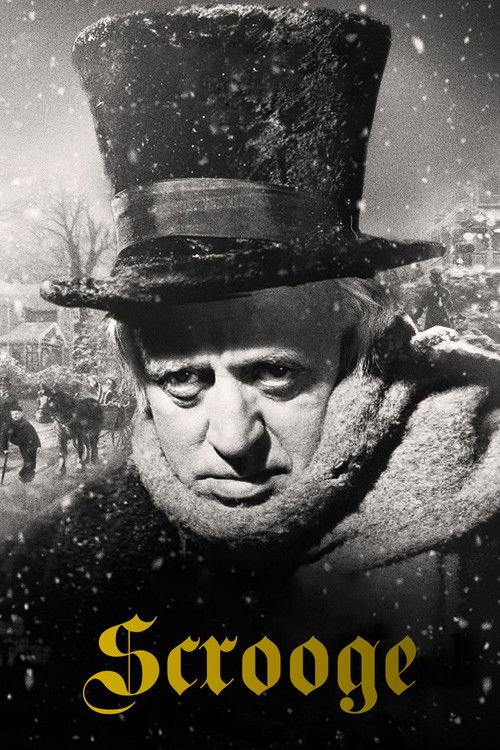
Scrooge1951
Alastair Sim's haunted miser and the three spirits visiting him. A redemption story where the supernatural machinery genuinely serves the moral argument—Sim's face registers the slow shift from scorn to understanding.
But You likely know the story backward and forward. Familiarity can make even brilliant acting feel like going through beloved motions rather than discovering something.
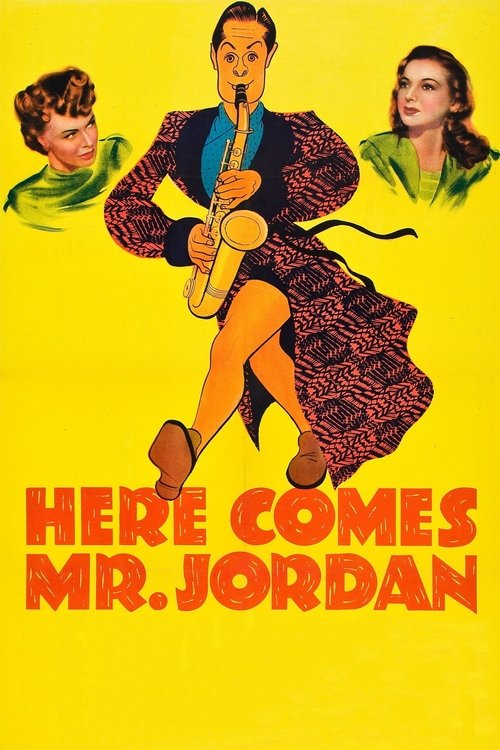
Here Comes Mr. Jordan1941
A boxer dies too early and gets sent back to live in another man's body. Fast, clever dialogue and a high-concept premise handled with real wit. The template many heavenly bureaucracy films follow, and the original does it best.
But The romantic plot winds around itself, and some scenes exist purely to explain the mechanics rather than dramatize them. Modern editing would trim twenty minutes painlessly.
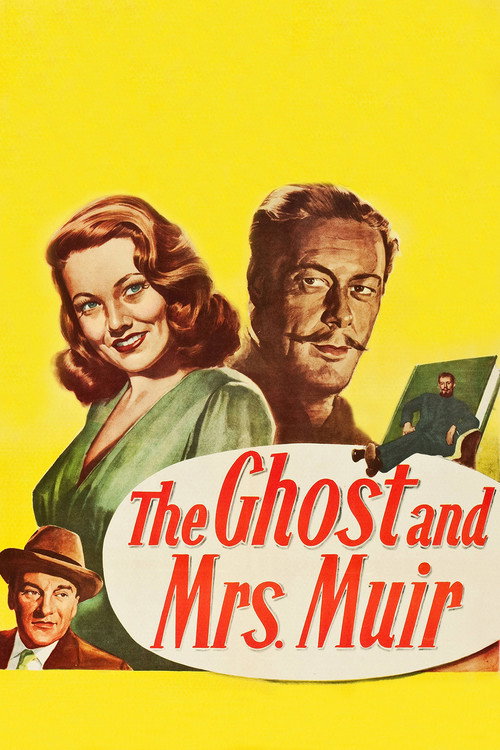
The Ghost and Mrs. Muir1947
A widow discovers her house is haunted by a sea captain's ghost, and they fall in love across the veil. Gene Tierney and Rex Harrison have genuine chemistry, and the film balances romance, comedy, and melancholy with real grace.
But The pacing is unhurried, and if the romantic chemistry doesn't catch you early, you're left waiting for a payoff. The plot resolves in ways that feel inevitable rather than surprising.
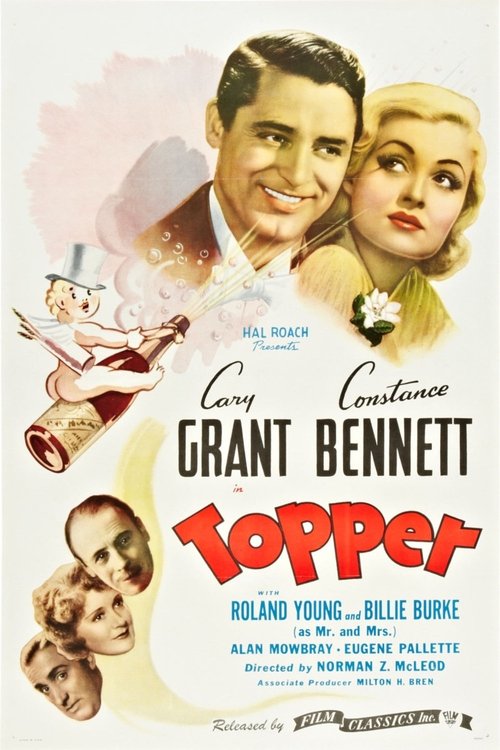
Topper1937
Two dead socialites haunt a stuffy banker into loosening up. It's light and effervescent, with Cary Grant and Constance Bennett bringing real verve to the chaos. Pure charm, designed to make you smile without asking much of you.
But The jokes are broad and dated; what was risqué in 1937 lands as quaint now. If you need substance with your supernatural comedy, this skates past it entirely.
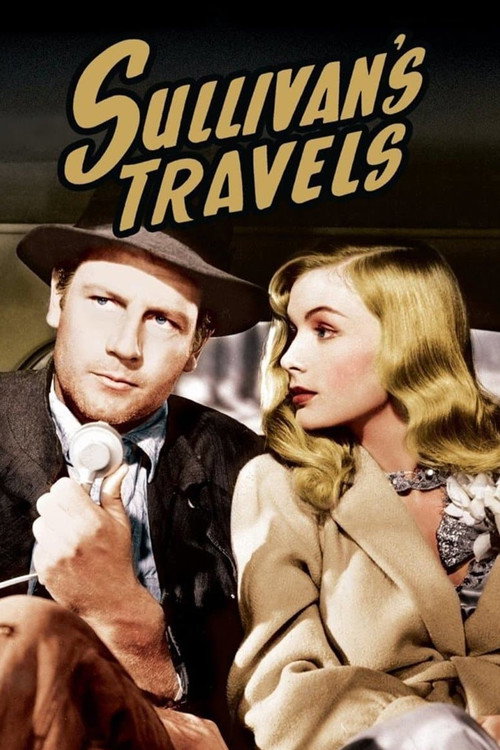
Sullivan's Travels1941
Both are about a man who gets forced to understand the value of redemption through supernatural or extreme circumstance. Both ask: what does a person owe the world?
Preston Sturges's film director disguises himself as a vagrant to understand suffering, then discovers he's only equipped to make people laugh. It's a comedy that turns into something harder and more real, questioning whether goodness means saving souls or just giving them relief.
But The tonal shift from screwball to genuine darkness can feel jarring. Some viewers resent the film's suggestion that escapism has moral value, finding it too easy on frivolity.
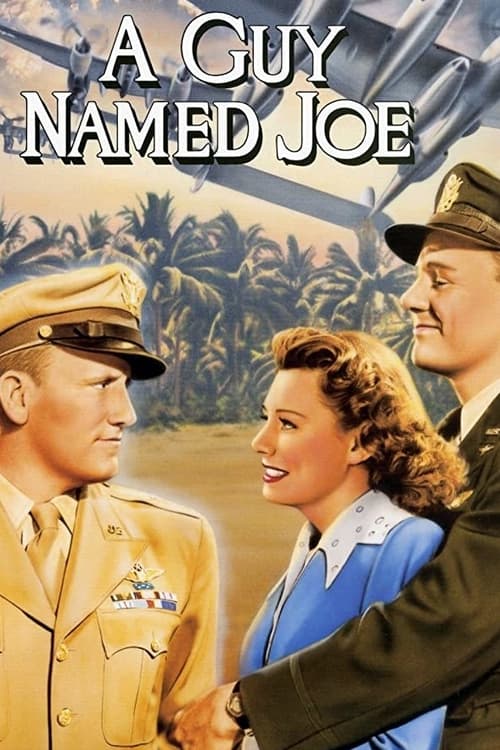
A Guy Named Joe1944
Identical plot machinery—death, return, redemption through guidance—but a completely different emotional register. Where Angel on My Shoulder is witty and light, this is sincere and aching. Together they show how the same concept can work in entirely different emotional keys.
Spencer Tracy dies as a fighter pilot and returns as an invisible ghost to guide a younger pilot. It's the same deal—the dead returning to set things right—but played as romantic drama and wartime earnestness rather than comedy. Tracy's performance is genuinely moving.
But The sentimentality runs deep and unironic; modern viewers may feel it's laying it on thick. The wartime context dates it visibly, and patience for old-fashioned melodrama is not guaranteed.
People
Cast
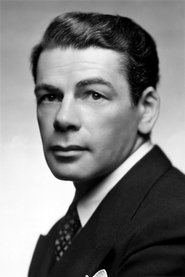 Paul MuniEddie Kagle / Judge Fredrick Parker
 Anne BaxterBarbara Foster
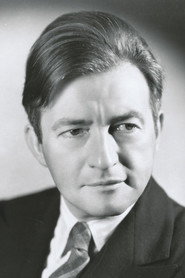 Claude Rains"Nick"
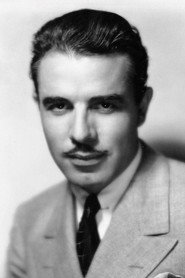 Onslow StevensDr. Matt Higgins
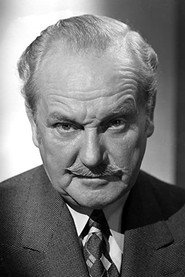 George ClevelandAlbert
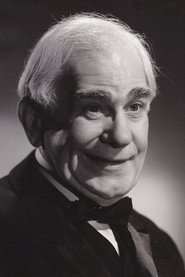 Erskine SanfordMinister
 Marion MartinRosie Morgan Bentley
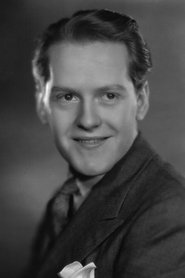 Hardie Albright"Smiley" Williams
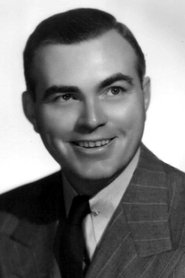 James FlavinDan Bellamy
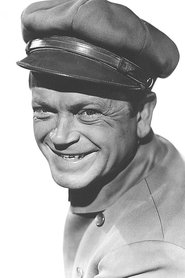 Murray AlperJim - Taxicab Driver (uncredited)
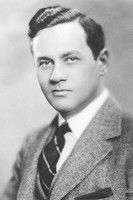 Sam AshCitizen (uncredited)
 Joan BlairBrazen Girl in Hell (uncredited)
Directing
- Archie MayoDirector
Writing
- Harry SegallOriginal Story
- Harry SegallScreenplay
- Roland KibbeeScreenplay
Production
- David W. SiegelAssociate Producer
- Charles R. RogersProducer
- David SussmanProduction Manager
- William J. FenderProduction Manager