
Film
Anima Mundi
Anima Mundi pairs Godfrey Reggio's hypnotic visual poetry with Philip Glass's propulsive minimalism, creating a 29-minute meditation on the planet's biological richness. Shot in multiple countries, it moves through ecosystems and animals with the weight and wonder of cathedral glass. A film that works on pure sensory immersion—you don't watch it so much as float through it.
Should you watch it?
Watch it if you love films where rhythm and repetition do the storytelling, and you're happy to let pulsing Glass music and slow-shifting landscapes carry the meaning without needing it spelled out.
Skip it if you want a human story, characters, or any sense of a plot unfolding; this is pure texture, and its hypnotic loop can feel like a single note held too long.
What it asks of you: Half an hour of open attention, with no story to hold onto, so let the images and music wash over you rather than hunting for a thread.
Not sure? Find tonight's pick in a minute.
If you liked this
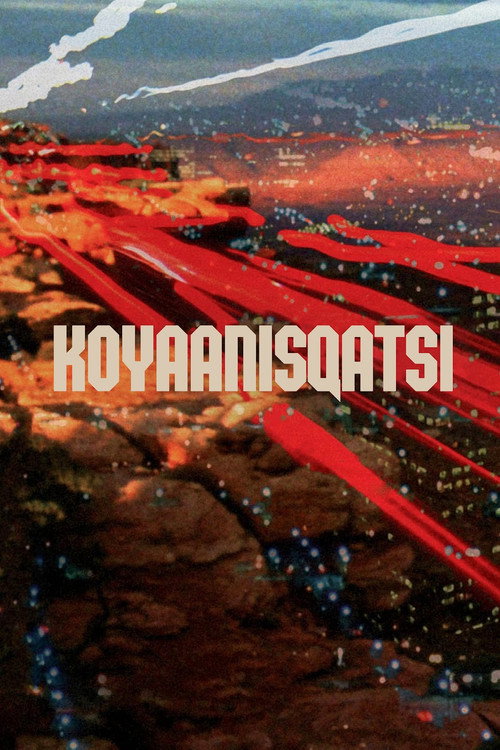
Koyaanisqatsi1983
The first and greatest collaboration between Reggio and Glass. Wordless, hypnotic, shot in the American landscape, it's the DNA of Anima Mundi. If you responded to one, you need the other.
But It's pacing is meditative bordering on glacial. There's no plot, no drama, just texture and sound for 86 minutes.
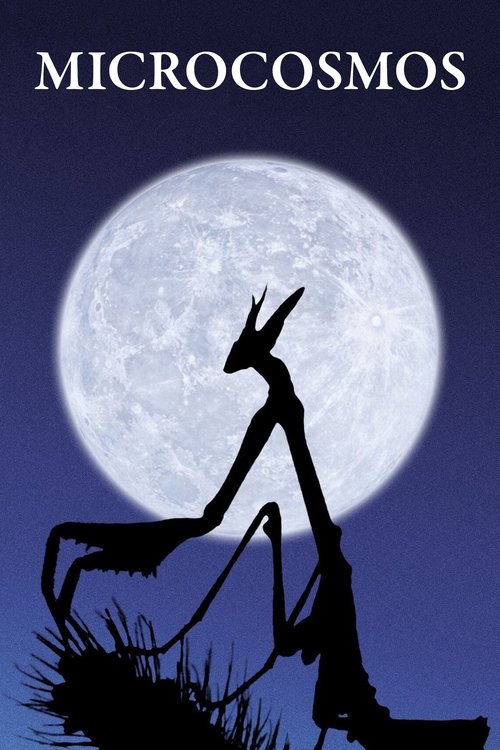
Microcosmos1996
Macro photography of insects and small creatures set to an elegant score. The same philosophy as Anima Mundi—finding the spectacular in the overlooked, letting music and image speak without narration.
But Some find close-ups of insects unsettling rather than beautiful. The pacing is extremely slow.
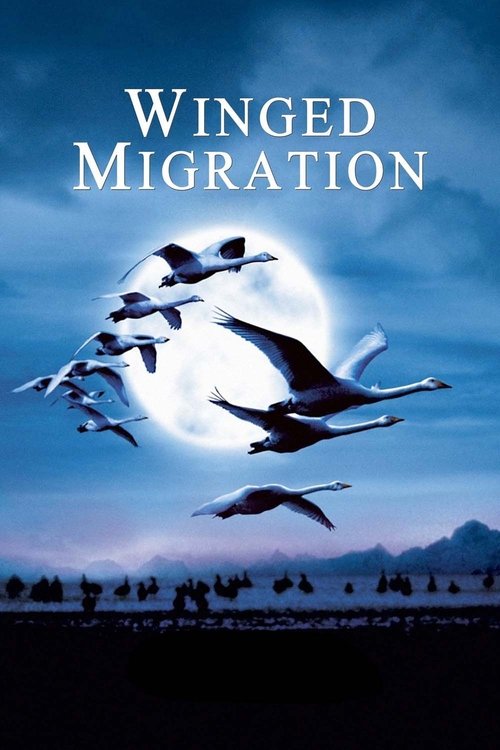
Winged Migration2001
A meditation on bird flight across continents, shot over four years. Uses minimal narration and soaring imagery with an emotional core. Same DNA as Anima Mundi but more narrative thrust.
But The documentary framing is less experimental than pure visual poetry. Some shots are clearly from zoos or captive birds.
Not sure tonight? Get a pick in a minute, starting from Anima Mundi
The wildcard
Something you would not have found on your own.
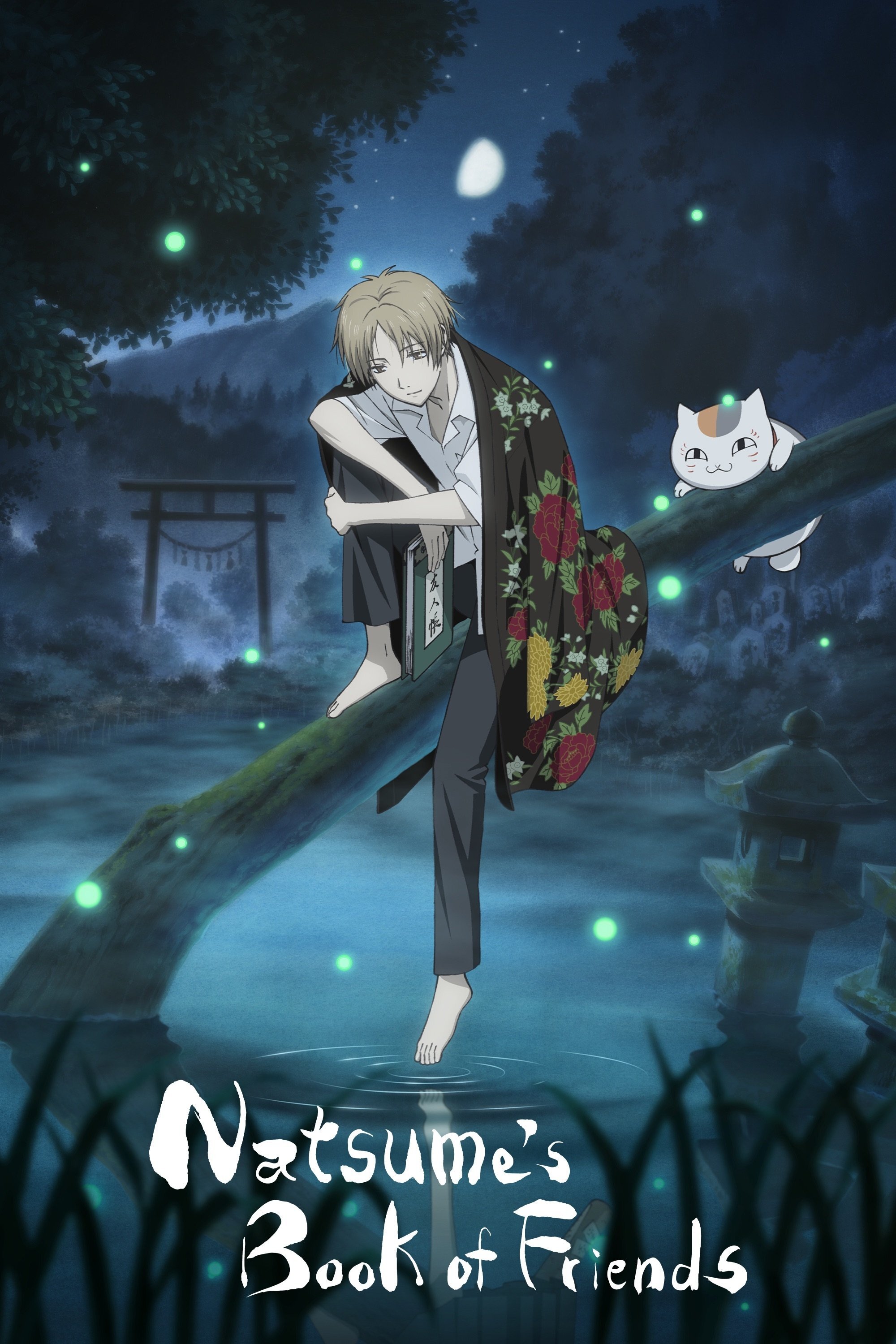
Natsume's Book of Friends2008
Both find the sacred in the overlooked and treat non-human consciousness with dignity and awe.
Anime series about a boy who sees spirits and creatures invisible to others. Each episode treats encounters with the supernatural as encounters with nature—not threats but beings with their own logic and beauty. Like Anima Mundi, it sees the world as alive and worthy of reverence, using visual poetry to locate wonder in what others miss.
But It's anime, so if that form doesn't appeal, the visual grammar will feel childish. Episodes are episodic and gentle, which means nothing happens. Requires patience.
More like this (6)
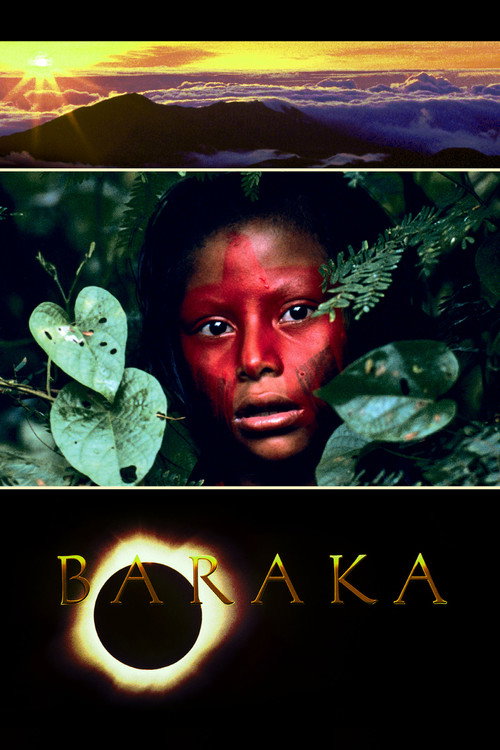
Baraka1992
A non-narrative visual journey through human culture and landscape using VistaVision. Scored by Michael Stearns. The spiritual cousin to Anima Mundi, obsessed with the same sense of sacred interconnection.
But It's sprawling and sometimes unfocused. The reverent tone toward human ritual won't land for everyone.
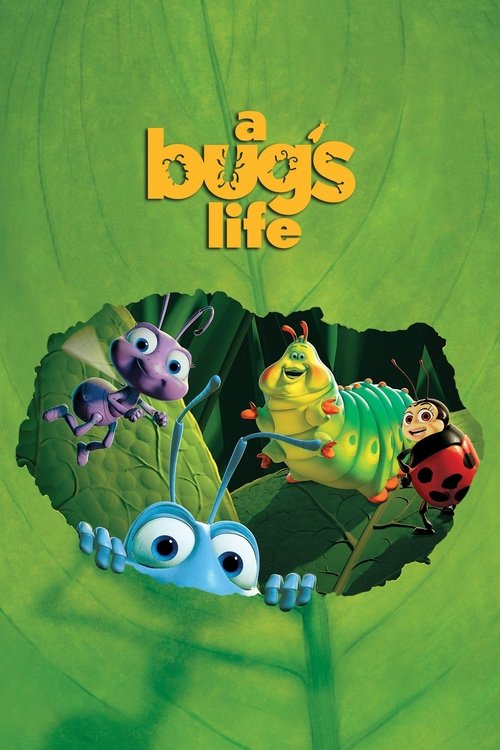
A Bug's Life1998
David Attenborough narrates but stays light. Extraordinary close-ups of animals in their environment. If you loved Anima Mundi's celebration of biological diversity, this extends that wonder across nine episodes.
But It's a prestige BBC production—accessible but less formally experimental than Reggio's vision.
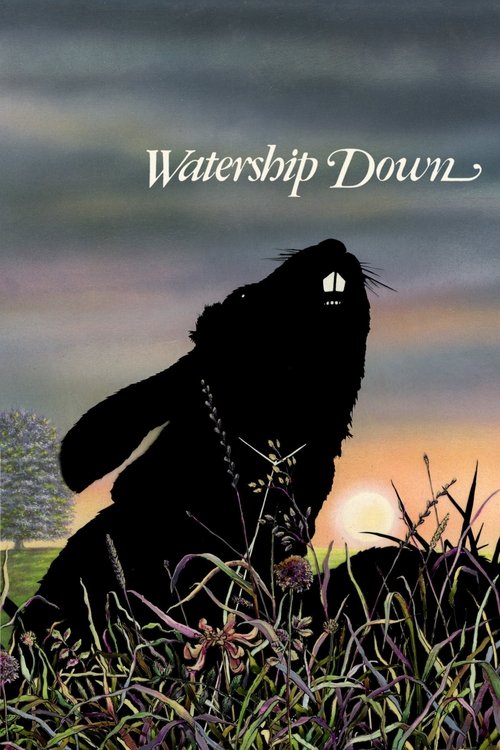
Watership Down1978
Animated epic about rabbits. Scored by Art Garfunkel with visceral animation of animals in their habitat. Shares Anima Mundi's sense that animal life deserves epic treatment and wonder.
But It's a narrative film, not a visual poem. The violence toward animals is real and disturbing, even in cartoon form.
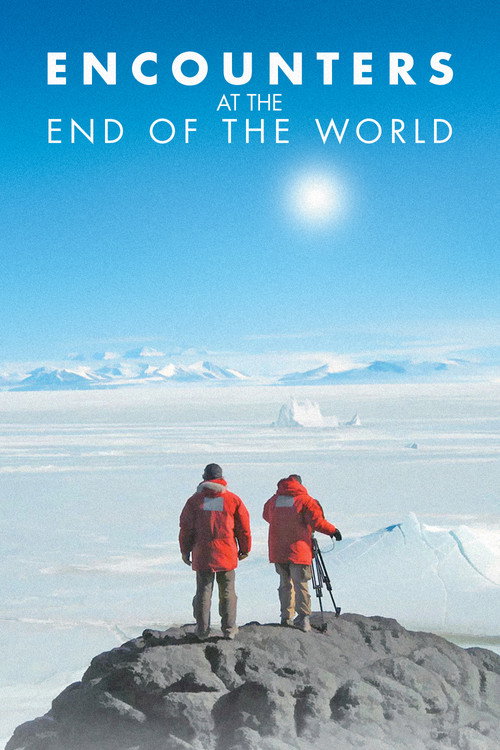
Encounters at the End of the World2007
Werner Herzog in Antarctica, exploring landscape and life at the planet's edge. Philosophical and strange, obsessed with isolation and the beauty of extreme places. A different kind of nature meditation.
But Herzog's voice and perspective dominate. It's less about pure visual immersion and more about one man's philosophical questioning.
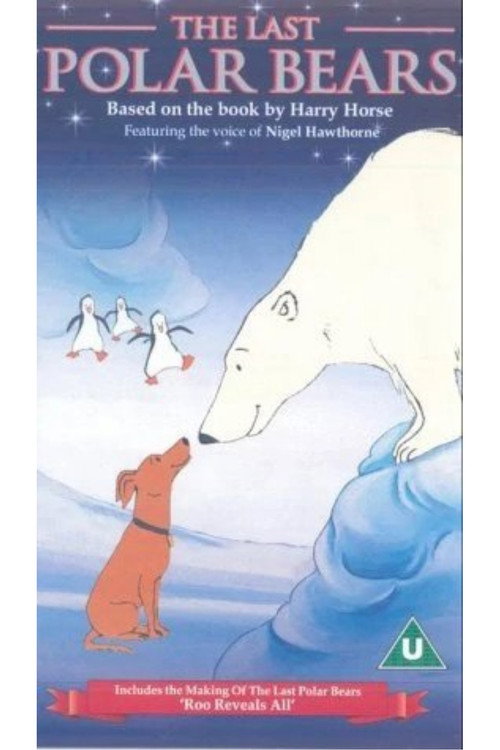
The Last Polar Bears2000
Both use formal restraint and silence to make you feel the weight of a non-human life.
Documentary following a single polar bear in the Arctic. Wordless except for ambient sound and breathing. An extreme distillation of Anima Mundi's philosophy—watching a creature exist in its environment, without judgment or spectacle, just presence. Devastatingly moving.
But Watching an animal suffer and die in real time. The bleakness is not poetic, it's unbearable. Only 12 minutes long but heavier than you expect.
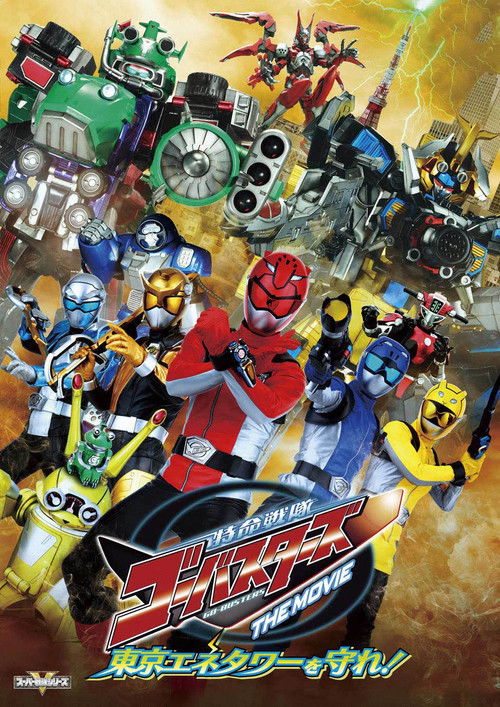
Tokumei Sentai Go-Busters the Movie: Protect the Tokyo Enetower!2012
Both use pulsing rhythm and hypnotic editing to create a trance state; both find the world deserving of reverent attention, just through opposite aesthetic choices.
A Japanese tokusatsu (special-effects live-action) series that's visually wild, heavily rhythmic, and scored like a Philip Glass composition. Bright, fast-cut, operatic in its commitment to pure visual sensation. Anima Mundi in a completely different register—celebrating living things via maximalist design rather than minimalism.
But It's a children's superhero show. If you need naturalism or restraint, this is the opposite. The story is thin. Subtitled.
People
Directing
- Godfrey ReggioDirector
Writing
- Godfrey ReggioScenario Writer
Production
- Enrico TagliaferriAssociate Producer
- Rory JohnstonAssociate Producer
- Steve GoldinAssociate Producer
- Gianfilippo PedoteExecutive Producer
- Lawrence TaubProducer
- Robin GreenbergProduction Manager