
Film
Filibus
A 1915 Italian silent film about Filibus, a masked air pirate who steals from the wealthy and vanishes into her flying machine. She's cunning, theatrical, and delights in deception—romancing a detective's sister while framing him for her crimes. It's playful and visually inventive, treating crime as spectacle and performance. For anyone curious about cinema's earliest adventure fantasies.
If you liked this
The Thief of Bagdad1924
Douglas Fairbanks as a charming rogue in a magical city, performing impossible heists with acrobatic grace. The same spirit of swashbuckling theft as Filibus, but with boundless production design and movie-star charisma.
But Silent film pacing feels glacial if you're used to cutting rhythms. The fantasy elements are quaint rather than thrilling by modern standards.

Nosferatu1922
German Expressionism at its most atmospheric and unsettling. If you loved Filibus's visual invention and mask work, this is the era's masterpiece of shadow, performance, and strange beauty.
But It's genuinely horrifying and bleak. There's no roguish charm here—only dread. The pacing is deliberate in ways that test patience.

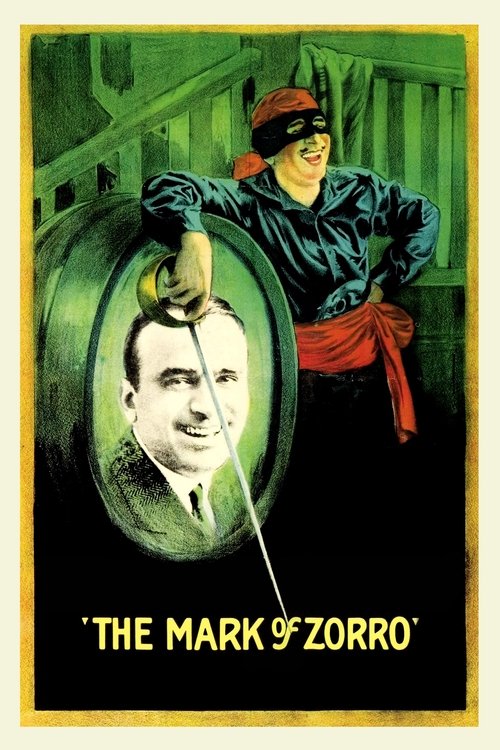
The Mark of Zorro1920
Tyrone Power as a nobleman who becomes a masked vigilante, stealing justice from the corrupt. The prototype for every dual-identity hero, full of wit and physical invention like Filibus's gender-switching games.
But The print quality varies wildly depending on where you find it. Some restoration efforts have aged poorly. It's a touch sentimental about its hero.
Not sure tonight? Get a pick in a minute, starting from Filibus
The wildcard
Something you would not have found on your own.
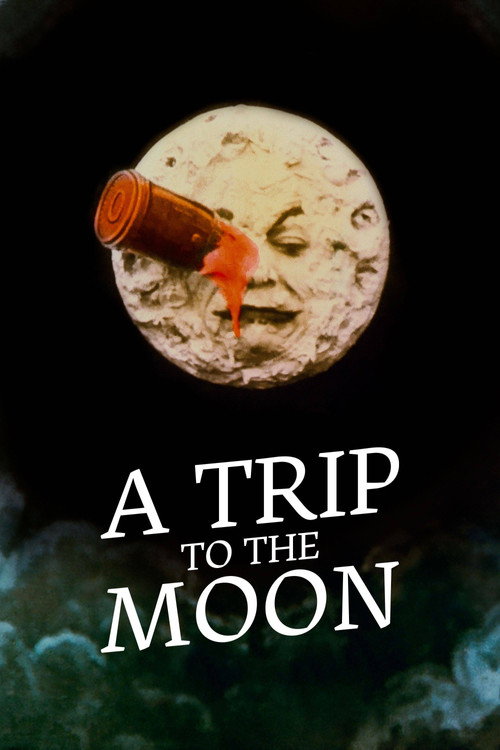
A Trip to the Moon1902
Both are early cinema reveling in its own magic tricks—theft and disguise and impossible escapes rendered as gorgeous artifice. Both trust the audience to enjoy the *how* as much as the what.
Méliès's thirteen-minute masterpiece of pure cinema fantasy—a trip to the moon rendered in hand-painted frames and impossible tricks. It's the DNA of everything Filibus inherited: spectacle, humor, visual invention as the entire point.
But It's very short, which can feel anticlimactic. There's no narrative momentum, only tableaux. It requires imagination to see what audiences saw in 1902.
More like this (7)
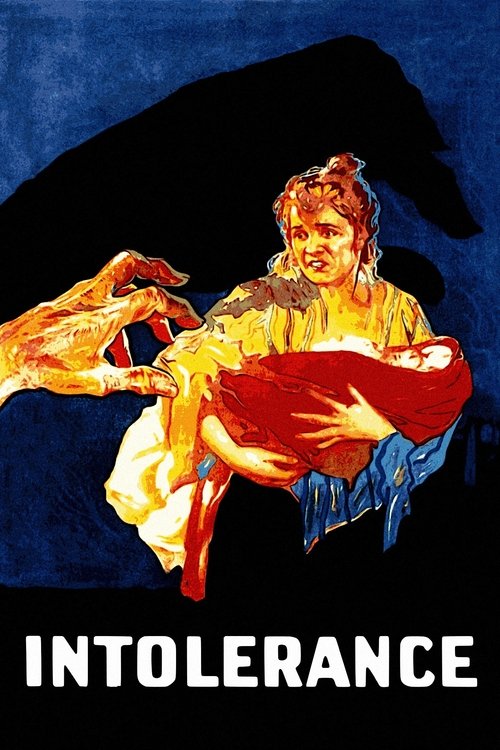
Intolerance: Love's Struggle Throughout the Ages1916
D.W. Griffith's staggering epic built from four parallel stories across centuries. If you're amazed by what 1915 cinema could do, this will humble you with ambition and technical audacity.
But It runs nearly four hours and demands total attention. The narrative is cryptic and can feel pretentious. Griffith's politics are indefensible.
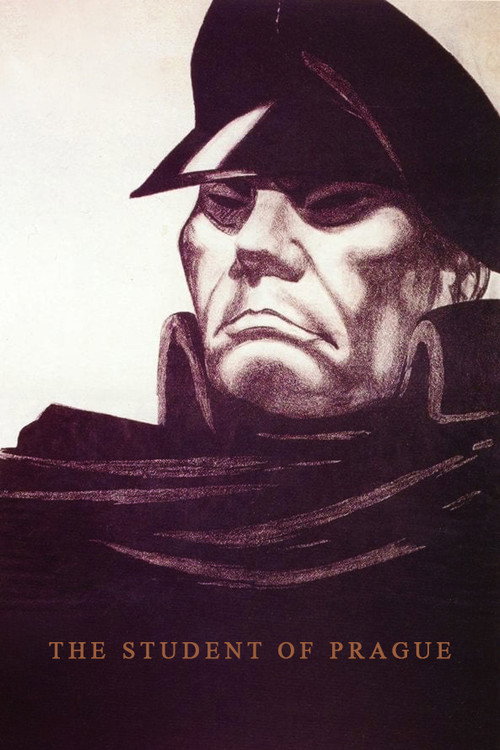
The Student of Prague1913
A proto-noir about a poor student who sells his reflection to a sorcerer. Shadowy, psychological, and interested in doubles and deception like Filibus—an ancestor of the mystery film itself.
But The plot spirals into melodrama. It's slower than Filibus, more interested in atmosphere than action. The German Expressionist influence can feel heavy-handed.
The Phantom Carriage1921
A Swedish ghost story with inventive trick photography and a moral reckoning for a brutal man. Silent cinema using visual effects not as spectacle but as metaphor.
But It's a temperance parable, which sounds insufferable. It is long and digressive. The special effects, while clever, look crude now.

The Cabinet of Dr. Caligari1920
Expressionist angles and shadows create a nightmare world where reality bends. If Filibus's masked theatricality appeals to you, this takes that aesthetic into darker, weirder territory.
But The symbolism is sometimes obvious. The acting is stylized to the point of seeming camp. It's unsettling rather than fun.

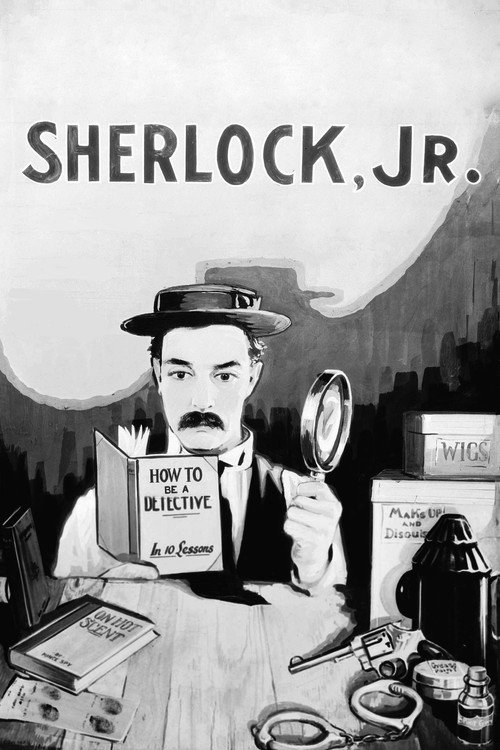
Sherlock Jr.1924
Buster Keaton as a projectionist who dreams himself into a film, solving crimes with impossible physical comedy. It's about cinema itself, full of visual gags that feel like magic.
But The plot is thin—a clothesline for stunts. If physical comedy doesn't move you, there's not much underneath. It's short, which some find dissatisfying.
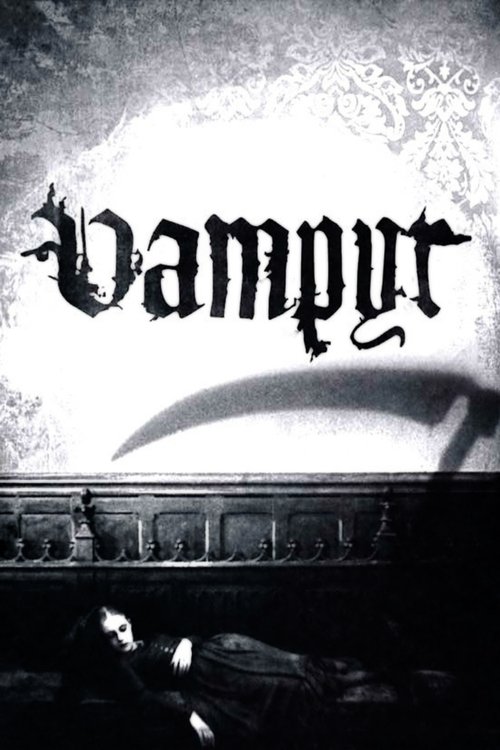
Vampyr1932
Both use disguise and deception as structural principle, but where Filibus plays disguise for charm and adventure, Vampyr uses it for dread. Both understand that the mask—literal or psychological—is the true subject.
Carl Theodor Dreyer's only genre film: a vampire story told as dream logic, where the camera itself seems haunted. Shadows move independently, reality fractures. It's eerie, hypnotic, and visually unlike anything else.
But The plot is incomprehensible if you're looking for narrative clarity. It's slow, atmospheric rather than thrilling. The sound design is deliberately weird and can feel pretentious.
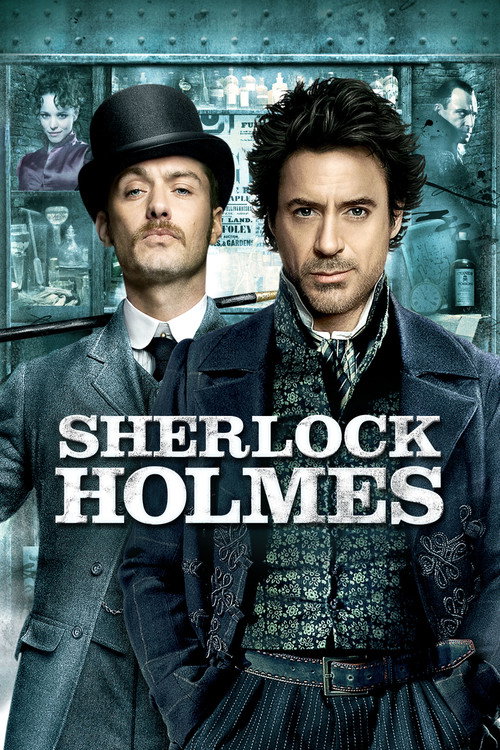
Sherlock Holmes2009
Both are heist-adjacent stories where disguise, misdirection, and costume are the real pleasures. Both treat crime as performance art. Both have a protagonist whose charm makes you forgive their deceptions.
Guy Ritchie's kinetic, witty reimagining with Robert Downey Jr. as a manic, physical Holmes and Jude Law as Watson. It's about the joy of outsmarting, with elaborate schemes and visual tricks, plus genuine affection between the leads.
But It's all surface and attitude. The plot barely holds together. If you want your mysteries solved logically rather than through style, this will frustrate you.
People
Cast
 Valeria CretiBaroness Troixmonde / Filibus
 Cristina RuspoliLeonora
 Giovanni SpanoDetective Kutt-Hendy
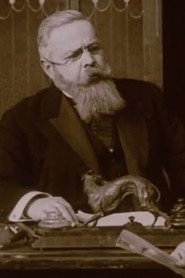 Mario MarianiPolice Magistrate
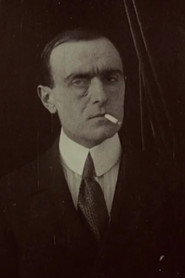 Filippo VallinoLeo Sandy
Directing
- Mario RoncoroniDirector
Writing
- Giovanni BertinettiWriter