
Film
The Ballad of Narayama
Other titles called The Ballad of Narayama: the 1958 film.
- Drama
- Very dark
- Slow-burning
Shohei Imamura's 1983 masterpiece depicts a remote mountain village where the elderly are ritually abandoned to die, exploring how love, duty, and survival coexist in a community bound by brutal necessity. Shot with unflinching beauty, it transforms ritualized death into an achingly tender meditation on family obligation and mortality. Essential cinema for those ready to sit with difficult truths.
If you liked this
Ikiru1952
Kurosawa's meditation on mortality and meaningful work resonates perfectly with Imamura's themes. An aging man confronts death not with fear but with purpose, finding grace in simple human connection and legacy.
But The pacing is deliberate and the emotional register is muted. There's no dramatic catharsis, only quiet acceptance, which some find exhausting rather than moving.

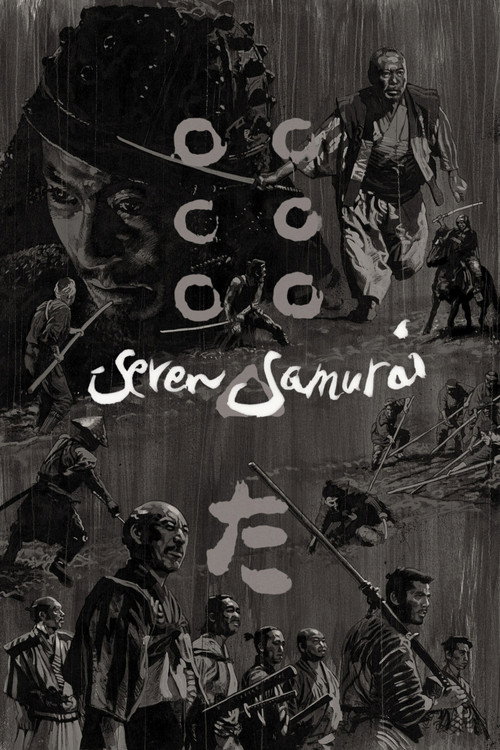
Seven Samurai1954
Both films depict communities in crisis governed by practical necessity over sentiment. Kurosawa captures how rural societies survive through collective will and personal sacrifice, themes that echo through Imamura's work.
But At three and a half hours, it demands patience. The battle sequences, however thrilling, belong to a different emotional register than what you're seeking now.
Ran1985
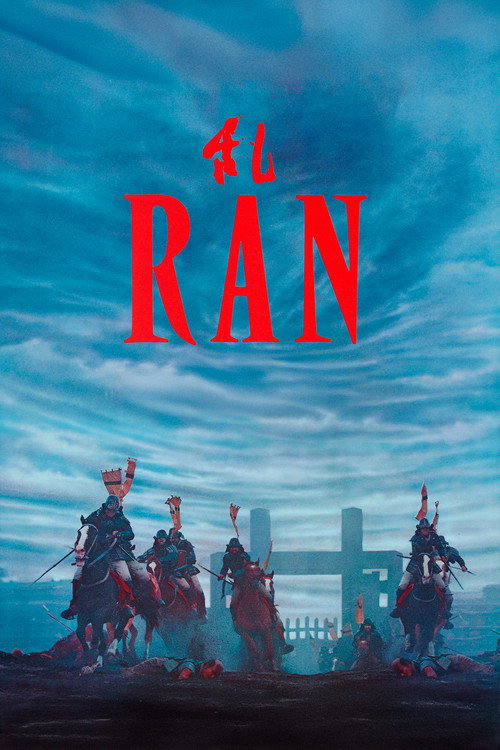
Kurosawa's final masterpiece also stages mortality and family duty as tragic imperatives. An aging patriarch's abdication triggers inevitable suffering, painting aging and legacy in shades of inevitable loss and beauty.
But It's operatic and violent, occasionally veering into melodrama. If you want restraint and quiet observation, Ran's scale and fury might overwhelm you.
Not sure tonight? Get a pick in a minute, starting from The Ballad of Narayama
The wildcard
Something you would not have found on your own.
The Seventh Seal1957
Both use ritualized confrontation with death as the framework for exploring meaning, duty, and the beauty available within necessity.
Bergman's Death personified plays chess with a knight; Imamura's elderly woman walks to a mountain to die. Both films stage mortality as ritual encounter rather than tragedy, finding ceremony and beauty in life's conclusion. The connection is structural and philosophical: both filmmakers treat death as a conversation partner, not an enemy.
But It's Swedish, philosophical, and shot in black-and-white. The allegorical mode requires patience, and the European existentialism can feel distant from Narayama's anthropological specificity.

More like this (7)
Vengeance Is Mine1979
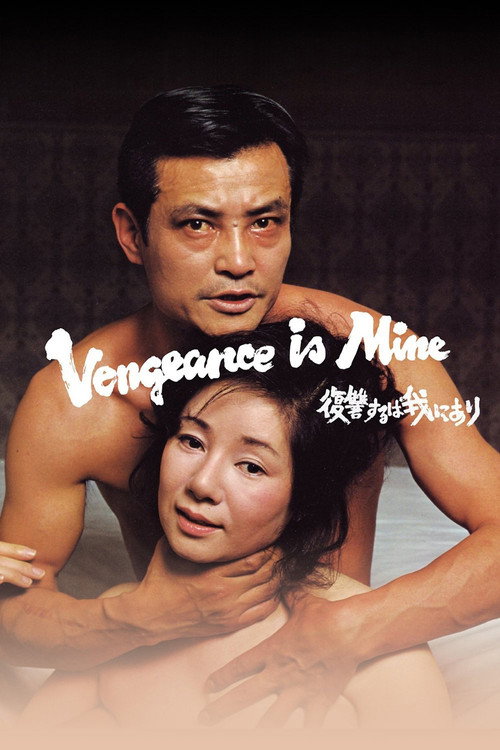
Shohei Imamura directed this too. It's equally unflinching about human nature and social obligation, following a criminal's flight through Japan with the same unsentimental eye he brings to Narayama.
But It's grim and morally murky in ways that actively repel rather than sadden. Some find Imamura's coldness here borders on misanthropy rather than insight.
Tokyo Olympiad1965
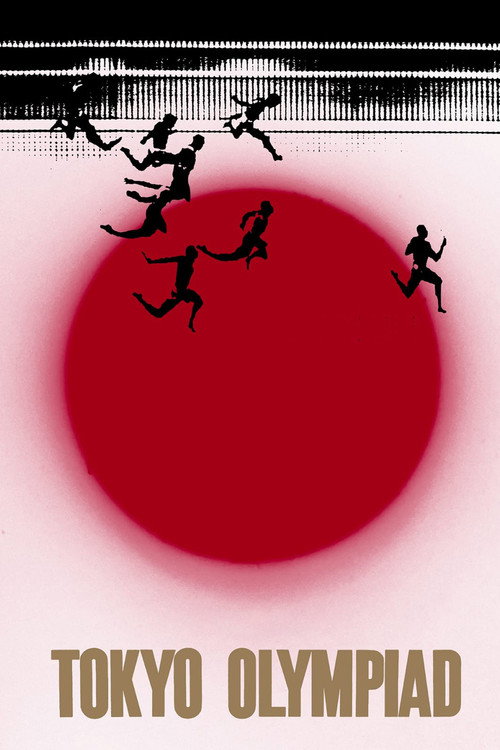
Kon Ichikawa's documentary captures Japanese society in transition with Imamura-like anthropological precision. It observes ritual, collective effort, and individual struggle within systems larger than any person.
But It's a sports documentary first. If you're expecting narrative or character development, the structure will feel loose and scattered.
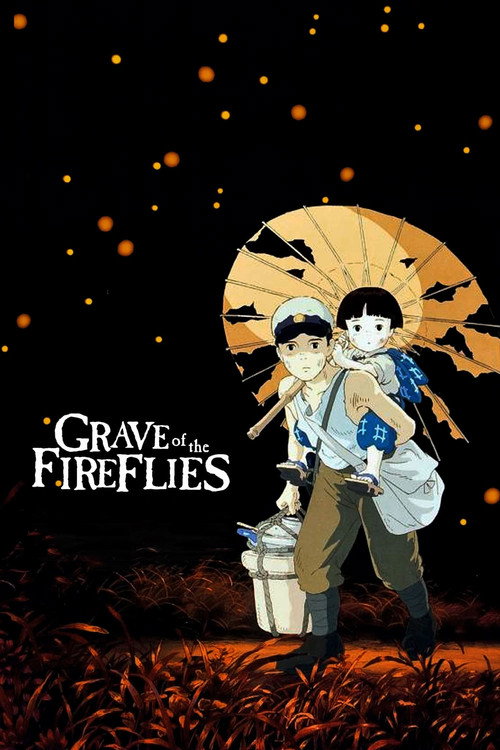
Grave of the Fireflies1988
Isao Takahata's animation film also examines survival, duty, and death with devastating tenderness. Two siblings navigate wartime Japan with the same matter-of-fact acceptance of terrible circumstance that defines Narayama.
But It's animated, which some dismiss reflexively. More importantly, it's almost unbearably sad—not meditative sad, but gut-wrenching.
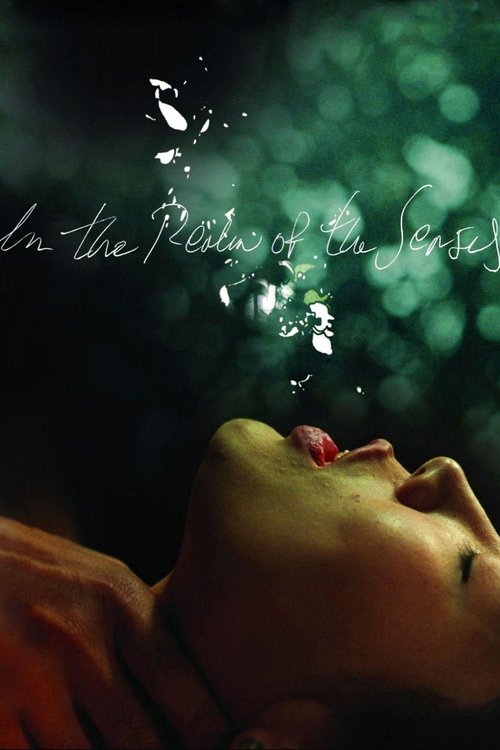
In the Realm of the Senses1976
Nagisa Oshima's controversial film shares Imamura's willingness to depict bodies and desire without shame or judgment. Both treat the human form as a text for reading society, not as exploitation.
But It contains explicit sexual content and is genuinely transgressive in ways that distract from the philosophical inquiry. That may be the entire point, but it won't be comfortable.
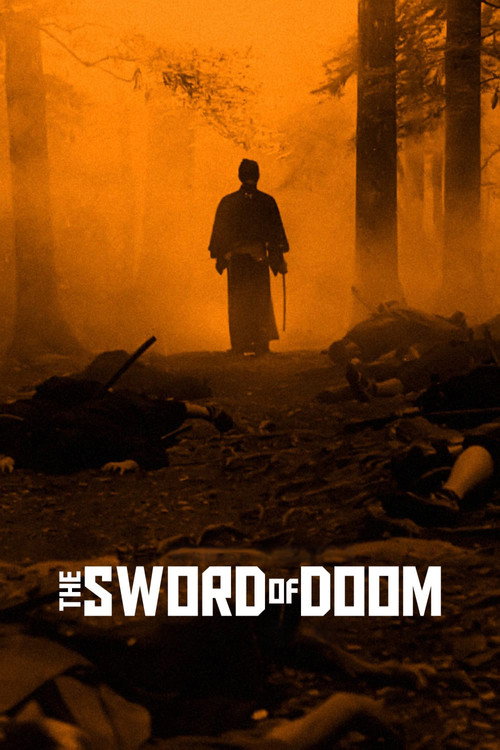
The Sword of Doom1966
Masaki Kobayashi's samurai film, like Narayama, depicts a rigid social order and the psychological cost of living within it. The visual language is stark and the moral universe unforgiving in similar ways.
But It's slower and more cryptic than Narayama, and the connection to Japan's historical moment may feel obscure without context.
Come and See1985
Both reject narrative comfort and moral simplification. Both insist that we see suffering clearly and sit with it.
Elem Klimov's Belarusian war film shares Narayama's refusal to sentimentalize suffering. A child witnesses atrocity; an old woman accepts ritual death. Both filmmakers observe cruelty and loss without flinching or preaching, transforming horror into visual poetry. The scale differs wildly, but the moral clarity does not.
But It's among cinema's most brutal films. The violence is not cartoonish; it's intimate and realistic. Narayama prepares you for difficult content, but this is a different order of difficulty.

The Act of Killing2012
Both examine how ritual and performance embed social practices—whether death, duty, or atrocity—into the community's understanding of normal life.
Joshua Oppenheimer's documentary asks perpetrators of Indonesian genocide to reenact their crimes. Like Narayama, it explores how communities normalize the unthinkable through ritual and routine. The perspective is inverted—we watch men perform monstrosity rather than acceptance—but both films investigate how ritual inscribes violence or resignation into social fabric.
But It's a modern documentary about real genocide, not a 1983 fiction film. The tonal shift is severe. And it implicates the viewer in uncomfortable ways Narayama does not attempt.

People
Cast
 Ken OgataTatsuhei
 Sumiko SakamotoOrin
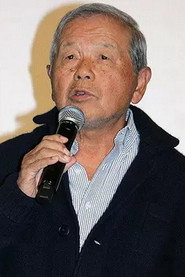 Tonpei HidariRisuke
 Aki TakejoTamayan
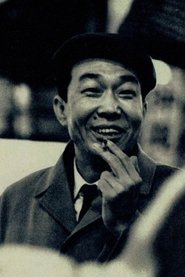 Shoichi OzawaKatsuzô
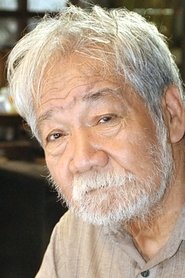 Fujio TokitaJinsaku
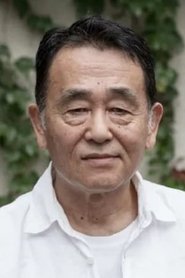 Sanshō ShinsuiZeniya Tadayan
 Seiji KurasakiKesakichi
 Junko TakadaMatsuyan

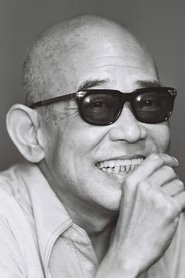 Taiji TonoyamaTeruyan
 Ben HiuraYakimatsu
Directing
- Kunio TakeshigeAssistant Director
- Nobuaki MurookaAssistant Director
- Shunsaku IkehataAssistant Director
- Takashi TsukinokiAssistant Director
- Shōhei ImamuraDirector
Writing
- Shichirō FukazawaNovel
- Shōhei ImamuraScreenplay
Production
- Jirô TomodaProducer