
Film
The Champ
Other titles called The Champ: the 1979 film.
A 1931 Depression-era melodrama about a washed-up boxer fighting to keep his son while battling his own demons. Brutally sentimental in the way only early sound cinema could be: raw, unashamed, with Jackie Cooper's performance as the devoted boy cutting through every moment. Essential viewing for understanding how cinema earned its emotional power before irony became mandatory.
Should you watch it?
Watch it if you love old-fashioned melodrama where a hard-bitten man's devotion to a child is played with unembarrassed sincerity, and you don't mind tears earned through plain, rough-edged performances.
Skip it if you find sentimental ache hard to sit through, since it leans hard on the boy's faith and the father's ruin, and its early-sound staging feels stagey and slow.
What it asks of you: Roughly an hour and a half of unhurried sentiment, with long scenes, a deliberate build, and stage-bound rhythms from the early talkie years that reward patience over close attention.
Not sure? Find tonight's pick in a minute.
If you liked this
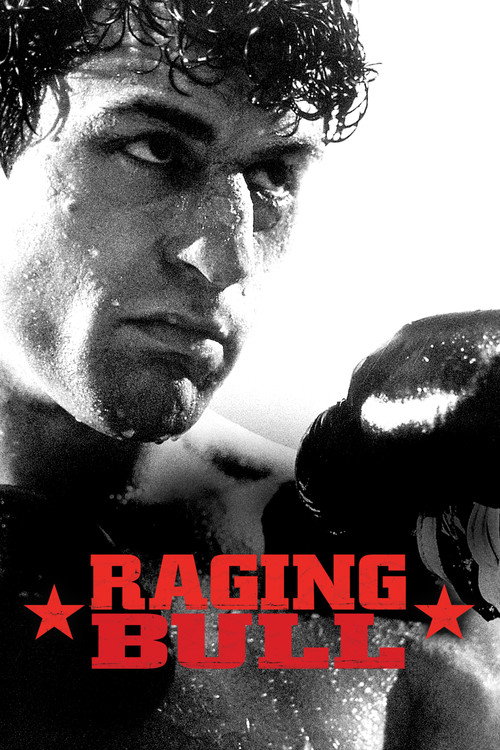
Raging Bull1980
Scorsese's portrait of boxer Jake LaMotta obsesses over the same terrain—masculine pride, self-destruction, and the violence we do to those who love us. It's heavier and more abstract, but the core wound is identical.
But Three and a half hours of punishing black-and-white cinematography and a protagonist who is almost irredeemably awful. Not a feel-good experience.
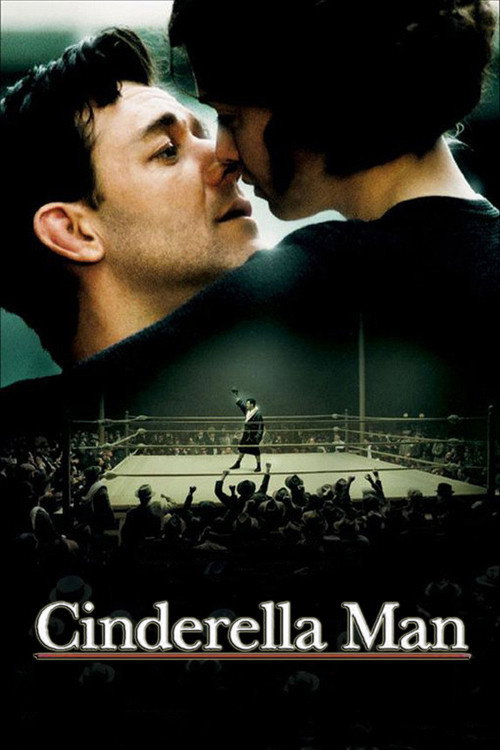
Cinderella Man2005
Russell Crowe as a Depression-era boxer fighting his way back from ruin. It has The Champ's earnestness about fatherhood and survival, with genuine period texture and a script that trusts emotion over explanation.
But Deliberately old-fashioned in a way that can feel heavy-handed. Some will find it manipulative rather than moving.
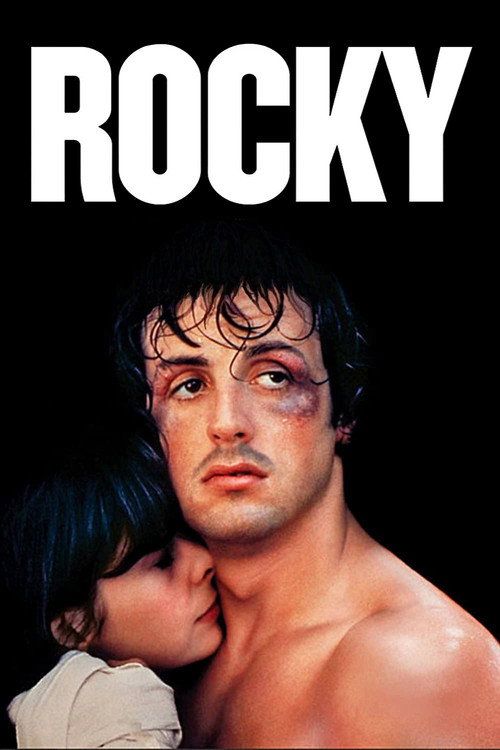
Rocky1976
The spiritual heir to this film's DNA: an underdog boxer story that's really about showing up for the people who matter. Stallone's performance is delicate in ways people forget, and the love story is central.
But If you've only seen the sequels, you might expect spectacle. The first is small, unglamorous, and slow in places.
Not sure tonight? Get a pick in a minute, starting from The Champ
The wildcard
Something you would not have found on your own.
Bicycle Thieves1948
Both films understand that fatherhood and economic desperation are not separate stories—they're the same story, and that collision is where the truth lives.
Italian neorealism about a father and son trying to recover a stolen bicycle—their livelihood, their dignity. Same emotional core as The Champ: ordinary people fighting circumstances that don't care about them, love as the only currency that matters.
But Shot on real streets with non-professional actors, deliberately anti-cinematic in its restraint. No musical score, minimal plot. The ending offers no comfort.

More like this (7)
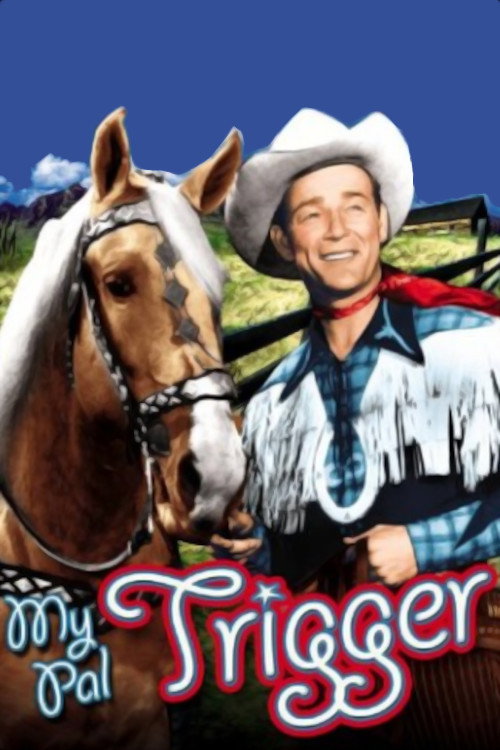
My Pal Trigger1946
Roy Rogers vehicle about a cowboy and his beloved horse, with genuine melancholy underneath the Western trappings. Same emotional architecture as The Champ: a man and a creature who loves him unconditionally.
But It's a Roy Rogers B-Western. If that doesn't appeal, the story won't change your mind about the genre.
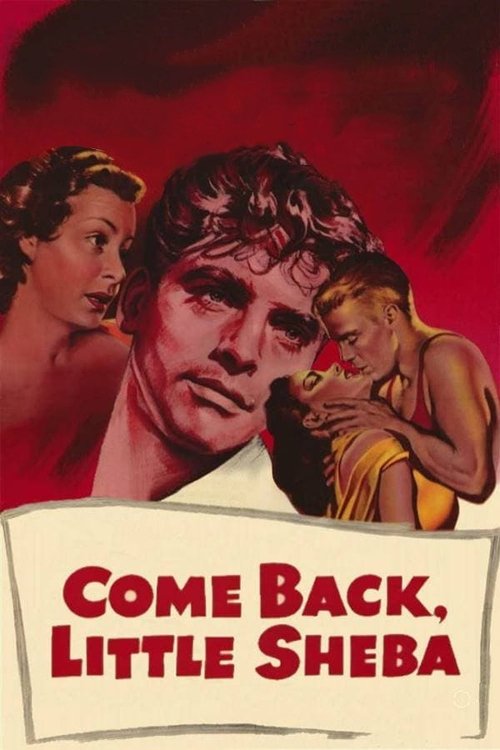
Come Back, Little Sheba1953
Burt Lancaster as a failed former athlete married to a woman he's disappointed, living small and drinking. It's The Champ's emotional hangover without the redemption—brutally honest about regret.
But Claustrophobic and bleak. This is not a film that believes in escape or easy answers.
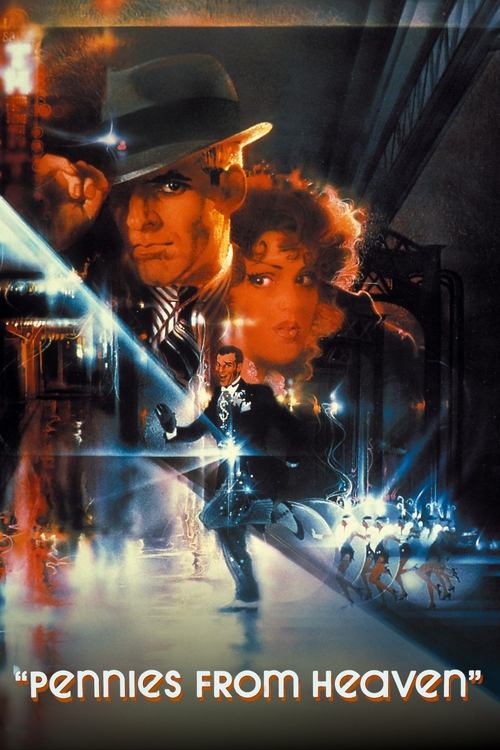
Pennies from Heaven1981
Steve Martin as a Depression-era sheet music salesman whose real life and fantasy life collide. It captures the era's desperation and the male fantasy of being needed that haunts The Champ.
But A musical with a tone that's fundamentally dark. The music is beautiful but the film is weird and sad in ways that can feel jarring.
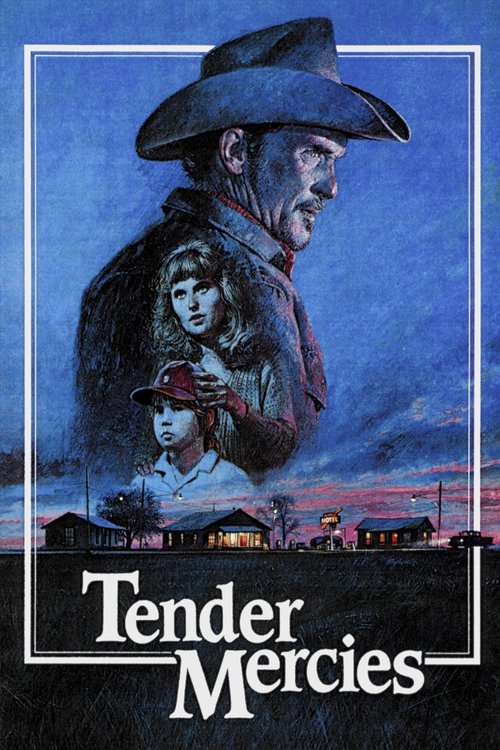
Tender Mercies1983
Robert Duvall as a washed-up country singer rebuilding his life through love and faith. Same quiet devastation as The Champ, but about redemption rather than struggle—what comes after the fight.
But Glacially paced and deeply understated. Demands patience and rewards it modestly. Not for viewers who need plot momentum.
The Killing1956
Kubrick's racetrack noir where desperation and masculine pride collide. Different genre, same Depression-era texture of men trying to save themselves and failing quietly.
But Black-and-white, complex narrative structure, and a coldness that The Champ's warmth doesn't prepare you for.

Moonlight2016
Both films trust that showing up and being seen is the entire story. Neither needs a climax—presence itself is the act.
Three-part portrait of a Black man growing up without fathers and learning to father himself. It's formally experimental and visually stunning, but the emotional engine is identical to The Champ: the desperate hunger for connection and witness.
But Minimalist dialogue, long silences, poetic rather than narrative. It moves in moods and moments, not plot beats. Takes real patience.

Ikiru1952
Both films believe that ordinary men deserve the full emotional and artistic weight of cinema. Both are unashamed about tears.
Kurosawa's masterpiece about a dying bureaucrat trying to leave something behind. It's about different stakes than The Champ but the same desperation: a man trying to matter, to have left a mark, to have loved and been loved in return.
But Three hours, Japanese, from 1952. It's meditative and slow in ways that require real surrender. Some find its philosophy sentimental rather than profound.

People
Cast
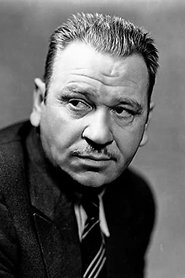 Wallace BeeryAndy 'Champ' Purcell
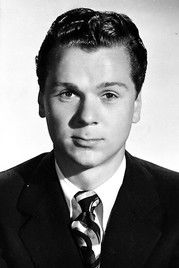 Jackie CooperDink Purcell
 Irene RichLinda Carleton
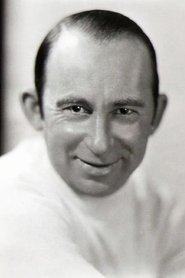 Roscoe AtesSponge
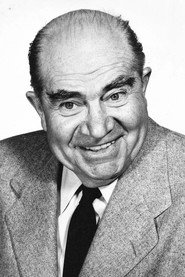
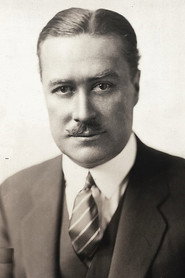 Hale HamiltonTony Carleton
- Jesse ScottJonah
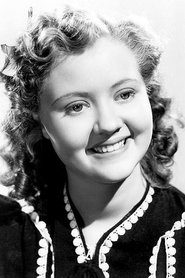 Marcia Mae JonesMary Lou Carleton
 Dannie Mac GrantBoy Taunting Dink (uncredited)
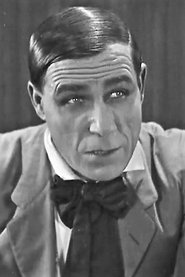 Frank HagneyMexican Champ Manuel Quiroga (uncredited)
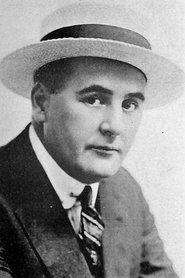 Dell HendersonThe Doctor (uncredited)
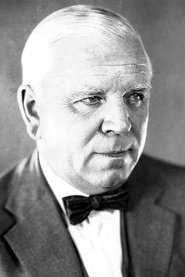 Tom McGuireLos Angeles Promoter (uncredited)
Directing
- Robert A. GoldenAssistant Director
- King VidorDirector
Writing
- Leonard PraskinsDialogue
- Frances MarionStory
- Frances MarionWriter
- Leonard PraskinsWriter
Production
- Benjamin ThauCasting
- Harry RapfProducer
- Irving ThalbergProducer
- King VidorProducer
- William Murray WeissProducer
Recommended by
Kramer vs. Kramer, Body and Soul, Boys Town, Little Miss Marker, Iron Man