
Film
The Champ
Other titles called The Champ: the 1931 film.
A washed-up boxer clings to his son and a fading dream of redemption in the ring. *The Champ* is a raw, emotional bruiser built on the father-son relationship at its core—Jon Voight and young Ricky Schroder create something genuinely moving beneath the sports-film scaffolding. It's for anyone who believes sentiment, when earned, is sacred.
If you liked this
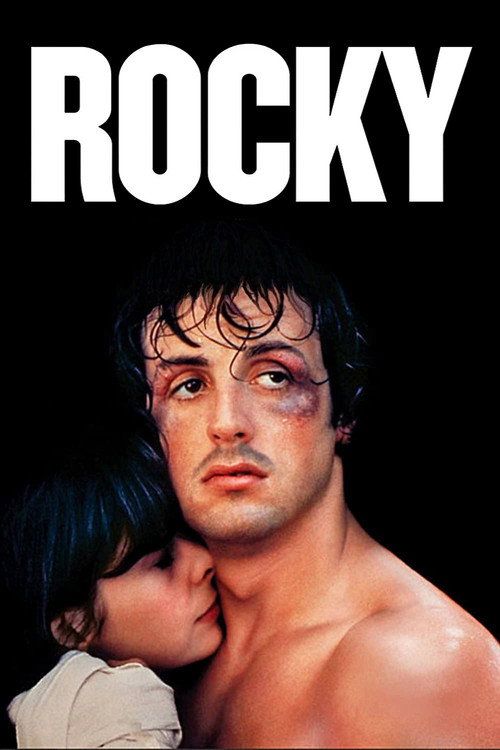
Rocky1976
The spiritual predecessor: a fighter climbing back from nothing with love as fuel. Stallone's underdog connects to Voight's desperation, but where Rocky aims upward, *The Champ* looks inward at the cost of that hunger.
But The training montages and triumphalist boxing formula feel dated now. Some will see it as guff compared to the character work surrounding it.
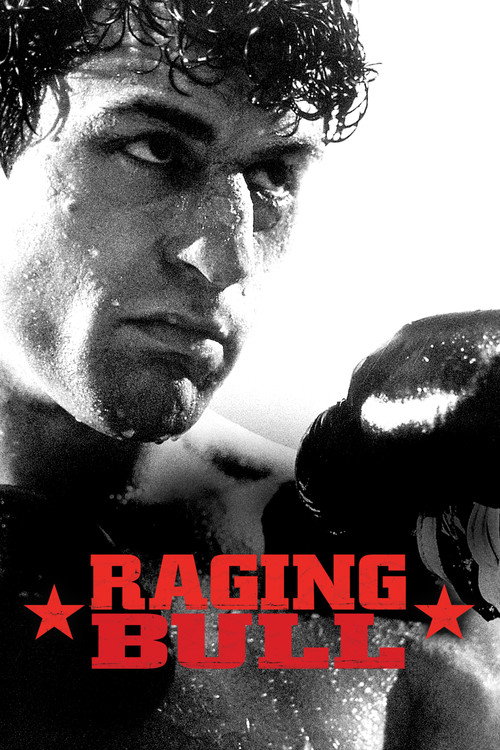
Raging Bull1980
Scorsese's unflinching portrait of a fighter whose demons live inside him, not in the ring. Like *The Champ*, it treats boxing as a language for self-destruction and the things we ruin in our wake.
But It's grueling and deliberately ugly. Black and white, violent, with no catharsis. If you want uplift, look elsewhere.
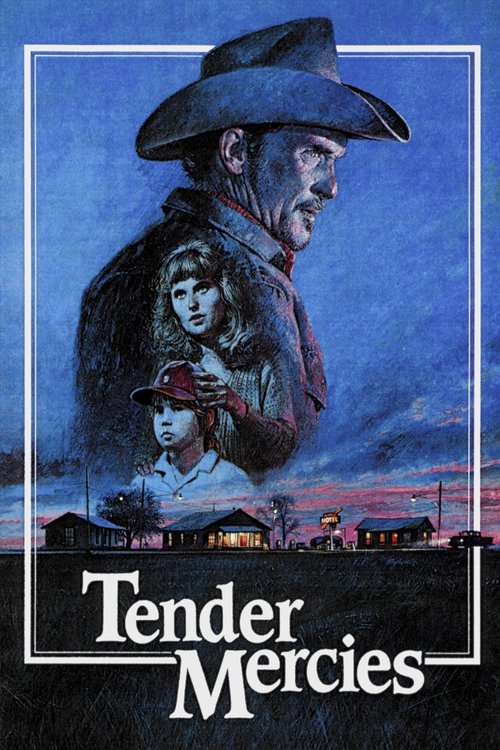
Tender Mercies1983
Another fallen man learning grace through family. Robert Duvall as a broken country singer has the same quiet devastation Voight brings here—redemption isn't flashy, it's showing up for someone else.
But It moves at a country song's pace. Nothing much happens. Some will find that meditative; others will call it slow.
Not sure tonight? Get a pick in a minute, starting from The Champ
The wildcard
Something you would not have found on your own.
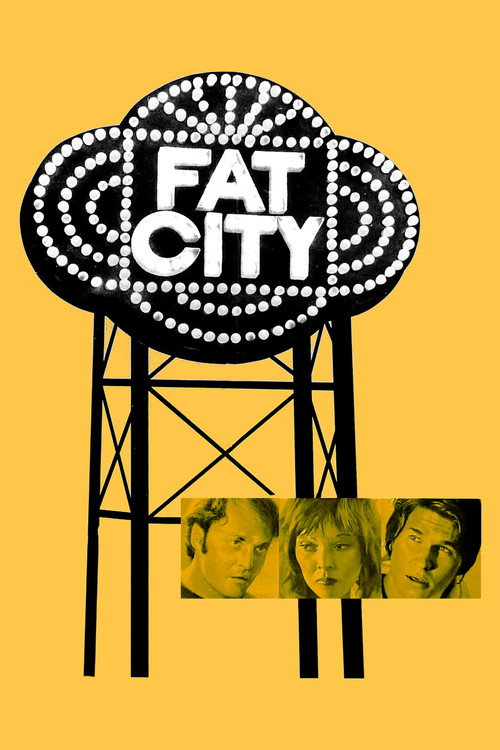
Fat City1972
Both use boxing as a language for male failure and the impossible weight of trying to matter to someone else. But where *The Champ* believes in love as rescue, *Fat City* knows it's never enough.
John Huston's masterpiece about boxing bums in California's Central Valley. No redemption arc, no son, no triumph—just men in the ring because it's all they know. It's *The Champ* drained of sentiment and all the more devastating for it.
But It's slow, unglamorous, and entirely pessimistic. The boxing is almost incidental. If you're watching for the sport, you'll be disappointed.
More like this (8)
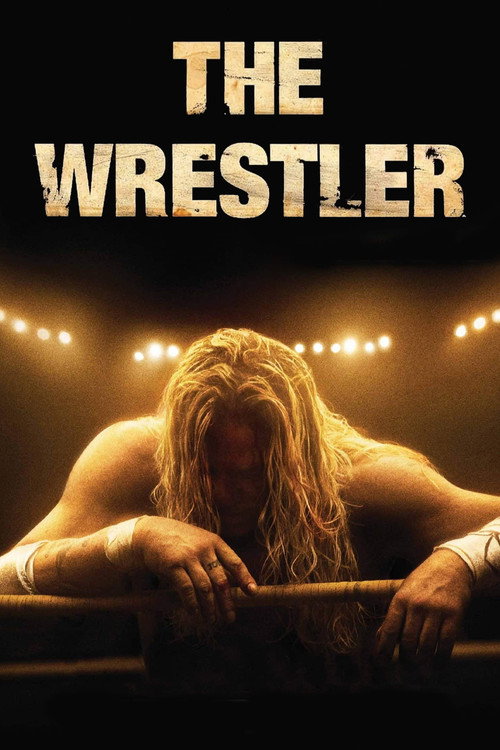
The Wrestler2008
Mickey Rourke as a broken athlete clinging to performance and his estranged daughter. It mirrors *The Champ*'s tragic architecture: the ring as escape, love as the only thing that matters, and the damage done to both.
But It's relentlessly bleak. Rourke's physical deterioration is hard to watch, and the ending refuses to provide the comfort Voight's film at least gestures toward.
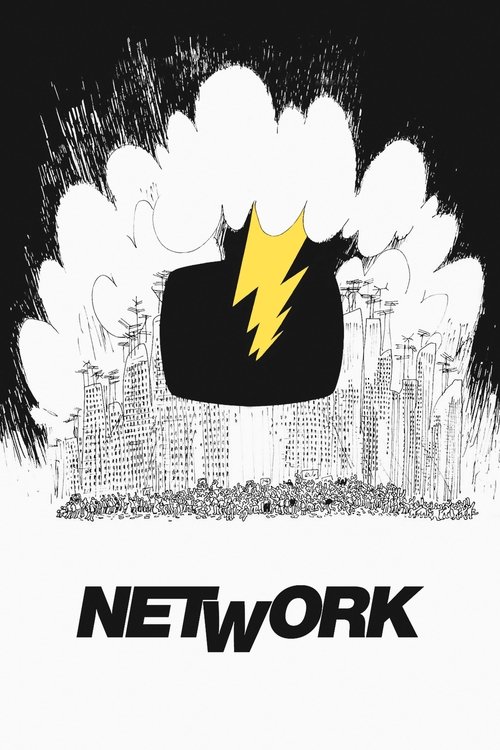
Network1976
Faye Dunaway also starred in this—she's magnetic in both, but here she plays a woman consumed by ambition. Watching her as the catalyst in *The Champ* after seeing her as a driven cyborg shows her range.
But It's a satire about television. If you're coming for the father-son story, this will feel like a detour, however brilliant.
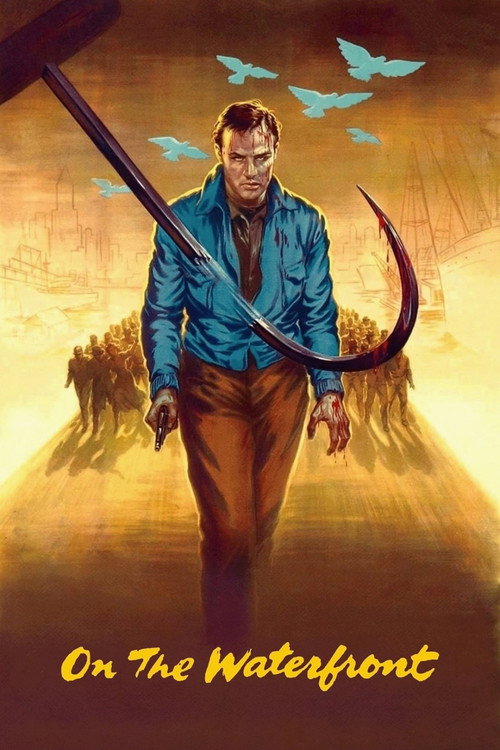
On the Waterfront1954
Brando as a broken fighter trying to do right by those he loves. Same DNA as *The Champ*: masculine vulnerability, the ring as crucible, love as the only measure of a man's worth.
But The pacing is deliberate and sometimes stagey. Black and white and decades old—it requires patience and a willingness to sit with older rhythms.
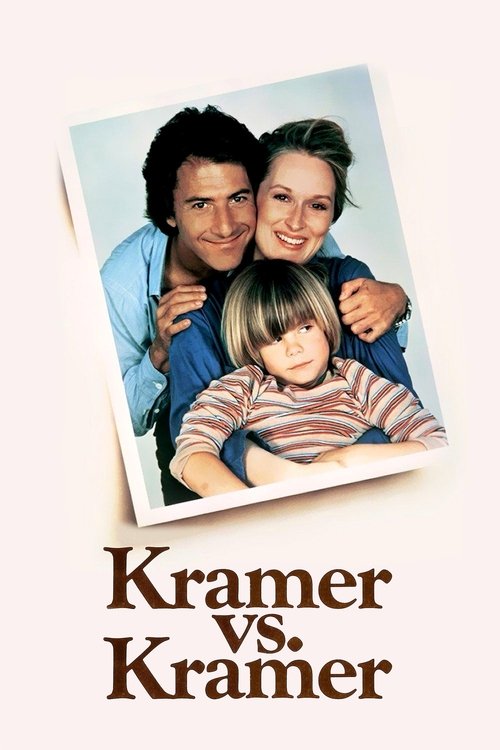
Kramer vs. Kramer1979
Released the same year, this is *The Champ*'s mirror: a parent fighting to keep their child, but stripped of boxing and sentimentality. Dustin Hoffman brings the same raw emotion Voight does.
But It's a custody drama, not an action film. The courtroom scenes can feel procedural if you're not invested in the family at the center.
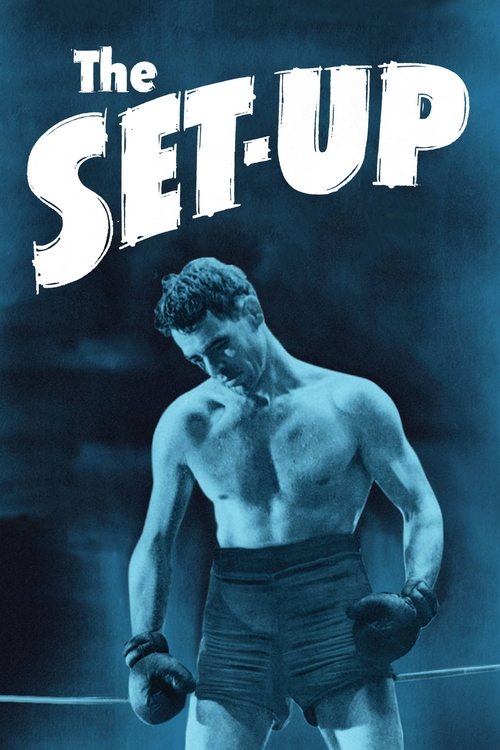
The Set-Up1949
A boxer past his prime, one last fight, everything on the line. This is noir boxing at its most economical and haunting—the spiritual grandfather to *The Champ*'s vision of the ring as fate.
But It's a B-movie in real-time, in black and white, with none of the melodrama that makes *The Champ* cathartic. Some will find it austere to the point of coldness.
The Best Years of Our Lives1946
Three men returning home from war, trying to rebuild lives and relationships. It shares *The Champ*'s faith that love, patience, and showing up matter more than winning—and it's profound about it.
But It's nearly four hours long and in black and white. The pacing is patient in ways modern audiences sometimes find punishing.

Ikiru1952
Both are about aging men realizing their worth is measured not by achievement but by what they leave behind for the young. Both earn their emotional weight honestly, and both understand that's enough.
Kurosawa's masterpiece: a dying bureaucrat searches for meaning in his last months and discovers it in an act of creation for others. Japanese, black and white, about a man learning too late that legacy matters—but it arrives in time.
But It's slow, philosophical, and entirely without the dramatic machinery of Western cinema. The story is internal. If you want plot, you won't find it here.

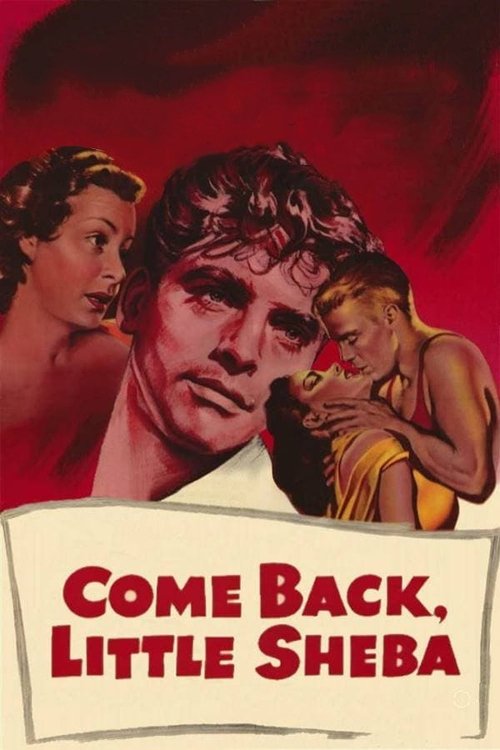
Come Back, Little Sheba1953
Both use a former fighter's decline as the frame for a deeper study of how love sustains us and how we betray it through our own damage. But *Sheba* refuses the comfort of a child's forgiveness.
Burt Lancaster as a washed-up boxer-turned-chiropractor, his marriage to Shirley Booth unraveling into routine despair. It's a quieter *Champ*—no child, no grand gesture—but the longing and regret are absolute.
But It's a chamber piece about disappointment with no arc. Nothing happens. The sadness is patient and unavoidable, and some will find that unbearable.
People
Cast
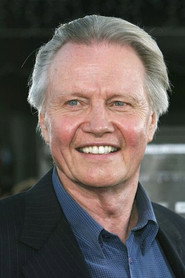 Jon VoightBilly
 Faye DunawayAnnie
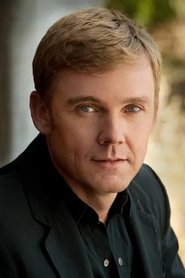 Ricky SchroderT.J.
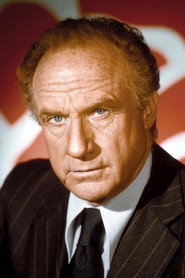 Jack WardenJackie
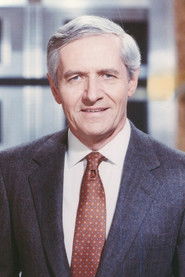 Arthur HillMike
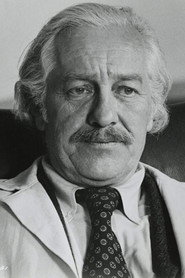 Strother MartinRiley
 Joan BlondellDolly Kenyon
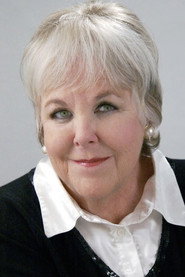 Mary Jo CatlettJosie
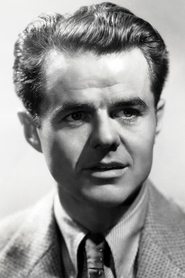 Elisha Cook Jr.Georgie
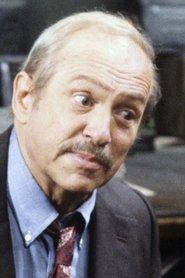 Stefan GieraschCharlie Goodman
 Allan MillerWhitey
- Joe TornatoreHesh
Directing
- David SilverAssistant Director
- Franco ZeffirelliDirector
- Doris GrauScript Supervisor
Writing
- Walter NewmanScreenplay
- Frances MarionStory
Production
- Joyce RobinsonCasting
- Sam ChristensenCasting
- Dyson LovellProducer
- Maurice VaccarinoUnit Production Manager