
Film
Thithi
- Family drama
- Slow-burning
A Kannada film about three generations of men in a remote South Indian village processing their patriarch's death through eleven days of ritual and family chaos. It's gentle, funny, and genuinely moving—a film that finds profound humanity in small moments and domestic friction. For anyone who loves character-driven stories that trust the audience to feel without being told how to feel.
If you liked this
Ikiru1952
Kurosawa's masterpiece about an aging man confronting mortality and legacy. Like Thithi, it finds depth in daily life and asks what it means to have mattered. A spiritual ancestor to what this film does.
But It's in Japanese and in black-and-white, made nearly 70 years ago. The pacing demands patience; nothing rushes.

Cinema Paradiso1988
A film about how we carry forward the people we've lost, threaded through memory and small rituals. It has Thithi's warmth and its willingness to find joy alongside grief, without cheapening either.
But It's a crowd-pleaser that wears its emotions on its sleeve. Some find it schmaltzy; it demands you meet it in its sentimentality.

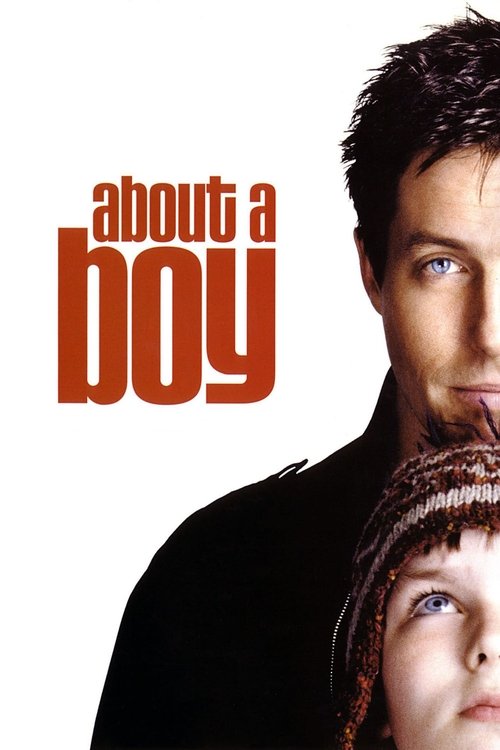
About a Boy2002
Three-generational male family dynamics, comedy that lands without punching down, and a genuine emotional core. Shares Thithi's ability to balance humor with real affection for flawed people.
But It's lighter than Thithi and bound by Hollywood structure. If you want something with more weight and formal risk, this won't scratch that itch.
Not sure tonight? Get a pick in a minute, starting from Thithi
The wildcard
Something you would not have found on your own.
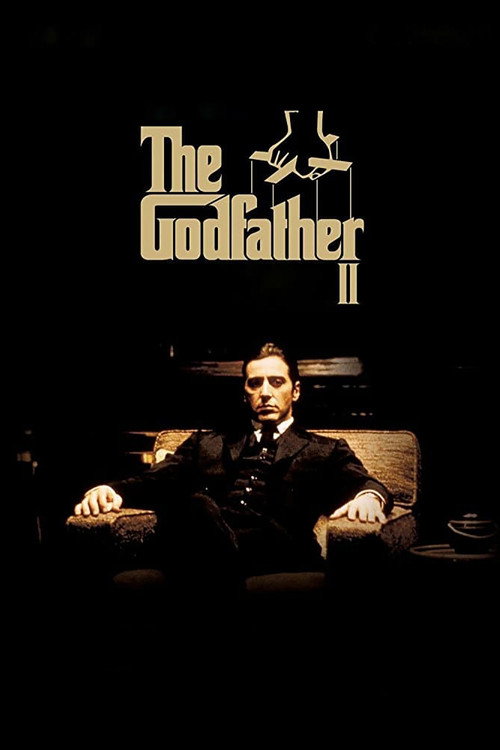
The Godfather Part II1974
Both are architectural studies of what fathers leave behind and what sons must decide to keep or burn.
The definitive film about how men pass things down and fail to—across generations, across geography, across time. Thithi does in 123 minutes what Coppola does in three hours, but the DNA is identical: legacy, loss, what gets inherited.
But It's operatic and grand; Thithi is intimate and small. This is a sprawling crime saga, not a village funeral. You're crossing continents of tone.
More like this (8)
Moonlight2016
Spare, observational, deeply felt. Like Thithi, it trusts silences and small gestures. Both films know that the biggest emotions live in the spaces between dialogue.
But It's abstract in form and demands active interpretation. There's no plot engine; you have to sit with ambiguity and mood.

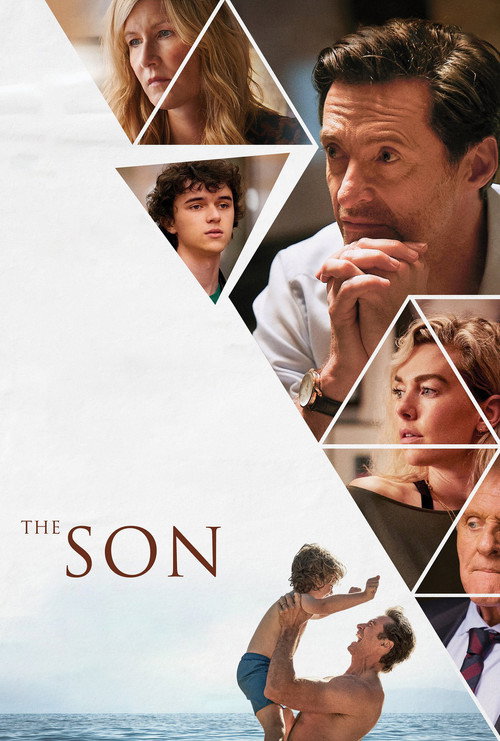
The Son2022
Florian Zeller explores family obligation, intergenerational pain, and how we fail each other across years. Thithi has similar DNA—three men, a death, what's left unsaid.
But It's claustrophobic and bleak in ways Thithi isn't. There's less light here, and the formal experiments can feel mannered.
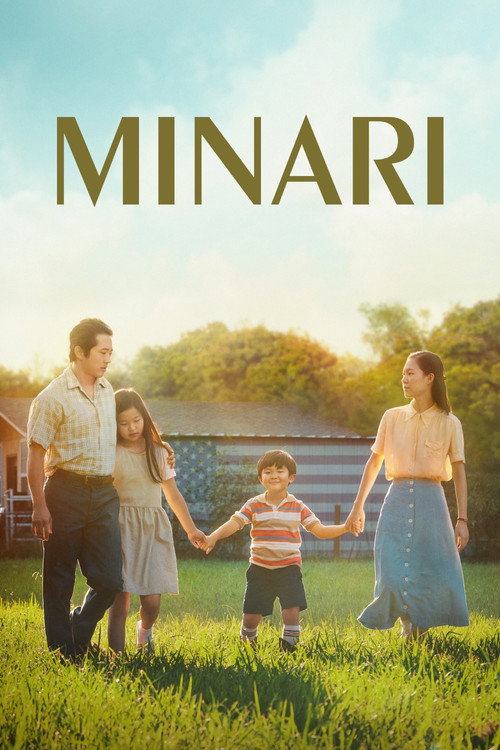
Minari2021
Another film about family and legacy, immigrant grandparents, and how rituals hold us together. It shares Thithi's observational eye and refusal to sentimentalize hardship.
But It's building toward something thematically; some viewers find it slow-moving and wish for more dramatic incident.
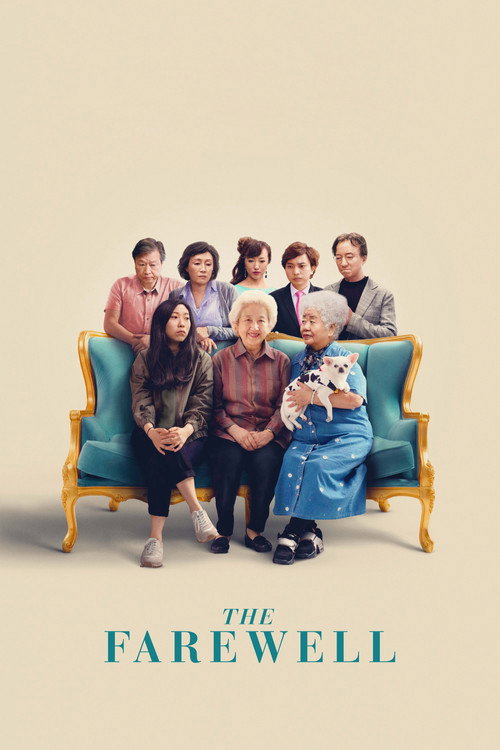
The Farewell2019
Family gathered, a death, cultural ritual, and the gap between what's said and what's felt. Tone-shifts between comedy and gravity in ways that mirror Thithi's own moves.
But It's more plot-driven and comedic than Thithi. If you're looking for something equally contemplative, this might feel a touch lighter.
Bicycle Thieves1948
Neorealism at its peak—no grand drama, just a father and son and daily struggle. Like Thithi, it finds the universal in the specific and the poor.
But It's slow, and the ending is quietly devastating. There's no redemption and no comfort, which isn't for everyone.

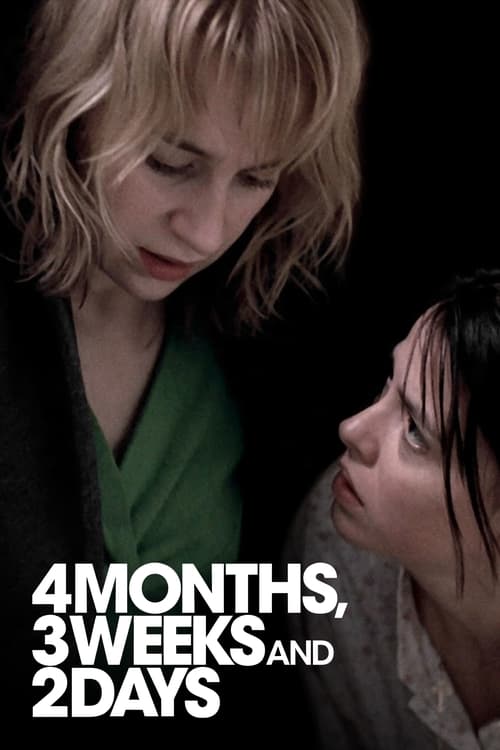
4 Months, 3 Weeks and 2 Days2007
A film that watches carefully and trusts the viewer. Formally rigorous, emotionally precise. If you loved how Thithi observes without editorializing, this takes that further.
But It's handheld and exhausting; the subject matter is dark. The long takes can feel punishing rather than meditative.
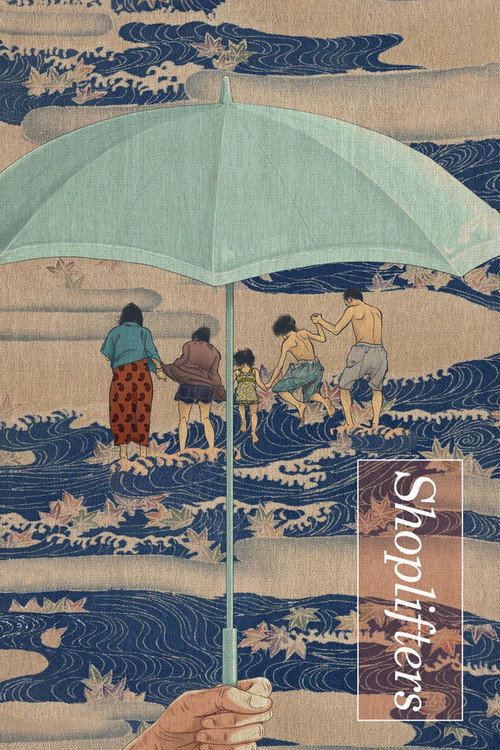
Shoplifters2018
Both films understand that family is what you make of it and that death—or crisis—reveals everything about that construction.
Hirokazu Kore-eda's portrait of a family held together by necessity and love, not blood. It has Thithi's warmth and its sharp eye for how people actually treat each other. Funny and heartbreaking in the same breath.
But It's Japanese, and it moves at its own pace. The structure is loose; there's no traditional plot arc. You have to be okay with observing rather than being driven.
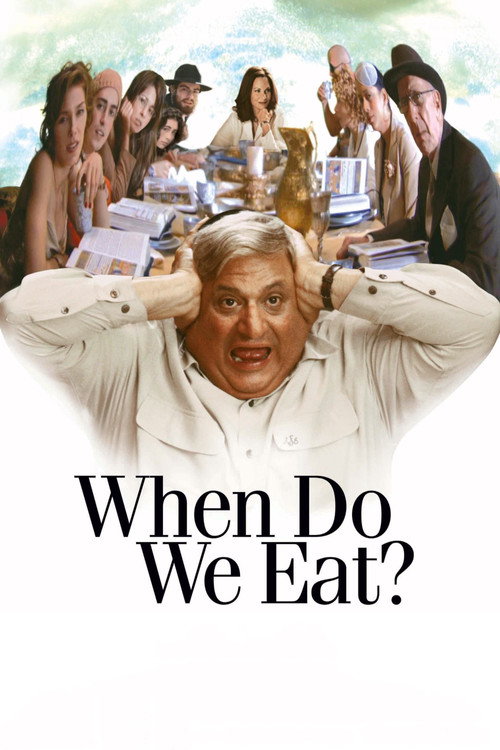
When Do We Eat?2006
Both films center on a ritual gathering and use it as a lens to watch three generations negotiate love, obligation, and what comes next.
A multi-generational Jewish family's Passover seder—the ritual, the arguments, the love underneath. It has Thithi's warmth and its comedy-drama balance. The Seder is its Thithi: ritual becomes revelation.
But It's deeply American Jewish in its reference points and somewhat dated in feel. The comedy is broad; if you want subtlety, look elsewhere.
People
Cast
- Singri GowdaCentury Gowda
- Channe GowdaGadappa
- Thamme GowdaThamanna
- Abhishek H NAbhi
- Pooja S MKaveri
Directing
- Raam ReddyDirector
Writing
- Ere GowdaScreenplay
- Raam ReddyScreenplay
Production
- Pratap ReddyProducer
- Sumnim ParkProducer