
Film
Man Who Causes a Storm
A 1957 Japanese drama about an ambitious street drummer whose brother schemes to make him a star. It's a portrait of artistic ambition, family obligation, and the price of success—taut, character-driven, and shot with a visual sophistication that makes every frame feel earned. For anyone drawn to post-war cinema exploring working-class aspiration and the corrosive effects of ambition.
Should you watch it?
Watch it if you enjoy brash, pulpy 1950s Japanese studio melodrama, where a hot-headed street drummer's ambition, a pushy sibling and the jazz scene's glamour collide in lurid, hard-edged style.
Skip it if the story is driven by a rebellious young man's appetite rather than subtle character, and its heightened, sometimes garish tone may feel overheated if you prefer restraint.
What it asks of you: A brisk hundred minutes, loud and bold in its jazz numbers and staging, it moves fast and wants you to keep up with its emotional swings.
Not sure? Find tonight's pick in a minute.
If you liked this
Raging Bull1980
Scorsese's definitive study of a man consumed by rage and the need to prove himself. Like *Man Who Causes a Storm*, it refuses to make its protagonist sympathetic, instead tracking how ambition warps everything it touches.
But It's brutal and repetitive by design—watching Jake LaMotta hurt people and himself grows exhausting. Three hours of a man you won't like very much.

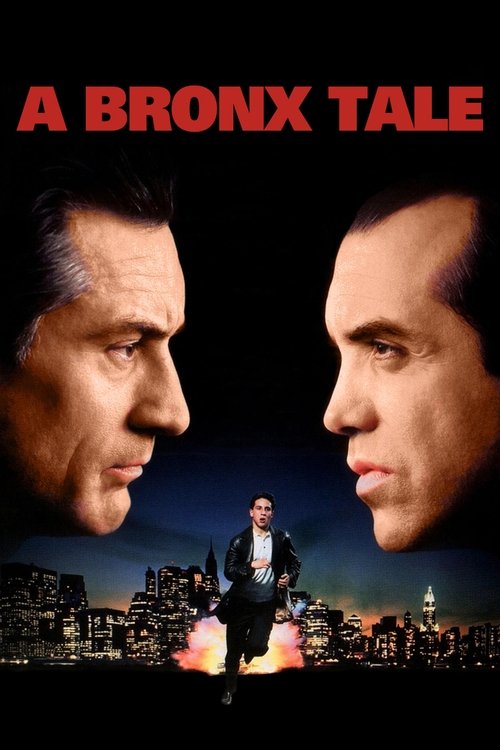
A Bronx Tale1993
A young man torn between two fathers and two worlds, trying to become something neither has shown him how to be. The same tension between street life and aspiration, family loyalty and individual ambition.
But It's warm where this film is austere, more forgiving of its characters. If you want something bleaker, this might feel too sentimental.
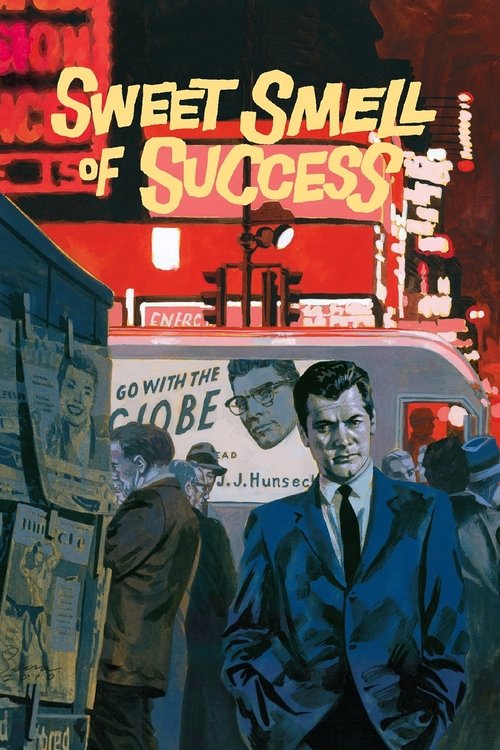
Sweet Smell of Success1957
Released the same year, another portrait of ambition destroying relationships. A manipulator and his puppet orbit each other in New York's nightlife—the jazz-world equivalent, shot with oily precision.
But It's deeply cynical and almost entirely unlikeable. The dialogue, while brilliant, can feel mannered if you're not in the mood for Shakespearean corruption.
Not sure tonight? Get a pick in a minute, starting from Man Who Causes a Storm
The wildcard
Something you would not have found on your own.
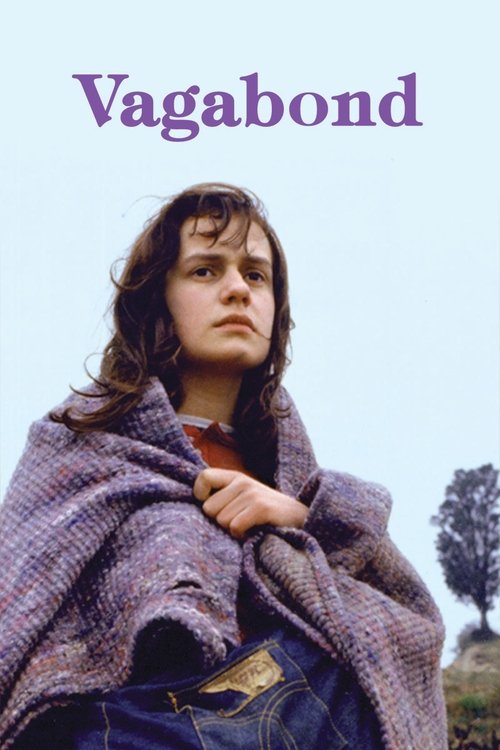
Vagabond1985
Both use narrative form and visual discipline to create distance from their subjects; sympathy is withheld not as judgment but as honesty. The surface is restrained. The damage is total.
Agnès Vardès backward narrative of a young woman's drift toward death. Like *Man Who Causes a Storm*, it refuses easy sympathy—both films watch their protagonists self-destruct with a kind of unflinching witness that feels almost cruel.
But It's structurally unconventional and deeply sad. Watching someone's trajectory in reverse means you know where this ends before you understand how they got there. Emotionally punishing.
More like this (8)
La Haine1995
French cinema's definitive statement on young men trying to escape their circumstance through force of will. Mathieu Kassovitz captures the claustrophobia and rage of wanting out, badly, with no clear path.
But It's angry and occasionally didactic. Some viewers find its moral stance heavy-handed, and the violence—while purposeful—isn't cathartic.

Tokyo Story1953
Ozu's masterpiece about generational difference and family obligation in post-war Japan. Different in tone but shares the same period, sensibility, and interest in how people fail each other quietly.
But Nothing happens. It moves at a deliberate, meditative pace. If you need plot momentum, you'll be frustrated.

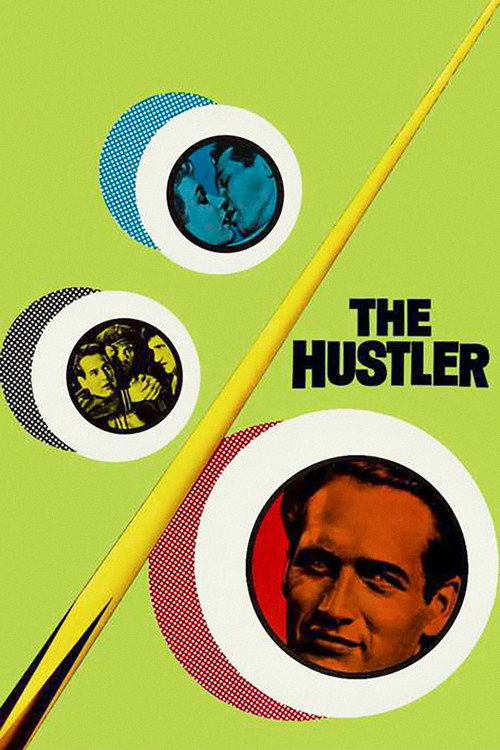
The Hustler1961
Paul Newman as a man whose talent for pool becomes indistinguishable from his need to win. It's an ancestor of *Raging Bull*—the same anatomy of a man who can't stop even when it costs everything.
But Sluggish by modern standards. The pool scenes, however well-shot, don't have immediate visual drama, and the pacing reflects that.
Bicycle Thieves1948
Italian neorealism at its height: a father's desperate, futile attempt to maintain his dignity and provide for his son. Like your film, it's about the violence that ambition and poverty commit on families.
But It's relentlessly bleak without offering catharsis or redemption. The ending, while true, leaves you stranded.

Mulholland Drive2001
Lynch's LA nightmare about ambition, performance, and the self dissolving under pressure. The same DNA: a dreamer, a city that promises everything, and the machinery that breaks them.
But It's deliberately obscure and demands active interpretation. If you need clarity, you'll leave frustrated. Some find it pretentious.

The Red Shoes1948
Powell and Pressburger's ballet fantasy about a woman destroyed by the choice between art and love. A different register entirely—vivid, theatrical—but the same core: ambition as a force that devours.
But Operatic and lush where your film is austere. The heightened style might feel too artificial if you're drawn to grounded drama.

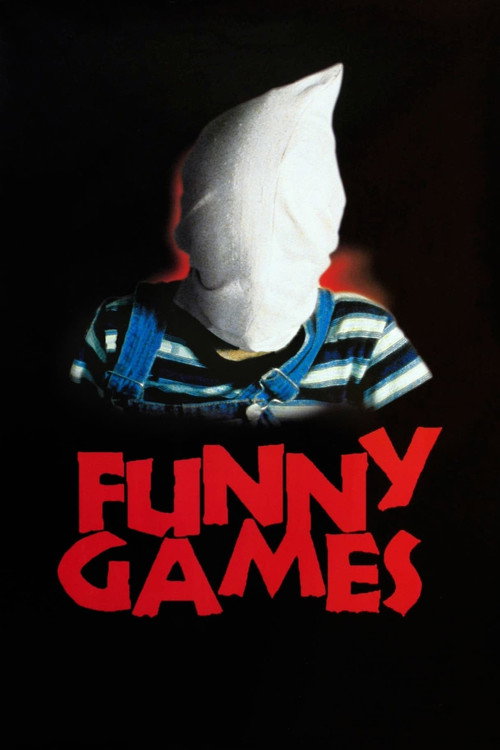
Funny Games1997
Both are films about the corrupting nature of wanting—but Haneke extends that to the audience. Your film watches a man destroy himself. Haneke watches us watch and asks what we're complicit in by looking.
Michael Haneke's chamber piece about performance, power, and the audience's complicity in violence. Like your film, it's interested in how ambition and desire become weapons—but Haneke makes the machinery visible and uncomfortable.
But It's deliberately punishing and hostile. Haneke doesn't want you to enjoy yourself. It breaks its own narrative to confront you directly. Some find it unwatchable by design.
A Prophet2009
Both track a man's ascent through his will and cunning, and both are precise about the moral cost of that ascent. Neither film judges; they observe. Both understand that success and corruption are the same transaction.
Jacques Audiard's prison thriller about a young man's rise through violence and manipulation. It's a *Man Who Causes a Storm* transplanted into the prison system—same trajectory, same machinery, but the world is smaller and the stakes more immediate.
But It's long and methodical. The French pacing and subtitles demand patience. Violence is matter-of-fact rather than cathartic, which can feel cold.

People
Cast
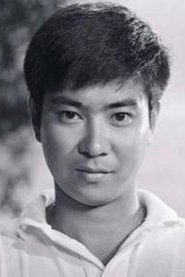 Yūjirō IshiharaShoichi Kokubu
 Kyōji AoyamaEiji, Shoichi's brother
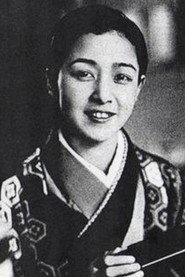 Fukuko SayoSadayo, Shoichi's mother
 Mie KitaharaMiyako Fukushima
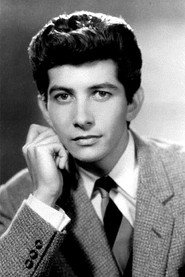 Masumi OkadaShinsuke, Miyako's brother
- Yumi TakanoAiko, Miyako's mother
 Izumi AshikawaMidori Shima
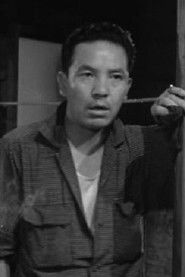 Zenji YamadaZenzo Shima
 Keiko AmajiTokiko Arima
 Mari ShirakiMary Oka, the dancer
- Toshio OidaCharlie Sakurada, the drummer
 Nobuo KanekoToru Sakyo, the critic
Directing
- Umetsugu InoueDirector
Writing
- Dai NishijimaScreenplay
- Umetsugu InoueScreenplay
Production
- Eisei KoiProducer