
Film
Pikoo
- Drama
- Slow-burning
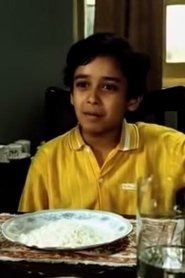
A 26-minute Bengali film following one day in the life of six-year-old Pikoo, confined within a Calcutta household while his mother conducts an affair and his grandfather lies dying upstairs. Satyajit Ray directs with crystalline attention to childhood perception—how a child processes the adult world's secrets through gesture, silence, and spatial geography. Quietly devastating.
If you liked this
Pather Panchali1955
Ray's masterpiece of childhood in Bengal, following Apu from infancy through boyhood. If you respond to Pikoo's delicate observation and the poetry of ordinary life, this is essential—it's where Ray's entire method originates.
But Nearly three hours long, shot in 1950s monochrome, and operating at a pace that demands patience. The print quality varies depending on where you find it.

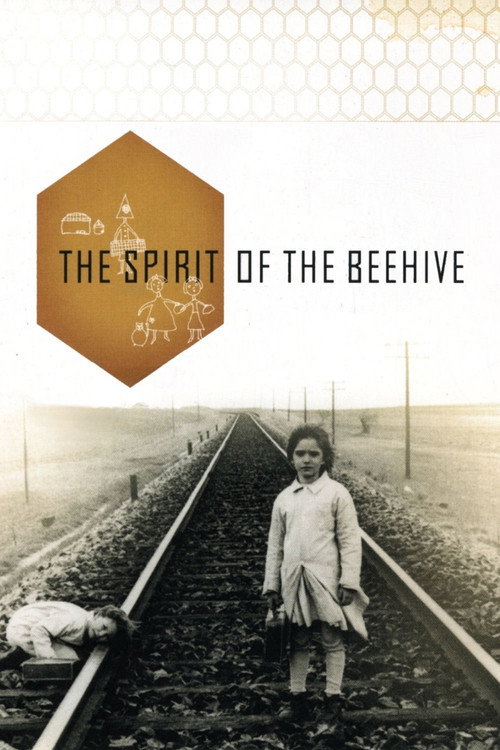
The Spirit of the Beehive1973
Víctor Erice's Spanish masterpiece about a girl processing her inner world through cinema and imagination. Like Pikoo, it's about how children decode the adult world's mysteries through fragments and metaphor, shot with luminous precision.
But Extremely slow and meditative. Almost nothing happens in conventional terms. Some find it glacial rather than contemplative.
Come and See1985
Elem Klimov's brutal Soviet film of a child's initiation into the horrors of war. It shares Pikoo's interest in consciousness—how a young mind confronts realities it cannot process—but with devastating emotional force.
But Profoundly disturbing and graphic. Not meditative like Pikoo; instead it's visceral and traumatic. Only for those ready for genuine anguish.

Not sure tonight? Get a pick in a minute, starting from Pikoo
The wildcard
Something you would not have found on your own.
In the Mood for Love2000
Both are about infidelity as household secret; both use spatial composition and the position of the observer to convey what cannot be said. Wong films the same subject from the lover's angle, in color and melancholy rather than Ray's quiet observation.
Wong Kar-wai's film about two neighbors who discover their spouses are having an affair—the adult perspective on the exact scenario Pikoo witnesses from above. Shot in jewel-toned color, obsessed with how desire moves through domestic space. Devastatingly beautiful.
But Extremely stylized and relies on mood over narrative momentum. Some find it prissy or emotionally distant beneath the visual gorgeousness. Also quite long for what little plot exists.

More like this (8)
Tokyo Story1953
Ozu's masterwork of domestic life and unspoken emotion. Like Pikoo, it finds inexhaustible depth in family dynamics, silence, and the small ruptures that define a household. The observation is microscopic.
But Japanese, subtitled, and operates on Ozu's particular rhythm—which is to say, nothing much happens and it takes time. Can feel plotless to the impatient.

Stalker1979
Tarkovsky's philosophical science-fiction film about desire and the spaces we inhabit. It shares Ray's interest in how the camera can reveal consciousness through spatial composition—rooms, corridors, the geography of longing.
But Extremely long, very slow, with minimal plot. Meditative to the point of abstraction. Demands active engagement; passive watching doesn't work.

The Seventh Seal1957
Bergman's portrait of mortality and meaning, featuring a dying grandfather figure confronting life's final questions. Shares Pikoo's interest in death as household presence, though with Bergman's characteristic existential weight.
But Heavy, symbolic, and sometimes tilts toward the theatrical. If you're not in the mood for a film about death and God, it can feel ponderous.

Bicycle Thieves1948
De Sica's Italian neorealist classic about a father and son navigating a day together in post-war Rome. Like Pikoo, it observes daily life with radical attention, finding profound emotion in ordinary detail.
But The ending is devastating in a way that can feel punishing. Also, the print and audio quality of available versions varies significantly.

L'Avventura1960
Antonioni's film about adult disconnection and the spaces between people. Like Pikoo, it's fascinated by what remains unsaid and how the camera can convey interior life through composition and silence.
But Plotless by conventional standards and emotionally cold. Some experience it as profound; others find it detached to the point of numbness.

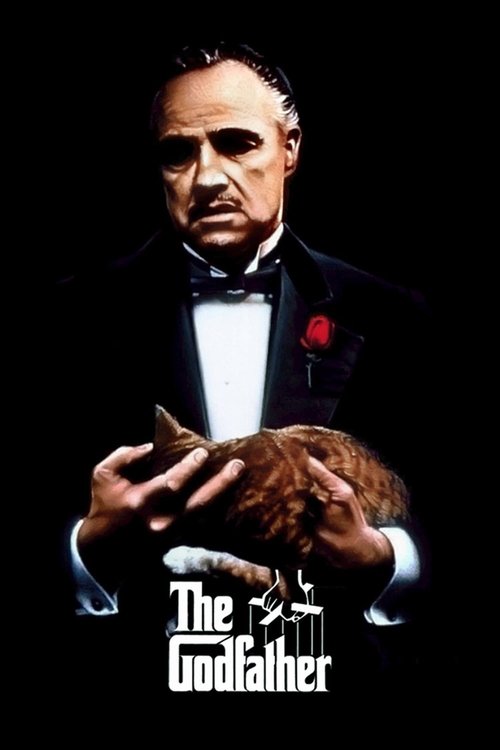
The Godfather1972
Coppola's epic of family and power, which, like Pikoo, is fundamentally about how households contain secrets and how children perceive the adults around them. Operates across a different scale but shares the DNA.
But Nearly three hours and quite violent. If you're looking for something as quiet as Pikoo, this will feel like a step into a different world entirely.
Moonlight2016
Both use childhood perception as their primary lens. Both trust silence and visual composition over explanation. Both are brief but dense with observation about what it means to exist in a body and a family.
Barry Jenkins' film about a Black boy growing up in Miami, told in three chapters across his life. Like Pikoo, it's radically attentive to how children perceive and navigate the adult world's complexities—loneliness, desire, masculinity—through gesture and light.
But Fragmented and elusive. Plot is minimal; it works entirely through atmosphere and implication. Some find it too abstract, preferring narrative clarity.

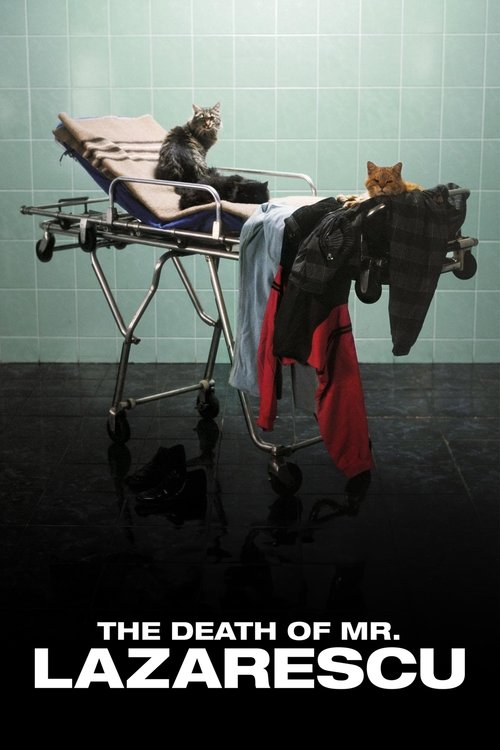
The Death of Mr. Lazarescu2005
Both are studies of immobility and how we observe life from a fixed point. Both are fascinated by the household (or institution) as a space where time moves differently. Both make profound drama from apparent stasis.
Cristi Puiu's Romanian film following an elderly man's journey through the medical system over one night. Like Pikoo, it's obsessed with confinement, physical vulnerability, and how the camera can observe without judgment. Radically patient cinema.
But Over two hours of a sick old man being shuttled between rooms. Glacially paced and deliberately unglamorous. Not everyone's idea of cinema; many find it tedious rather than contemplative.
People
Cast
 Aparna SenPikoo's Mother
- Soven LahiriPikoo's Father
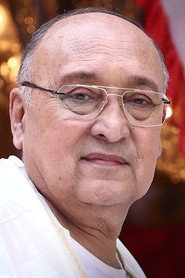 Victor BanerjeeThe Lover
 Promode GangulyPikoo's Grandfather
- Arjun Guha-ThakurtaPikoo
Directing
- Satyajit RayDirector
Writing
- Satyajit RayWriter