
Film
The Child
The Dardenne brothers' devastating portrait of Bruno, a petty criminal with a newborn he resents. Shot in grainy naturalism, it's a work of absolute moral clarity about poverty, parenthood, and the choices that trap you. Quietly furious. For anyone who believes cinema can break your heart without music or manipulation.
Should you watch it?
Watch it if you are drawn to unflinching, close-up character studies where moral failure is observed without judgment, the way the Dardenne brothers render ordinary streets and stubborn people.
Skip it if you need a story to build toward clear stakes or emotional release; this one is spare, restless and often frustrating, and it will keep you at arm's length rather than comfort you.
What it asks of you: It runs under ninety minutes and rarely hurries, following its characters handheld and closely through small errands, so you have to stay patient with long stretches of unresolved tension.
Not sure? Find tonight's pick in a minute.
If you liked this
Bicycle Thieves1948
The gold standard of neorealism: a father chasing his stolen bicycle through Rome to feed his family. That same grinding desperation, the same documentary eye, the same refusal to look away from ordinary people's catastrophes.
But Made in 1948 and shot in post-war Italy. The image quality is poor, and the pacing is deliberate. You have to meet it halfway.

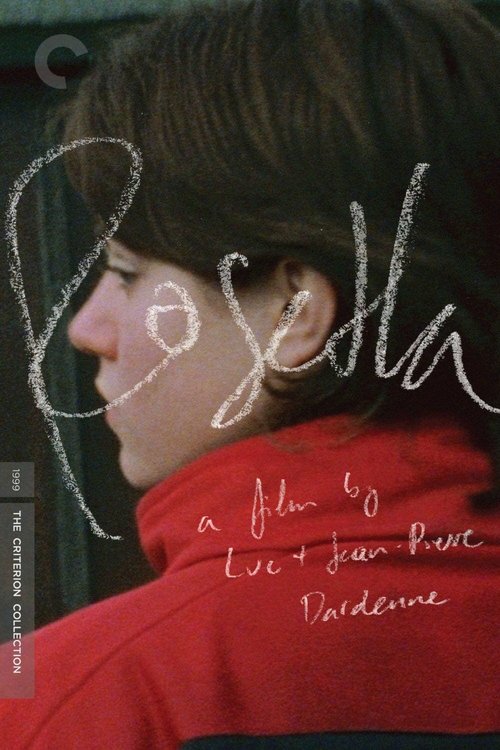
Rosetta1999
Dardenne again—their Palme d'Or winner about a teenage girl clawing for minimum-wage work in a provincial town. Hand-held, relentless, and one of the most human films ever made about rage and dignity.
But The camerawork is deliberately jerky and close. Some find it exhausting rather than immersive. No comfortable distance allowed.
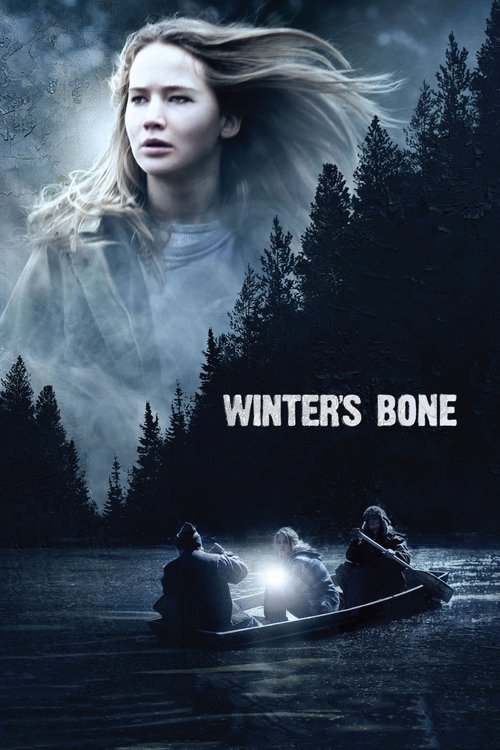
Winter's Bone2010
American echo of The Child's world: a sixteen-year-old in rural Missouri hunting her missing father to save the family home. Same unflinching poverty, same teenage protagonist bearing impossible weight, same refusal to sentimentalise.
But Slow-burn mystery. It's not trying to move fast or comfort you. The Ozarks are beautiful but bleak.
Not sure tonight? Get a pick in a minute, starting from The Child
The wildcard
Something you would not have found on your own.
Come and See1985
Both films weaponise a child's perspective to force the viewer into complicity. Both ask: what are we responsible for?
Elem Klimov's Soviet masterpiece: a boy conscripted into WWII and ground through apocalypse. Shot in saturated colour with hallucinatory intensity, it's about innocence destroyed by systems indifferent to human cost—the moral spine of The Child applied to genocide.
But One of the most traumatising films ever made. Not difficult in a rewarding way. Genuinely harrowing, particularly a sequence involving children. Some people's nervous systems will reject it.

More like this (7)
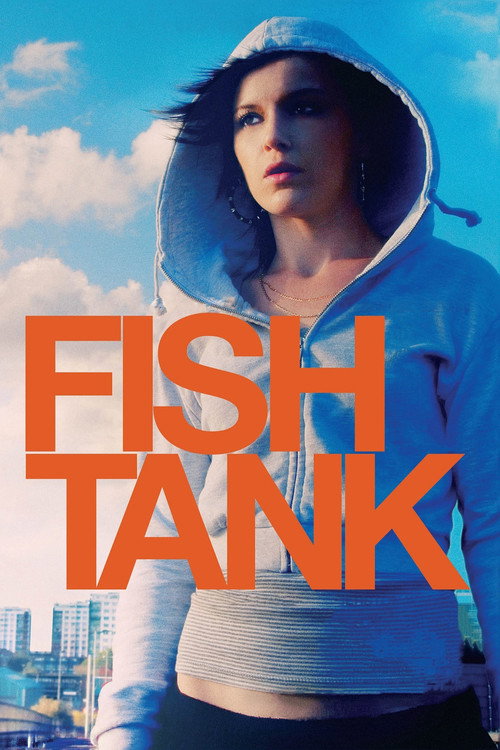
Fish Tank2009
Andrea Arnold's brutal portrait of a seventeen-year-old dreamer trapped in London's underclass. Handheld, aching, and absolutely unsparing about what poverty does to ambition and bodies.
But Graphic violence and sexual assault. It's not exploitative, but it's not soft. Deeply uncomfortable by design.
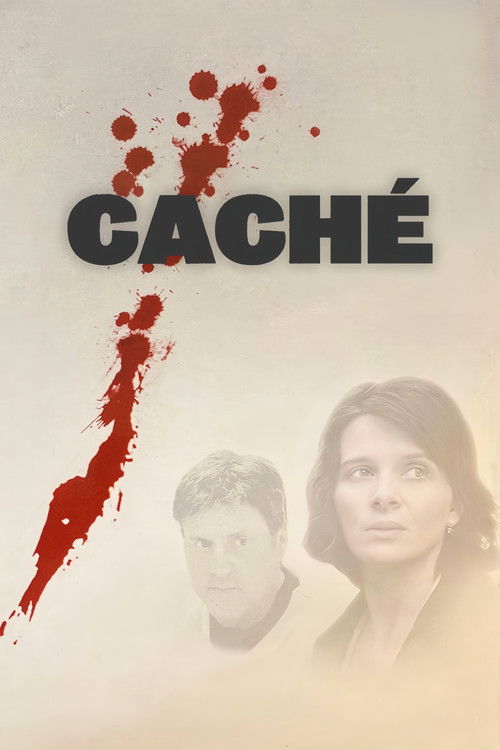
Caché2005
Haneke's masterpiece about complicity and the violence we don't see. Like The Child, it strips away sentimentality to ask uncomfortable questions about who we are when the camera stops watching.
But Deliberately ambiguous and withholding. Some find it cold. You have to be ready to do the moral work yourself.
The Florida Project2017
A children's-eye view of Florida motels where families on the absolute margins live. Beautiful and heartwrenching without being manipulative. The same poetry-in-poverty that The Child achieves.
But Bittersweet rather than cathartic. The poverty is real. The ending offers no redemption, only survival.

Kes1970
Ken Loach's portrait of a working-class Yorkshire boy training a hawk. Gentler than The Child but with the same documentary realism and the same belief that ordinary lives deserve extraordinary cinema.
But 1960s British regionalism. Slow. Working-class dialect. If you're impatient with subtlety, it will feel slow.

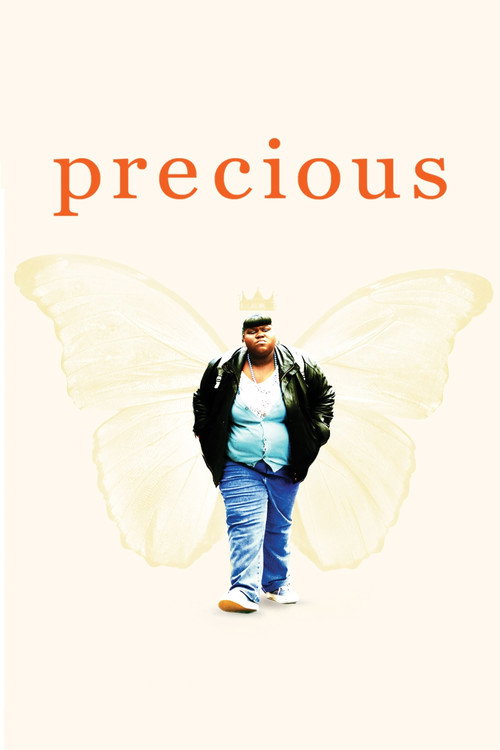
Precious: Based on the Novel 'Push' by Sapphire2009
A sixteen-year-old girl enduring poverty, abuse, and systemic indifference. Raw and invested in dignity. A different register than The Child but asking the same question: how do you survive when the world is designed to break you?
But Extremely graphic depictions of abuse and trauma. It doesn't flinch. Some will find it exploitative rather than emancipatory. Exhausting viewing.
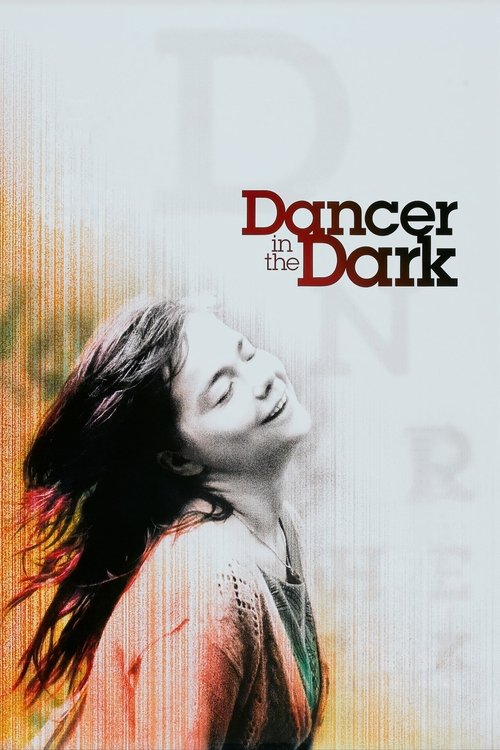
Dancer in the Dark2000
Both use form to make poverty and powerlessness visceral. Both refuse the comfort of sentiment masquerading as uplift.
Björk's only acting performance as a factory worker facing execution, told partly as a musical. Radically different aesthetic from The Child—expressionistic rather than naturalistic—but the same commitment to showing what happens when the system grinds someone into dust without mercy.
But Genuinely upsetting. The musical interludes don't redeem the tragedy; they intensify it. Some will find it pretentious or emotionally manipulative. Lars von Trier is not for everyone.
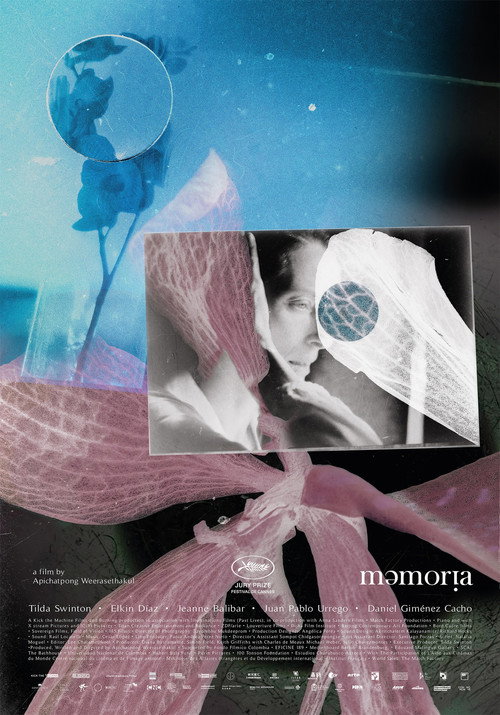
Memoria2021
Both are about characters haunted by what they cannot change, cannot fix, cannot escape. Both suggest that bearing witness is all cinema can do.
Apichatpong Weerasethakul's slow, mystical film about a woman in Colombia hearing a sound only she can hear. A completely different register from The Child—meditative, dreamlike, formally experimental—but equally committed to mortality, complicity, and the way the world erodes the self.
But Barely a plot. Long takes. Dialogue in Spanish and Thai. Demands total patience. Many will find it impenetrable or boring. It is *very* slow.
People
Cast
 Jérémie RenierBruno
 Déborah FrançoisSonia
 Olivier GourmetPolicier
 Jérémie SegardSteve
 Stéphane BissotLa receleuse
- François OlivierRemy
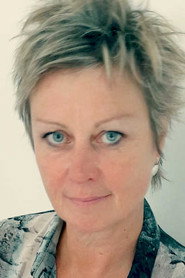 Mireille BaillyMère de Bruno
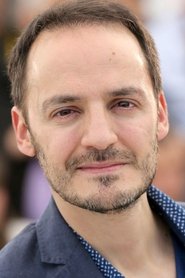 Fabrizio RongioneJeune Bandit
- Anne GerardCommerçante
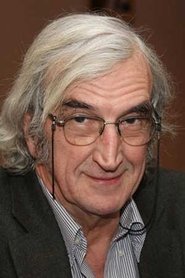 Bernard MarbaixCommerçante
- Jean-Claude BoniverdLe Policier en civil
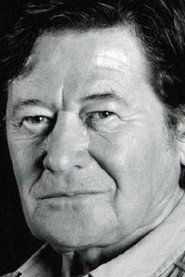 Frédéric BodsonBandit plus âgé
Directing
- Jean-Pierre DardenneDirector
- Luc DardenneDirector
- Bernard GarantFirst Assistant Director
- Caroline TambourSecond Assistant Director
Writing
- Jean-Pierre DardenneWriter
- Luc DardenneWriter
Production
- Alexandre LippensAssociate Producer
- Arlette ZylberbergAssociate Producer
- Geneviève LemalAssociate Producer
- Rémi BurahCo-Producer
- Olivier BronckartExecutive Producer
- Denis FreydProducer
- Jean-Pierre DardenneProducer
- Luc DardenneProducer