
Film
In the White City
A Swiss mechanic jumps ship in Lisbon and drifts through the city's streets and cafés, encountering a woman and a chance at connection. Alain Tanner's film is a slow-burn meditation on rootlessness, desire, and the possibility of belonging. Quietly luminous, shot like a photograph album come alive. For viewers patient with ambiguity and drawn to European cinema's gentler registers.
If you liked this
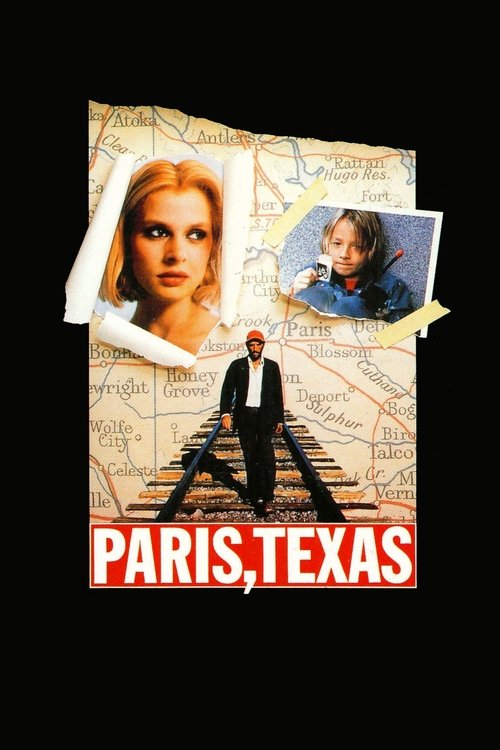
Paris, Texas1984
Wim Wenders' portrait of a man returning from the margins, searching for human connection across a fragmented landscape. Like Tanner, he builds meaning from glances and silences rather than plot.
But Extremely slow. Bleak tonal palette. The emotional payoff is oblique, never assured. Demands you meet it halfway.
Stalker1979
Andrei Tarkovsky's meditation on desire and longing in liminal spaces. A journey that's really internal. Both films treat wandering as a philosophical act, not mere circumstance.
But 172 minutes. Hypnotic but demanding. If you need narrative momentum or clear motivation, this will test you severely.

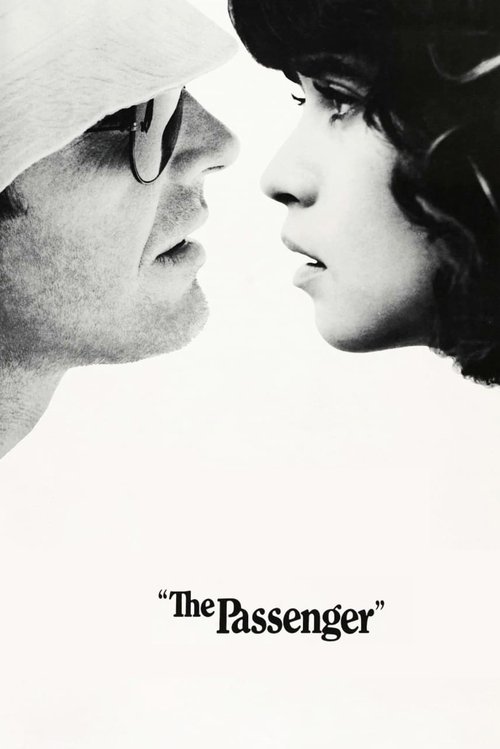
The Passenger1975
Michelangelo Antonioni's portrait of a man shedding his identity in North Africa. Both films understand that being adrift can be oddly peaceful. Filmed with the same visual restraint and attention to architecture.
But Abstract. Emotionally detached. The ending invites bewilderment rather than catharsis. Not a film about answers.
Not sure tonight? Get a pick in a minute, starting from In the White City
The wildcard
Something you would not have found on your own.
In the Mood for Love2000
Both films eroticize space itself—the city as protagonist, movement through rooms as emotional expression. Both understand that proximity without touch is its own kind of intimacy.
Wong Kar-wai's Hong Kong masterpiece about two neighbors discovering love in confined spaces. Like Tanner, Wong finds eroticism and longing in geometry—doorways, hallways, the space between two people. Lisbon's light meets Hong Kong's neon; same emotional frequency.
But Deliberately artificial and stylized. Plot is secondary to atmosphere. If you want realism or narrative clarity, the film's visual intoxication will frustrate rather than seduce.

More like this (8)
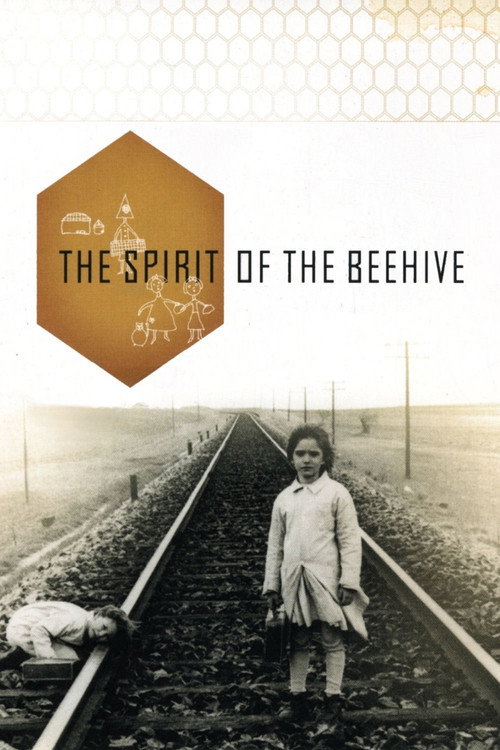
The Spirit of the Beehive1973
Víctor Erice's Spanish masterwork about a girl's interior world. Like Tanner, Erice treats the world as something to be observed and absorbed rather than explained. Tender and haunting in the same way.
But Minimal plot. Long takes of landscape. Requires patience with ambiguity and mood over narrative momentum.
A Ghost Story2017
David Lowery's meditation on presence and absence, time and displacement. A modern film with an old soul that shares Tanner's ability to find profundity in ordinary spaces and objects.
But Unconventional structure. Its core conceit may alienate you immediately. The pacing rewards patience but punishes distraction.

Hiroshima Mon Amour1959
Alain Resnais and Marguerite Duras on memory, loss, and connection between two strangers in a foreign city. Both films understand that romance need not be triumphant to be real.
But Fragmented narrative. Heavy with historical weight. The dialogue can feel mannered if you're not attuned to its rhythms.

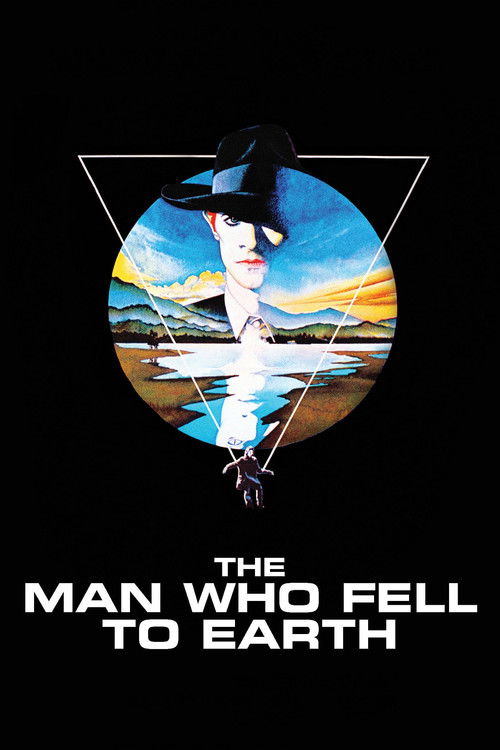
The Man Who Fell to Earth1976
Nicolas Roeg's science-fiction meditation on alienation and the difficulty of connection. A visitor to a strange world; Tanner's mechanic in a stranger place. Both capture displacement as spiritual state.
But Bewildering structure. Bleak worldview. David Bowie's performance is mesmerizing but deeply unsettling rather than reassuring.
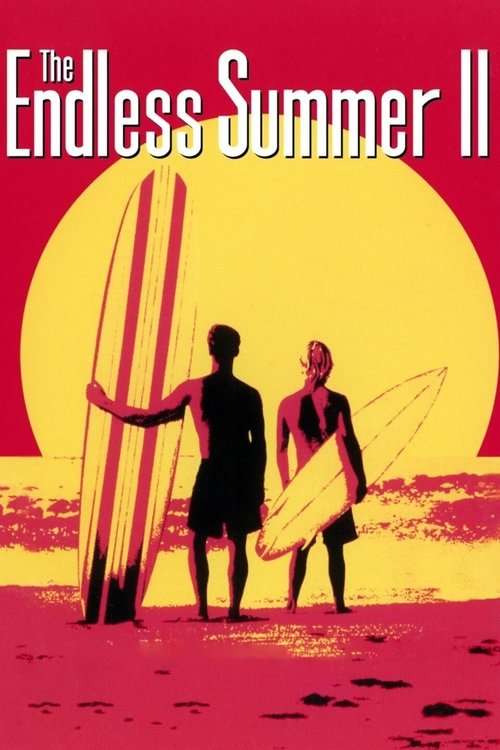
The Endless Summer II1994
Rouben Mamoulian's late-period work (actually Summer '97, but dates vary) captures fleeting human connection with grace. Sparse, observant, devoted to the textures of desire and temporary belonging.
But Obscure and difficult to find. Minimal narrative structure. The emotional register is so restrained it can feel like nothing is happening.
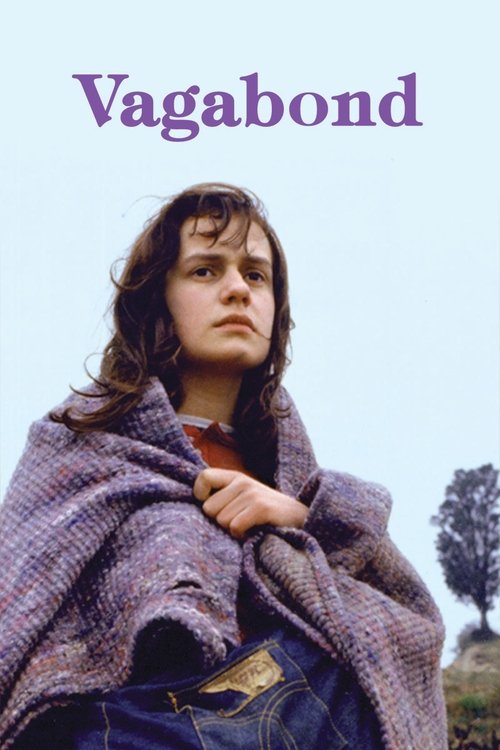
Vagabond1985
Agnès Vardès portrait of a drifter on the road. Like Tanner's film, it's interested in how someone moves through space and the people they touch. Humane observation of the marginal.
But The protagonist is difficult to sympathize with. The ending is bleak. Vardès doesn't invite you to like or understand the woman so much as witness her.
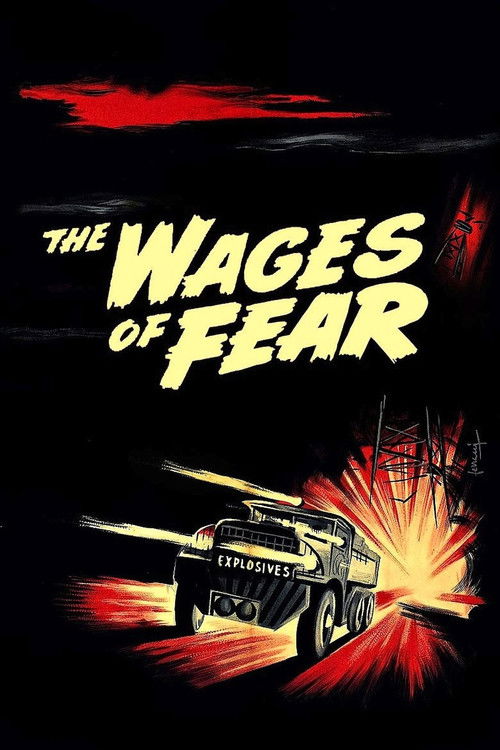
The Wages of Fear1953
Both are portraits of men in liminal spaces—neither here nor there—and what happens when desire and circumstance collide. The city (or desert) as test of self.
Henri-Georges Clouzot's brutal masterpiece about men adrift in South America, waiting for work and meaning. Tanner and Clouzot both see wandering as a condition that exposes character. Gritty, existential, grounded in physical space.
But Violent and bleak in ways Tanner never is. A pessimism that makes In the White City look hopeful. Long and grueling; tension-based storytelling that demands endurance.
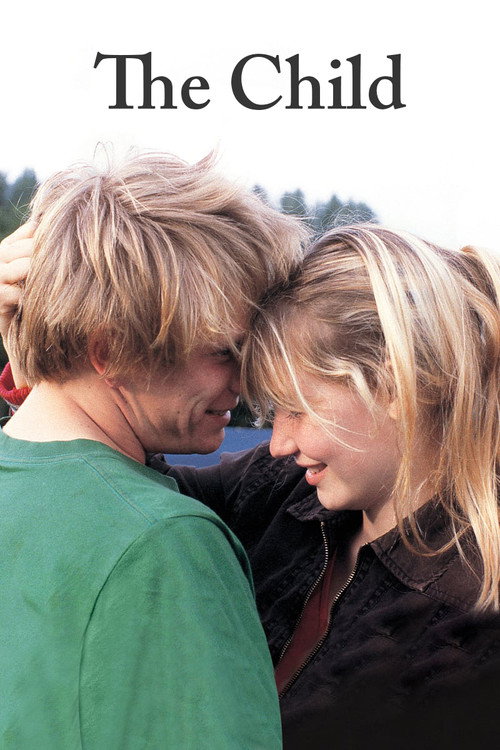
The Child2005
Both trust observation over sentiment. Both frame ordinary spaces as morally complex territories where survival and connection are never guaranteed. Neither film pities its subjects; both see them clearly.
The Dardenne brothers' Belgian film about a young father and his infant son in the margins of society. Like Tanner, they watch working-class life with unsentimental clarity and genuine affection. Shot in natural light, in real streets, with nonprofessional actors. Quietly devastating.
But Presents its world without judgment or explanation—you're not guided to feel anything. The rhythms are glacial. Some may find the flatness of affect depressing rather than moving.
People
Cast
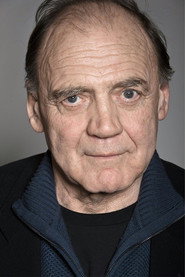 Bruno GanzPaul
 Teresa MadrugaRosa
- Julia VonderlinnÉlisa
- José CarvalhoJosé
- Victor CostaWaiter
- Francisco BaiãoThief #1
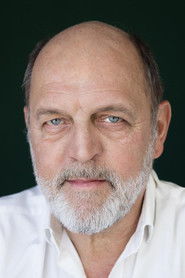 José WallensteinThief #2
 Lídia FrancoWoman at Bar
 Pedro EfeRosa's Friend
 Cecília GuimarãesWoman on Train
 Joana VicenteGirl on Train
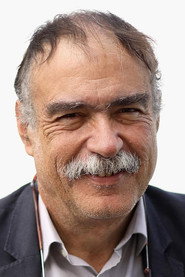 Paulo BrancoMan at Train Station (uncredited)
Directing
- António GonçaloAssistant Director
- Jean-Louis PorchetAssistant Director
- José Maria Vaz da SilvaAssistant Director
- Alain TannerDirector
- Christiane ChenevièreFirst Assistant Director
- Sophie EnderlinScript Supervisor
- João CanijoSecond Assistant Director
- João Pedro RuivoSecond Assistant Director
Writing
- Alain TannerScreenplay
Production
- Alain TannerExecutive Producer
- Paulo BrancoExecutive Producer
- Alain TannerProducer
- António Vaz da SilvaProducer
- Paulo BrancoProducer