
Film
Downstream
A 22-minute Hong Kong drama about a working man whose small accident spirals into cascading obligations and debt. Tightly wound and economical, it captures how quickly circumstances can pin someone down when they lack resources or power. For viewers who appreciate character studies that say everything in miniature.
If you liked this
In the Mood for Love2000
Wong Kar-wai's masterpiece about longing and missed connection, told through colour, geometry, and restrained performances. Visual storytelling at its most precise and affecting.
But Deliberately paced and deeply melancholic. If you need plot momentum or uplifting resolutions, this will frustrate you.

A Prophet2009
A man enters prison and must navigate brutal systems to survive and gain power. Gripping, morally complex, and structured around incremental transformation—how constraint shapes character.
But Bleak and violent. Some scenes are genuinely hard to watch, and there's no catharsis, only adaptation.

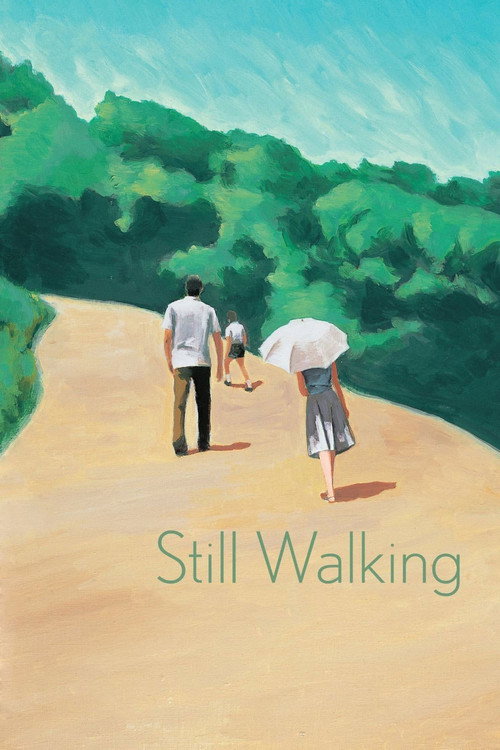
Still Walking2008
Hirokazu Koreeda's quiet film about a family visit home, where small moments and silences reveal decades of grief and obligation. Profound without announcing itself.
But Almost nothing happens. If you're looking for conventional drama or clear conflict, you'll find it shapeless.
Not sure tonight? Get a pick in a minute, starting from Downstream
The wildcard
Something you would not have found on your own.
Bicycle Thieves1948
Both trace how a single misfortune cascades into systemic powerlessness. A poor man's options narrow in real time.
An Italian neorealist classic about a man trying to recover his stolen bicycle to keep his job. It's the ancestor of every film about ordinary people trapped by circumstance. Essential context for understanding how cinema does this.
But Black and white, 1948, subtitled, and deeply sad. If you need spectacle or lightness, this austere humanism will feel like a punishment.

More like this (7)
Moonlight2016
Three acts of a Black man's life, each in a different register. Visually stunning and emotionally true, it captures how circumstance and identity intertwine.
But Elliptical and introspective. Some find it too slow; others feel the ending is incomplete.

Stalker1979
Tarkovsky's science-fiction meditation on desire, power, and what we pursue. Hypnotic and philosophical, it asks what we owe and what we want.
But Extremely long (163 minutes) and deliberately slow. Requires patience and receptiveness to abstract ideas.

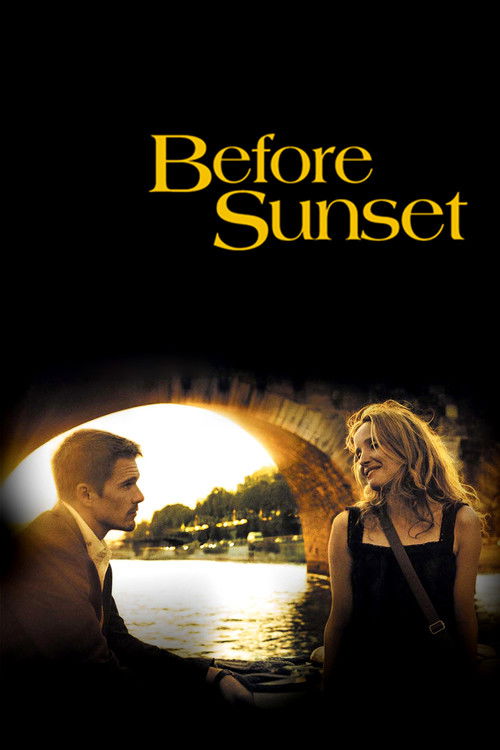
Before Sunset2004
Two people walk and talk about obligation, time, and regret. A real-time conversation that builds emotional weight through language and glances.
But Just dialogue and walking. Minimal plot; if character revelation through speech doesn't move you, you'll feel stranded.
Winter Light1963
Bergman's spare, devastating film about a pastor's crisis of faith and his relationships. Shot in greys and blacks, it's about the weight of caring.
But Religious and existential, unrelenting in its darkness. Some experience it as bleak to the point of suffocation.

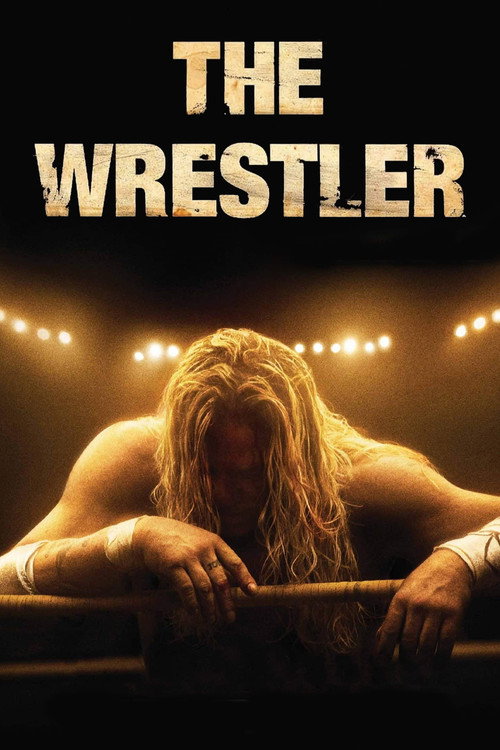
The Wrestler2008
Randy the Ram, a washed-up performer trying to reconnect with his daughter and sustain his livelihood. Aronofsky's tender, muscular study of ageing and debt.
But Repetitive by design—it mirrors the grind of precarity, which can feel wearing rather than illuminating.
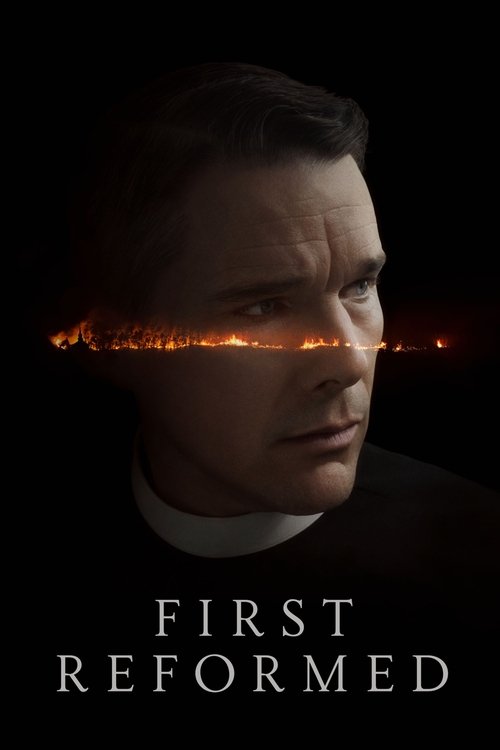
First Reformed2018
Both films use compression and constraint—visual or narrative—to express moral and existential entrapment. Small spaces, big weight.
Paul Schrader's modern masterpiece about a minister watching the world burn and wrestling with complicity. Formally inventive, spiritually anguished, and quietly devastating.
But Structurally unconventional and deeply pessimistic. Some shots hold too long; some will find it self-pitying or inaccessible.
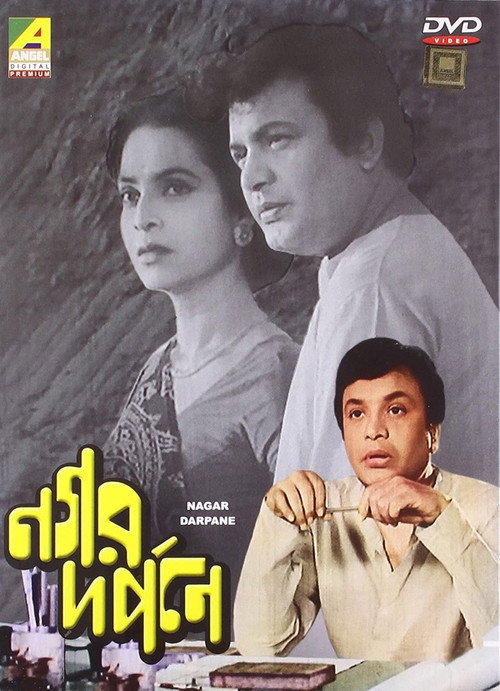
In the Mirror of the City1975
Both distrust conventional storytelling in favour of atmosphere and implication. Both suggest that consequence and entanglement don't follow neat progressions—they accumulate and recur.
Tarkovsky's fragmented, dreamlike film about memory, loss, and interconnection. Not plot-driven but tonally hypnotic—a cinema of feeling rather than incident.
But Associative rather than logical; largely wordless; constructed from images and memory rather than narrative. Requires surrender, not engagement.
People
Cast
 Cherry Ngan Cheuk-LingThe boss' daughter
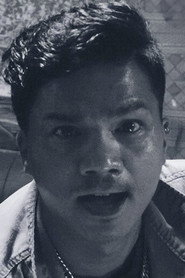 Peter Chan Bei-dakPeter
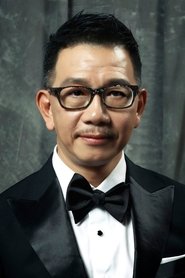 Ben Yuen Foo-wahThe driver
Directing
- Zune KwokDirector
Writing
- Fean Chung Chu-fungWriter