
Film
All or Nothing
Other titles called All or Nothing: the 2016 series (Prime Video).
- Drama
- Very dark
Mike Leigh's portrait of a south London working-class family grinding through low-wage jobs, stalled dreams, and corroded affection. Shot with documentary-like precision, it finds moments of genuine tenderness amid accumulating disappointment. Lean, patient, unglamorous—for viewers who want cinema that observes rather than explains.
If you liked this
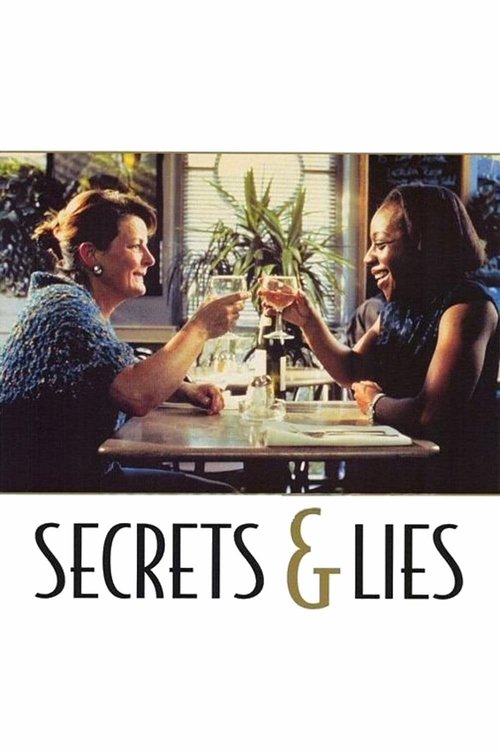
Secrets & Lies1996
Leigh's earlier masterpiece about a Black woman discovering her birth mother. Similarly structured around family rupture and the messy truths beneath polite surfaces, with even greater emotional payoff and a wider range of tones.
But Longer and less geographically rooted than All or Nothing. Some find Leigh's improvisational method meandering or precious.
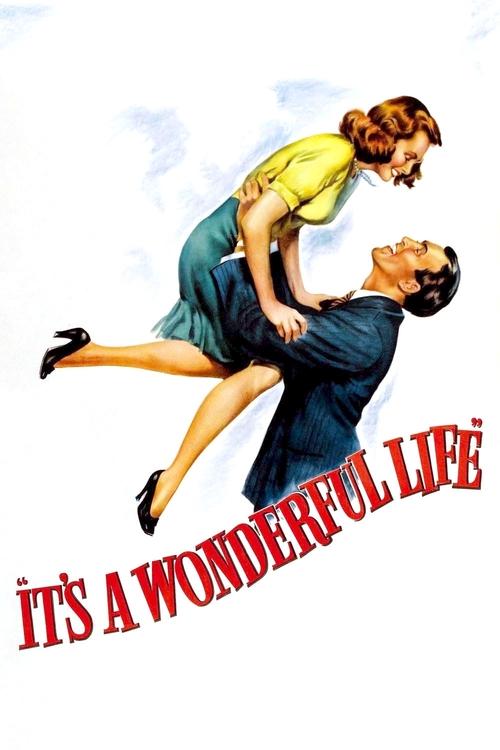
It's a Wonderful Life1946
Both films track the quiet devastation of unfulfilled potential—a man trapped by circumstance, watching others move beyond him. Capra's version has warmth where Leigh's has resignation, but the ache is identical.
But Capra offers redemption and spectral intervention. If you're watching Leigh for hardness, this gentleness might feel evasive.
Bicycle Thieves1948
Italian neorealism at its core: a father and son searching for a stolen bicycle, with no dramatic arc, just the slow crushing of dignity by poverty. The same unflinching eye on working people that Leigh inherits.
But Even slower than All or Nothing, in another language, and deliberately without a satisfying ending. Requires patience that borders on penance.

Not sure tonight? Get a pick in a minute, starting from All or Nothing
The wildcard
Something you would not have found on your own.
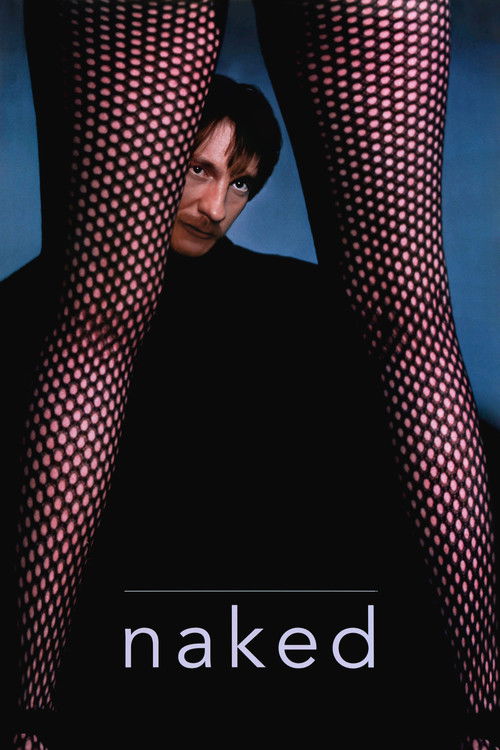
Naked1993
Both Leigh films use the working-class South London geography as a place where intelligence and decency are thwarted by circumstance, but where intelligence turns inward toward rage rather than outward toward patience.
Mike Leigh's most brutal film: a violent, brilliant man as useless as Phil, but articulate about his rage and despair. Same landscape, opposite energy—where All or Nothing is resignation, this is intellectual fury. Understand Leigh's range.
But Contains sexual violence and is punishingly misanthropic. Not bleak in a contemplative way; hostile and disgusted. Hard to sit with even for viewers who liked All or Nothing.
More like this (7)
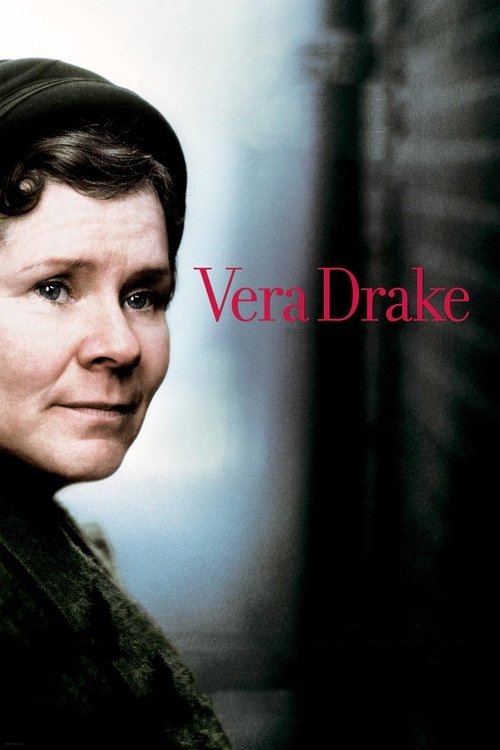
Vera Drake2004
Leigh returns to similar territory two years later with Imelda Staunton as a woman undone by her own decency. A portrait of how the world punishes certain kinds of people. Equally bleak, more focused.
But Moves toward a political argument. Some viewers find Leigh's sympathy for his characters occasionally maudlin rather than tragic.
The Farewell2019
Different milieu, same insight: family gathered under strain, affection fractured by circumstance and cultural difference, nobody winning, everyone diminished. Lulu Wang's warmth is different from Leigh's cold eye but the skeleton is identical.
But Warmer and more forgiving than All or Nothing. If you want unrelenting bleakness, the emotional intelligence here might feel like compromise.

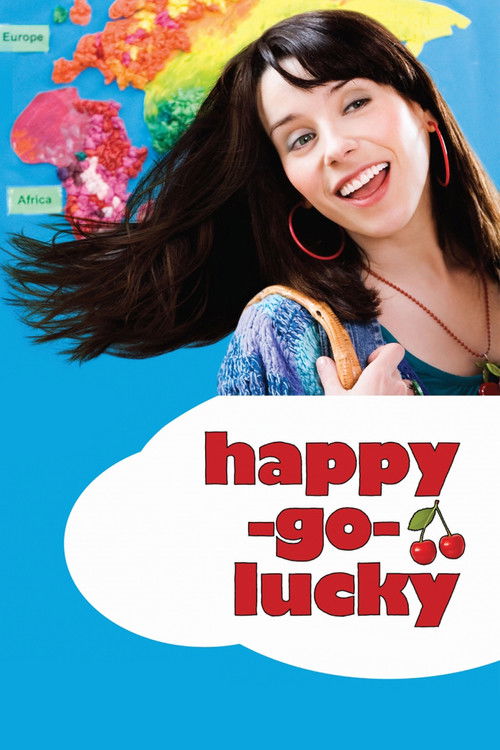
Happy-Go-Lucky2008
Leigh's counterargument to All or Nothing: a woman of incurable optimism navigating the same grey south London landscape. Not a rebuttal—a genuine question about whether temperament or circumstance matters more.
But Aggressively cheerful, which some find irritating. The optimism can feel like denial even though the film knows that too.
Under the Skin2014
A different kind of observation: Lynne Ramsay watching working lives with Leigh's precision but through a lens of psychological damage. Mothers and children, affection and failure, less social portraiture, more interior devastation.
But More formally challenging and oblique than All or Nothing. Some will find it incomprehensible without feeling it's worth the difficulty.

Stalker1979
Tarkovsky on lives narrowed by economic constraint and spiritual emptiness. Wider canvas than Leigh, science fiction rather than kitchen sink, but the same conviction that ordinariness contains tragedy.
But Glacially slow and metaphysical. A test of whether you can sit with mood and idea instead of story.

Mulholland Drive2001
Both films are about people who don't break—they continue existing in smaller and smaller spaces. One watches a family accept shrinkage; one watches a woman's psyche fracture under it. Same outcome, opposite textures.
Released a year before All or Nothing, Lynch's film is its mirror image: a woman undone by aspiration and delusion rather than absence of it, a different emotional register (dreamlike, erotic, paranoid) for the same experience of modern failure and disintegration.
But Formally experimental and deliberately obscure. Where Leigh is transparent about what he's showing, Lynch hides it. Some viewers will find it pretentious or simply baffling.

The Turin Horse2011
Both films concern characters who have already lost. Where All or Nothing watches the machinery of that loss in real time, Tarr watches what remains afterward: the rituals people perform when every meaningful thing is over.
Béla Tarr's final film: an old man and his daughter at the end of narrative, eating potatoes and watching the light fail. Mythic and austere where Leigh is mundane and specific, but identical in subject: the exhaustion of getting through a day without hope or surprise.
But Aggressively intellectual and slow to the point of deliberate tedium. Black and white, repetitive, willfully bleak rather than humanistically observed. A film about cinema ending, which is a lot to ask of a viewer.

People
Cast
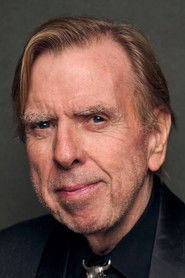 Timothy SpallPhil
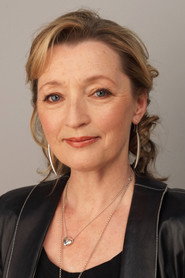 Lesley ManvillePenny
 Alison GarlandRachel
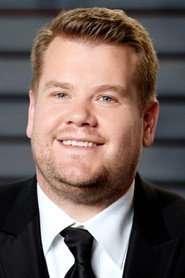 James CordenRory
 Ruth SheenMaureen
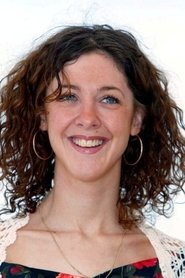 Helen CokerDonna
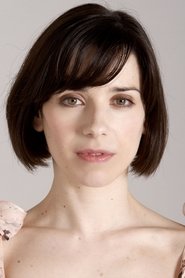 Sally HawkinsSamantha
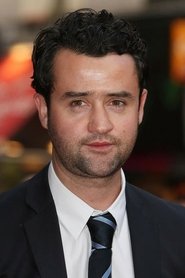 Daniel MaysJason
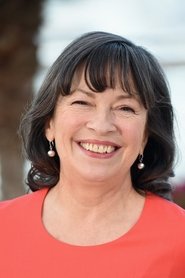 Marion BaileyCarol
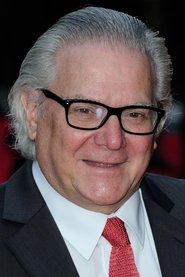 Paul JessonRon
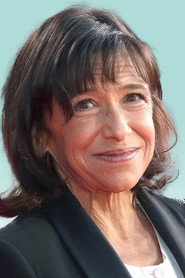 Kathryn HunterCécile
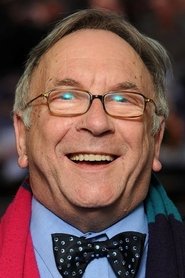 Sam KellySid
Directing
- Lyndsay BullockAdditional Third Assistant Director
- Mike LeighDirector
- Josh RobertsonFirst Assistant Director
- Heather StorrScript Supervisor
- Dan JohnSecond Assistant Director
- Hannah TitleySecond Assistant Director
- Jo SheehanThird Assistant Director
- Lucy WhittonThird Assistant Director
Writing
- Mike LeighWriter
Production
- Justin MillerAssistant Accountant
- Henry WoolleyAssistant Location Manager
- Nina GoldCasting
- Pierre EdelmanExecutive Producer
- Georgina LoweLine Producer
- Neil LeeLocation Manager
- Alain SardeProducer
- Simon Channing WilliamsProducer
- Deborah ReadeProducer's Assistant
- Will TylerProduction Accountant
- Danielle BrandonProduction Coordinator
- Darren PriceProduction Runner
- Jonathan RutterPublicist
- Steve MasonUnit Manager