
Film
Colossal Youth
- Social drama
- Slow-burning
A 2006 Portuguese film following a 75-year-old Cape Verdean immigrant adrift between the slum where he built his life and the housing project where the government has relocated him. Shot in long, unhurried takes, it's a meditation on displacement, memory, and the quiet devastation of erasure. For viewers who find beauty in patience and accept that cinema can be about presence rather than plot.
If you liked this
Bicycle Thieves1948
The foundational film about ordinary people facing systemic indifference. Like Colossal Youth, it finds profound humanity in economic displacement and watches how people navigate a world that doesn't care about them.
But It's Italian neorealism from 1948—handheld, grainy, and the pacing assumes you're willing to sit with sadness for two hours without resolution.

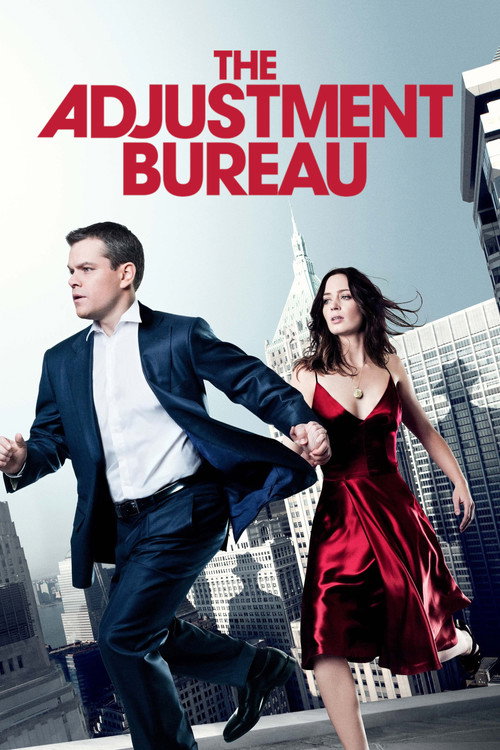
The Adjustment Bureau2011
A man tries to reconnect with someone from his past while mysterious forces work to erase his old life. Though far more plot-driven, it shares the haunting question of whether we can truly hold onto what once mattered.
But It's a slick thriller with Matt Damon. If you want Colossal Youth's meditative slowness, you'll find this frustratingly eager to entertain.
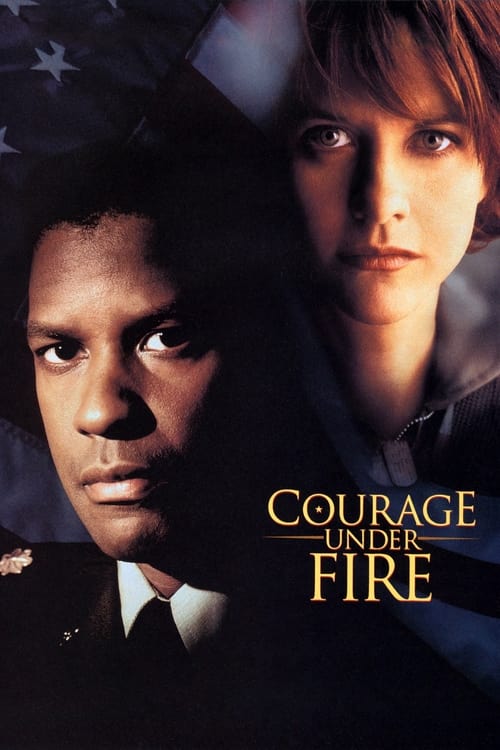
Courage Under Fire1996
Deepti Naval and Shabana Azmi as two women discovering love amid the structures designed to contain them. It captures that same quiet defiance—people asserting their lives against forces trying to erase them.
But Banned in India at release for its sexual politics. Some will find its earnestness dated; others will experience that as part of its power.
Not sure tonight? Get a pick in a minute, starting from Colossal Youth
The wildcard
Something you would not have found on your own.
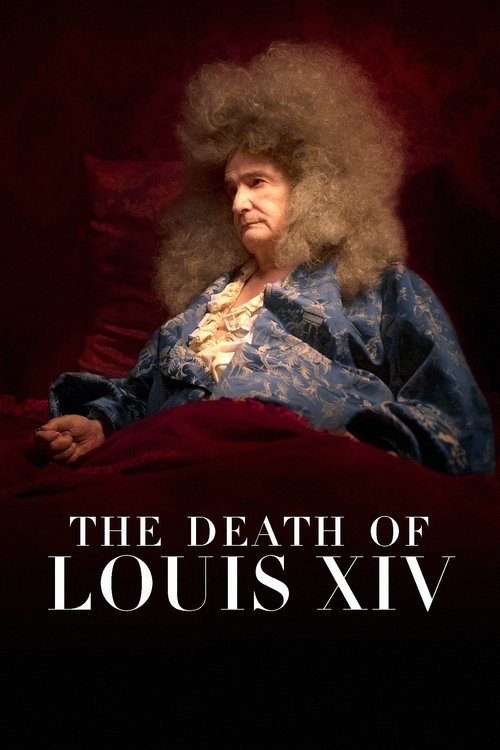
The Death of Louis XIV2016
Both are patient, exhausting watches about aging, displacement (Louis from power, from his body), and the refusal to dramatize an ordinary catastrophe. Serra and Costa share a visual philosophy: time as the subject, not its servant.
Albert Serra films the literal last days of a monarch in real time—mostly him lying in bed, declining, people around him waiting and watching. It's Colossal Youth's exact twin: nothing happens except the slow exhaustion of a life coming to its end, filmed with profound tenderness.
But Ninety-two minutes of a man dying in a palace. It redefines boredom as an artistic choice. If you need momentum or purpose, this will feel like punishment.
More like this (8)
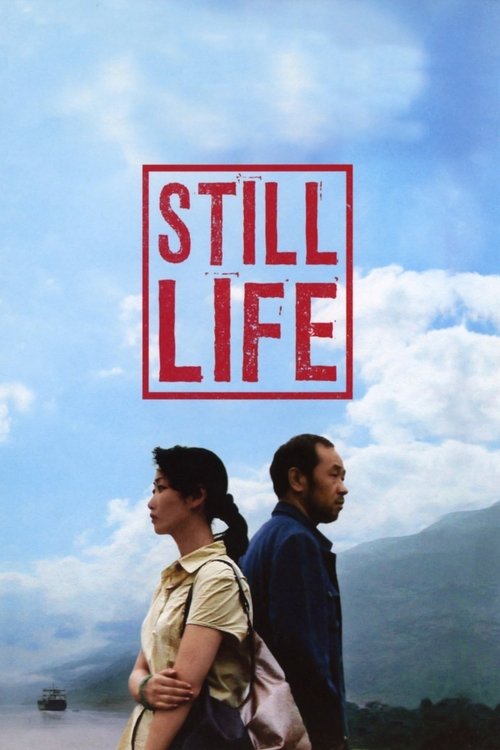
Still Life2006
Jia Zhangke's masterpiece set in a town about to be flooded for the Three Gorges Dam. Ventura wanders; so do these characters. Both films find poetry in people navigating disappearance.
But Chinese cinema, minimal plot, 107 minutes that feel like 207. The beauty requires you to stop expecting conventional storytelling.
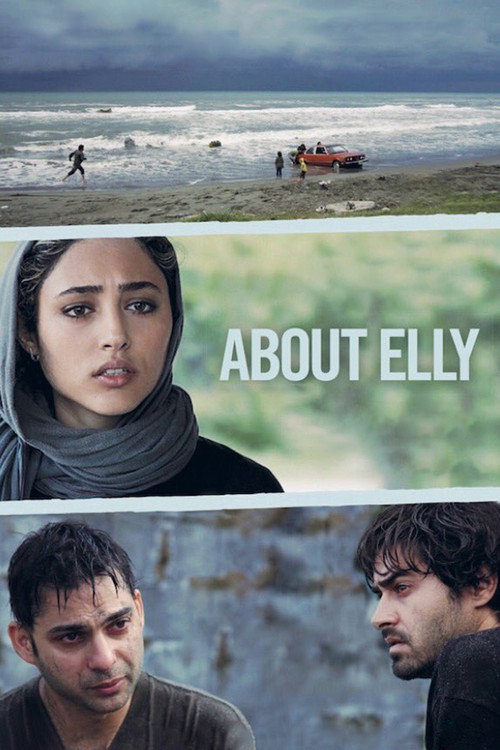
About Elly2009
A woman vanishes during a weekend, and the film quietly dismantles the facades people construct. Like Colossal Youth, it's interested in what lies beneath the surface of how people present themselves.
But Iranian cinema, deliberately ambiguous, and emotionally punishing in ways that build slowly and then hit all at once.
Synecdoche, New York2008
Philip Seymour Hoffman's theater director becomes lost in a project he can't control, unable to distinguish his life from his art. Both films are about men trying to hold onto something that's already gone.
But Charlie Kaufman at his most baroque and exhausting. Some find it brilliant; others find it self-indulgent and maddening.

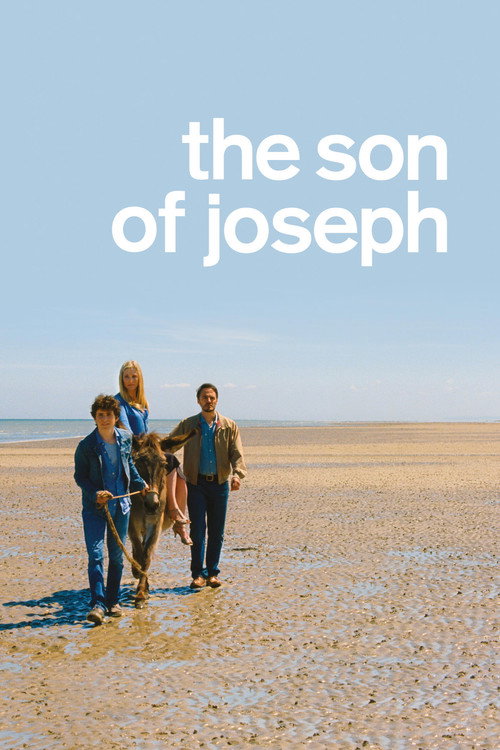
The Son of Joseph2016
A Guinean immigrant in France navigates displacement, family bonds, and the impossibility of truly belonging. It shares Colossal Youth's focus on the inner lives of men dealing with exile and relocation.
But French-language drama that operates at Colossal Youth's pace. If you want momentum or clear answers about character motivation, you'll be disappointed.
In the Mood for Love2000
Wong Kar-wai's tale of two neighbors discovering they may be in love. Beyond the romance, it's about memory, spaces, and how geography shapes our emotional lives—themes that resonate with Colossal Youth's geography of loss.
But Deliberately artificial, heavily stylized, and the plot barely exists. It's cinema as mood rather than as story.

Jeanne Dielman, 23, quai du Commerce, 1080 Bruxelles1976
Chantal Akerman's three-hour portrait of a woman's routine life in an apartment. Like Colossal Youth, it suggests that the smallest moments and spaces contain everything worth knowing about a person.
But It's essentially a film about a woman doing housework. Challenging in the most radical way: nothing happens, and that's precisely the point, which won't be enough for most viewers.

Stalker1979
Both structure themselves around wandering and return. Both suggest that the journey through a space—not what you find—is what matters. Both trust the viewer's patience more than most cinema does.
Tarkovsky's science fiction film about a man leading two others through a mysterious zone to find an impossible room. It's not really about the destination—it's about the walking, the waiting, the nature of desire and pilgrimage. Colossal Youth is Stalker without the metaphysics; both are about men navigating spaces that have changed them.
But Soviet science fiction that's almost entirely philosophical. 163 minutes of contemplation without action. If you watched Colossal Youth and thought it needed more plot, this will confirm you should stick to other films.

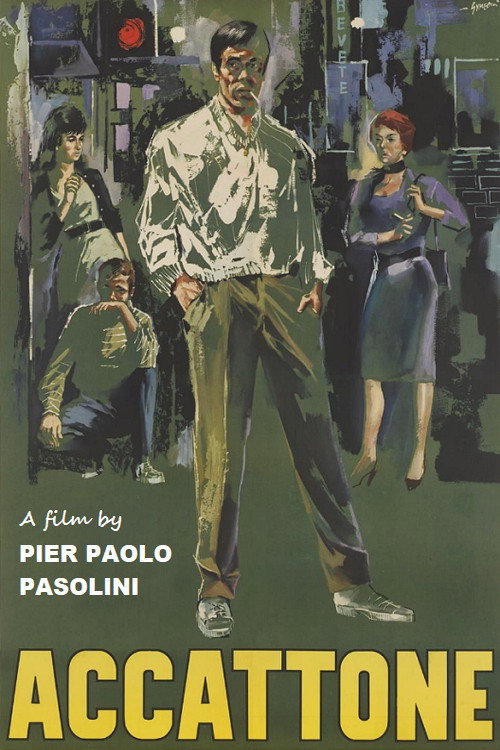
Accattone1961
Both Pasolini and Costa are fascinated by the lives of men on the margins—not celebrated, not tragic, just trying to exist in spaces the world has decided they don't belong in. Both films find dignity without sentimentality.
Pasolini's debut: a pimp and small-time criminal in Rome trying to survive after losing his livelihood. Shot in documentary realism with an operatic score, it's about a man trying to navigate a world with no place for him. Completely different in surface, identical in soul to Colossal Youth.
But It's an Italian neorealist film about a morally compromised protagonist. It's austere, and the score is aggressively artificial in a way that will feel dated or precious depending on your tolerance for '60s aesthetics.
People
Cast
 VenturaVentura
 Vanda DuarteVanda
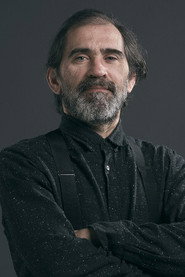
 Isabel CardosoClotilde
Directing
- Pedro CostaDirector
Writing
- Pedro CostaWriter
Production
- Andres PfäffliProducer
- Elda GuidinettiProducer
- Francisco Villa-Lobos Producer
- Philippe AvrilProducer