
Film
Ixcanul
- Coming-of-age
- Slow-burning
A 17-year-old Kaqchikel Maya woman on a Guatemalan coffee plantation dreams of escape, seduces a migrant worker heading north, and confronts her place within her family and culture when he abandons her. Shot in the language and landscape of its subject, it moves with the deliberate pace of ritual and consequence. For viewers patient with quiet cinema about lives rarely centered on screen.
If you liked this
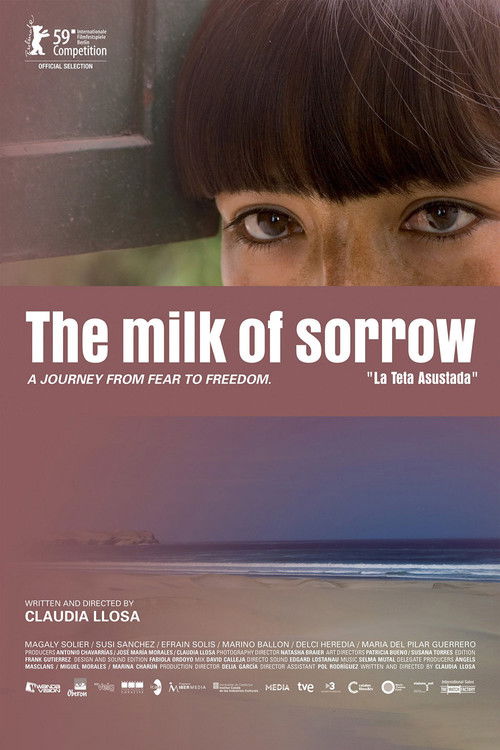
The Milk of Sorrow2009
Peruvian director Claudia Llosa creates a dreamlike portrait of trauma passed through generations, using indigenous Quechua language and visual poetry to explore what colonialism steals from a family.
But Deliberately elliptical and symbolic rather than plot-driven; demands you sit with discomfort and ambiguity rather than resolve it.
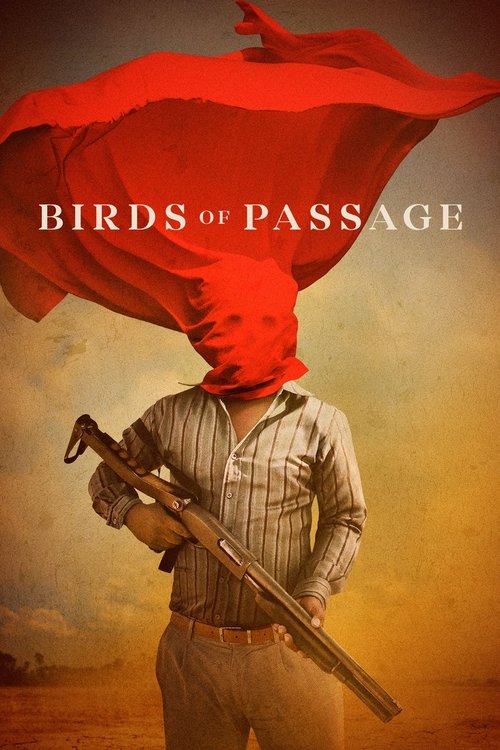
Birds of Passage2018
Colombian film tracing how the cocaine trade destroys a Wayuu indigenous community from within, told with operatic scope and moral clarity about extraction and complicity.
But Violent and bleak, with long stretches of mounting dread. Not a film that offers comfort or easy redemption.
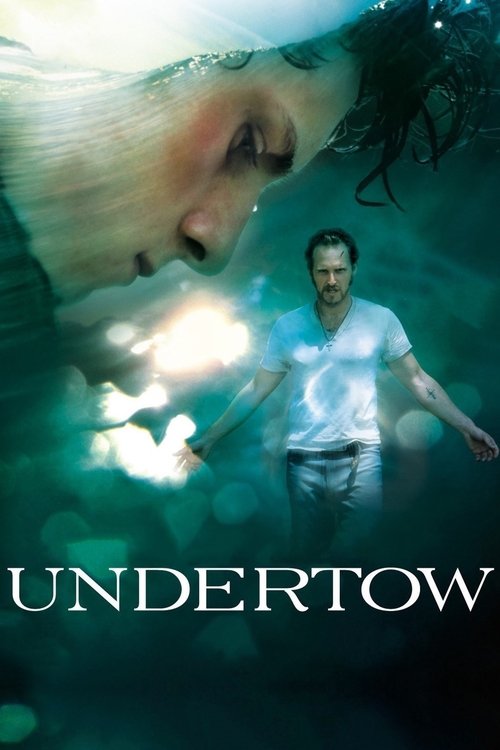
Undertow2004
Brazilian drama about a man and boy at an isolated riverside house, exploring desire, shame, and vulnerability with extraordinary tenderness and honesty in a marginalized space.
But Sexually explicit in moments; moves at its own unhurried pace and refuses conventional narrative satisfaction.
Not sure tonight? Get a pick in a minute, starting from Ixcanul
The wildcard
Something you would not have found on your own.
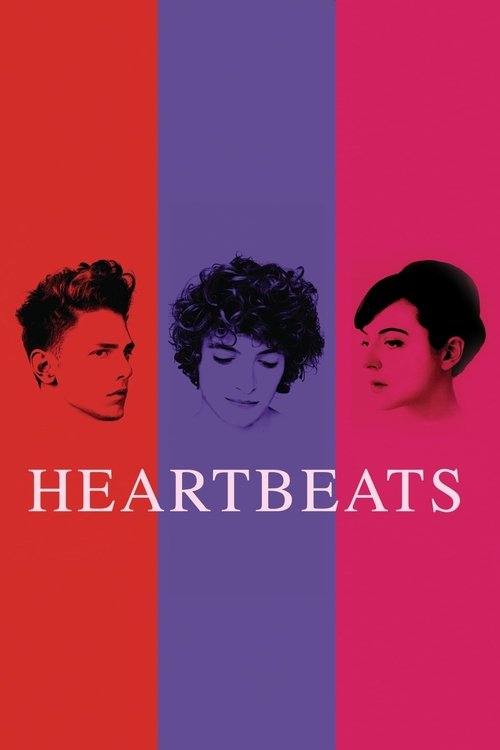
Heartbeats2010
Both films centre young people whose desires pull them away from their world, and both examine what gets lost and gained in that departure. Dolan's excess is the inverse of Ixcanul's restraint, but the moral weight is similar.
Xavier Dolan's debut: two queer friends fall for the same man in Montreal, told through split screens, pop music, and formal excess. It's a melodrama about desire and betrayal that pulses with genuine emotion beneath the style.
But Dolan's maximalism—the colour, the music, the fast cuts—reads as overwrought to some. It's feeling-first, narrative-second.
More like this (8)
A Prophet2009
French-language film following a young man's transformation inside a prison system, showing how institutions remake people through violence, mentorship, and the pursuit of power and dignity.
But Prison brutality and rape depicted directly. Malik's rise feels morally ambiguous in ways the film doesn't resolve for you.

Winter Light1963
Bergman's austere masterpiece about a pastor's crisis of faith, shot in black and white against a Swedish winter. Pure cinema about doubt, loneliness, and the failure of connection.
But Severely austere and theologically challenging. No plot to speak of, just four people in a room confronting emptiness.

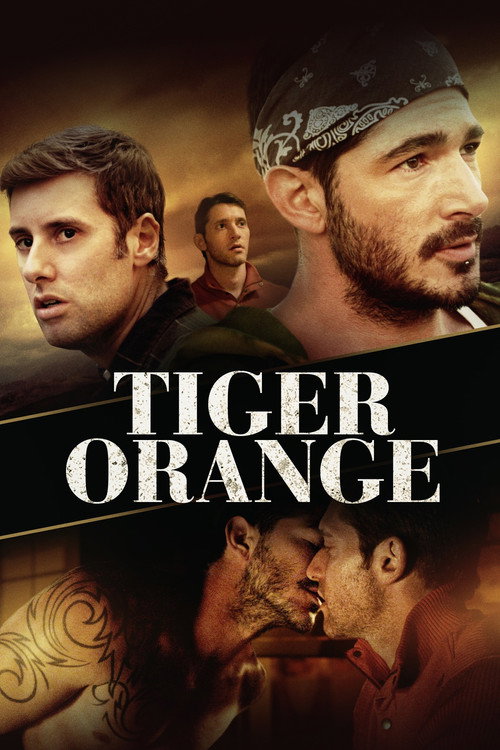
Tiger Orange2014
Kenyan film about two boys bonding in Nairobi's slums, intimate and funny and painful, centering voices and bodies rarely seen in cinema with such specificity and love.
But Low budget and deliberately rough in texture; won't feel slick or reassuring. Poverty is not sentimentalized but it is lived-in.
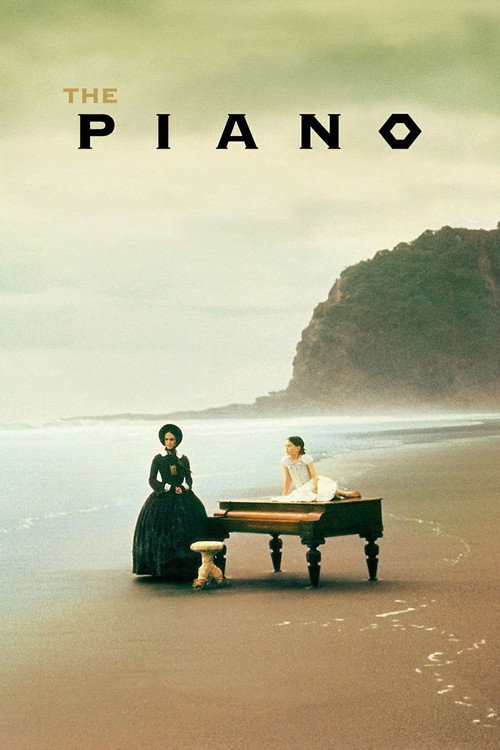
The Piano1993
Jane Campion's visual feast: a mute woman in colonial New Zealand uses her piano to resist, seduce, and demand agency in a landscape of mud and desire and Maori presence.
But Sexual coercion and self-harm are central; the ending is unsettling rather than triumphant. Some find it baroque or mannered.
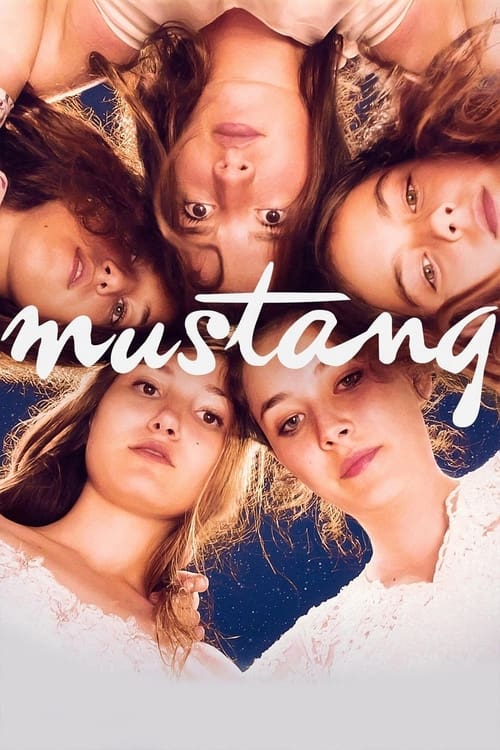
Mustang2015
Turkish film following five sisters confined by family honour codes, using colour and humour and rage to show how girls resist surveillance and claim their bodies and futures.
But The humour sits atop real cruelty and control. Claustrophobic by design, and the ending offers defiance but not rescue.
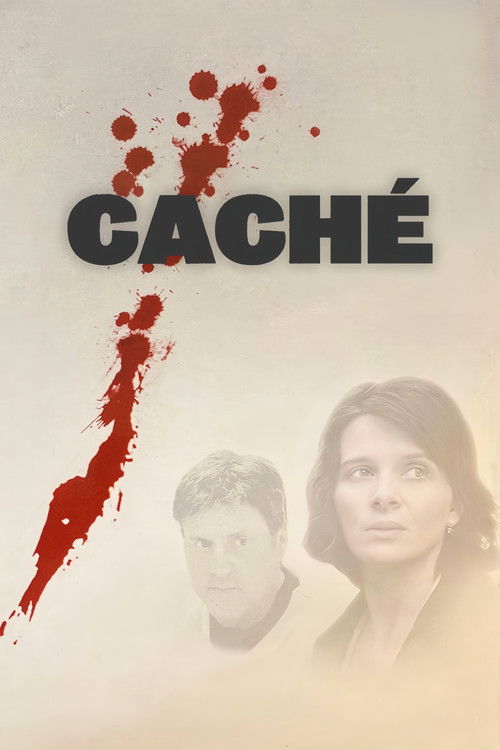
Caché2005
Haneke's thriller about a French couple receiving mysterious videotapes, a formal experiment in complicity, guilt, and what we refuse to see about our own comfort and complicity.
But Deliberately frustrating and withholding. It will not answer your questions or let you off the hook, and some find that infuriating rather than brilliant.
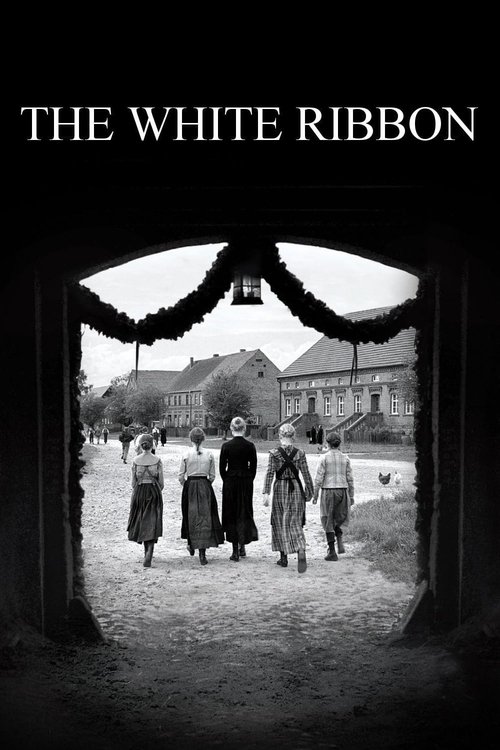
The White Ribbon2009
Both are studies in how systems of control—agricultural, patriarchal, colonial—shape and crush the young. Both use landscape and ritual as a language for what cannot be spoken directly.
Haneke's black-and-white German epic about cruelty, obedience, and the roots of fascism in a small village before WWI, told through the eyes of a schoolteacher trying to understand inexplicable violence.
But Three hours long and deliberately punishing. Haneke shows you horror and refuses to explain it or make it easy to process.
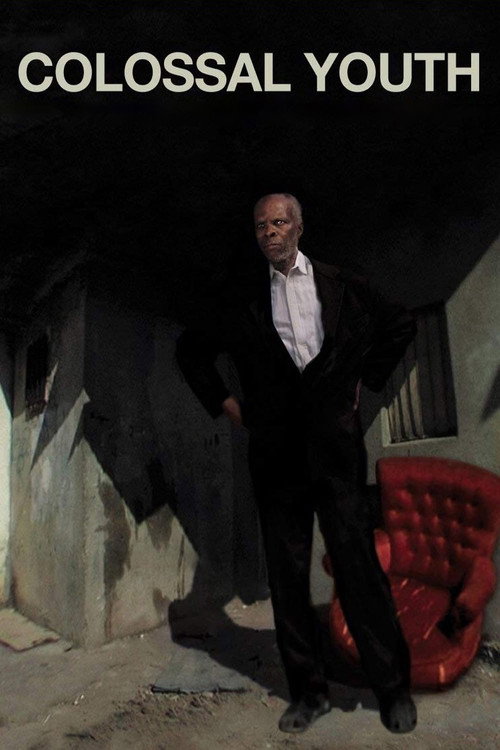
Colossal Youth2006
Where Ixcanul observes a young woman's internal rupture, Colossal Youth observes a community already fractured by migration and dispossession. Both films privilege witness and presence over explanation, and both find poetry in what the world overlooks.
Pedro Costa's avant-garde masterpiece filmed in the slums of Lisbon: a man returns from psychiatric hospital to a community of Cape Verdean migrants, and the camera dwells in long takes on faces, voices, absence, and grace.
But Experimental and demanding. It has no conventional plot; it's a portrait of displacement, poverty, and dignity told through formal difficulty and extreme slowness.
People
Cast
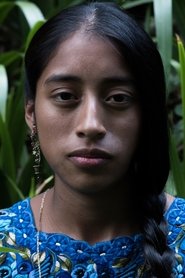 María Mercedes CoroyMaría
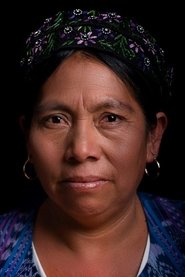 María TelónJuana
- Manuel AntúnManuel
- Justo LorenzoIgnacio
- Marvin CoroyEl Pepe
 Fernando MartínezPolicia
Directing
- Jayro BustamanteDirector
Writing
- Jayro BustamanteScreenplay
Production
- Inés NofuentesExecutive Producer
- Edgard TenembaumProducer
- Jayro BustamanteProducer
- Marina PeraltaProducer
- Pilar PeredoProducer