
Film
Prayers for the Stolen
- Drama
- Drug-trade crime
- Very dark
Prayers for the Stolen follows three girls growing up in a Mexican village controlled by cartels, where childhood innocence collides with the brutal reality of their families' complicity in the opium trade. It's a quiet, haunting film that refuses easy sentiment. Director Tatiana Huezo watches without flinching as her characters discover that survival sometimes means becoming someone you didn't expect to be. For viewers drawn to stories about how systems damage people from the inside.
If you liked this
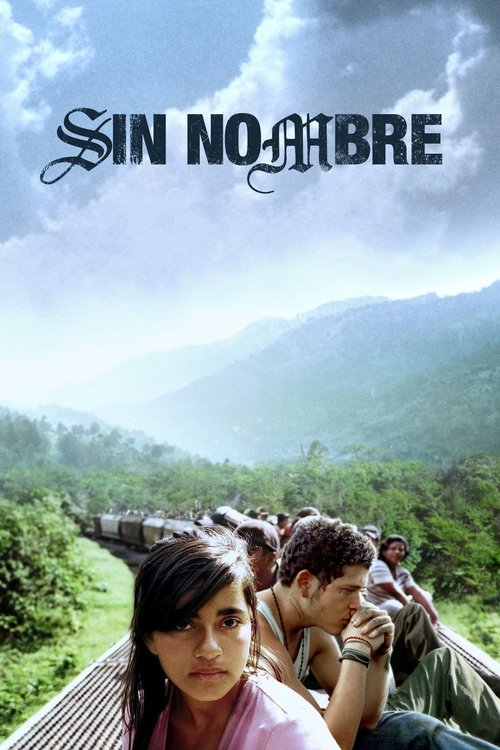
Sin Nombre2009
Cary Fukunaga's debut follows migrants crossing Mexico with the same unflinching eye for how violence becomes ordinary. It finds humanity without sentimentality in an inhumane situation, and the performances from non-professionals are extraordinary.
But The pacing is deliberately slow and contemplative rather than propulsive, which some find distant rather than moving. It doesn't offer catharsis.
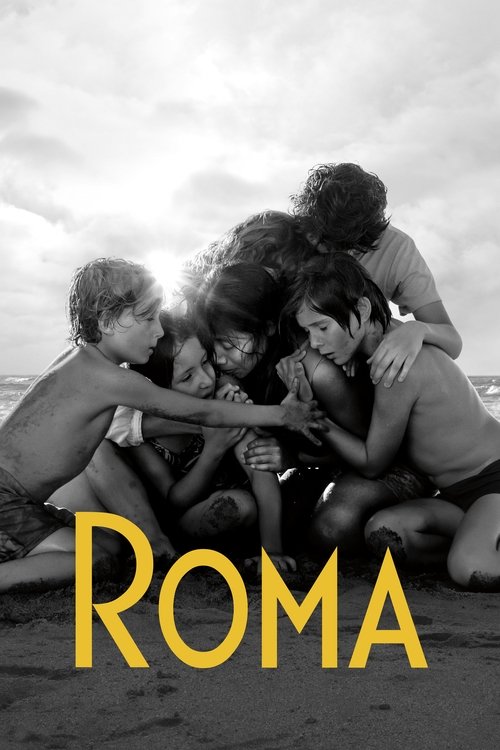
Roma2018
Cuarón's black-and-white portrait of a household in 1970s Mexico City shares Huezo's commitment to watching ordinary life with complete attention. It's visually stunning and emotionally precise about class, gender, and what gets erased from history.
But Very long, very quiet, and structured around absence rather than dramatic incident. If you need plot momentum, this will feel glacial.
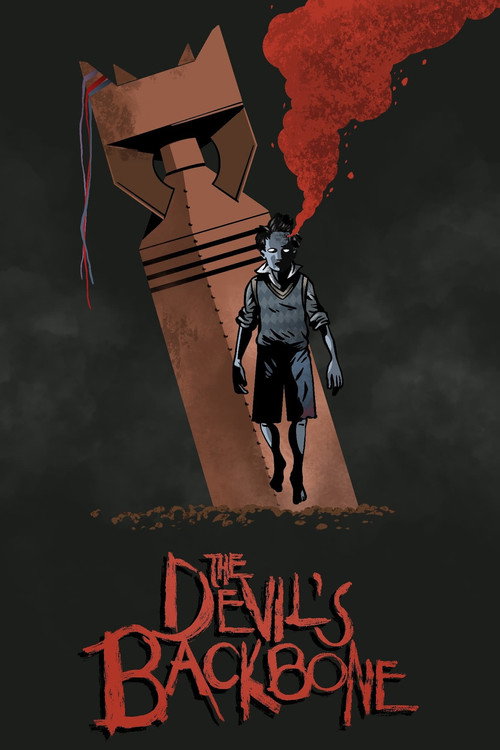
The Devil's Backbone2001
Guillermo del Toro's Spanish Civil War ghost story uses childhood wonder and terror to explore how political violence seeps into intimate spaces. It's gorgeously made and deeply sad without ever feeling manipulative.
But It's more fantastical than Prayers for the Stolen, leaning into gothic atmosphere. If you want gritty realism, this pivots toward allegory.
Not sure tonight? Get a pick in a minute, starting from Prayers for the Stolen
The wildcard
Something you would not have found on your own.
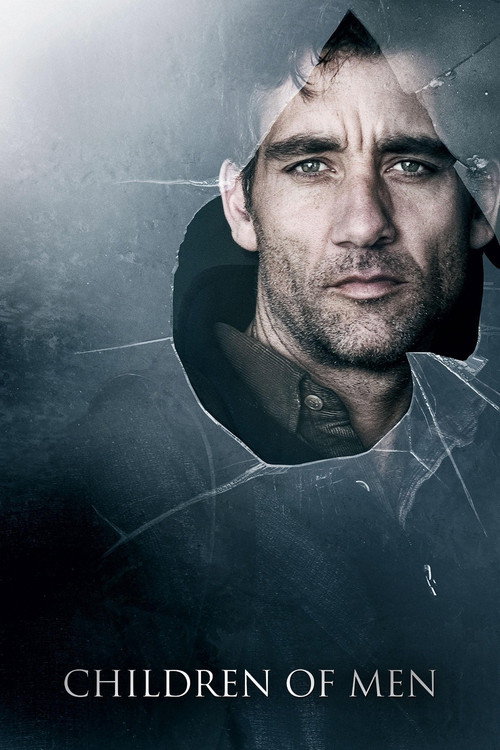
Children of Men2006
Both examine how ordinary people navigate systems that don't want them to survive, using the camera to refuse looking away. One is quiet; one is propulsive. Both insist on the humanity of people the world has discarded.
Alfonso Cuarón's film shares Huezo's commitment to watching people move through a collapsing world without flinching. But where Prayers for the Stolen is intimate and internal, this is urgent and kinetic—same gravity, completely different rhythm.
But It's a sci-fi action thriller, so it can feel glossy compared to Huezo's documentary restraint. Some find the famous long takes mannered rather than powerful.
More like this (6)
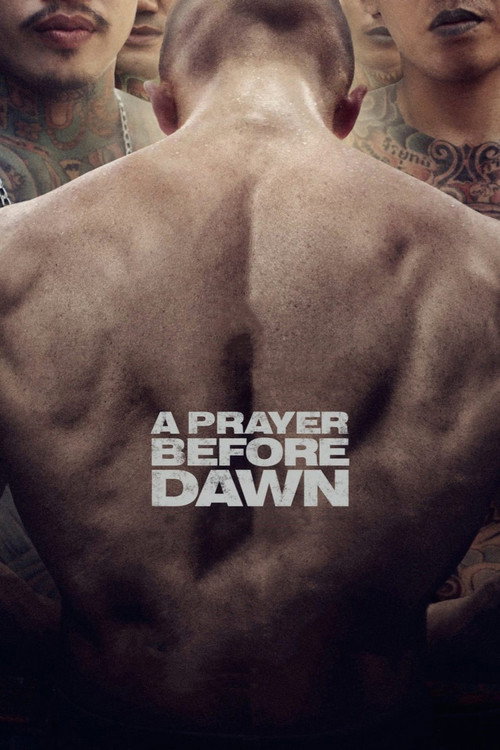
A Prayer Before Dawn2018
Joe Cole's portrait of an American boxer imprisoned in Thailand is brutal and immersive. It captures the specific texture of being trapped in a place where the rules are incomprehensible and survival depends on adaptation.
But Extremely violent and graphic. The boxing sequences are visceral to the point of being hard to watch. Some find the semi-documentary style alienating.
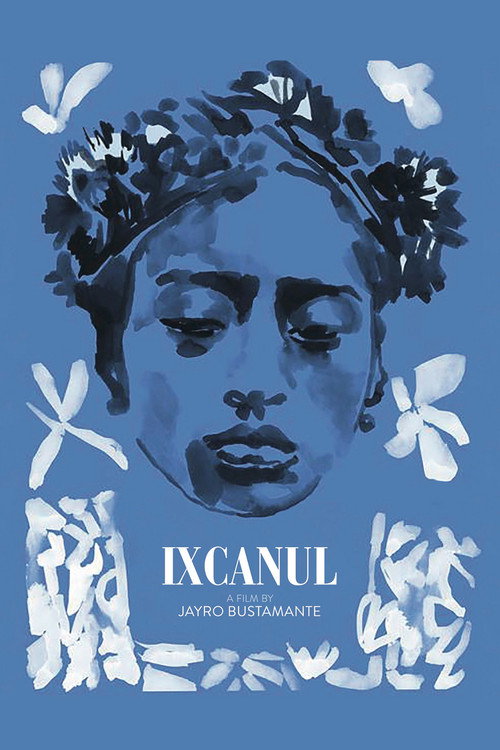
Ixcanul2015
Jayro Bustamante's Guatemalan film about a Kaqchikel girl navigates similar terrain: rural indigenous life, economic desperation, and the moment childhood ends. It's tender without being sentimental, shot with remarkable beauty.
But The pacing is very deliberate and the narrative is minimal. Long stretches without dialogue can feel static. In Kaqchikel with subtitles.
The Last Temptation of Christ1988
Scorsese's film grapples with faith, doubt, and the weight of knowing what you're meant to become. Like Prayers for the Stolen, it's interested in how external forces—divine or otherwise—can make puppets of our choices.
But It's three hours, theologically dense, and designed to provoke. Some find it pretentious; others find it blasphemous. Neither response is wrong.
Come and See1985
Elem Klimov's Soviet film about a boy during the Nazi invasion of Belarus is a harrowing portrait of childhood destroyed. It's one of cinema's most honest depictions of how war unmakes people, and it's unforgettable.
But This is genuinely one of the most disturbing films ever made. It doesn't offer redemption or meaning. Watch only if you're prepared for maximum bleakness.

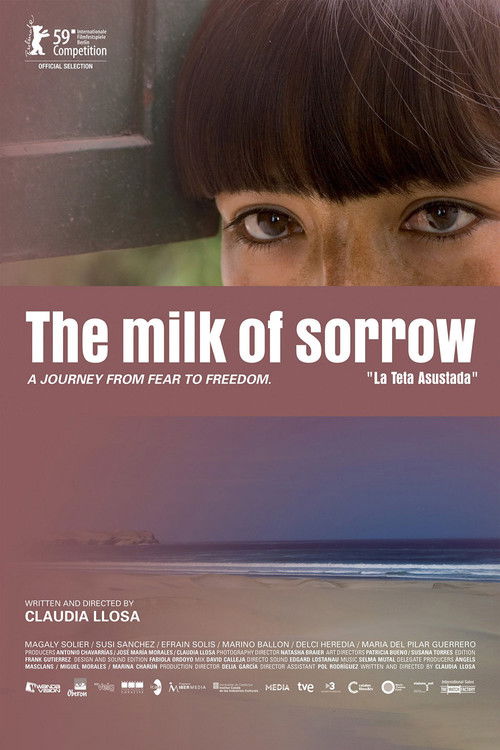
The Milk of Sorrow2009
Claudia Llosa's Peruvian film uses magical realism to explore inherited trauma from political violence. It's visually extraordinary and moves like a fever dream, refusing conventional narrative logic.
But It's deliberately cryptic and dreamlike, which some experience as pretentious rather than poetic. Plot clarity is not the goal. In Spanish with subtitles.
The Act of Killing2012
Both refuse the safety of distance. Huezo watches children absorbed into a cartel economy; Oppenheimer watches killers describe their work. Both insist we understand how ordinary people become complicit in systems that harm others. The difference: one is fiction watching this happen to the innocent; one is documentary watching it happen through the guilty.
Joshua Oppenheimer's documentary asks Indonesian death-squad leaders to recreate their murders as entertainment. It's formally audacious and morally shattering—a film about how perpetrators rationalize atrocity that's more honest than any dramatization could be.
But It's a documentary asking you to spend time inside the heads of murderers. The scenes are disturbing and the film doesn't condemn—it observes. Some find this morally obscene. It's also three hours.

People
Cast
 Ana Cristina OrdóñezAna (niña)
 Marya MembreñoAna (adolescente)
- Blanca Itzel PérezMaría (niña)
- Giselle Barrera SánchezMaría (adolescente)
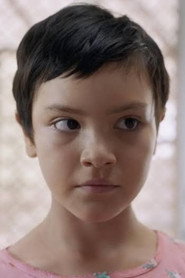 Camila GaalPaula (niña)
 Alejandra CamachoPaula (adolescente)
 Mayra BatallaRita
- José EstradaMargarito (niño)
- Julián Guzmán GirónMargarito (adolescente)
 Norma PabloLuz
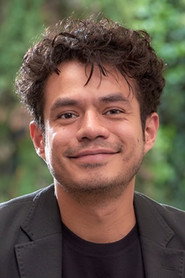 Memo VillegasProfesor Leonardo
 Eileen YañezConcha
Directing
- Tatiana HuezoDirector
Writing
- Jennifer ClementNovel
- Tatiana HuezoWriter
Production
- Marcela ArenasAssociate Producer
- Natalia BeristáinCasting
- Burkhard AlthoffCo-Producer
- Dan WechslerCo-Producer
- Danny GloverCo-Producer
- Doris HeppCo-Producer
- Helmut DosantosCo-Producer
- Jamal Zeinal ZadeCo-Producer
- Joslyn BarnesCo-Producer
- Michael WeberCo-Producer
- Rachel EllisCo-Producer
- Susan RockefellerCo-Producer
- Viola FügenCo-Producer
- Juan Carlos Rojas CachoExecutive Producer
- Maya Scherr-WillsonExecutive Producer
- Tania ZamoraLine Producer
- Jim StarkProducer
- Nicolás CelisProducer
Recommended by
The Inspection, The Story of the Stone, Minyan, Pray the Gay Away, Jirisan