
Film
The Harimaya Bridge
A quiet, tender film about an estranged father traveling to rural Japan to collect his deceased son's belongings. As he grieves among strangers in an unfamiliar place, he discovers who his son really was—and begins to understand what he lost. It's a film about looking back without bitterness, finding grace in small moments.
If you liked this
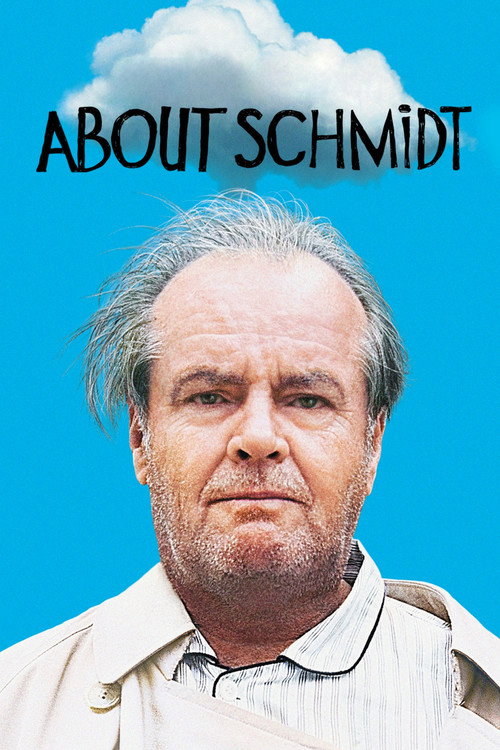
About Schmidt2002
Jack Nicholson plays a retired man confronting regret and his own limitations as he travels and reflects. Like Harimaya Bridge, it's about seeing yourself clearly through the eyes of those you've disappointed—uncomfortable and deeply human.
But It can feel slow and uncomfortable, lingering on awkward silences and social friction rather than offering easy catharsis.
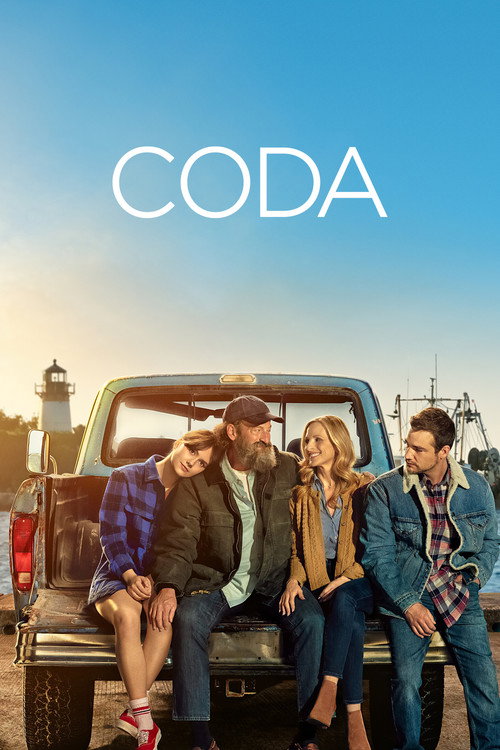
CODA2021
A son navigating between two worlds—Deaf family and hearing culture—while his father struggles to understand him. The film honors both the father's limitation and the son's wholeness, just as Harimaya Bridge does.
But If you're expecting traditional father-son reconciliation, the film takes a gentler, more realistic path that some find unsatisfying.
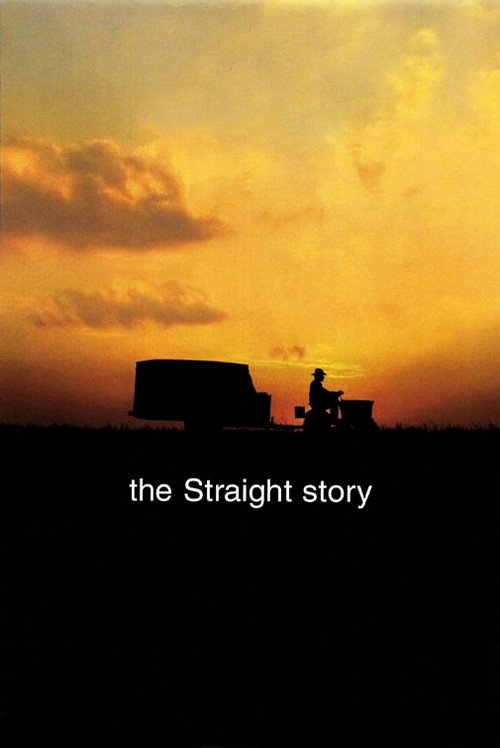
The Straight Story1999
An elderly man journeys to reconcile with his estranged brother. David Lynch's most tender film is about acceptance, the passage of time, and what we owe to those we've hurt. Quietly profound.
But It moves at a funeral pace. If you want narrative momentum or emotional peaks, this will feel like standing still.
Not sure tonight? Get a pick in a minute, starting from The Harimaya Bridge
The wildcard
Something you would not have found on your own.
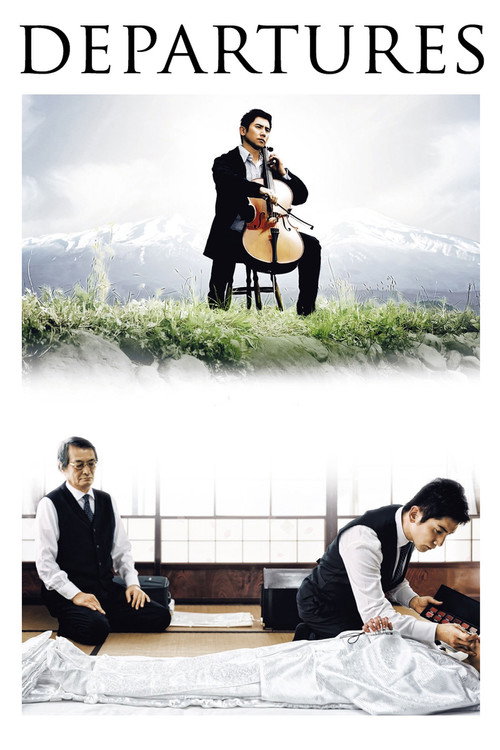
Departures2008
Both are quietly spiritual films about estrangement and return, set in rural Japan, focused on rituals of remembrance as a path to understanding.
A Japanese cellist returns to his small hometown and takes work as a mortician, learning to treat death with ritual and respect. It shares Harimaya Bridge's setting, themes of estrangement and homecoming, and its belief that honoring the dead is how we understand the living. Both films are about learning to say goodbye properly.
But The central profession—preparing bodies for burial—unnerves some viewers. If you're uncomfortable with physical mortality, this will confront that directly.
More like this (8)
Ikiru1952
A man faces mortality and realizes he's wasted his life. Kurosawa's meditation on legacy, regret, and finding meaning in small kindnesses shares Harimaya Bridge's focus on what remains when everything else falls away.
But It's a black-and-white Japanese film from 1952. If you need subtitles and period cinema to feel worthwhile, you'll struggle.

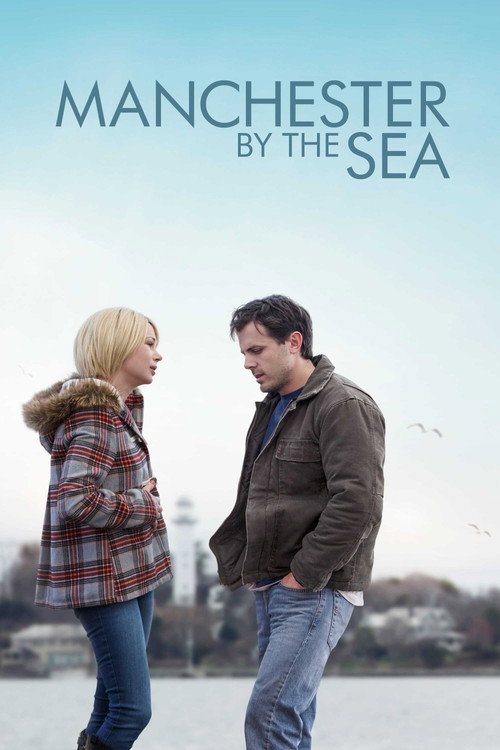
Manchester by the Sea2016
A man returns home after his brother's death to care for his nephew, forced to confront grief and his own failed relationships. Both films understand that loss doesn't resolve—it settles into you.
But The winter setting and emotional tone can feel relentlessly bleak. Some viewers find it punishing rather than cathartic.
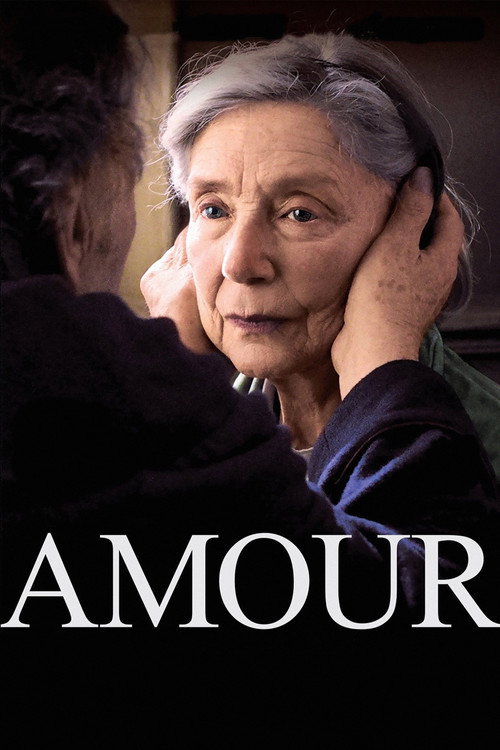
Amour2012
An elderly couple faces illness and mortality together. Haneke's film has the same unflinching gentleness as Harimaya Bridge—it looks directly at suffering without turning away, and finds dignity there.
But It's sometimes brutally difficult to watch. Not a film for when you need comfort; it offers something harder than that.
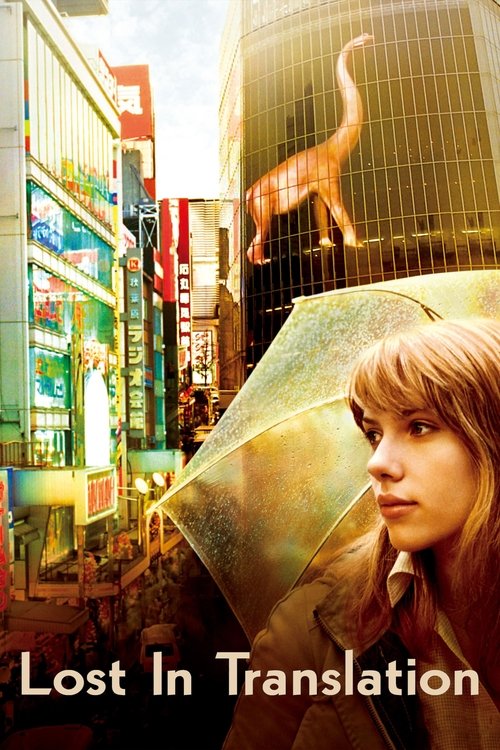
Lost in Translation2003
An aging actor adrift in Tokyo forms a connection with a younger woman. Sofia Coppola's film has that same mood of quiet displacement, of finding unexpected grace in a foreign place, of people trying to understand each other across distance.
But If you need plot and dialogue, this will frustrate you. It's a film about what isn't said and what can't be fixed.
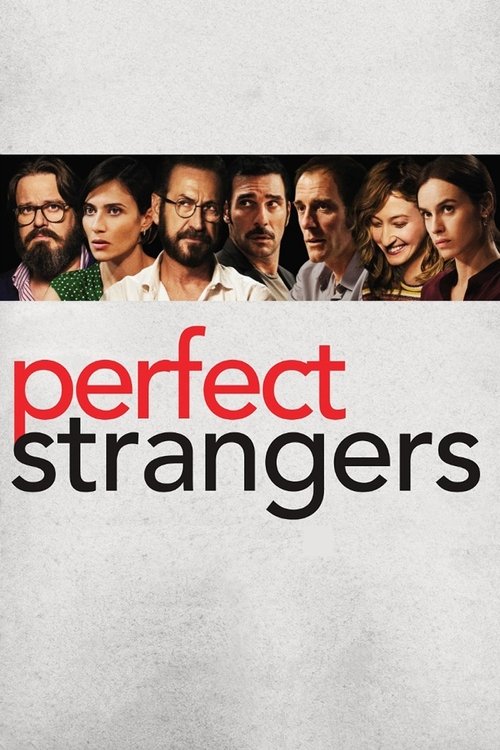
Perfect Strangers2016
An older man and woman strike up a conversation at a restaurant and gently uncover truths about their lives. Like Harimaya Bridge, it understands that revelation doesn't have to be dramatic—sometimes it's just two people being honest.
But The ending divides viewers sharply. Some find it profound; others feel it undoes the film's quietness with a twist that feels false.
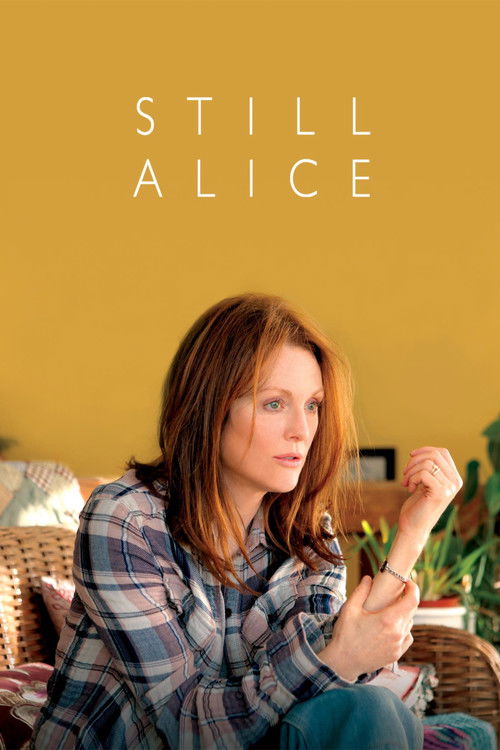
Still Alice2014
A woman confronts early-onset Alzheimer's while her family watches her disappear. It's about being present with someone you're losing, which is what Daniel does in Japan—bearing witness to a past he can't change.
But It's emotionally punishing and doesn't offer the uplift some viewers need from a film about illness. Julianne Moore's performance is so raw it can feel like trespassing on private grief.
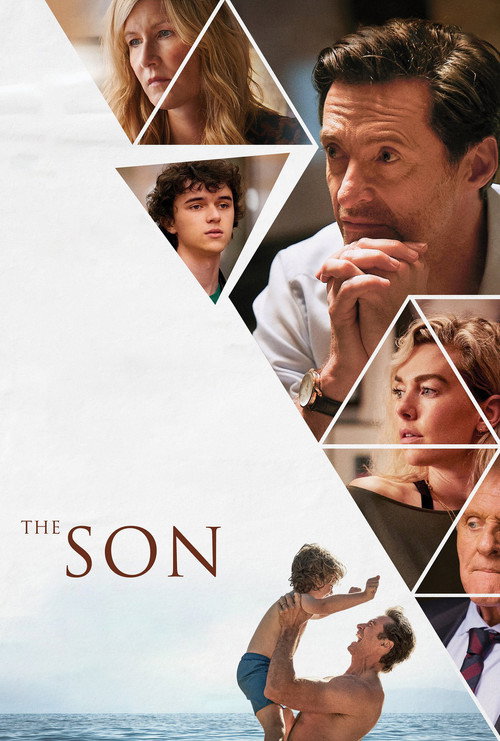
The Son2022
Both examine the father-son relationship through estrangement and regret, but where Harimaya Bridge is retrospective and gentle, The Son is immediate and anguished.
Florian Zeller's film about a father who realizes his son is suicidal and must reckon with his own absence and blindness. Unlike Harimaya Bridge, this is urgent and contemporary, but both films ask: what did we fail to see about the people we should have loved most carefully?
But It's about active crisis and parental failure in real time, which can feel accusatory. The film doesn't offer comfort—it's designed to sting.
Bicycle Thieves1948
Both use a journey through a specific place to reveal the depth of feeling between parent and child—what's unspoken, what's been failed, what endures anyway.
An Italian father and son search Rome for a stolen bicycle. It's neorealist cinema at its most tender—a simple story that becomes about the love between two people and the desperation of not being able to protect them. The relationship deepens what could be a plot into something eternal.
But It's a 1948 Italian film in black and white with subtitles. The ending is devastating and offers no resolution. If you watch films to feel better, this isn't it.

People
Cast
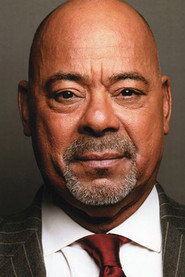 Bennet GuilloryDaniel Holder
 Saki TakaokaNoriko Kubo
 Misa ShimizuYuiko Hara
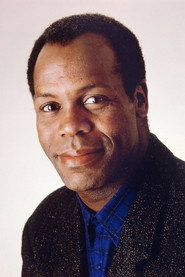 Danny GloverJoseph Holder
- Victor GrantMickey Holder
- Sakura ThomasMariya
 MisonoSaita Nakayama
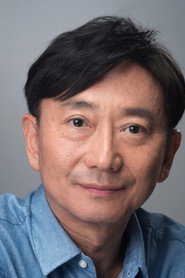 Hajime YamazakiKunji Inoue
 Miho ShiraishiKayo Takeuchi
 Honoka IshibashiEmi Osaki
Directing
- Aaron WoolfolkDirector
Writing
- Aaron WoolfolkWriter