
Film
The Silence of the Sea
- War drama
- Slow-burning
A 1949 French masterpiece about a German officer billeted with a silent French family during occupation. Shot in luminous black-and-white, it unfolds as a philosophical duel fought entirely through absence—what is not said becomes unbearably eloquent. Meditative, morally complex, for viewers patient with restraint and willing to sit with discomfort.
Should you watch it?
Watch it if you are drawn to quiet films where the drama lives in what goes unsaid, and a single room can hold more tension than a battlefield.
Skip it if you need plot momentum or a lot happening on screen, since almost the entire film unfolds in one house with two people refusing to speak to a talkative guest.
What it asks of you: Patience with stillness and long silences; it runs under ninety minutes but feels deliberate, and it wants you to read faces and gaps rather than follow events.
Not sure? Find tonight's pick in a minute.
If you liked this
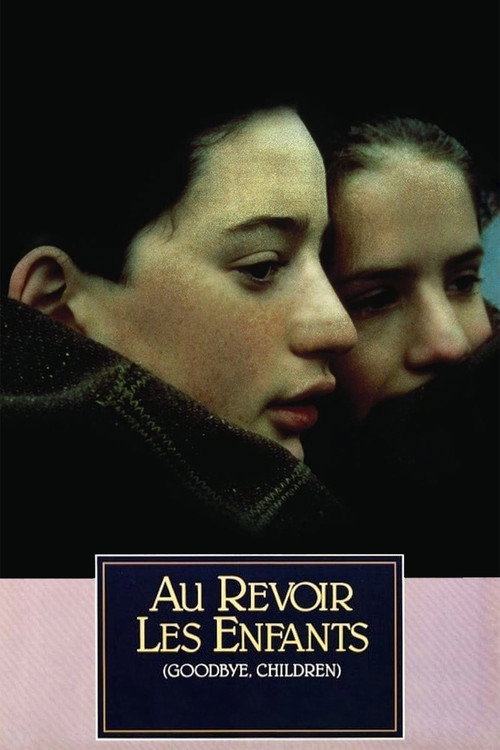
Au Revoir les Enfants1987
Lacombe's other great work about occupied France, told through a schoolboy's eyes. Equally precise about complicity, collaboration, and the quiet heroism of refusal. Haunting final scene.
But Lighter in tone than *Silence of the Sea*—more conventional narrative—which some find less intellectually rigorous.
The Seventh Seal1957
Bergman's meditation on faith, mortality, and human connection during plague. Same commitment to philosophical dialogue and symbolic weight. Unforgettable imagery that lingers for years.
But Very long takes of conversation can feel static. Some dialogue is abstract and demands patience to parse.

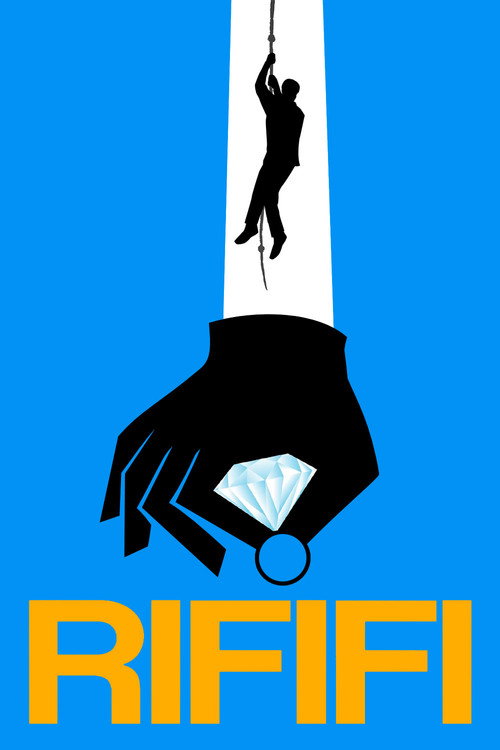
Rififi1955
Dassin's French noir about master thieves, shot with the same eye for shadow and silence. The famous heist sequence—nearly wordless, purely visual—proves style itself can carry meaning.
But Genre mechanics matter here in ways they don't in *Silence of the Sea*. Less philosophical, more plot-driven thriller.
Not sure tonight? Get a pick in a minute, starting from The Silence of the Sea
The wildcard
Something you would not have found on your own.
Come and See1985
Where *Silence* finds tragedy in what cannot be spoken, *Come and See* screams it. Both are about how war obliterates the possibility of ordinary human connection.
Elem Klimov's Belarusian epic about a boy conscripted into WWII. Visually and sonically overwhelming—the opposite of *Silence of the Sea*'s restraint. Same moral core: war as spiritual death.
But Relentlessly graphic and aurally punishing. One of cinema's most harrowing films. Leaves viewers shaken rather than thoughtful. Not meditative, but assaultive.

More like this (7)
Bicycle Thieves1948
Neorealist heartbreaker about a man searching post-war Rome for his stolen bike. Deceptively simple story that excavates human dignity, desperation, and moral compromise with devastating effect.
But The ending is bleak. Some find the style too deliberately artless, mistaking restraint for lack of craft.

Hiroshima Mon Amour1959
Resnais and Duras explore memory, war trauma, and connection between a French woman and Japanese man. Formally inventive yet emotionally raw—proves avant-garde and feeling are not opposites.
But Fragmented narrative and repeated, looped dialogue frustrate viewers wanting linear clarity. Experimental structure demands active watching.
The Best Years of Our Lives1946
Wyler's epic about three servicemen adjusting to post-war America. Ambitious in scope but intimate in execution—examines psychological wounds and social fracture with real compassion.
But Nearly four hours. Melodramatic by modern standards. The optimistic resolution may feel unearned given the darkness that precedes it.

Night and Fog1956
Alain Resnais's devastating 10-minute documentary about the Holocaust. Camera moves through empty camps while his voice queries how such evil became possible. Essential, shattering meditation on historical memory.
But Extremely difficult subject matter. Brief runtime makes the impact sharper but offers no catharsis. Not escapism in any sense.
A Prophet2009
Audiard's prison drama about a young man's rise through institutional hierarchy. Morally murky like *Silence of the Sea*, examining how complicity and power corrupt even the resistant.
But Contemporary setting and gangland violence may feel distant from WWII introspection. More explicitly brutal than philosophically contemplative.

Le Trou1960
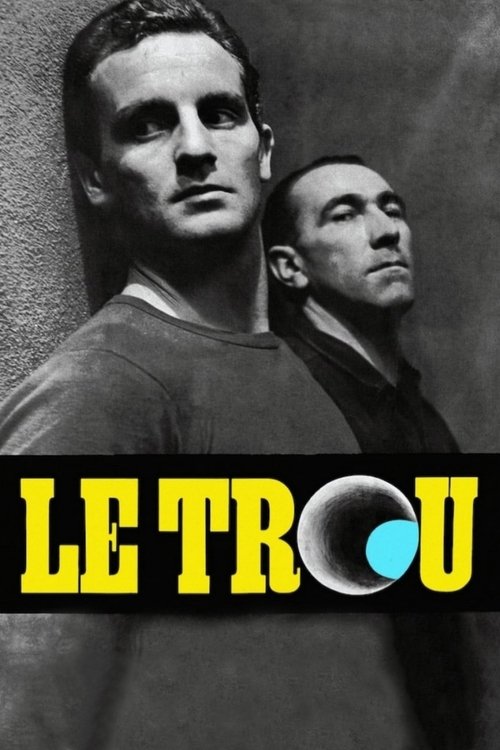
Becker's nearly silent prison-break film, built from long takes and minimal dialogue. The same faith in what can be conveyed through image alone rather than exposition.
But Slow by design. Minimal plot. The final twist divides viewers—some find it profound, others punishing.
Woman in the Dunes1964
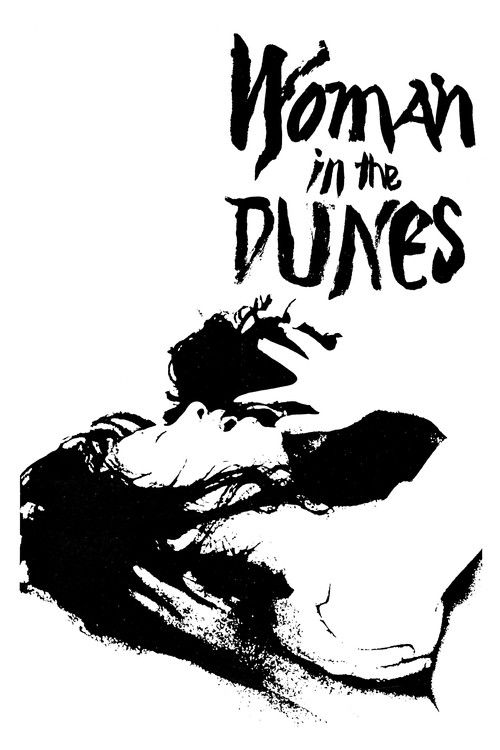
Both feature a protagonist imprisoned by circumstance—literal or political—who must decide whether to resist or accept their captor as human. Both end in ambiguous resignation.
Hiroshi Teshigahara's hallucinatory Japanese film: a man trapped in a sand pit with a widow, forced into repetitive labour and quiet cohabitation. Surreal yet philosophically precise about captivity, duty, complicity.
But Absurdist logic takes precedence over realism. The pit itself becomes increasingly dreamlike. Some find it pretentious; others find it liberating.
People
Cast
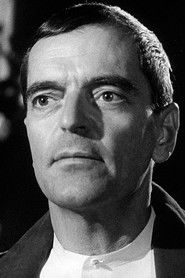 Howard VernonWerner von Ebrennac
 Nicole StéphaneLa Nièce
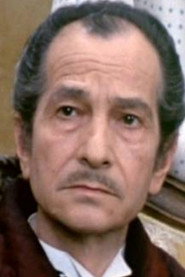 Jean-Marie RobainL'Oncle
 Amy AaröeLa Fiancée
- Georges PatrixL'Ordonnance
- Denis SadierL'Ami
- RudelleL'Allemand
- Max FrommL'Allemand
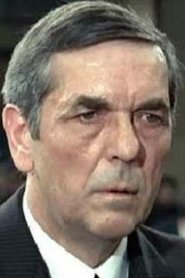 Claude VernierL'Allemand
- Max HermannL'Allemand
- Fritz SchmiedelL'Allemand
Directing
- Jean-Pierre MelvilleDirector
- Jacques GuymontFirst Assistant Director
- Michel DrachSecond Assistant Director
Writing
- Jean-Pierre MelvilleAdaptation
- VercorsNovel
- Jean-Pierre MelvilleScreenplay
Production
- Marcel CartierDelegated Producer
- Jean-Pierre MelvilleExecutive Producer
- Edmond VaxelaireProduction Manager