
Film
The Way to the Stars
A 1945 British drama set on a wartime RAF bomber base, following young pilots as they navigate combat, love, and loss during the Battle of Britain and beyond. Quietly observed rather than bombastic, it finds humanity in ordinary people facing extraordinary circumstances. For anyone who wants war film that feels lived-in and emotionally honest.
Should you watch it?
Watch it if you like quiet wartime ensemble pieces where the romance and the small rituals of base life matter as much as the flying, and you don't need the battles to be the point.
Skip it if you want air combat to dominate and romance kept brisk, since its sentiment is unembarrassed and its pacing leisurely enough to feel slow.
What it asks of you: At just under two hours, it unfolds in long, unhurried scenes of talk and waiting, with the mood shifting between warm and wistful rather than sharp.
Not sure? Find tonight's pick in a minute.
If you liked this
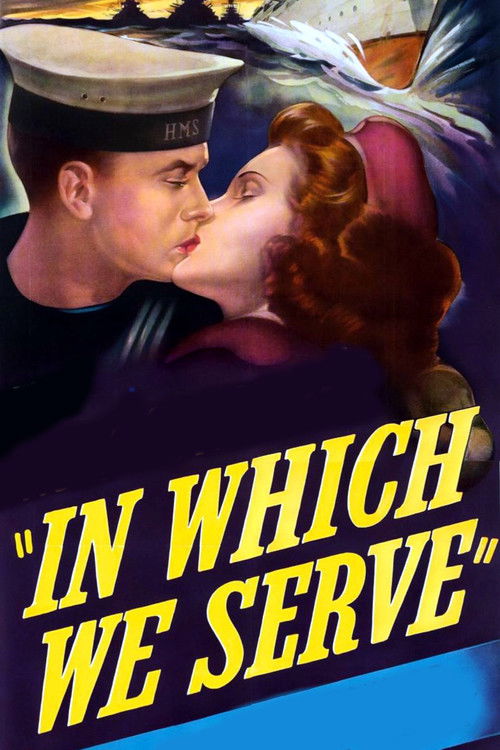
In Which We Serve1942
Noël Coward's naval equivalent: a ship and crew under fire, built from intimate character moments rather than spectacle. The same unflinching look at how people endure together.
But It's British wartime cinema at its most restrained—no heroics, no swagger. Some will find it slow.
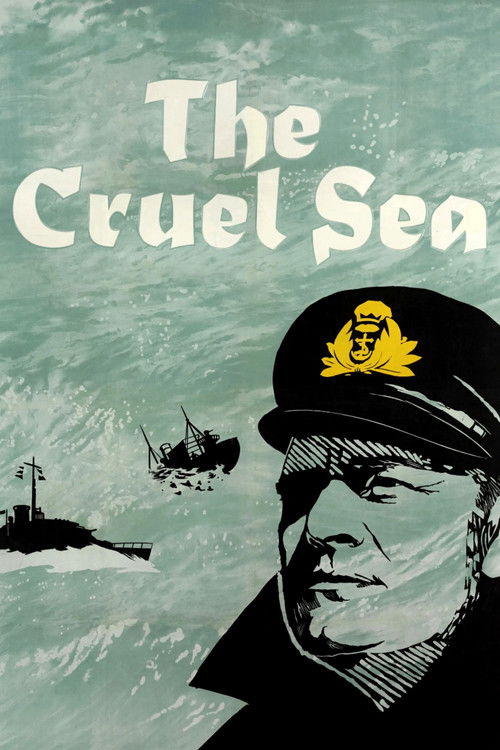
The Cruel Sea1953
Another intimate wartime ensemble piece about men on a ship facing constant threat. Same DNA: small moments of connection and loss that cut deeper than any battle scene.
But Eight years later but shot in black-and-white, and the pacing trusts patience over action.
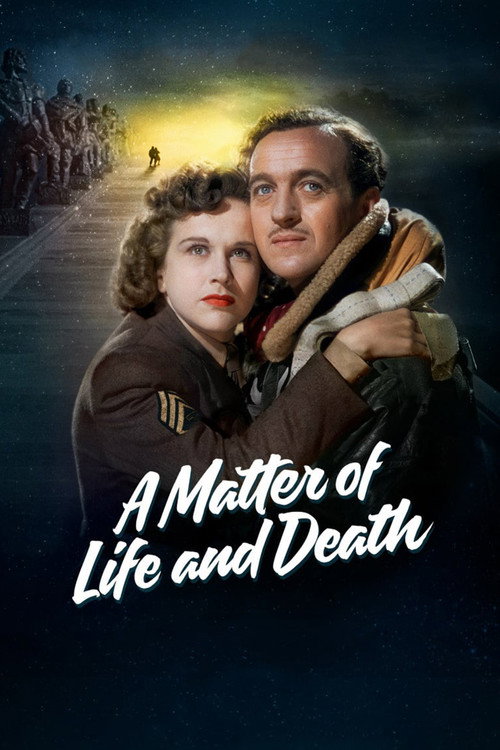
A Matter of Life and Death1946
Made the same year, Powell and Pressburger's other masterpiece about an RAF pilot. Surreal, tender, and reaches for something larger than realism. Same emotional weight, wildly different form.
But It's a fantasy-romance that asks you to accept its logic. Not everyone will follow where it goes.
Not sure tonight? Get a pick in a minute, starting from The Way to the Stars
The wildcard
Something you would not have found on your own.
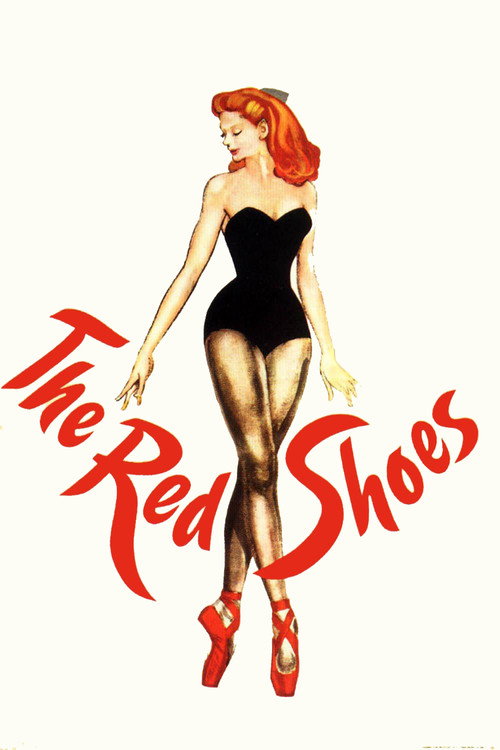
The Red Shoes1948
Both are 1940s British films about duty and desire in conflict, but one grounds itself in barracks life while the other soars into the symbolic. Together they show the range of what that moment in British cinema could do.
Powell and Pressburger's ballet-obsessed masterpiece: a woman torn between love and art, filmed with Technicolor rapture. The same postwar British filmmakers, but reaching for myth instead of realism. Transcendent.
But It's visually overwhelming and makes no apologies for its artifice. If you want naturalism, you'll bounce off it immediately.
More like this (7)
Brief Encounter1945
Coward again, this time about civilians. Forbidden love, careful restraint, ordinary people confronting desire and duty. The same emotional architecture, different setting.
But It's a love story first, war backdrop second. If you're after action, this will frustrate you.

The Best Years of Our Lives1946
American, but the same year and same project: how people rebuild after war. Three returning soldiers, their families, their small humiliations and quiet victories. Deeper than it looks.
But It's nearly four hours long and takes its time. Patience required, but earned.

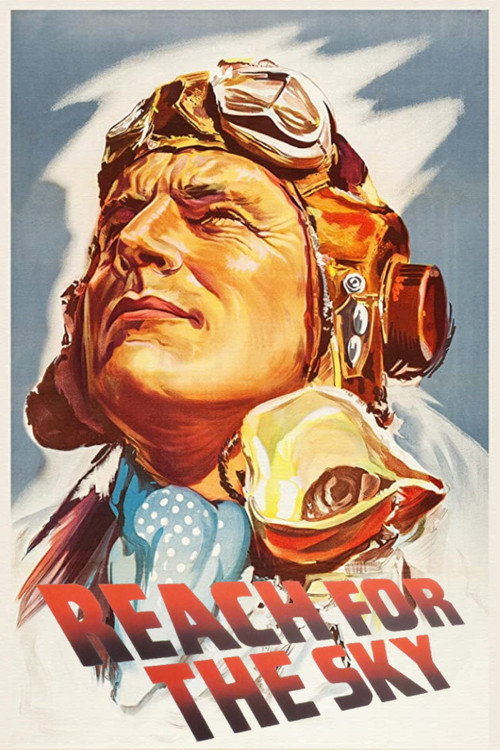
Reach for the Sky1956
Kenneth More as Douglas Bader, a real pilot who lost his legs and flew anyway. Rousing without being jingoistic, and finds dignity in stubborn will rather than sacrifice mythology.
But It's a traditional biopic and more conventionally exciting. Some will find it too straightforward.
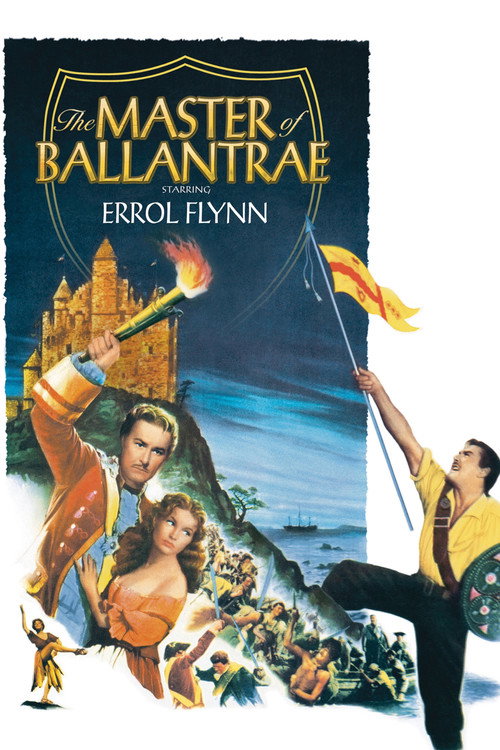
The Master of Ballantrae1953
Redgrave in a Stevenson adventure. Swashbuckling and perfectly aware of it. A palette cleanser if you want something lighter but still intelligent.
But It's candy. If you're after weight and seriousness, this is the opposite direction.
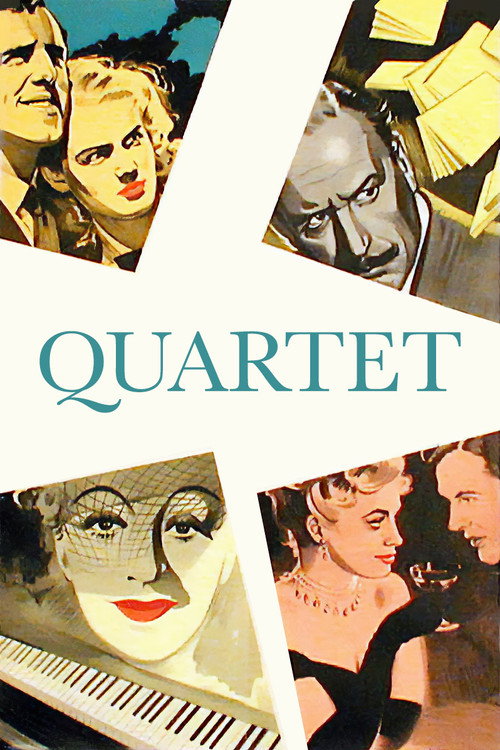
Quartet1948
Four Somerset Maugham stories, each a small character study. Excellent cast rotating through. Shows what British filmmaking could do with constraint and wit.
But As an anthology it's uneven, and none of the stories have the depth of *The Way to the Stars*.
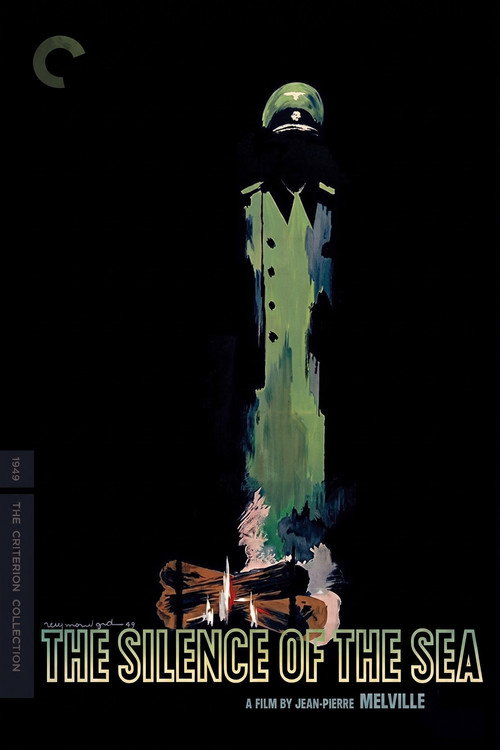
The Silence of the Sea1949
Both films understand that war's deepest cost isn't the combat—it's what it does to the interior life of people forced to live together. The occupied house mirrors the radar station.
A French Resistance allegory: a German officer quartered with a French family, all three trapped in unspoken tension. Filmed in black-and-white on almost no budget, it's devastatingly quiet. A masterpiece about what people don't say.
But It's slow and grave and European. The silence is the whole point, which means long stretches of very little happening.
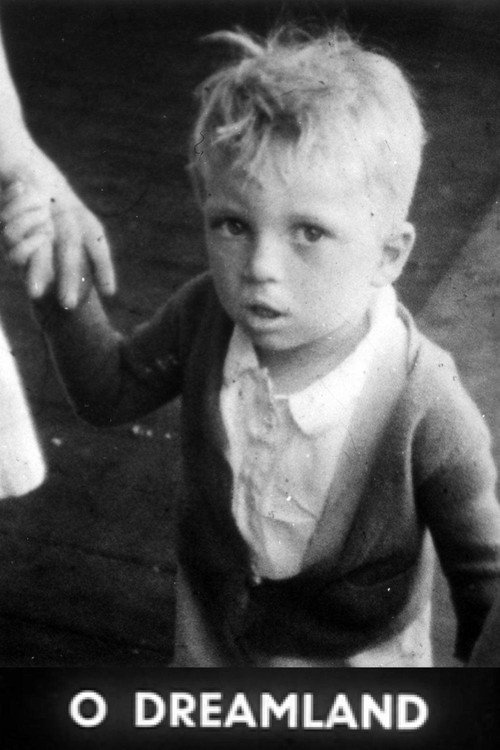
O Dreamland1953
Made the same year as *The Dambusters*, this looks at ordinary British people in the early 1950s with the same eye—affectionate, slightly sad, never condescending. One is high drama, one is a day at the fair. Both are elegies for a country catching its breath.
Lindsay Anderson's 12-minute documentary-poem about a seaside amusement park: garish, energetic, funny, and somehow heartbreaking about postwar Britain trying to have fun. It's *The Way to the Stars*' exact contemporary looking at the same country from the other end.
But It's a short. It's experimental. It's got no plot and no characters. Absolutely not what you expect from a recommendation.
People
Cast
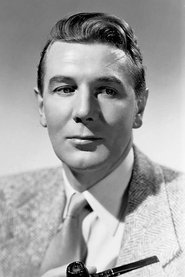 Michael RedgraveFlight Lt. David Archdale
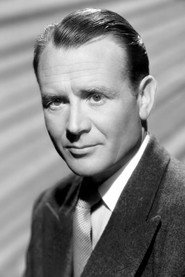 John MillsPilot Officer Peter Penrose
 Rosamund JohnMiss Todd
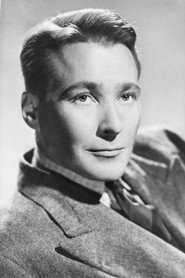 Douglass MontgomeryJohnny Hollis
 Renée AshersonIris Winterton
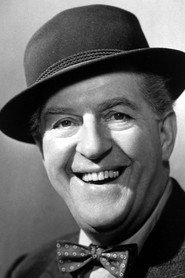 Stanley HollowayMr. Palmer
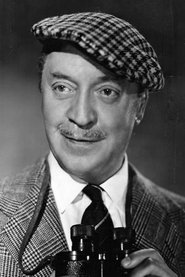 Basil Radford'Tiny' Williams
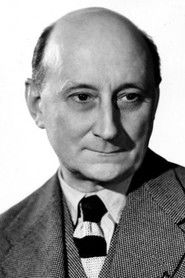 Felix AylmerRev. Charles Moss
 Bonar ColleanoJoe Friselli
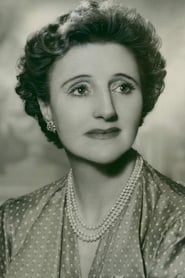 Joyce CareyMiss Winterton
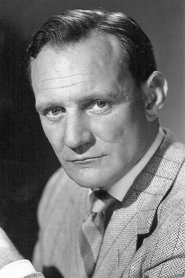 Trevor HowardSquadron Leader Carter
- Nicholas StuartColonel Rogers
Directing
- Anthony AsquithDirector
- Anthony HearneSecond Assistant Director
Writing
- Terence RattiganScreenplay
- Anatole de GrunwaldStory
- Terence RattiganStory
- Richard ShermanWriter
Production
- Anatole de GrunwaldProducer