
Film
Quartet
Other titles called Quartet: the 1981 film, the 2012 film.
- Drama
- Dip in and out
Four Somerset Maugham stories woven into a single film, each a miniature study of human nature—desire, ambition, regret, infidelity. Maugham himself appears as host and wit, introducing tales that are clever and cold-eyed without sentimentality. It's a perfect film for a winter evening when you want to feel understood about human weakness, not comforted.
If you liked this
The Red Shoes1948
Released the same year, equally composed and gorgeous. A woman torn between art and love; the price of ambition shown with painterly precision. The Powell-Pressburger hallmark of beauty masking something ruthless.
But Moves slowly by design. If you want narrative momentum rather than moral architecture, you'll feel it dragging.

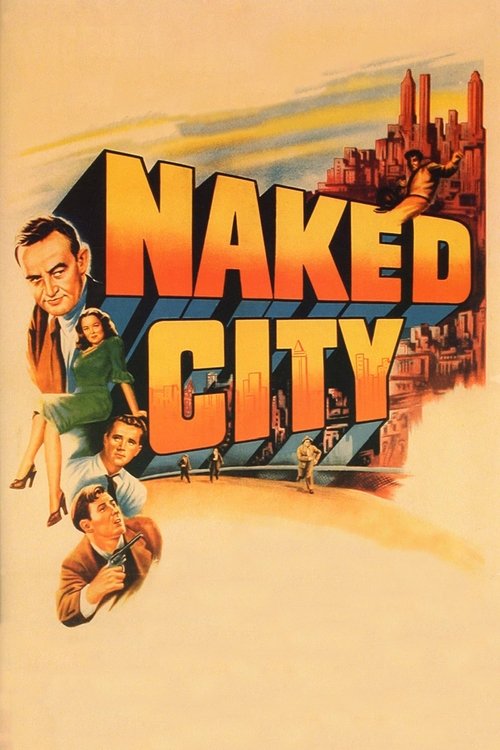
The Naked City1948
Also 1948, also a gem often forgotten. New York as a character; a murder mystery that cares more about human minutiae than plot. Dassin's eye for ordinary people and the city's textures feels like Maugham translated to film noir.
But The mystery itself is thin. You're watching for the city and the people, not the whodunit payoff.
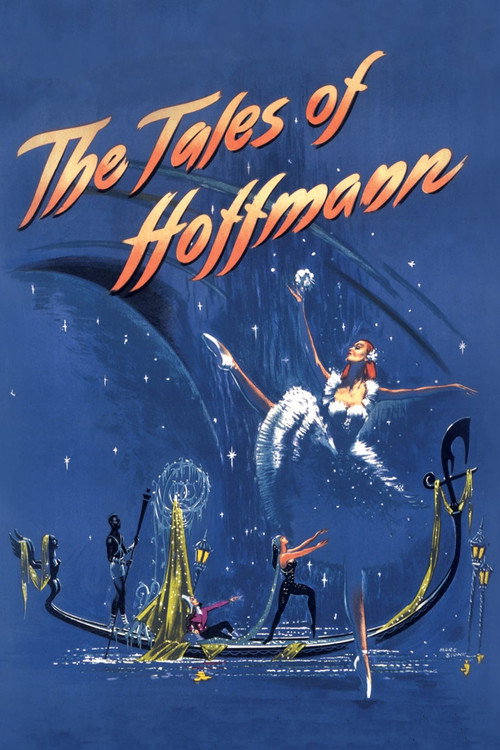
The Tales of Hoffmann1951
Powell and Pressburger again, another anthology of stories with operatic ambition and psychological precision. Three tales of obsession and desire, visually ravishing. If you loved Quartet's architecture, this takes it further.
But Operatic means it demands patience with artifice. The artificiality is the point, but it's not for everyone.
Not sure tonight? Get a pick in a minute, starting from Quartet
The wildcard
Something you would not have found on your own.
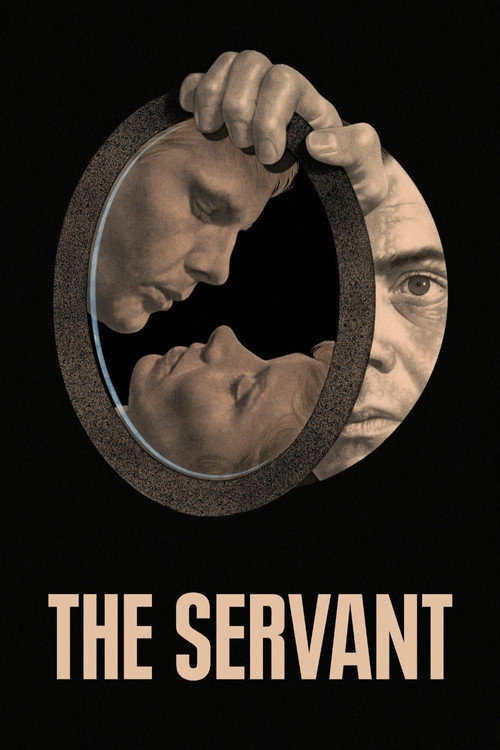
The Servant1963
Both films treat social hierarchies and self-deception as the real plots. Maugham's comedy becomes Losey's tragedy, but the engine is identical: people performing roles until the performance becomes the truth.
Losey's inversion of the master-servant relationship; a man hires a valet and loses control of his own house. Like Maugham, it's about social performance and the masks we wear, but here the dynamics shift and corrupt. Deeply unsettling. A parable about power wearing away at those who think they have it.
But Bleak and suffocating. There's no redemption here, only the spectacle of a man unmade. Some viewers find it cruel.
More like this (8)
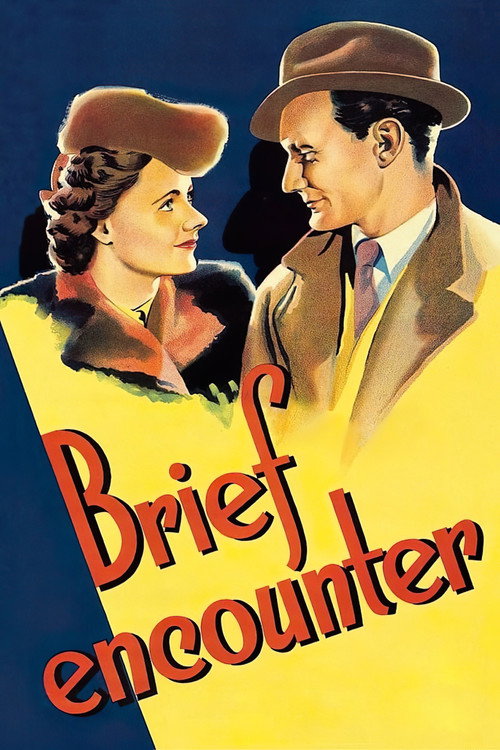
Brief Encounter1945
Coward's restrained masterpiece about infidelity and the small betrayals of ordinary life. Like Maugham, it finds tragedy in compromise. Two people meeting in a station café, desire meeting duty.
But Shot through with melancholy. There's no triumph here, only the quiet ache of roads not taken.
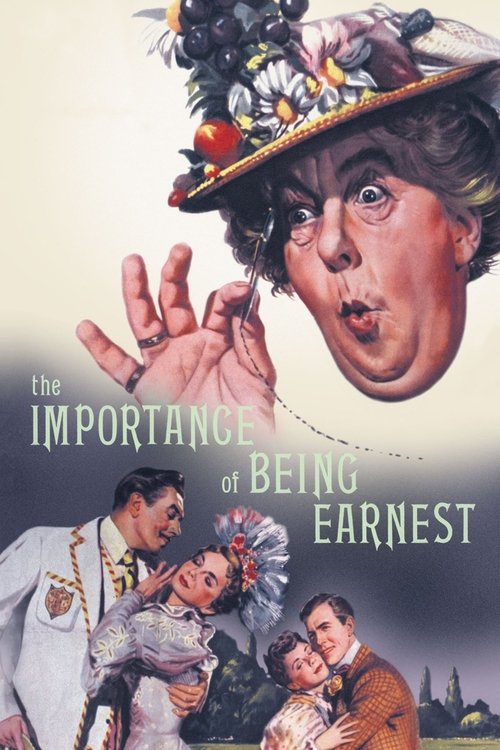
The Importance of Being Earnest1952
Wilde adapted by Asquith; surfaces glittering over moral chaos. Compartmented lives and lies told for pleasure. The same world as Maugham—upper-class London where everything is performance and nothing is true.
But Campy and theatrical. If you prefer realism to artifice, this will feel too arch.
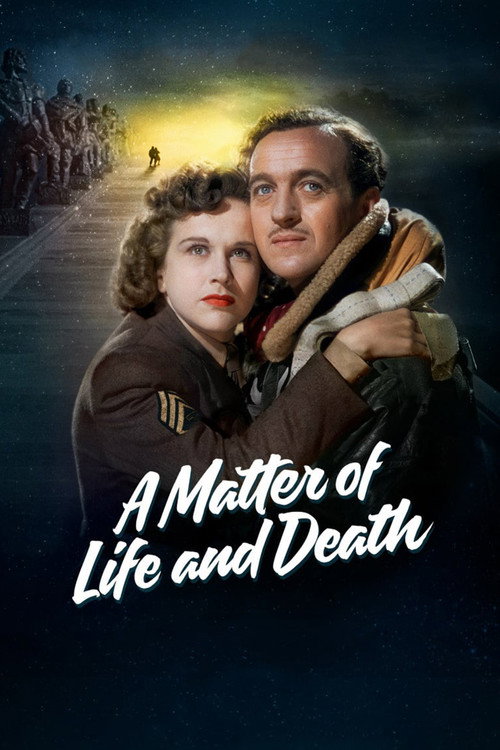
A Matter of Life and Death1946
Powell and Pressburger's meditation on chance, love, and whether anything means anything. A pilot chooses life over duty. The visual ambition—Heaven photographed, Earth in Technicolor—serves the moral question, not the reverse.
But The fantasy element may feel overwrought if you want your stories grounded in the actual world.
The Third Man1949
Greene and Welles in Vienna after the war. A man discovers his friend is not who he thought. Friendship and betrayal; loyalty tested by truth. The zither score and the shadows capture the moral confusion that Maugham also loved.
But Can feel more famous than fresh. Everyone's seen it or thinks they have. The Third Man casts a long shadow.

Rope1948
Hitchcock. Two men murder a former classmate and hide his body in a chest while hosting a dinner party. Chambers of human depravity and the performance of normalcy. As much about manners and concealment as it is about crime.
But Shot in real-time with virtually no cuts. Claustrophobic by design. If you need visual variety, you'll feel confined.

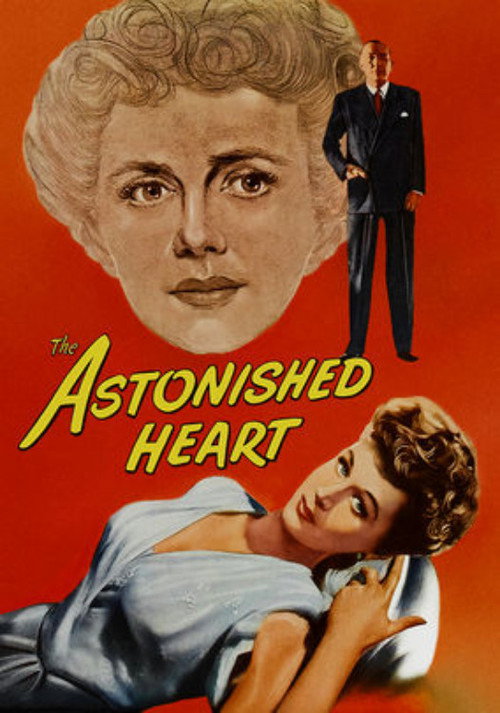
The Astonished Heart1950
Also Coward, also about desire and the lies we tell ourselves. A psychoanalyst falls into passion outside his marriage. Brittle, sad, and aware that everyone involved is fooling themselves.
But Coward wrote it and stars in it, and it shows. Self-indulgent and sometimes precious. The feeling of watching someone else's private fantasy.
Ikiru1952
Both use the framework of separate lives and small stories to ask the same question: what makes a life matter? Maugham answers with irony and wit; Kurosawa answers with humility and tears. Same structure, opposite registers.
Kurosawa's film about a man discovering he is dying and searching for meaning in a life spent on paperwork. Four stories, four lives; Maugham in Japanese, monochrome, shot through with quiet devastation. A bureaucrat finds grace in the smallest act of creation. One of cinema's greatest films about human worth.
But Slow, meditative, and very long. The pacing asks you to sit with grief rather than escape it. Not a comfort film.

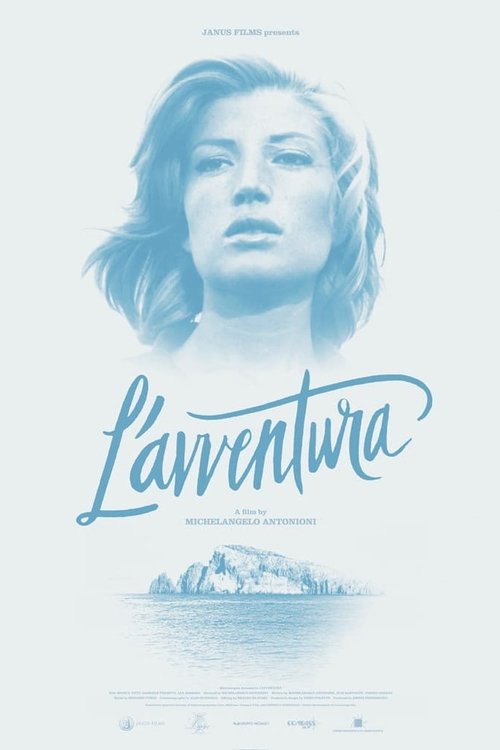
L'Avventura1960
Both films distrust explanations. Maugham tells you the story and invites you to judge; Antonioni shows you fragments and suggests you're judging nothing. Same skepticism of human motivation, opposite approaches to form. Both say: people are opaque, and that's the point.
Antonioni. A woman disappears from a boat, and the film follows the people left behind as they drift into love, boredom, and indifference. Like Quartet, it's a suite of human nature studies—but fragmentary, visual, contemporary. Character as a series of gestures and evasions rather than neat stories.
But Plotless and deliberately so. Shot in a hypnotic monotone. If you need narrative to carry you, this will feel like watching paint dry, and Antonioni doesn't care if you get bored.
People
Cast
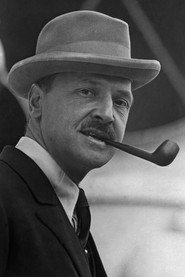 W. Somerset MaughamHimself
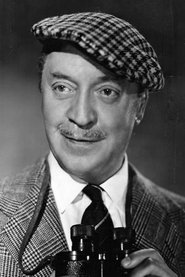 Basil RadfordHenry Garnet (segment "The Facts of Life")
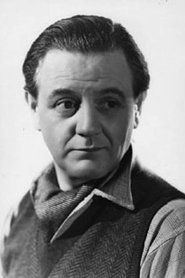 Naunton WayneLeslie (segment "The Facts of Life")
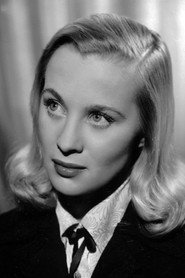 Mai ZetterlingJeanne (segment "The Facts of Life")
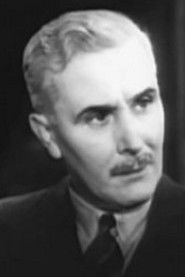 Ian FlemingRalph (segment "The Facts of Life")
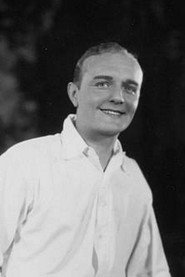 Jack RaineThomas (segment "The Facts of Life")
- Angela BaddeleyMrs. Garnet (segment "The Facts of Life")
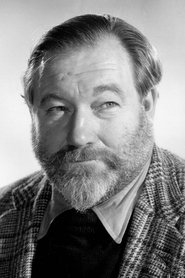 James Robertson JusticeBranksome (segment "The Facts of Life")
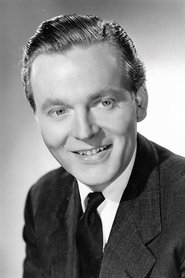 Jack WatlingNicky Garnet (segment "The Facts of Life")
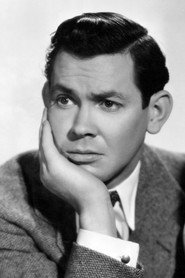 Nigel BuchananJohn (segment "The Facts of Life")
- Jean CavallCabaret Artist (segment "The Facts of Life")
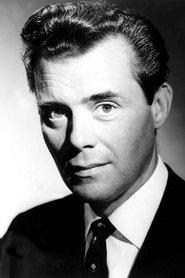 Dirk BogardeGeorge Bland (segment "The Alien Corn")
Directing
- Arthur CrabtreeDirector
- Harold FrenchDirector
- Ken AnnakinDirector
- Ralph SmartDirector
Writing
- W. Somerset MaughamStory
- R.C. SherriffWriter