
Film
Patita
A 1953 Indian melodrama about Radha, a young woman begging to support her ailing father, whose life changes when she meets Nirmal and glimpses a way out of poverty. It's intimate and emotionally direct, unafraid of sentiment and social realism. For anyone drawn to classic cinema that wears its heart openly, or curious about early Hindi film beyond the musical numbers.
If you liked this
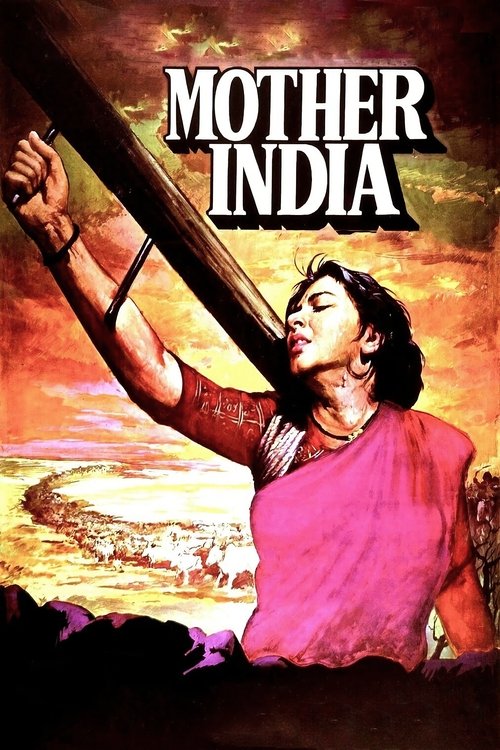
Mother India1957
Mehboob Khan's masterpiece about a woman's sacrificial love and dignity in rural India. Epic in scope but rooted in intimate family drama, with performance and cinematography that still devastate.
But Three and a half hours, subtitled, and the melodrama is unironic—if you need emotional restraint or quick pacing, this will test you.
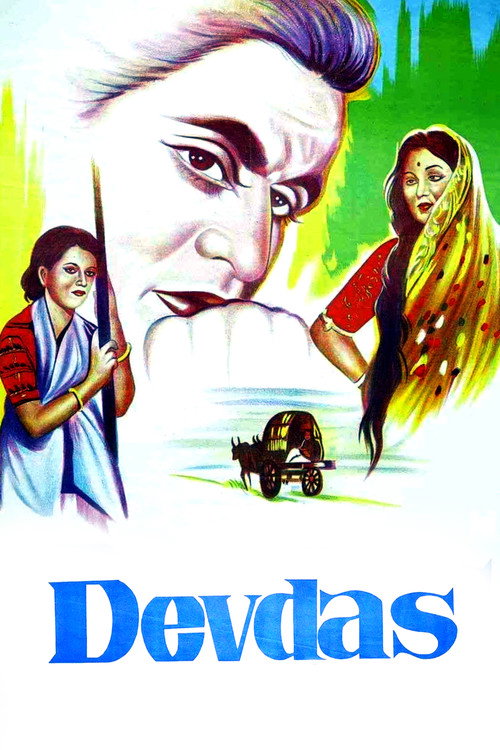
Devdas1955
Bimal Roy's sumptuous adaptation of Saratchandra Chatterjee's novel, with Dev Anand (your film's lead) in a role that defined him. Romance, class collision, and visual beauty in almost unbearable measure.
But The fatalism can feel suffocating, and the male self-pity, however aestheticized, may wear thin. Also nearly three hours.
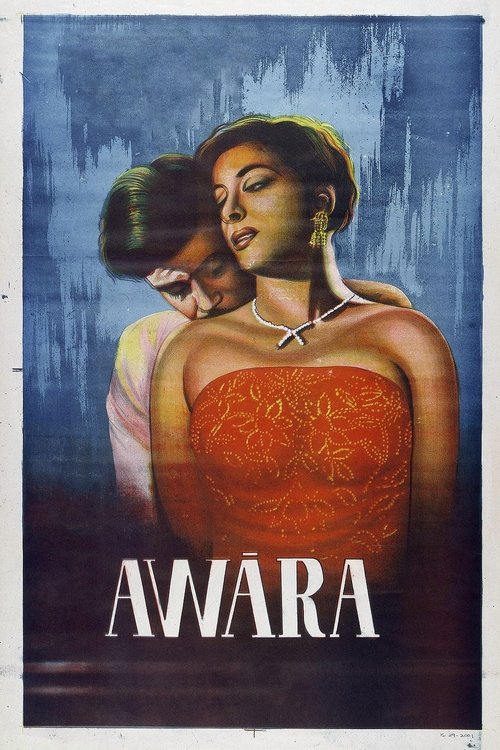
Awaara1951
Raj Kapoor as a man from the slums trying to escape his past through love and ambition. Masterful blend of social consciousness and romantic melodrama, with Kapoor's physical charisma commanding every frame.
But The coincidences pile up, and the class moralizing can feel dated. Some find Kapoor's style of performance mannered by modern standards.
Not sure tonight? Get a pick in a minute, starting from Patita
The wildcard
Something you would not have found on your own.
Bicycle Thieves1948
Both films trust the audience to feel the weight of economic desperation through lived detail rather than dramatic peaks. Radha begging and the father searching for his bicycle are the same story—survival that grinds at the spirit.
Vittorio De Sica's Italian neorealist masterpiece about a man and boy searching Rome for a stolen bicycle—their livelihood depends on it. Shot on streets with non-actors, it's cinema as witnessing. Like Patita, it finds dignity and heartbreak in poverty without looking away.
But Deliberately slow and observational; nothing is resolved neatly. If you expect narrative momentum or catharsis, you'll feel cheated. It's about endurance, not solution.

More like this (6)
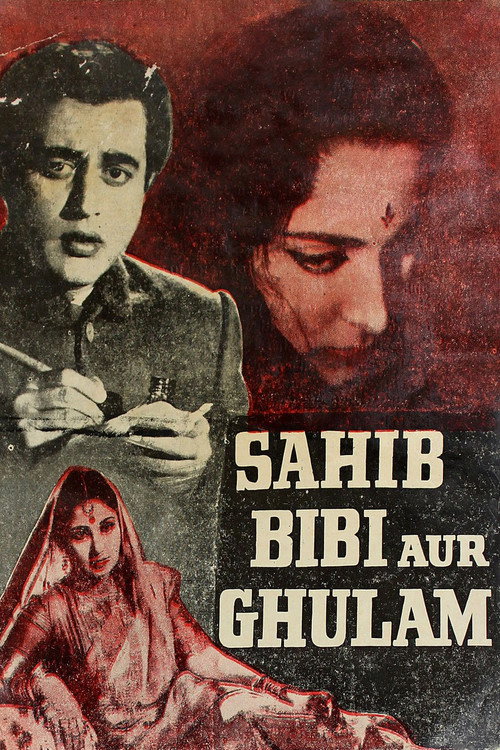
Sahib Bibi Aur Ghulam1962
Abrar Alvi's study of class, desire, and moral compromise in colonial Calcutta. Visually sumptuous, morally complex, with Meena Kumari in a role of devastating depth. Intoxicating cinema.
But The central relationship is deeply unhealthy, and the film doesn't judge it so much as study it. That discomfort is intentional but not easy.
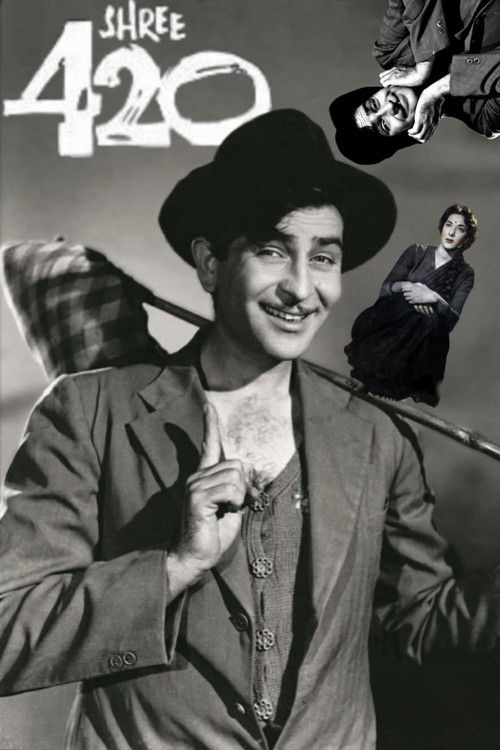
Shree 4201955
Raj Kapoor again, but as a small-time con man trying to navigate Bombay's streets. It's funnier, lighter, more fun than Awaara, but with the same social conscience underneath. A genuine crowd-pleaser.
But The tone bounces—comedy to sentiment to melodrama—and some beats feel contrived. The ending moralizing can seem heavy-handed.
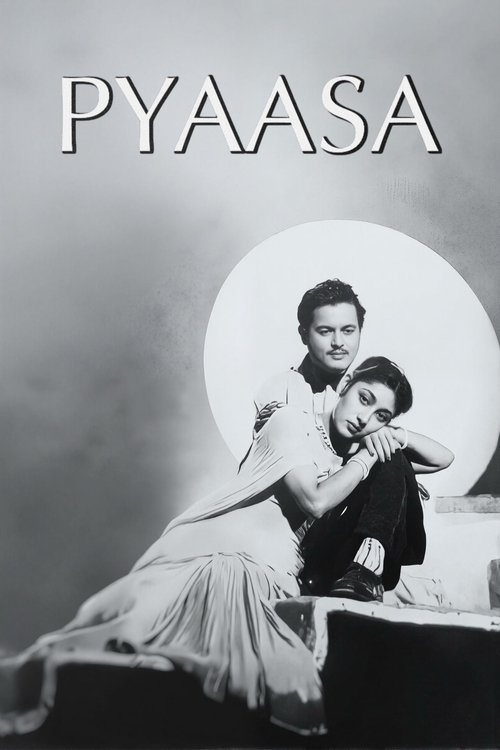
Pyaasa1957
Guru Dutt's masterpiece about a poet nobody wants, spurned by society and love. Bleak, beautiful, and angry in ways most cinema wasn't. Visual composition and existential dread that predates the French New Wave's influence.
But Relentlessly dark and pessimistic. There is no redemption, no silver lining. If you're seeking uplift, this will feel cruel.
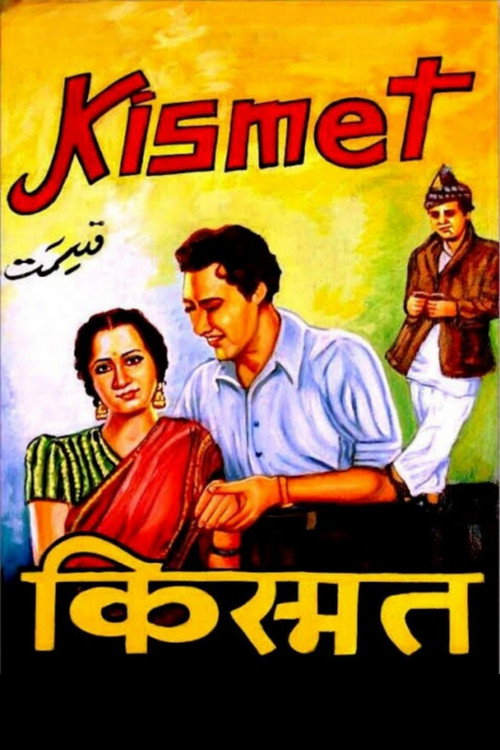
Kismet1943
Subodh Mukherjee's thriller about a con man, with Ashok Kumar in a role of effortless cool. It moves, it surprises, and it captures Bombay as a place of quick fortunes and faster falls.
But Older film stock and technique; the style will feel distant. The plot hinges on coincidences that strain credibility even for melodrama.
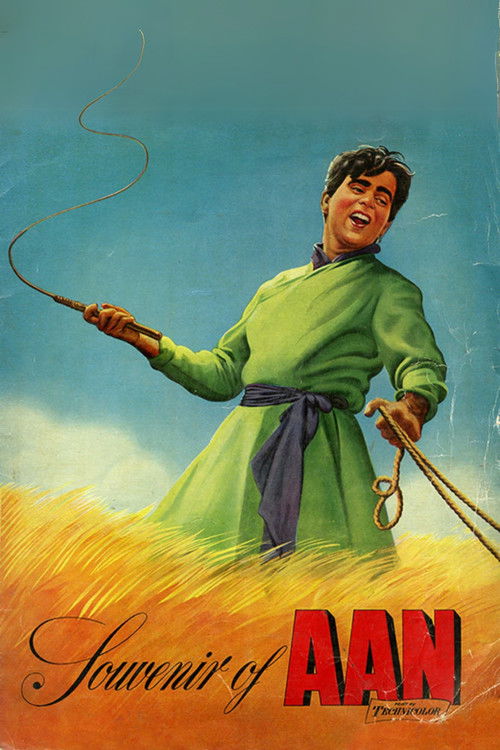
Aan1952
Mehboob Khan's Technicolor adventure about honor, love, and sword-fights. It's spectacle and sincerity in equal measure, gorgeously shot, and utterly committed to its own absurdity in the best way.
But The dialogue is stagy, the plot threadbare, and modern viewers sometimes mistake earnestness for camp. It requires you to meet it on its own terms.
Tokyo Story1953
Both locate the deepest emotion in the ordinary and the unsaid. Patita's power comes not from melodramatic incident but from the texture of struggle; Ozu works in the texture of time. Both trust cinema to hold space for what cinema usually rushes past.
Ozu's film about an aging couple visiting their son in Tokyo after the war. Nothing happens, exactly. A family sits, talks, eats. And it becomes the most moving film ever made about time, loss, and how love persists in small moments. Filmed in the same year as Patita.
But Plotless. Shot in long, static frames. Dialogue often sounds trivial. Modern audiences trained on pace and conflict will feel bored. That boredom is the point—it's where the feeling lives.

People
Cast
Directing
- Amiya ChakrabartyDirector