
Film
Yoyo
A French silent film (mostly) about a millionaire's son who loses everything and reinvents himself as a circus clown. It's a visual comedy full of slapstick, acrobatic gags, and physical theatre—a love letter to silent cinema made in 1965, delighting in what bodies can do without words.
If you liked this
Singin' in the Rain1952
Pure joy expressed through movement and song. Gene Kelly and Donald O'Connor prove that spectacle and sincerity aren't opposites. The pinnacle of what happens when technique becomes art.
But If you're tired of old Hollywood excess or find musical numbers indulgent, it can feel like a historical artifact rather than a living film.

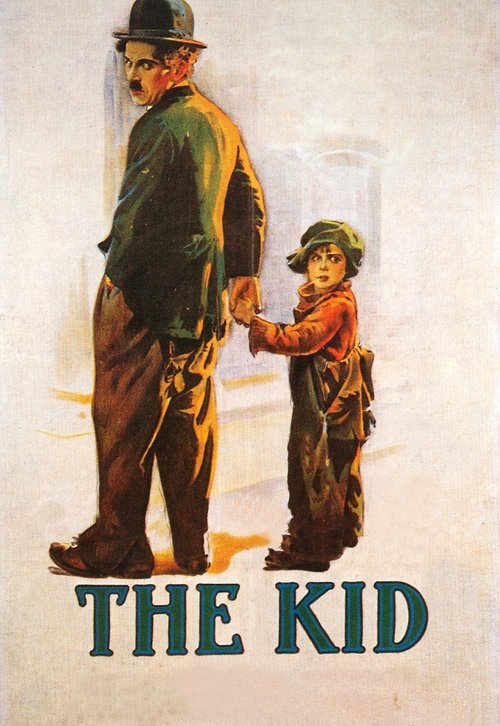
The Kid1921
Chaplin's masterpiece: a tramp and a abandoned boy against the world. It's funny and crushing in equal measure, managing to be both comedy and genuine emotional drama without ever losing pace.
But Silent film's pacing and acting conventions will feel alien if you're not accustomed to them. The sentimentality can overwhelm modern viewers used to irony.
Bicycle Thieves1948
Italian neorealism at its finest. A father and son hunt through Rome for a stolen bicycle in a film that finds both heartbreak and humanity in ordinary struggle. Deeply moving without sentimentality.
But Deliberately unglamorous and slow-paced. If you need plot momentum or a traditional narrative arc, this will frustrate you. The ending is designed to wound.

Not sure tonight? Get a pick in a minute, starting from Yoyo
The wildcard
Something you would not have found on your own.
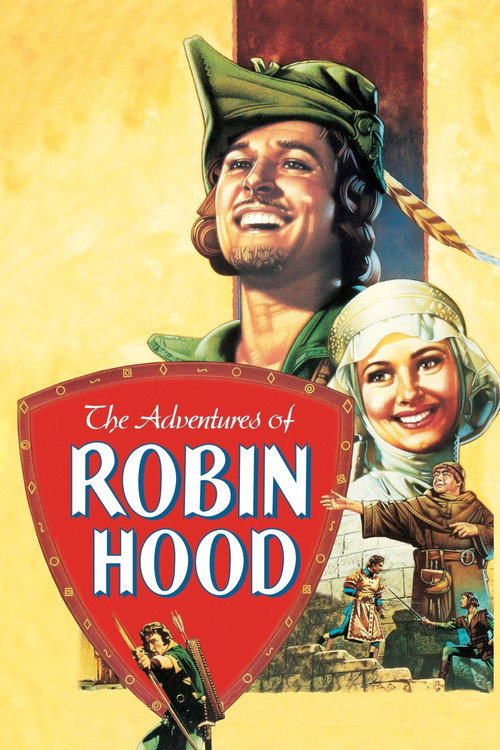
The Adventures of Robin Hood1938
Both films are love letters to physical performance and movement as cinema's native language. Where Yoyo is silent pantomime, Robin Hood is dashing acrobatics—different registers, same faith that bodies tell stories better than words.
Errol Flynn at his peak in Technicolor so vivid it feels dangerous. It's a swashbuckler that actually swashes and buckles—choreographed, witty, physically exuberant filmmaking that hasn't aged a day.
But Unapologetically a Hollywood fantasy of the 1930s. If you need realism or moral complexity, the derring-do and romance will feel lightweight and dated.
More like this (7)
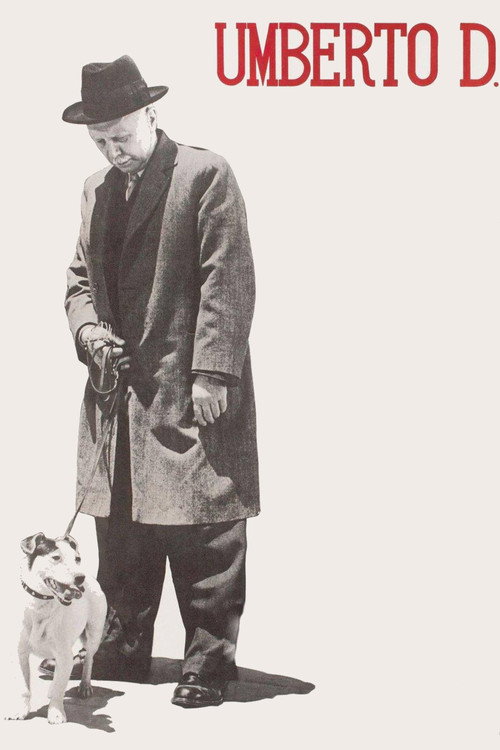
Umberto D.1952
An elderly pensioner and his dog struggle to survive in postwar Rome. It's tender, funny, and politically angry all at once. A small film that contains whole worlds of dignity and despair.
But Plotless and contemplative. The pacing is deliberate almost to the point of stillness. Modern audiences often find it slow without finding it meditative.
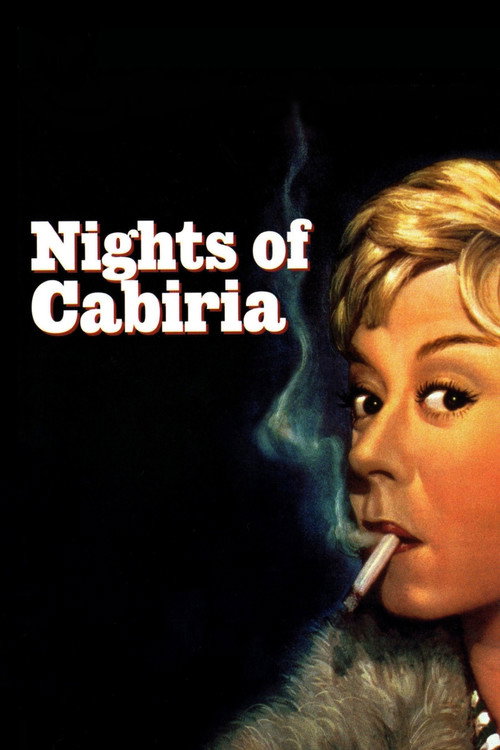
Nights of Cabiria1957
Fellini's masterwork about a Roman prostitute searching for love and meaning. Claudia Cardinale is radiant; the film is sad, funny, and visually sumptuous in ways that stick with you for years.
But It's melancholic beneath the glitter, and Fellini's sentimentality won't appeal to everyone. Some will find it dated; others will find it indulgent.
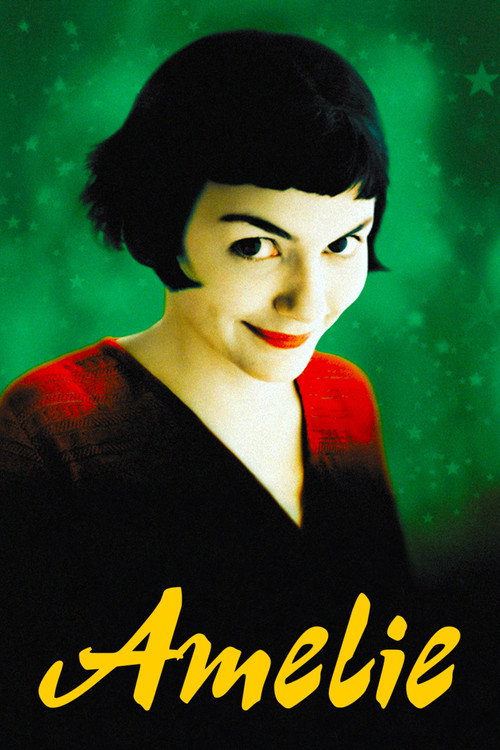
Amélie2001
A French film about small kindnesses and whimsy, shot like a storybook come to life. It's sweet without being cloying, visually inventive, and genuinely funny. A gateway to loving cinema itself.
But Its cuteness can overwhelm. The indie-quirk aesthetic hasn't aged well for everyone. Some find it aggressively charming in a way that feels manipulative.
The Seventh Seal1957
Bergman's iconic meditation on mortality and meaning, played as philosophical chess with Death himself. Visually stunning, intellectually rigorous, and genuinely unsettling in the best way.
But Bleak and slow. If you need lightness or momentum, this will feel like homework. The allegory can feel heavy-handed to modern viewers accustomed to subtler storytelling.

M1931
Fritz Lang's thriller about a serial killer hunted by both police and the underworld. It invented half the techniques of suspense cinema. Technically brilliant and morally complex decades ahead of its time.
But The sound design is primitive by modern standards. The pacing is deliberate. And the subject matter—the murder of children—is disturbing in ways the film doesn't soften.

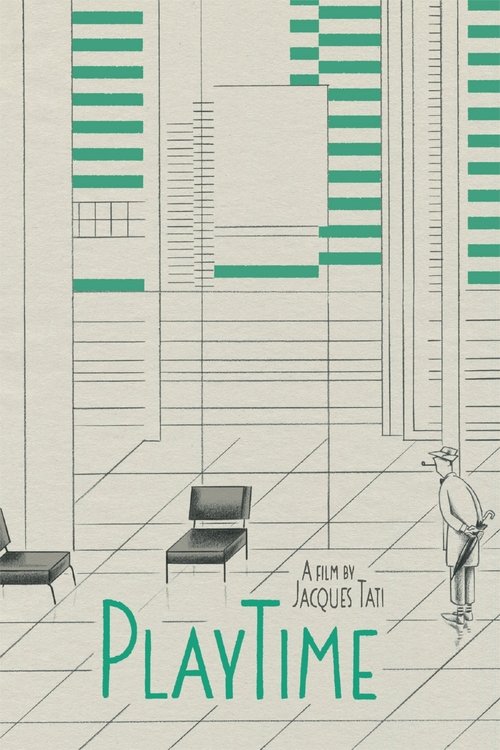
PlayTime1967
Both are masterclasses in silent visual storytelling made after sound had conquered cinema. Both insist that what matters is what you see, not what you hear. Tati learned from Keaton; Yoyo learned from both.
Jacques Tati's geometrically precise comedy about a man lost in a modernist Paris of his own design. Watch it for the architecture of the gags: physical comedy as spatial puzzle, silent film as urban landscape.
But It's glacial and demanding. The joke is often in the frame's background while nothing happens in the foreground. If you need a protagonist or emotional stakes, you'll find it alienating and cold.
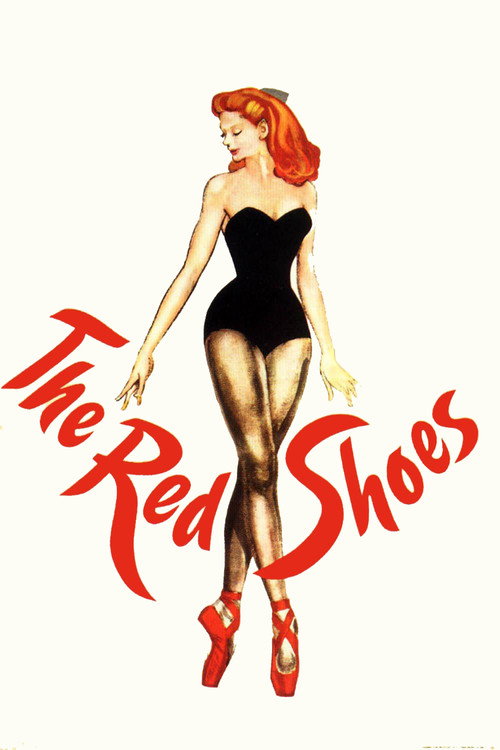
The Red Shoes1948
Like Yoyo, it uses the circus/performance world as both setting and metaphor. Both films are about humans transforming themselves through spectacle, and both understand that transformation comes at a cost. Both know that movement and design matter more than plot.
Powell and Pressburger's ballet film is technically audacious: a twenty-minute fantasy sequence filmed entirely as dance. It's about obsession, beauty, and art as a form of domination. Visually overwhelming and morally complicated.
But It's operatic and artificial—nothing feels naturalistic. The ballet sequence goes on for a very long time. The ending is deliberately tragic and will frustrate those seeking catharsis.
People
Cast
 Pierre ÉtaixYoyo / The Millionaire
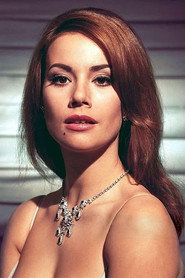 Claudine AugerIsolina
- Philippe DionnetYoyo enfant
- Luce KleinL'écuyère
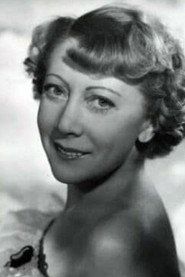 Martine de BreteuilMadame de Briac
 Philippe CastelliLe domestique
 Luc DelhumeauLe douanier
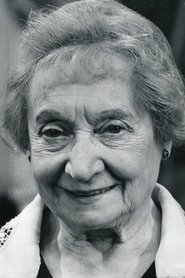 Gabrielle DoulcetLa dame au collier
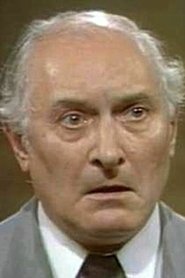 Pierre MoncorbierLe pique-assiettes
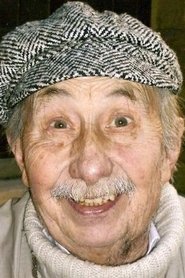 Roger TrappLe représentant en farces et attrapes
- Nono ZammitUn artiste du cirque
- PinderElephant Wrangler
Directing
- Pierre ÉtaixDirector
Writing
- Jean-Claude CarrièreScreenplay
- Pierre ÉtaixScreenplay
Production
- Paul ClaudonProducer