
Film
Passage
- Slow-burning
Passage is a 54-minute documentary installation that immerses you aboard a barge traveling the Dutch waterways known as the North-South corridor. Shot with patient, observational clarity, it's a slow-cinema meditation on infrastructure, landscape, and the people who work these routes. For viewers who find rhythm and beauty in unhurried observation rather than narrative momentum.
Should you watch it?
Watch it if you like being carried through a place at the pace of the water, letting landscape and passing life do the talking instead of a plot pulling you forward.
Skip it if you need a story, characters or any sense of where it is heading, since this is a single slow passage with nothing to hold onto beyond the view.
What it asks of you: Expect close to an hour of steady drift at the speed of a barge, with long stretches where the view barely shifts and you are asked simply to keep looking.
Not sure? Find tonight's pick in a minute.
If you liked this
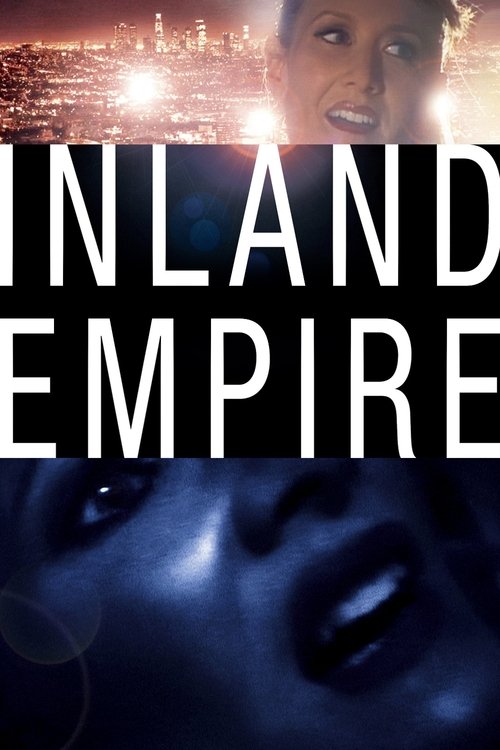
Inland Empire2006
David Lynch's three-hour experimental odyssey through Los Angeles and Eastern Europe uses repetition, spatial confusion, and hypnotic sound design to create an almost documentary-like immersion in place and dislocation.
But It abandons conventional narrative entirely. Long stretches feel deliberately opaque, and Lynch seems more interested in atmosphere than meaning—patience required.
Sans Soleil1983
Chris Marker's essay film glides across geography and memory with philosophical grace, using travel and landscape as entry points to think about time, politics, and what we notice when we slow down enough to see.
But No narrator guides you; it's fragmented, poetic, and demands active attention. Some will find it beautiful; others will find it frustratingly vague.

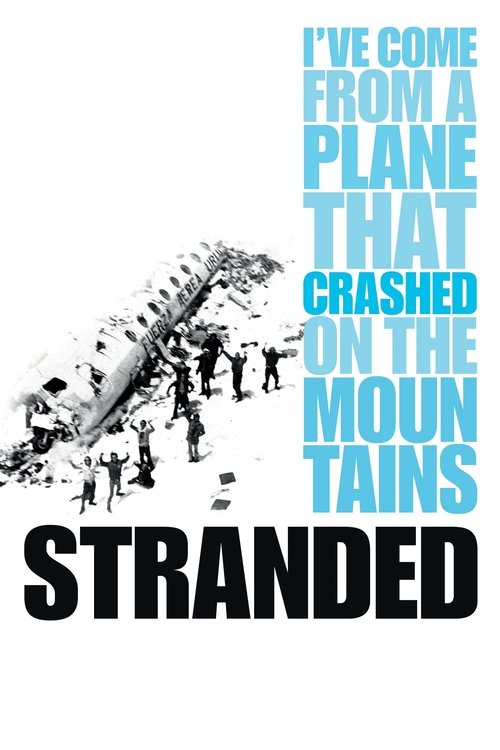
Stranded: I've Come from a Plane That Crashed on the Mountains2007
Miguel Gomes reconstructs the 1992 crash of Martinair Flight 495 using landscapes, actors, and real testimonies, creating a haunting meditation on disaster and survival that moves like a fever dream.
But The pacing is glacial and the approach oblique. It's more art than journalism, and some viewers will feel it obscures rather than clarifies the story.
Not sure tonight? Get a pick in a minute, starting from Passage
The wildcard
Something you would not have found on your own.
Bicycle Thieves1948
Both locate significance in the overlooked infrastructure of daily life—in Passage, the barges and waterways; here, the bicycle and the streets themselves become the entire world.
Vittorio De Sica's neorealist masterpiece follows an ordinary man searching for his stolen bicycle through Rome, finding profound humanity and heartbreak in everyday surfaces and small transactions. It proved cinema could find tragedy in the actual world.
But The story is genuinely bleak, the ending offers no comfort, and the film's power depends entirely on your willingness to invest in non-professional actors living unglamorous lives. Some will find it depressing rather than moving.

More like this (7)
Night and Fog1956
Alain Resnais's 32-minute documentary on the Holocaust uses austere observation, pacing, and juxtaposition to approach the unthinkable with rigor and moral weight. Essential viewing.
But Its subject matter is devastating. The formal approach, while powerful, can feel distant when dealing with such human horror.

Stalker1979
Tarkovsky's science-fiction meditation on desire and faith unfolds through long takes of industrial landscape and spiritual yearning. A guided journey through space and consciousness that rewards total attention.
But 163 minutes of unhurried pacing. If you need plot propulsion or dialogue to stay engaged, this will test you severely.

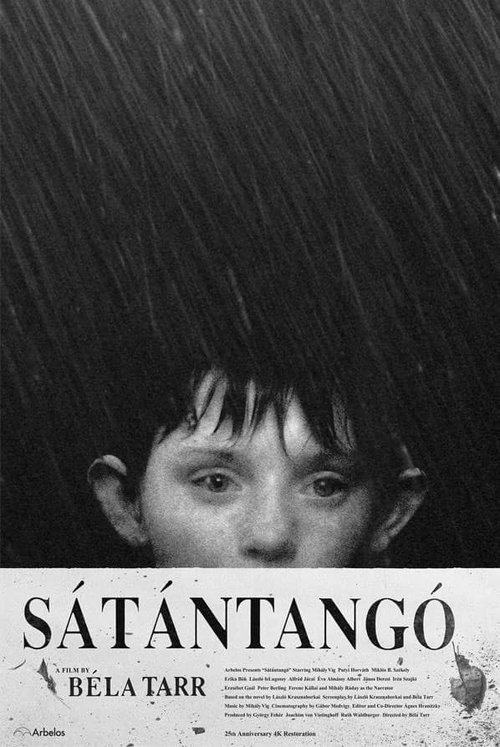
Satantango1994
Béla Tarr's seven-hour black-and-white Hungarian masterpiece is cinema at its most immersive—industrial decay, human desperation, and formal rigor combining into something hypnotic and unforgettable.
But It is punishingly long, shot in grainy monochrome, and the pacing is intentionally mournful. Not for viewers who need conventional comfort or movement.
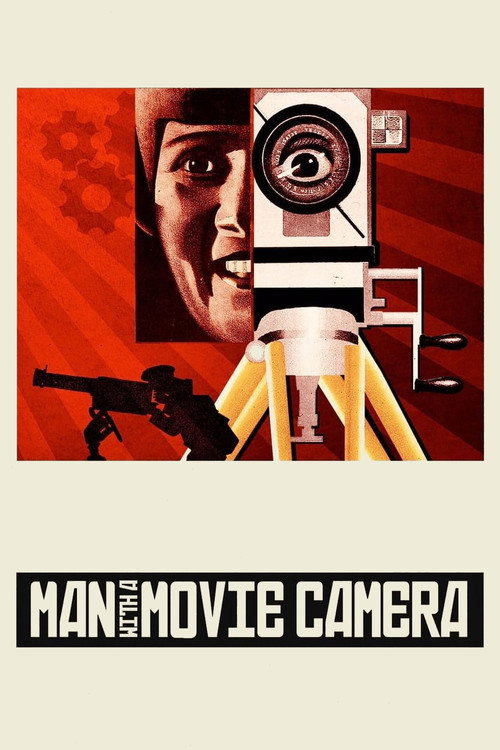
Man with a Movie Camera1929
Dziga Vertov's avant-garde Soviet documentary pioneers experimental filmmaking, capturing urban life with dizzying energy, creative editing, and a revolutionary vision of cinema as document and art combined.
But It has no dialogue or narrative spine—just pure sensory montage. Some will find it exhilarating; others will find it exhausting or archaic.
The Act of Killing2012
Joshua Oppenheimer gets Indonesian death-squad leaders to recreate their own murders on film, creating a terrifying, surreal document of impunity, denial, and the corrupting power of spectacle itself.
But Morally and emotionally disturbing. The formal playfulness can feel obscene when dealing with mass murder, and some viewers will find the approach manipulative.

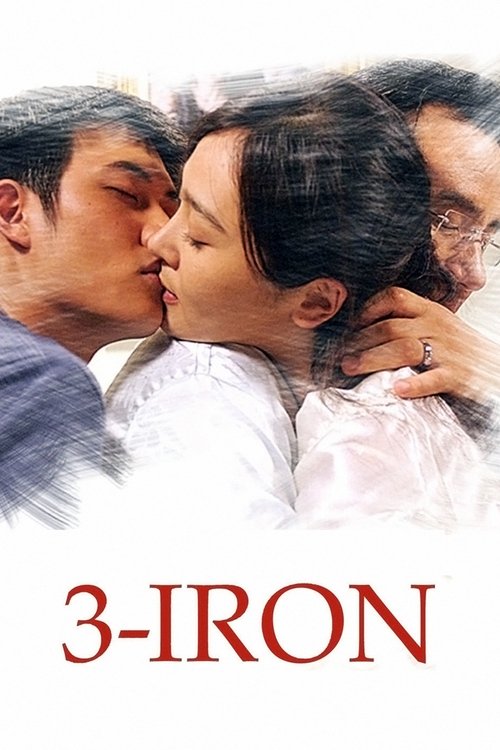
3-Iron2004
Kim Ki-duk's nearly silent film about a drifter who breaks into empty homes captures loneliness and connection through gesture, space, and visual poetry rather than dialogue or plot explanation.
But Almost no dialogue and minimal plot. The metaphorical abstraction and slow pacing will alienate anyone looking for concrete story or conventional character development.
The Ballad of Little Jo1993
Like Passage, it uses geographical and infrastructural space (frontier landscape rather than waterways) to explore how we move through and inhabit the world, with minimal dialogue and maximum observation.
Maggie Greenwald's revisionist Western quietly tells the true story of a woman who disguised herself as a man to survive the frontier, using landscape, silence, and period detail to explore identity and belonging.
But It's a deeply unglamorous Western with a glacial pace and deliberately muted emotional register. Fans of traditional action or drama may find it inert.

People
Directing
- Ben HendriksDirector
- Jascha de WildeDirector