
Film
3-Iron
- Social drama
- Romantic drama
- Slow-burning
A hypnotic South Korean film about a drifter who inhabits empty homes, leaving them improved for their owners' return. When he meets a woman fleeing domestic violence, their silent bond becomes an act of defiance. Contemplative and strange, it asks what home means and whether escape is possible. For patient viewers who prize mood over plot.
Should you watch it?
Watch it if you find meaning in silence and small gestures, and you're happy to let a story drift on looks and objects rather than explained motives.
Skip it if you need dialogue to carry the plot or want brisk momentum, since much of this unfolds in near-wordless stretches that can feel like waiting.
What it asks of you: Expect an unhurried hour and a half with little talking and patience for quiet images that carry the weight words usually would.
Not sure? Find tonight's pick in a minute.
If you liked this
Stalker1979
Tarkovsky's meditation on desire and the spaces we inhabit. Like 3-Iron, it moves slowly through environments, treating rooms and landscapes as characters. Both films trust silence to do the work.
But Methodically paced to the point of hypnosis. If you need plot momentum or dialogue to stay engaged, this will test your patience severely.

In the Mood for Love2000
Wong Kar-wai's ravishing study of attraction and restraint between two neighbours. Shares 3-Iron's belief that what's unsaid matters more than dialogue, and that longing can sustain an entire film.
But Visual and emotional rather than narrative-driven. The plot is gossamer-thin, and the film's languorous pacing won't appeal to viewers wanting clear story progression.

Mulholland Drive2001
Lynch explores identity, performance, and the LA landscape with dreamlike logic. Both films treat their settings almost as characters and ask viewers to sit with ambiguity and mood rather than clarity.
But Deliberately obscure and fragmented. It resists interpretation, which can feel frustrating rather than rewarding if you want a film to explain itself.

Not sure tonight? Get a pick in a minute, starting from 3-Iron
The wildcard
Something you would not have found on your own.
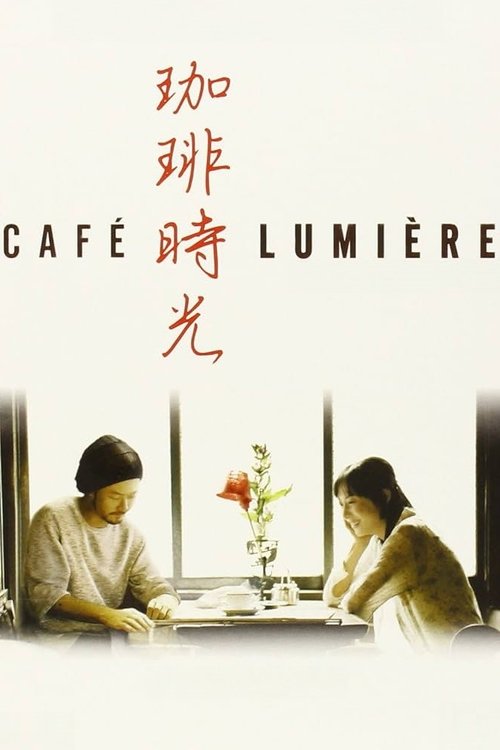
Café Lumière2004
Both films use architectural spaces—rooms, buildings, cities—as emotional landscapes where the protagonist's interior life is revealed through how they occupy and move through emptiness.
Hou Hsiao-hsien's Japanese film about a woman navigating Tokyo's train stations and apartments, finding meaning in transit and transience. Like 3-Iron, it treats urban spaces as intimate and dwells in the unspoken; the connection is a shared visual philosophy and faith in contemplation over plot.
But Almost nothing happens in conventional terms. It's an essay on movement and presence masquerading as narrative; some will find it profound, others will call it static.
More like this (8)
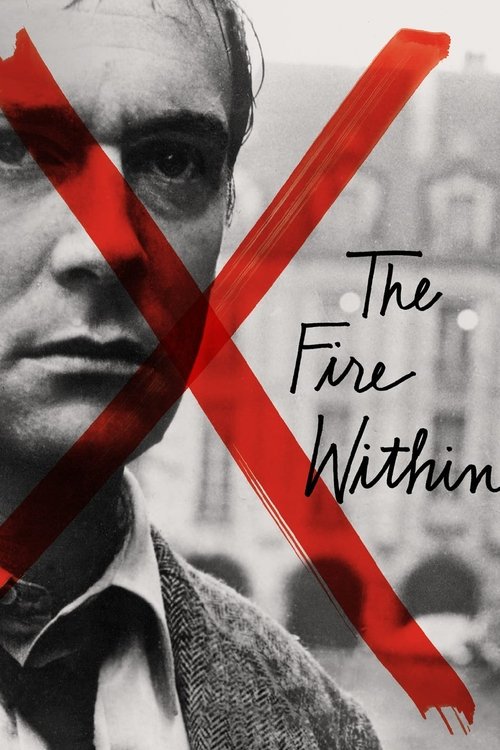
The Fire Within1963
Mouchette's portrait of quiet desperation and disconnection. Like 3-Iron, it finds profound emotion in restraint and observes how people move through spaces with a kind of melancholy grace.
But Bleak to the point of devastation. It's a portrait of depression without offering comfort or uplift; the emotional toll accumulates.
Spring, Summer, Fall, Winter... and Spring2003
Kim Ki-duk made this the year before 3-Iron—a minimalist Buddhist parable about a temple, its inhabitants, and cycles of violence and redemption. Same director, same visual poetry, same faith in silence.
But Barely a narrative exists. If you need plot or character development, this hermetic, meditative film will feel like a punishment.

A Prophet2009
Jacques Audiard's prison drama about a young man learning to survive in confined spaces. Shares 3-Iron's interest in how people carve out lives in rooms not their own and the bonds that form in isolation.
But Gritty and occasionally brutal. The prison setting and violence may overwhelm viewers seeking the lyrical, quieter register of 3-Iron.

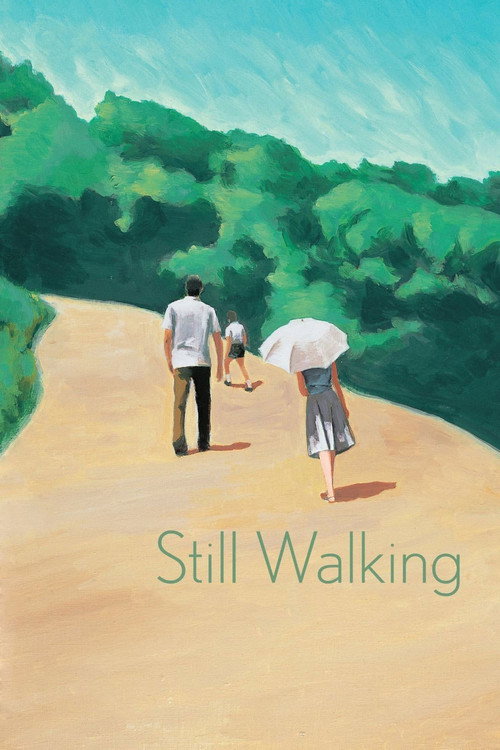
Still Walking2008
Hirokazu Kore-eda's film about a family gathering examines how we inhabit shared spaces and the weight of unspoken grief. Observational and tender, it values what lives between the lines.
But Deliberately undramatic. Its pleasures are subtle and require patience; viewers accustomed to more obvious emotional beats may find it slow.
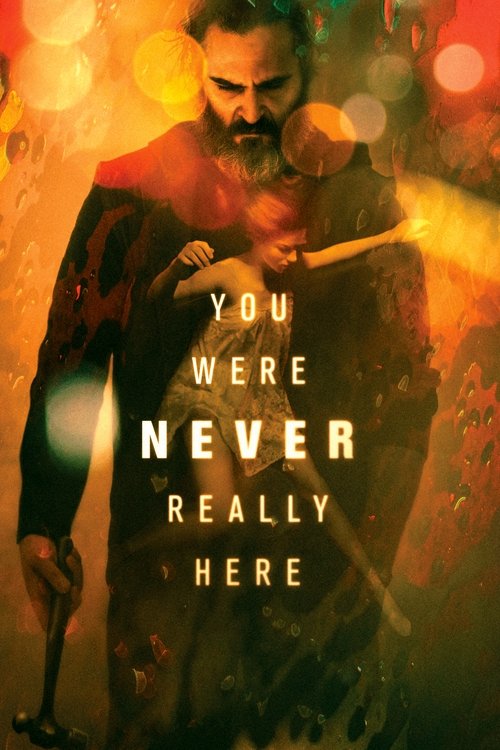
You Were Never Really Here2017
Lynne Ramsay's fragmented study of a damaged man navigating urban spaces and human connection. Both films use their environments and protagonists' isolation to explore redemption and the possibility of being seen.
But Fractured narrative and graphic violence create an almost unbearable psychological intensity. The formal experimentation and trauma can be more punishing than cathartic.
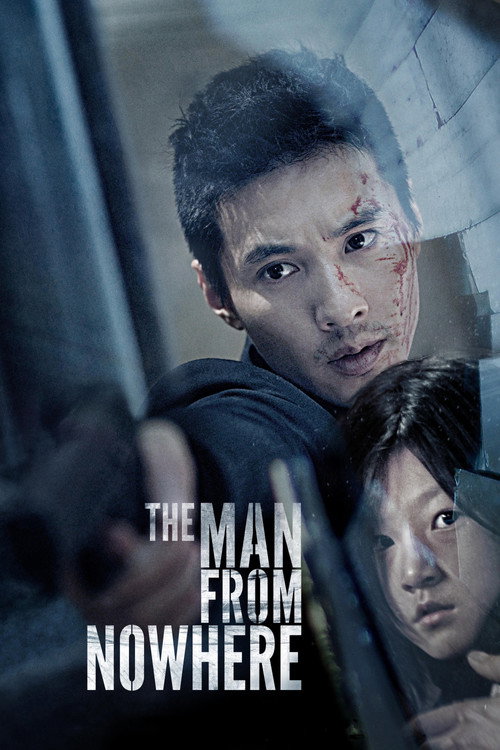
The Man from Nowhere2010
Won Bin plays a quiet drifter drawn into violence by proximity to a child. It echoes 3-Iron's focus on a mysterious protagonist and the sudden collision between isolation and human connection, though with action-thriller trappings.
But Shifts tone significantly toward conventional thriller violence. If you loved 3-Iron precisely for what it doesn't do, this directness will feel like a betrayal.
Funny Games1997
Both are structured around what it means to enter someone else's home uninvited, asking what boundaries exist and what violations mean—one gentle, one violent.
Michael Haneke's home-invasion thriller turns the violation of private space into a philosophical weapon. It inverts 3-Iron's premise—instead of a respectful drifter, hostile intruders—but shares its obsession with homes as moral territory.
But Aggressively hostile to the audience. It's confrontational, sadistic, and designed to make you uncomfortable; it rejects the beauty 3-Iron offers.

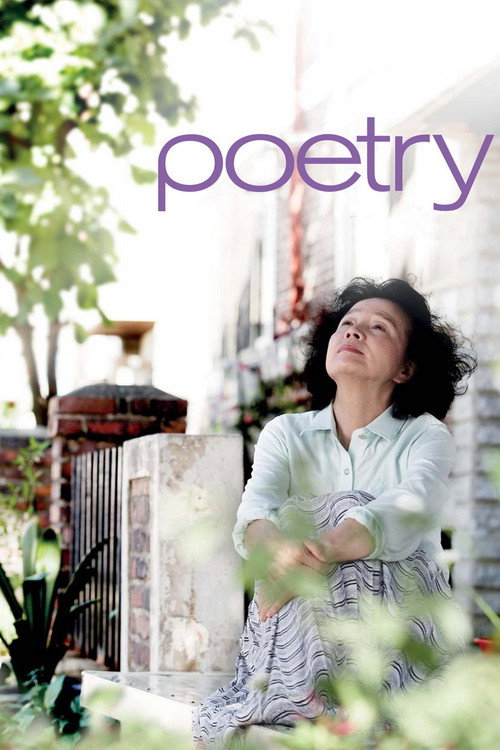
Poetry2010
Both are South Korean dramas that insist beauty and horror can coexist, and that art—or gesture, or presence—can redeem or illuminate the darkest acts.
Lee Chang-dong's film about an elderly woman discovering poetry while concealing a horrific crime. Like 3-Iron, it's a Kim Ki-duk film that finds grace and transcendence in the presence of beauty amid moral ambiguity and silence.
But The tonal shift from poetic reverie to moral horror is destabilizing. Some will feel moved; others will feel manipulated by the juxtaposition.
People
Cast
 Lee Seung-yunSun-hwa
 Jae HeeTae-suk
- Kwon Hyuk-hoMin-gyu
 Ju Jin-moDetective Jo
- Choi Jeong-hoJailor
 Lee Joo-sukSon of Old Man
- Lee Mi-ryeDaughter-in-law of Old Man
 Mun Seong-hyeokSung-hyuk
 Park Ji-aJee-ah
- Jang Jae-yongHyun-soo
- Rhee Dah-haeJi-eun
 Park Se-jinWoman in Studio
Directing
- Kim Ki-dukDirector
Writing
- Kim Ki-dukScreenplay
Production
- Choi Yong-baeExecutive Producer
- Michio SuzukiExecutive Producer
- Kang Yeong-guProducer
- Kim Ki-dukProducer
- Suh Young-jooProducer
Recommended by
Passage, Ain't Them Bodies Saints, The War of the Worlds: Next Century, All of Us Strangers, Lulu