
Film
Café Lumière
- Drama
- Slow-burning
A gentle, digressive meditation on motherhood, artistic legacy, and finding meaning in Tokyo's overlooked corners. Hou Hsiao-hsien's film moves like jazz—patient, contemplative, alive to small moments. For viewers who find profundity in conversation and quiet observation rather than plot.
If you liked this
Tokyo Story1953
A foundational portrait of Tokyo and family that prizes understated emotion and natural rhythm. Watching it before or after Café Lumière enriches both; Hou clearly learned from Ozu's unhurried wisdom.
But It moves at a deliberate pace that can feel like stasis if you're seeking conventional narrative momentum or dramatic peaks.

Mulholland Drive2001
Lynch shares Hou's fascination with cities as characters and the mystery of creative ambition. Both films layer surface beauty over unnamed losses and questions about who we become.
But It's far more cryptic and formally fractured—more deliberately withholding about its own meaning than Café Lumière's openness.

Stalker1979
Tarkovsky builds philosophical depth through long takes and digressive movement through space. Like Hou, he trusts silence and gives you permission to think rather than just watch.
But Soviet science-fiction abstraction; it's slower and far more metaphysically opaque. Café Lumière is rooted in daily life; this aims for the transcendent.

Not sure tonight? Get a pick in a minute, starting from Café Lumière
The wildcard
Something you would not have found on your own.
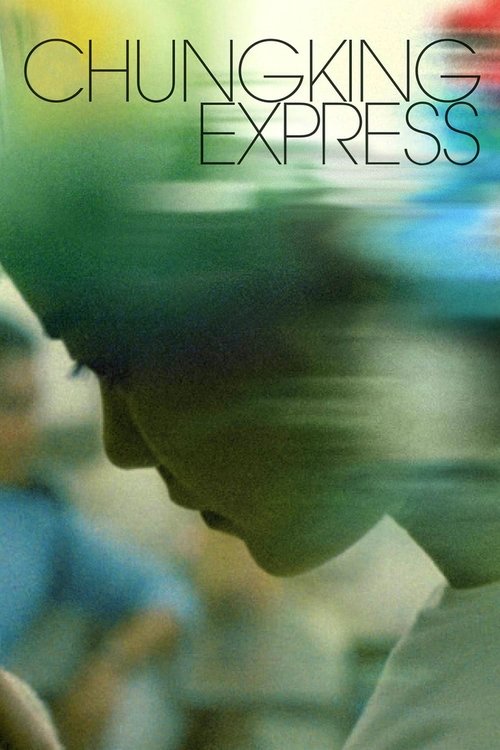
Chungking Express1994
Both are urban love stories disguised as something else, built on miniaturist observation of how strangers become meaningful to each other in the margins of a city.
Wong Kar-wai's Hong Kong romance moves in fragments and mood rather than story—a fugal structure of crossing paths and neon-lit longing. Pure cinema of atmosphere and fleeting connection.
But Wildly stylized and visually baroque; Café Lumière is austere and naturalistic where this is dreamlike and mannered.
More like this (7)
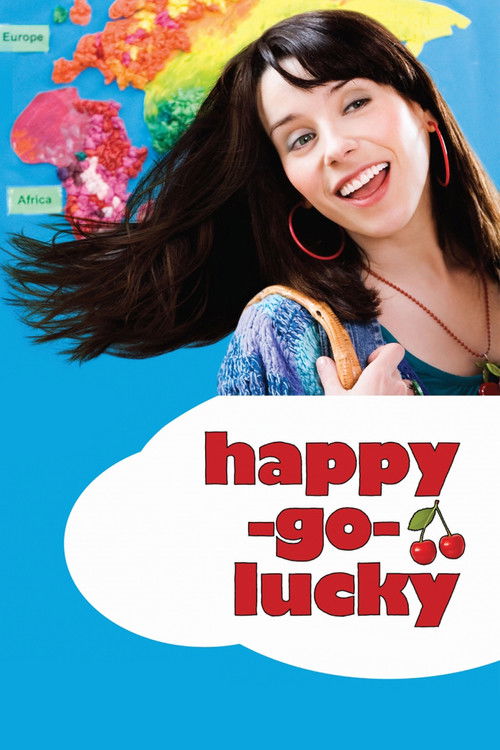
Happy-Go-Lucky2008
Mike Leigh's sketch of a spirited woman in modern London has the same affectionate, accumulative approach to character—building a portrait through small, true moments rather than plot incident.
But British comedy-drama registers differently; this is warmer and more socially specific to East London than Hou's aesthetic distance allows.
Clouds of Sils Maria2014
Assayas examines aging, artistic reinvention, and female friendship through long conversations and Swiss locations. Literary, digressive, and humane about creative ambition.
But Deliberately self-reflexive about cinema itself; it's more knowing than Café Lumière, which stays grounded in Yoko's interior life.

The Farewell2019
A multigenerational story about a Chinese family and the gaps between what we inherit and what we choose. Gentle humor and genuine tenderness about family as unknowable.
But More narrative driven and emotionally explicit than Hou's restraint; plot matters here in a way it doesn't in Café Lumière.

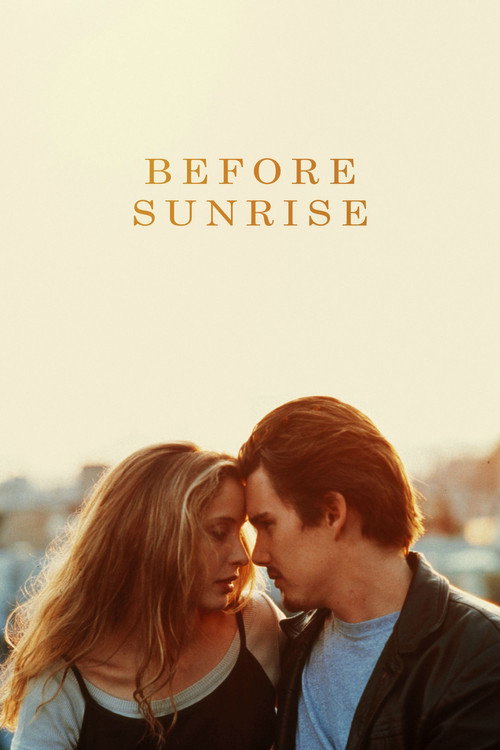
Before Sunrise1995
Linklater and Delpy create beauty from conversation alone—two strangers in Vienna talking through a night about love, art, and time. Pure dialogue as philosophy and romance.
But Overtly romantic in intent; Café Lumière is much more oblique about human connection and never quite names its own emotional stakes.
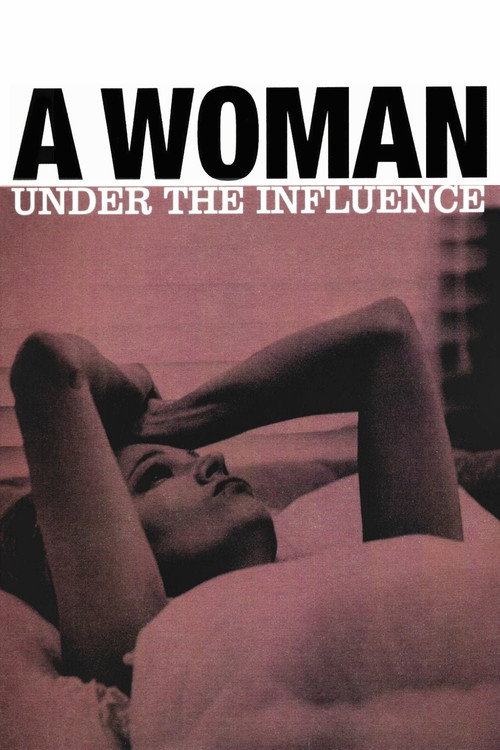
A Woman Under the Influence1974
Cassavetes builds a portrait of a woman's interiority through repetition, close observation, and the texture of ordinary days. Messy, loving, and trusting the viewer to find form in chaos.
But Raw and sometimes uncomfortable to watch; Hou's cinema is more composed and controlled, where Cassavetes is deliberately rough and unpolished.
The Act of Killing2012
Both are investigations into historical consciousness—how we inherit the artistic and political legacies of previous generations, and what responsibility we carry.
Joshua Oppenheimer's documentary traces historical trauma through the present, asking perpetrators to reenact their crimes. Formally inventive, philosophically profound, and unbearably human about how we live with the past.
But A documentary about genocide that can be unwatchable in intensity; nothing in Café Lumière prepares you for its moral weight or formal boldness.

Ikiru1952
Both are Tokyo films about writers or artists grappling with legacies—past and future—and finding that what matters most is the quiet work of attention to another person.
Kurosawa's masterpiece about a dying man finding purpose through small acts of creation and connection. Japanese cinema's most perfect meditation on meaning and mortality.
But More explicitly tragic and existential; it moves toward revelation where Café Lumière stays in ambiguity. Harder, though incomparably great.

People
Cast
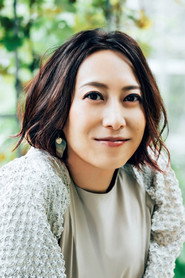 Yo HitotoYoko Inoue
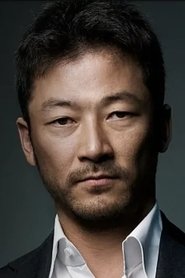 Tadanobu AsanoHajime Takeuchi
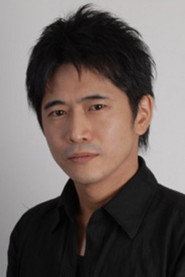 Masato HagiwaraSeiji
 Kimiko YoYoko's Stepmother
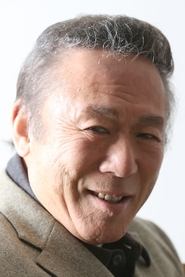 Nenji KobayashiYoko's Father
Directing
- Fumio NomotoAssistant Director
- Hou Hsiao-hsienDirector
Writing
- Chu Tien-WenWriter
- Hou Hsiao-hsienWriter
Production
- Nobuyuki KajikawaLine Producer
- Fumiko OsakaProducer
- Hideji MiyajimaProducer
- Ichiro YamamotoProducer
- Liao Ching-sungProducer