
Film
The Overcoat
Other titles called The Overcoat: the 1926 film.
A 1952 Italian adaptation of Gogol's tale about a lowly clerk obsessed with acquiring a new overcoat. It transforms the Russian story into a gently surreal comedy-drama set in postwar Naples, where one man's dream of a single fine thing becomes both touching and absurd. For anyone who loves character-driven stories where the everyday becomes mythic.
If you liked this
Bicycle Thieves1948
Rossellini's masterpiece about a man searching for his stolen bicycle in postwar Rome. Like The Overcoat, it finds profound dignity and heartbreak in the struggle of an ordinary person for one simple possession.
But It's a slow, neorealist film with no plot in the conventional sense. If you need narrative momentum or upbeat resolution, this will feel like standing still.

The Umbrellas of Cherbourg1964
A musical that also elevates an everyday object—an umbrella—into something magical and emotionally resonant. Jacques Demy's pastel-colored world shares The Overcoat's ability to make longing beautiful and bittersweet.
But It's intensely stylized and artificial in a way that can feel precious. The singing and dancing won't be for everyone, and the plot is almost deliberately thin.
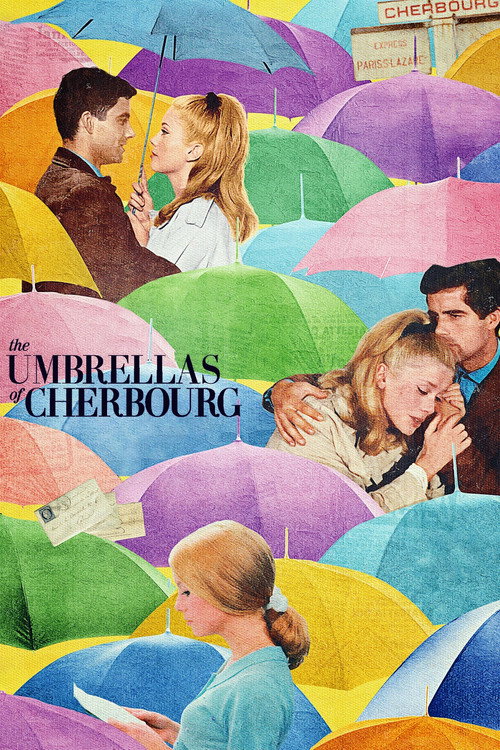
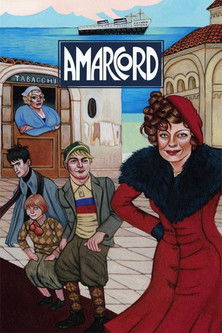
Amarcord1973
Fellini's memory-collage of fascist-era Italy. It has the same dreamlike Italian atmosphere, the same mix of comedy and melancholy, and the same eye for how small-town characters reveal grand universal truths.
But It's episodic and deliberately loose, more like a series of sketches than a traditional narrative. You have to be okay with letting the mood carry you rather than following a tight plot.
Not sure tonight? Get a pick in a minute, starting from The Overcoat
The wildcard
Something you would not have found on your own.
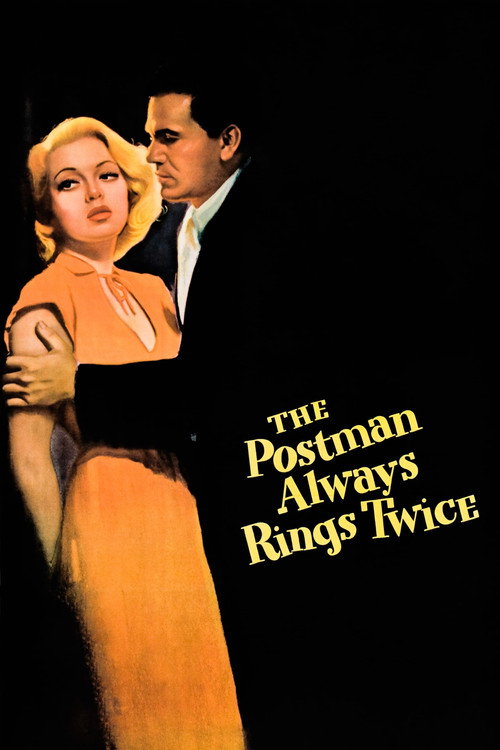
The Postman Always Rings Twice1946
Both films locate the entire emotional and moral weight of the story in one object or desire; both ask whether desire can ever be innocent.
A film noir where desire becomes obsession becomes doom. Where The Overcoat plays longing for tenderness, this plays it for tragedy and eroticism—same emotional engine, completely inverted register and genre. Both understand how one thing can consume you.
But It's ruthlessly cynical about human nature, with infidelity and murder at the center. If you watch The Overcoat for its warmth, this film is ice cold.
More like this (8)
The Leopard1963
Visconti's sweeping meditation on class, change, and dignity in 1860s Sicily. Shares The Overcoat's concern with how ordinary people navigate social structures, and how a single gesture or possession can contain entire worlds of meaning.
But It's nearly three hours of deliberate pacing and formal composition. If you're not in the mood for visual ceremony, it can feel glacial.

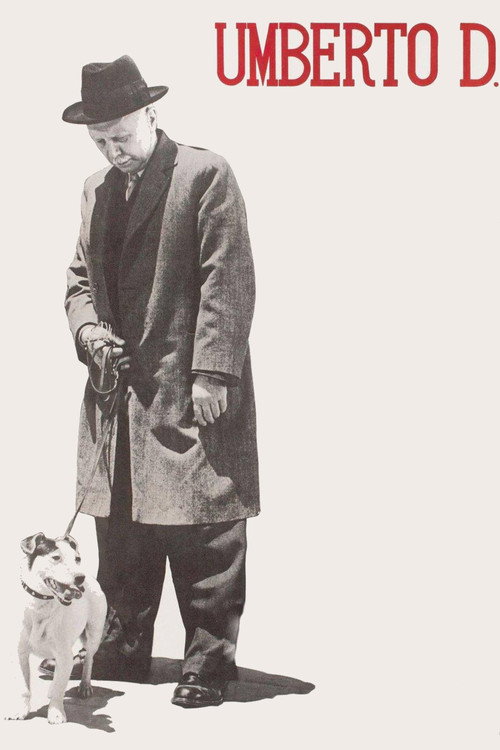
Umberto D.1952
Released the same year as The Overcoat, this De Sica film follows an elderly pensioner fighting to keep his dignity. Both films are about men trying to hold onto or obtain one essential thing; both find something almost spiritual in that struggle.
But It's relentlessly sad in a way that never lets up. There's no comic relief, and the ending does not offer consolation.
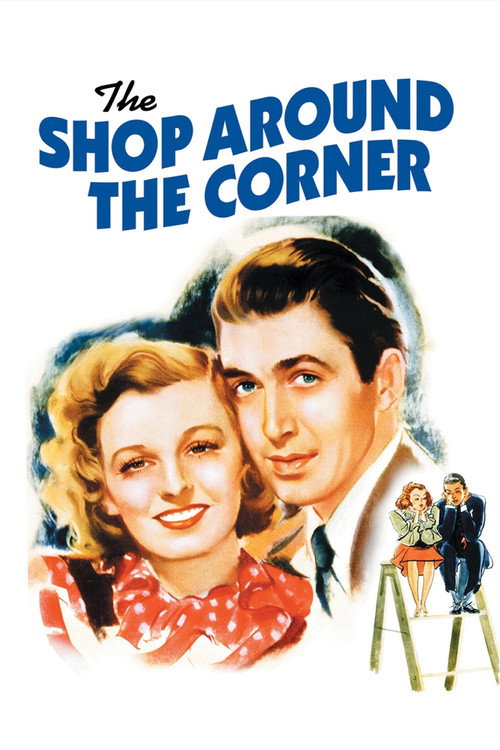
The Shop Around the Corner1940
Lubitsch's warm comedy about modest people in a Budapest shop, full of tenderness and the small humiliations of working life. It shares The Overcoat's affection for characters who are overlooked but never less than human.
But It's from Hollywood's studio era, so it's glossier and far more upbeat than The Overcoat. If you want neorealism rather than romantic comedy, this will feel artificial.
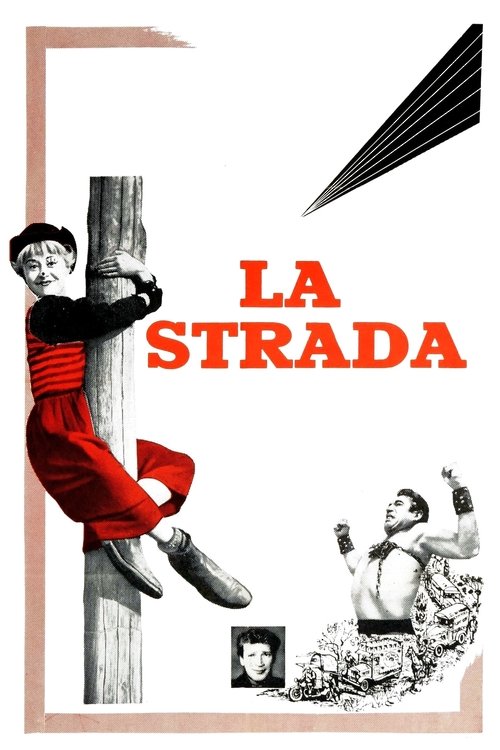
La Strada1954
Fellini's heartbreaking story of a poor girl sold to a traveling strongman. It has the same fairy-tale quality as The Overcoat—magical and tragic, with a visual language all its own—and the same commitment to finding beauty in poverty.
But It's genuinely disturbing in places, with animal cruelty and casual brutality. The sadness is unrelenting, and there is no redemption available.
Kes1970
Ken Loach's film about a working-class boy and his falcon captures that same transformative moment when an ordinary person encounters something that promises to change their life. Both films understand how fragile hope is.
But It's set in a bleak Yorkshire mining town during a brutal school day. The hope it offers is tentative at best, and the social critique is angry rather than gentle.

Stalker1979
Tarkovsky's philosophical science-fiction film about a guide leading people through a mysterious zone. Like The Overcoat, it's a meditation on desire itself—what people want, why they want it, what they're willing to sacrifice.
But It's extremely slow, nearly three hours of deliberate shots and minimal dialogue. If you need plot momentum or clear narrative payoff, it will feel like torture.

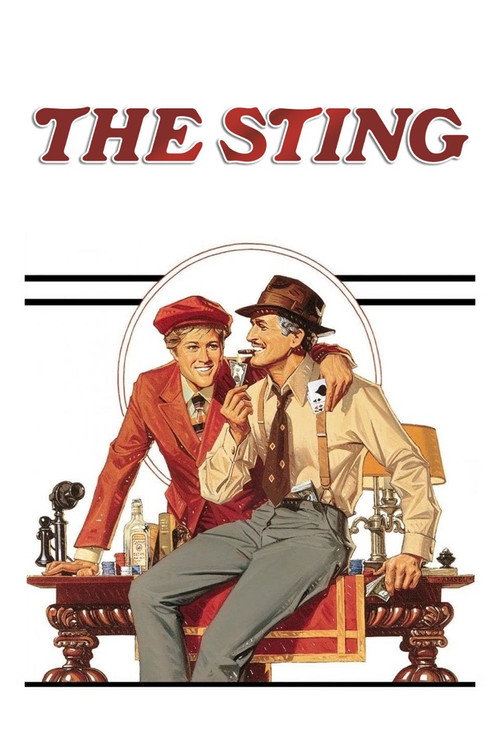
The Sting1973
Both are stories about small men navigating larger systems; both treat the world as slightly magical and conspiratorial, and both use comedy as a defense.
A con-man caper that moves with the energy of a magic trick. It has none of The Overcoat's melancholy, but it shares that sense of ordinary men operating in a world that doesn't quite follow normal rules—a kind of urban fairy tale.
But It's pure entertainment with no philosophical pretensions whatsoever. If you want depth or social critique, this is cotton candy.
Synecdoche, New York2008
Both films treat a single object or project as a lens through which to examine human meaning, mortality, and the gap between wanting and having.
Charlie Kaufman's baroque puzzle about a theater director who builds a life-size replica of New York inside a warehouse. It's surreal where The Overcoat is subtle, American where it's Italian, but both are obsessed with how the desire for one thing spirals into an entire metaphysical crisis.
But It's intentionally bewildering, deliberately refusing to make sense in a conventional way. Many viewers find it pretentious or exhausting rather than rewarding.

People
Cast
 Renato RascelCarmine De Carmine
 Yvonne SansonCaterina
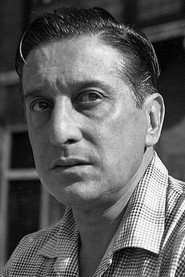 Giulio StivalThe Mayor
- Giulio CalìThe Tailor
- Ettore MattiaSecretary General
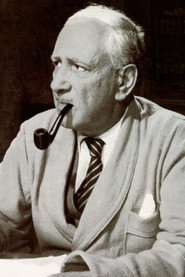 Olinto CristinaProfessor Filini
- Anna CarenaLandlady
- Sandro SomarèVittoria's Boyfriend
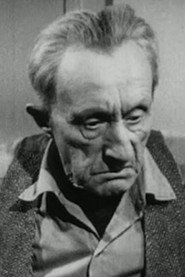 Luigi MonetaOld Marshal Bandini
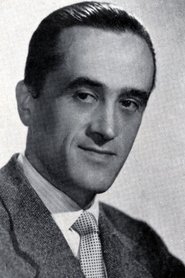 Silvio BagoliniThe Street Vendor
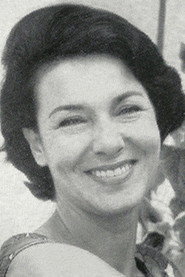 Dina PerbelliniWife of the Mayor
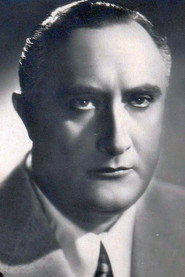 Loris GizziBuilder #1
Directing
- Alberto LattuadaDirector
- Aldo BuzziFirst Assistant Director
- Guidarino GuidiSecond Assistant Director
- Luigi MalerbaSecond Assistant Director
Writing
- Nikolai GogolNovel
- Alberto LattuadaScreenplay
- Cesare ZavattiniScreenplay
- Enzo CurreliScreenplay
- Giordano CorsiScreenplay
- Giorgio ProsperiScreenplay
- Leonardo SinisgalliScreenplay
- Luigi MalerbaScreenplay
Production
- Enzo CurreliProducer
- Alfredo MirabileProduction Manager
- Bianca LattuadaProduction Manager