
Film
Madame Curie
A radiant 1943 biopic where Greer Garson's Marie Curie glows with intelligence and determination, discovering radium alongside her husband Pierre in fin-de-siècle Paris. It's handsomely mounted Hollywood romance disguised as scientific achievement—both the love story and the research feel genuinely vital. For anyone drawn to ambitious women overcoming institutional resistance, or who love period dramas where the laboratory itself becomes theatrical.
Should you watch it?
Watch it if you enjoy a studio-polished romance where two people's devotion to patient, stubborn work matters as much as the chemistry between them, and old-fashioned sentiment doesn't bother you.
Skip it if you want science handled with rigour or a modern sensibility; this is a glossy, reverent portrait, and its sentiment is laid on thick enough to feel dated.
What it asks of you: Clocking in at just over two hours, it moves at a measured, gentle pace, lingering on ordinary domestic life and unhurried talk between its leads.
Not sure? Find tonight's pick in a minute.
If you liked this
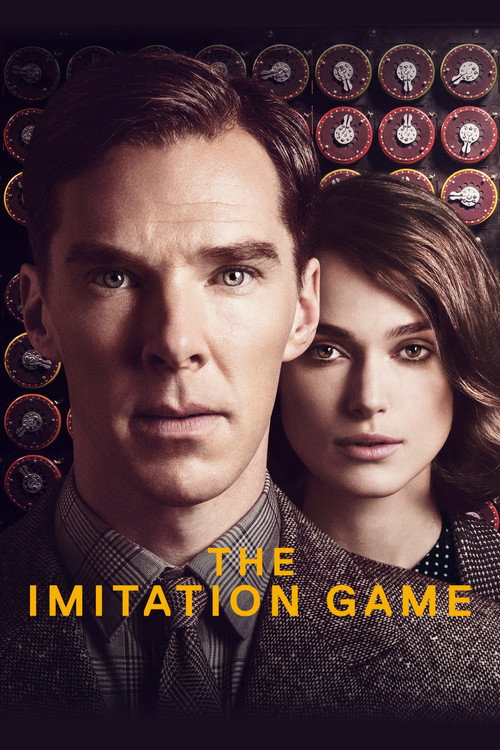
The Imitation Game2014
Benedict Cumberbatch as Turing, wrestling code and prejudice in wartime Bletchley. Like Madame Curie, it makes intellectual work feel urgent and personal, and shows a brilliant outsider fighting institutional indifference and worse.
But The script takes wild liberties with history and Turing's life, softening some truths and inventing others. If historical accuracy matters, this will frustrate you.
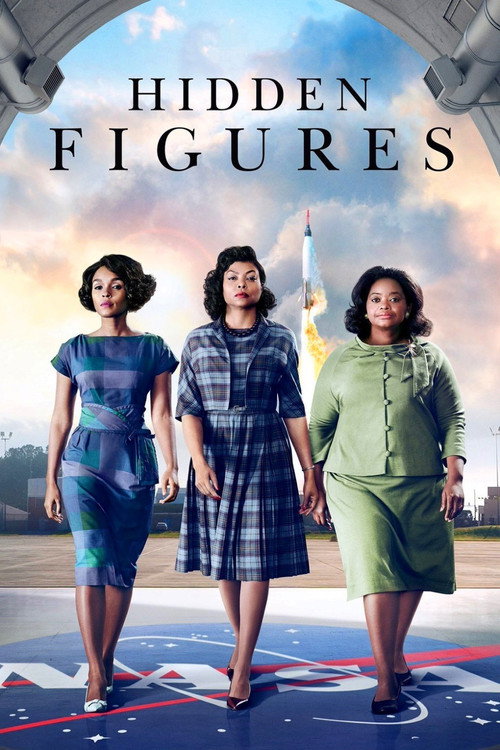
Hidden Figures2016
Black women mathematicians at NASA doing invisible, brilliant work while fighting racism and sexism. Same DNA as Madame Curie—genius, love, institutional barriers—but with sharper, angrier energy and actual humour breaking the tension.
But It smooths some edges for palatability and moves quickly through complex material. Academic specificity takes a back seat to emotional clarity and uplift.
Bombshell2019
Charlize Theron as Megyn Kelly, doing precise, unglamorous work while surrounded by corruption and harassment. It has Madame Curie's interest in smart women navigating male-dominated institutions, but trades period elegance for fluorescent-lit toxicity.
But The tone is bleak and the men are cartoonishly monstrous. There's no romance here—only survival, which some viewers find relentless and punishing rather than moving.

Not sure tonight? Get a pick in a minute, starting from Madame Curie
The wildcard
Something you would not have found on your own.
Pandora2016
Both centre on women discovering radium's transformative power, but Pandora asks the question Madame Curie cannot: what did that discovery actually do to the world?
A German nuclear scientist's journey from ambition through guilt to activism. Like Madame Curie, it's about a woman's scientific brilliance and her marriage, but seen through the lens of atomic radiation's actual human cost—skin burns, sickness, institutional cover-up. Same element (radium), opposite moral universe.
But It's a slow, serious historical drama in German with subtitles, and it offers no romantic consolation. The film refuses to let discovery be innocent; that's both its power and its weight.

More like this (8)
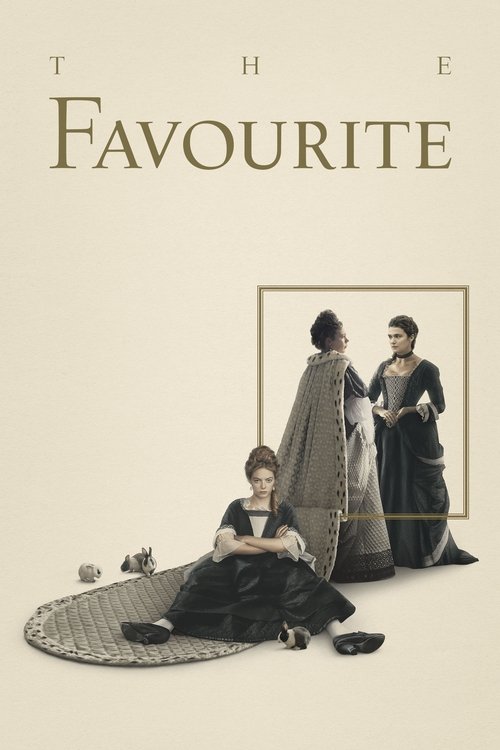
The Favourite2018
A woman at the centre of power games with wit, visual audacity, and genuine stakes. The love plot sings like a duet. It's history-as-melodrama with real feeling underneath, playing looser than Madame Curie but after the same emotional heart.
But The script is elliptical and the film refuses exposition. If you want clarity and linear storytelling, it slips away from you.
A Serious Man2009
Coen Brothers cinema about intellectual life, professional humiliation, and trying to understand the universe while everything breaks. Mathematic wonder and marital collapse. A complete tonal opposite that somehow shares Madame Curie's DNA about ambition meeting chaos.
But It's bleak, darkly funny, and offers no comfort. The protagonist is male and passive. If you want inspiration or resolution, you will leave disappointed.

Marie Antoinette2006
Sofia Coppola's gorgeous, anachronistic take on a woman at the centre of historical forces. Like Madame Curie, it's fascinated by female intelligence and desire colliding with power structures, but trades the lab for the palace, comedy for tragedy.
But Some find it too pretty and frivolous for the subject. The soundtrack is deliberately modern and the film prioritises mood over narrative momentum, which irritates precision-minded viewers.

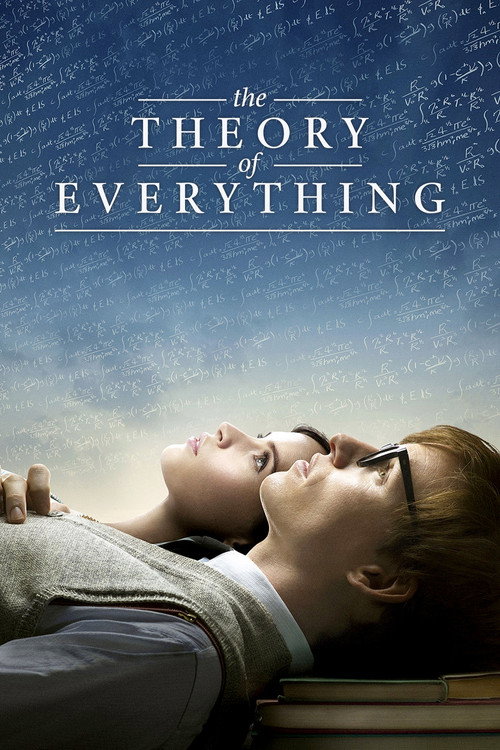
The Theory of Everything2014
Eddie Redmayne as Stephen Hawking, doing brilliant work while his body betrays him. Like Madame Curie, it believes that intellectual achievement and love are equally worth dramatising, and that science itself can be romantic.
But The film sands down the harder edges of Hawking's personal life and his actual physics into sentiment. It's a love story that uses scientific achievement as backdrop rather than substance.
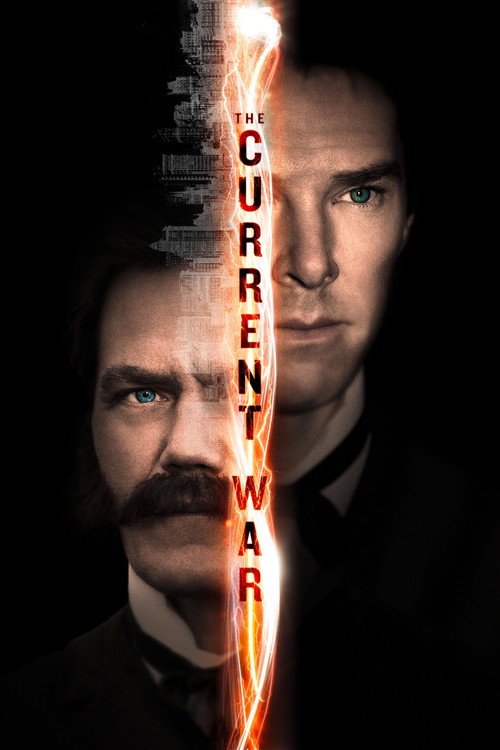
The Current War2018
Edison, Tesla, and Westinghouse locked in obsessive competition over electricity, with Benedict Cumberbatch as an engineer who loves his work more than his marriage. Same era as Madame Curie, same male-centred take on invention and sacrifice.
But Despite the compelling subject, it feels somewhat sterile and plotty. The characters remain more interesting as historical figures than as people you come to know.
Oppenheimer2023
Cillian Murphy in a long, ambitious film about a scientist changed and destroyed by discovery. It takes scientific ambition seriously as a moral and philosophical problem. If you loved the weight of Madame Curie's work, this explores what that weight actually costs.
But It's three hours, structurally complex, and deeply bleak. Oppenheimer is ultimately a portrait of complicity and regret, not triumph or love. The film asks hard questions without offering answers.

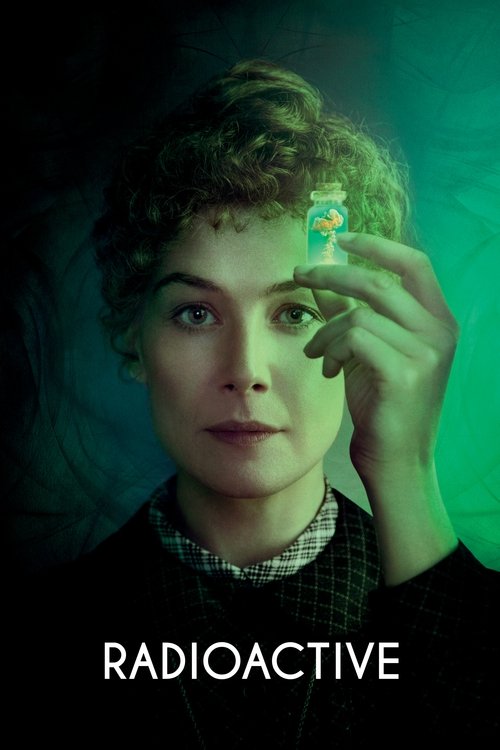
Radioactive2020
Both are biopics of Marie Curie, but Radioactive uses fragmentation and visual abstraction to escape the polished 1943 approach, creating a wholly different emotional experience of the same life.
Rosamund Pike as Marie Curie in a formally adventurous take that shows her brilliance in vivid, almost hallucinatory sequences—fractured narrative, visual metaphors, the science rendered as abstraction and beauty. It's Madame Curie defamiliarised, asking what it felt like from the inside.
But The formal experimentation alienates some viewers. It's less a coherent narrative than a collage of impressions, and the biographical scope is sprawling and uneven. Some find it self-consciously art-house and distancing.
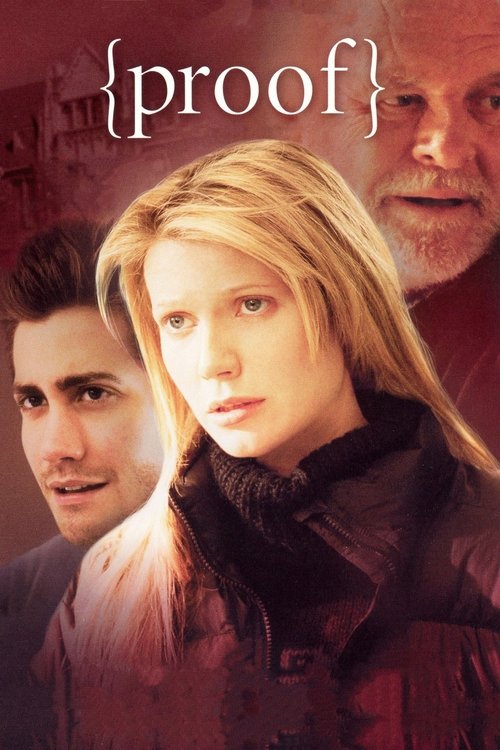
Proof2005
Both dramatise women's intellectual triumph, but Proof asks: who gets to claim it? Marie and Pierre share discovery and acclaim; Proof's protagonist may not even get her own work returned to her. It's the shadow side of the scientific partnership narrative.
Gwyneth Paltrow and Anthony Hopkins in a tight, elegant film about inherited mathematical genius, mental illness, and the impossibility of proving authorship of your own brilliant work. A woman mathematician haunted by her father's legacy—the intellectual marriage and the psychological damage. All Madame Curie's interest in female genius, none of the romance.
But It's a chamber piece focused on a small family tragedy. There's no sweep, no historical resonance, no public triumph—only private doubt and exhaustion. Some find it claustrophobic.
People
Cast
 Greer GarsonMarie Curie
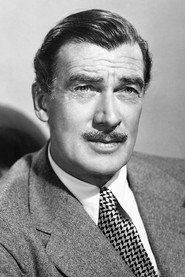 Walter PidgeonPierre Curie
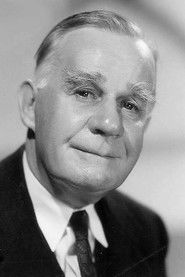 Henry TraversEugene Curie
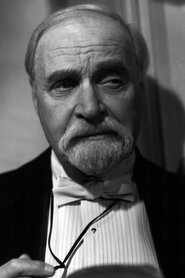 Albert BassermannProfessor Jean Perot
 Robert WalkerDavid Le Gros
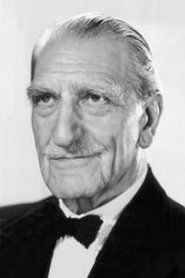 C. Aubrey SmithLord Kelvin
 May WhittyMadame Eugene Curie
 Victor FrancenPresident of University
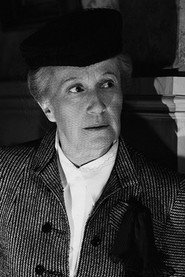 Elsa BassermannMadame Perot
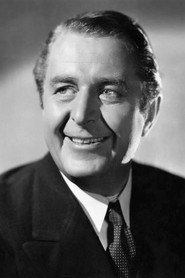 Reginald OwenDr. Becquerel
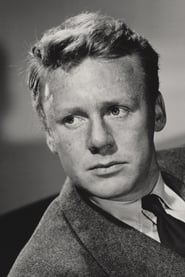 Van JohnsonReporter
 Margaret O'BrienIrene Curie - Age 5
Directing
- Mervyn LeRoyDirector
Writing
- Christina SteadScreenplay
- Hans RameauScreenplay
- Paul OsbornScreenplay
- Ève CurieWriter
Production
- E.J. MannixExecutive Producer
- Sidney FranklinProducer
Recommended by
The Story of Louis Pasteur, Radioactive, Marie Curie, The Loves of Edgar Allan Poe, Music for Millions