
Film
Copenhagen
A chamber piece about the real 1941 meeting between German physicist Werner Heisenberg and his Danish mentor Niels Bohr in occupied Copenhagen. Tense, intimate, and deliberately ambiguous—it treats a historical mystery as a moral maze rather than a puzzle to solve. For anyone who loves dialogue-driven drama about ideas and the cost of conscience.
Should you watch it?
Watch it if you enjoy plays where ideas are the drama, and where three people circle a single unanswerable question for ninety minutes, turning it over like a coin until both sides look worth believing.
Skip it if you want a film that moves: this is mostly talk in a few rooms, with long reflective stretches and little visual momentum, and the uncertainty at its heart may feel more frustrating than thrilling.
What it asks of you: It asks for close attention rather than emotional surrender, a single evening's conversation told in overlapping memories, with the ideas demanding as much focus as any plot.
Not sure? Find tonight's pick in a minute.
If you liked this
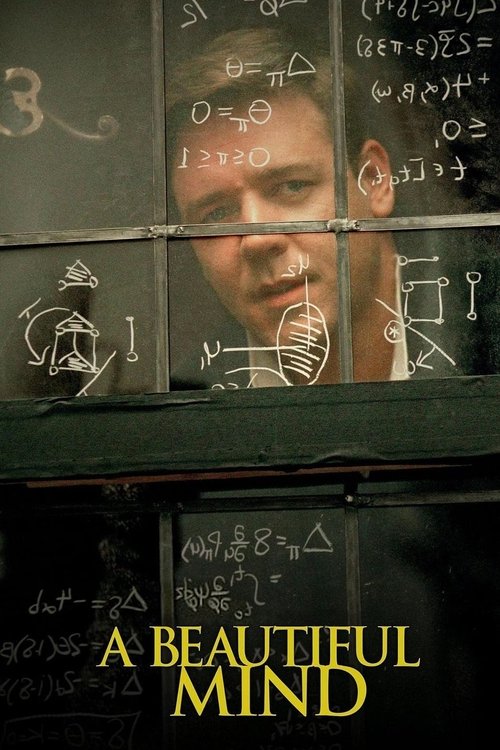
A Beautiful Mind2001
Another film about a brilliant physicist grappling with the ethics of his work, the weight of legacy, and the gap between what the world sees and what's actually true. It has the same gravity.
But It leans more toward biographical sweep and sentiment than Copenhagen's austere restraint. The tone is warmer, sometimes Hollywood-warm.
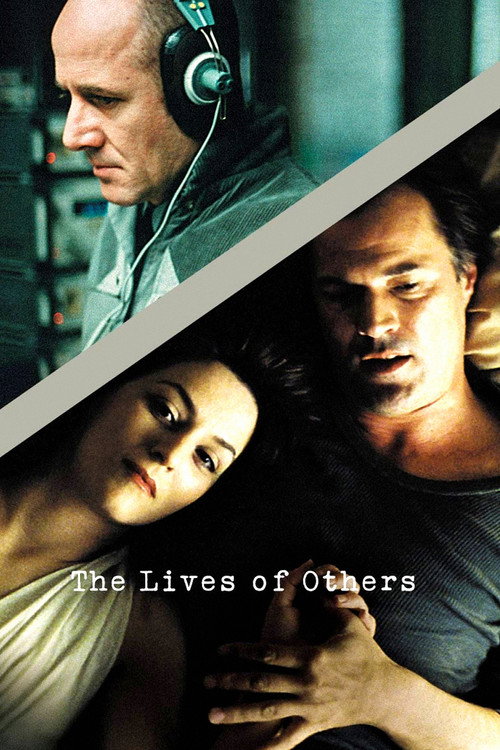
The Lives of Others2006
A film about surveillance, complicity, and what you owe to people you've wronged. Like Copenhagen, it's built on moral uncertainty and small conversations that mean everything.
But It's a Cold War spy thriller, so if you want something as deliberately undramatic and cerebral as Copenhagen, this has more plot momentum than you might want.
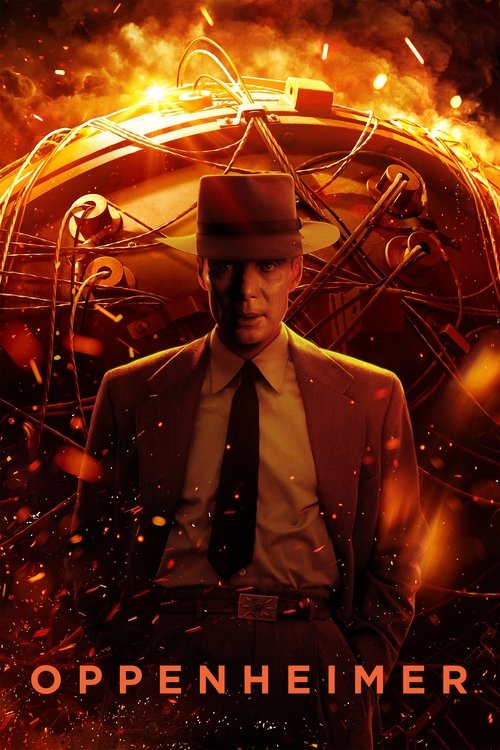
Oppenheimer2023
The other great film about a physicist haunted by the moral consequences of his genius. Bigger in scope but asking the same question: what is a scientist responsible for?
But Three and a half hours, multiple timelines, and a much larger cast. Copenhagen is spare; this is symphonic.
Not sure tonight? Get a pick in a minute, starting from Copenhagen
The wildcard
Something you would not have found on your own.
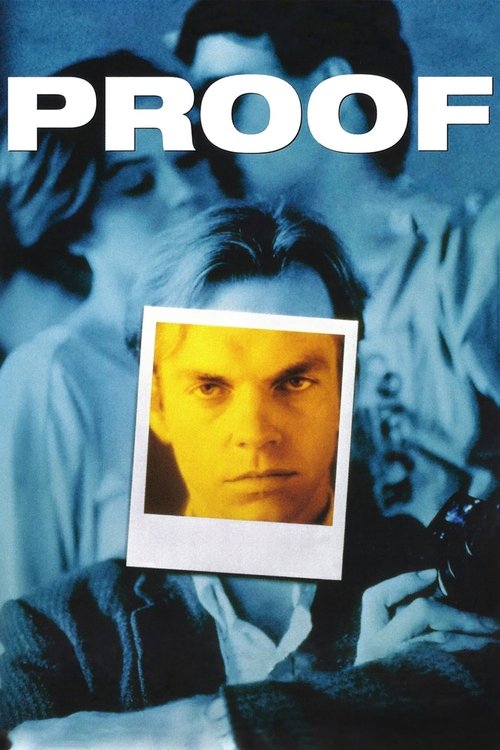
Proof1991
Both are about the impossibility of really knowing another person's mind, even—especially—when you were close to them. Both trust the audience to sit with ambiguity.
An Australian film about a blind photographer, a woman he wronged, and the question of what you can actually prove about another person's motives. Like Copenhagen, it's a three-character chamber piece built entirely on what's said and unsaid.
But It's intimate to the point of claustrophobia, and one of the characters is genuinely unlikeable. Emotionally it's harder than Copenhagen.
More like this (7)
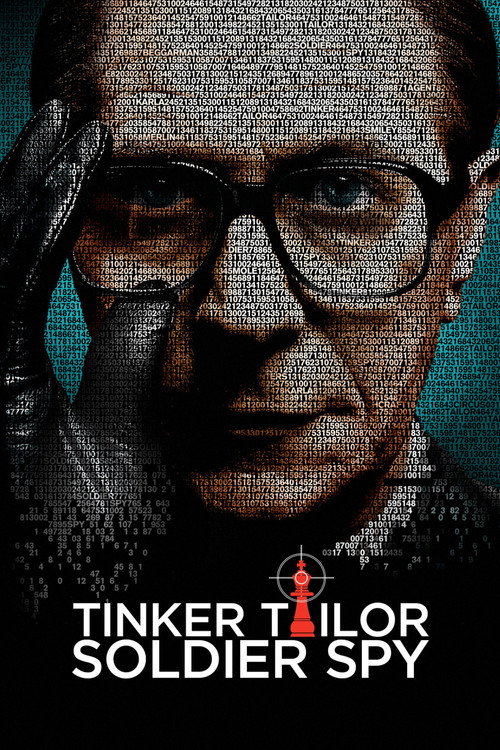
Tinker Tailor Soldier Spy2011
Like Copenhagen, it trusts you to follow dense dialogue and moral ambiguity. Both are about men who know too much and say too little, and what that costs them.
But Deliberately slow and puzzle-like. If you wanted plot momentum, this will feel glacial.
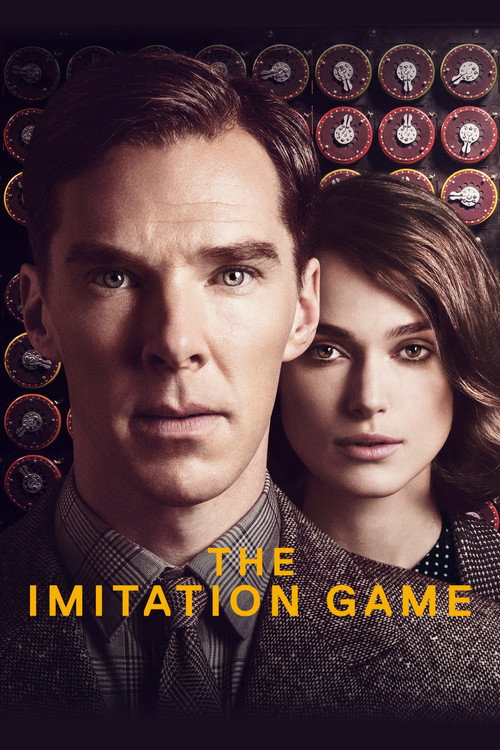
The Imitation Game2014
Another WWII film about a brilliant mind, secrecy, and the impossible choices mathematicians and scientists had to make. Emotionally direct where Copenhagen is distant.
But More conventionally dramatic and biographical. It gives you an ending to feel, where Copenhagen leaves you thinking.
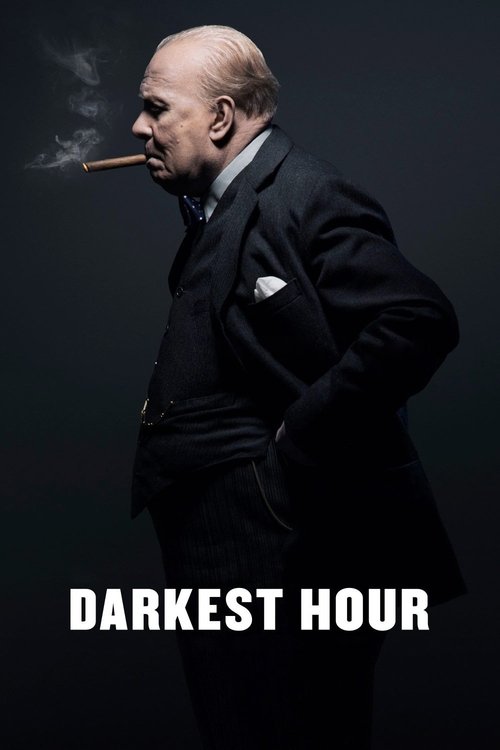
Darkest Hour2017
Set in the same moment as Copenhagen's 1941 meeting, showing the other side of occupied Europe. A different approach to wartime moral complexity.
But It's a political thriller with a clear narrative arc. Not the same register at all—much busier.
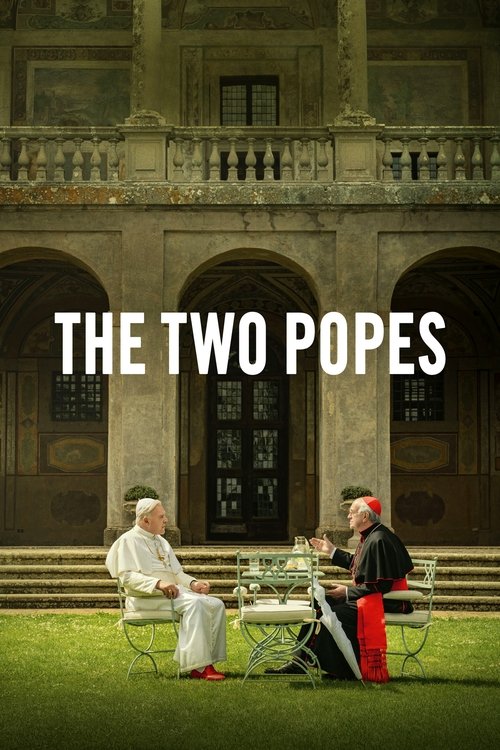
The Two Popes2019
Two old men in a room, talking about faith, legacy, and whether they did the right thing. The structure and intimacy are closer to Copenhagen than you'd expect.
But It's gentler, sometimes sentimental. Copenhagen has no sentiment, only pressure.
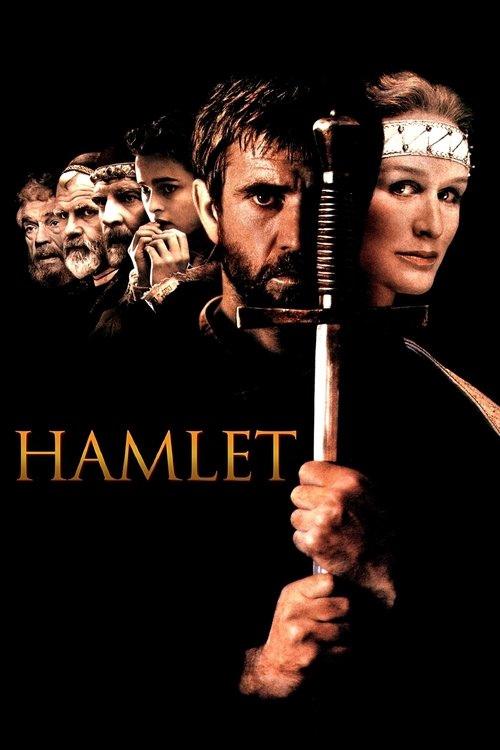
Hamlet1990
Zeffirelli's version feels like the closest relative Copenhagen has—men talking in circles about action versus inaction, about what you know and what you can admit. Dense dialogue, high stakes, no easy answers.
But Shakespeare, and four hours long. And it's fundamentally about revenge, which is a different engine entirely.
The Uncertainty Principle
Copenhagen is based on Michael Frayn's play of the same name. This is another dramatization of the same historical event, giving you a different writer's take on the same unsolvable mystery.
A one-off play for BBC Two about Heisenberg's actual life and the legendary 1941 meeting. If you want more of this story told more conventionally, this goes deeper into the historical record.
But It's on a TV format and older, so it may feel dated. Also, it's more explanatory where Copenhagen is more suggestive.
Stranger Than Fiction2006
Both are about the terror and comedy of realizing you don't control how your actions are interpreted. Both have a narrator or unseen observer shaping the story. Both are structured more like mysteries than narratives.
A film about a man learning that his life is being written by someone else, that he's being observed and interpreted by an author he can't see or influence. The same paranoia as Copenhagen, but in a different register—wry, contemporary, almost magical realist.
But It's whimsical where Copenhagen is grave. The tone shift might feel jarring if you go into it expecting another austere period drama.

People
Cast
 Daniel CraigWerner Heisenberg
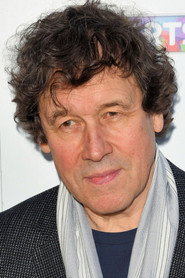 Stephen ReaNiels Bohr
 Francesca AnnisMargrethe Bohr
Directing
- Howard DaviesDirector
Writing
- Howard DaviesWriter
- Michael FraynWriter
Production
- Gordon RonaldExecutive Producer
- Mary MazurExecutive Producer
- Simon CurtisExecutive Producer
- Megan CallawayProducer
- Richard FellProducer