
Film
Penrod
- Comedy
- Light-hearted
A 1922 silent comedy about a well-meaning troublemaker leading a secret society of boys against the tyranny of adults. Penrod is anarchic and sentimental by turns—genuinely funny slapstick punctuated by moments of surprising tenderness. It's for anyone who loves the mischief and moral clarity of childhood, or who enjoys early cinema that trusts its audience's intelligence and heart.
If you liked this
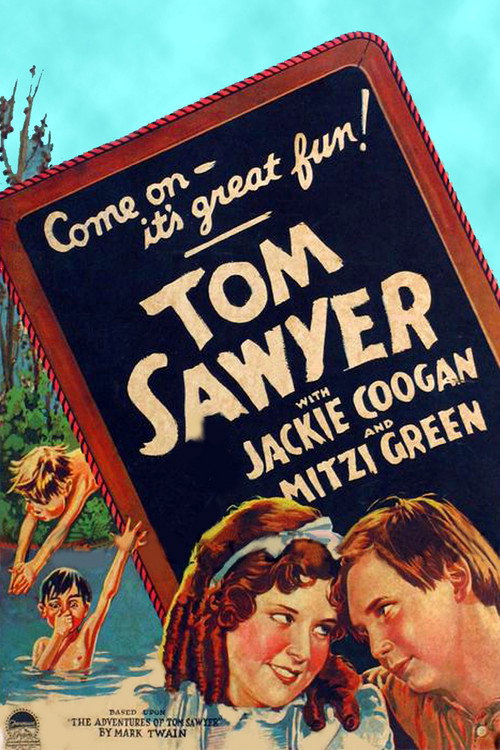
Tom Sawyer1930
Mark Twain's literary troublemaker gets the sound-era treatment with genuine warmth and adventure. Like Penrod, Tom sees himself as the hero of his own righteous crusade against the boring adult world, and the film captures that perfect boyish logic.
But The 1930 adaptation is creaky by modern standards, and some of the humor lands differently now. It's also quite earnest where you might expect camp.
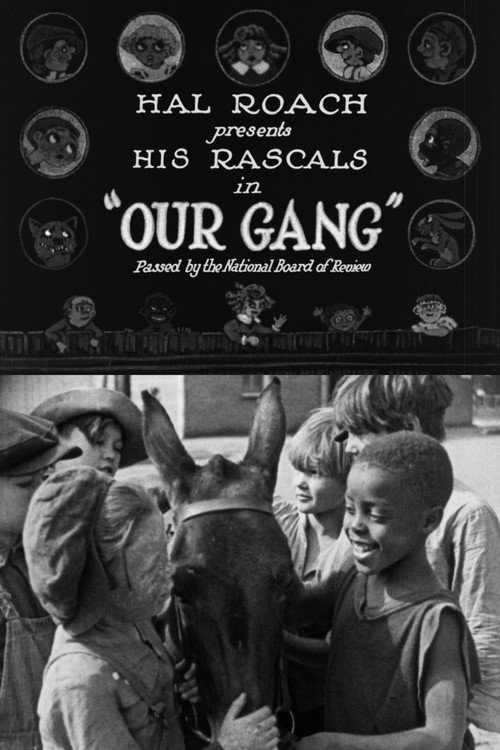
Our Gang1922
These two-reel comedies feature actual children in actual predicaments, anarchic and real in a way most studio comedies weren't. The same spirit of kids outsmarting adults through sheer ingenuity and stubbornness runs through both.
But They're fragments, not feature narratives, so the pacing is abrupt. Some racial content reflects its era uncomfortably.
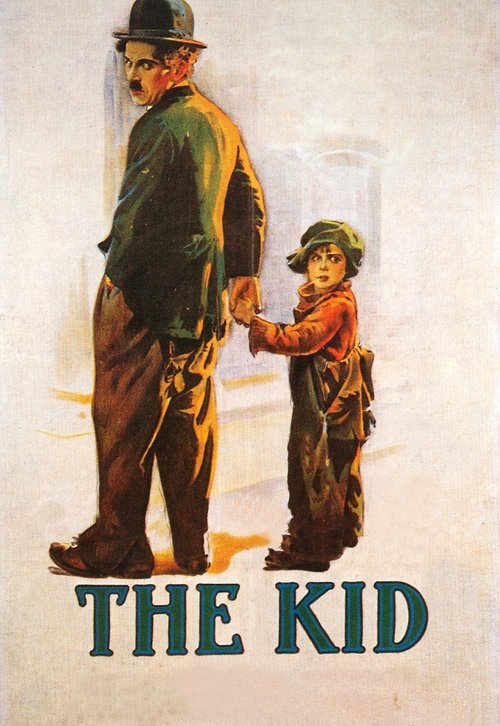
The Kid1921
Chaplin's masterpiece about a boy and a tramp is sentimental, yes, but it earns every tear. Both films understand that childhood mischief is often the moral high ground—a response to genuine injustice in the grown-up world.
But It will make you cry. If you're watching for laughs alone, you'll find them, but they're not the point.
Not sure tonight? Get a pick in a minute, starting from Penrod
The wildcard
Something you would not have found on your own.
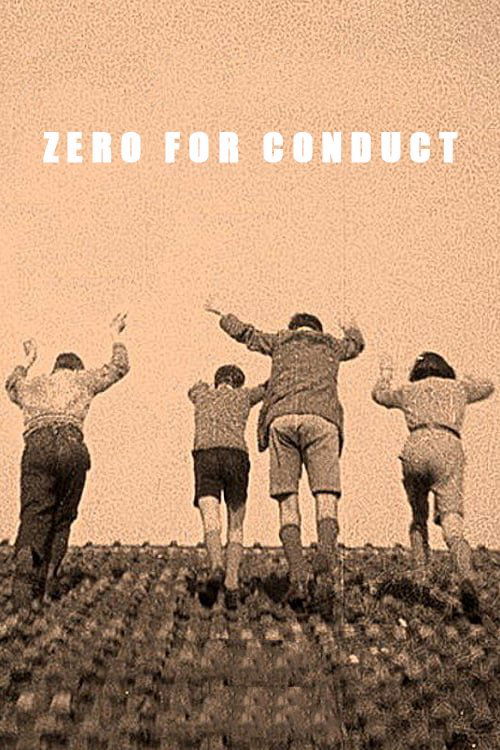
Zero for Conduct1933
Both films trust that a child's moral compass is truer than an adult's, and both stage that conviction as beautiful rebellion rather than cute troublemaking.
Jean Vigo's French masterpiece about boys rebelling in a repressive boarding school. It's far more poetic and anarchic than Penrod—surreal at moments—but it shares the same belief that children's resistance to unjust authority is not mischief but justice. The pillow fight finale is rapturous.
But It's avant-garde and dreamlike; if you want narrative clarity, this will frustrate you. It's also quite short and feels like a fragment of something larger.
More like this (7)
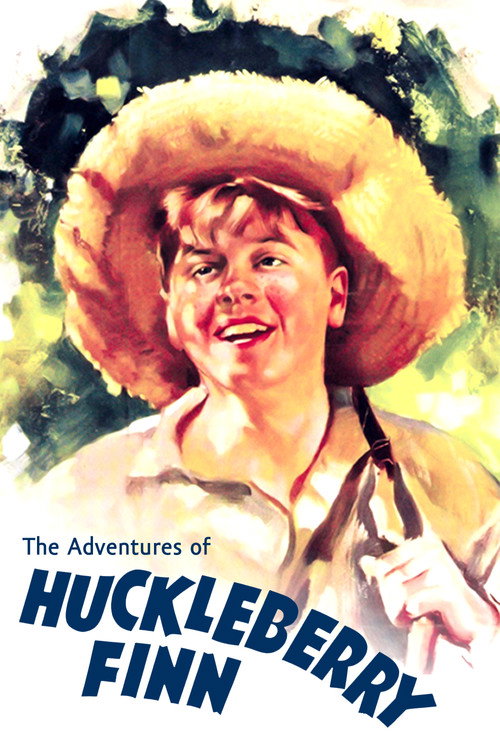
The Adventures of Huckleberry Finn1939
Mickey Rooney as Huck captures the same defiant energy Penrod has—running from authority, protecting the vulnerable, trusting his own moral compass over society's rules. The adventure is real and the stakes matter.
But It's long and plotty in a way Penrod isn't. Some elements date it badly, and the humor can feel forced.
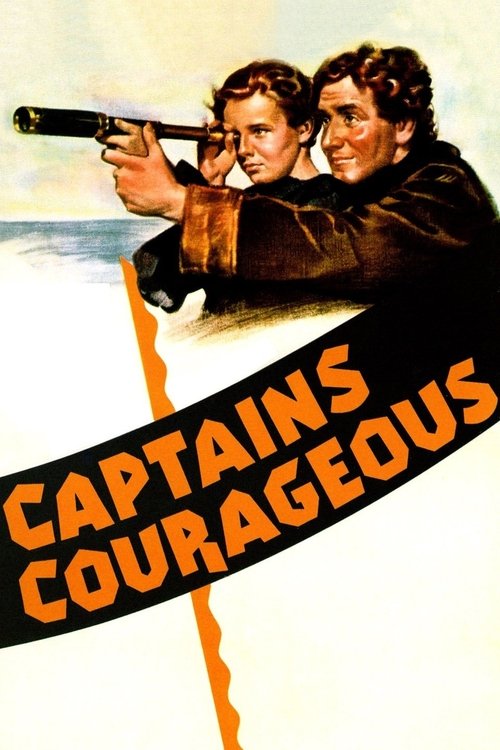
Captains Courageous1937
A spoiled boy must learn through hardship and honest work. Like Penrod, it believes boyish mischief usually masks genuine character worth discovering. Freddie Bartholomew is excellent, and the film has real wisdom without preaching.
But It's moralistic, which some viewers find heavy-handed. The maritime sequences go on longer than they need to.
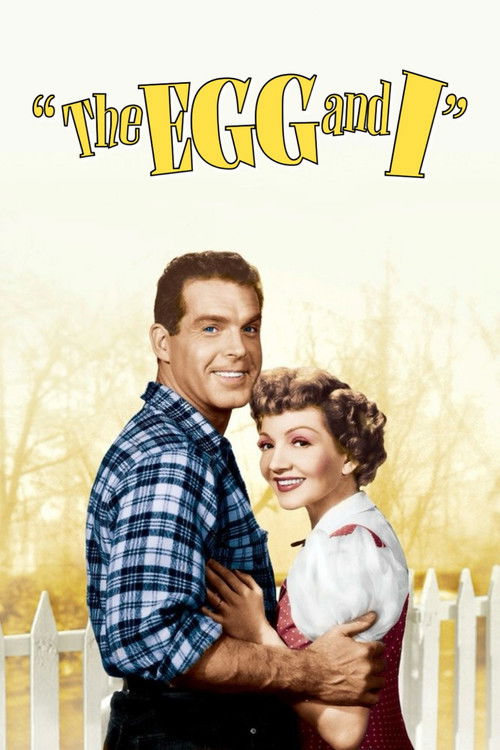
The Egg and I1947
Claudette Colbert and Fred MacMurray navigate a farmyard comedy of errors. The spirit is lighter than Penrod, but the same belief runs through it: that good intentions can excuse a lot of chaos.
But It's deeply dated in its gender politics. The humor relies heavily on wives pretending to be helpless, which feels uncomfortable now.
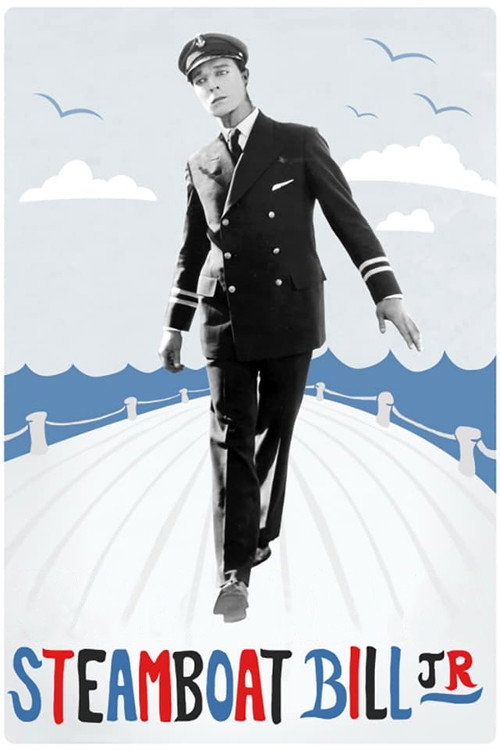
Steamboat Bill, Jr.1928
Buster Keaton as a hapless young man caught between his father's expectations and his own nature. The physical comedy is extraordinary, but the emotional core—the boy trying to prove himself—echoes Penrod's heart.
But It's almost entirely physical humor with no dialogue. If you prefer character development to gags, it will feel thin.
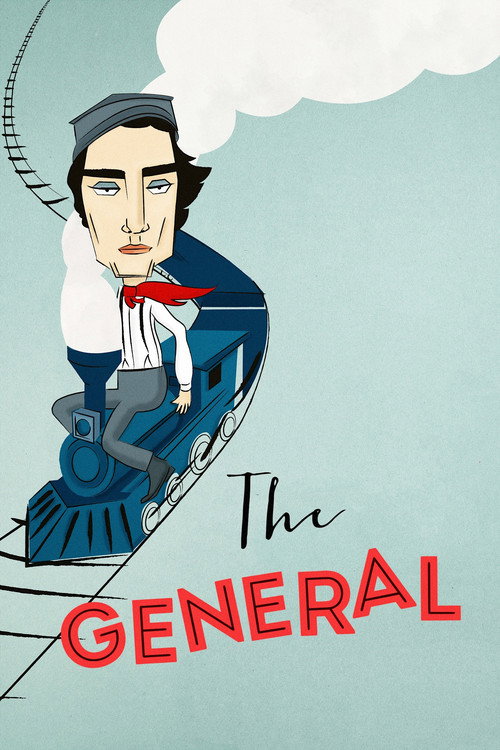
The General1926
Another Keaton masterpiece where ingenuity and determination triumph over bureaucracy. Penrod would recognize the logic: the rules are stupid, therefore they must be broken, and breaking them will save everyone.
But It's a Civil War film structured as a comedy chase, which can feel tonally confused. The slapstick is relentless, which exhausts some viewers.
The 400 Blows1959
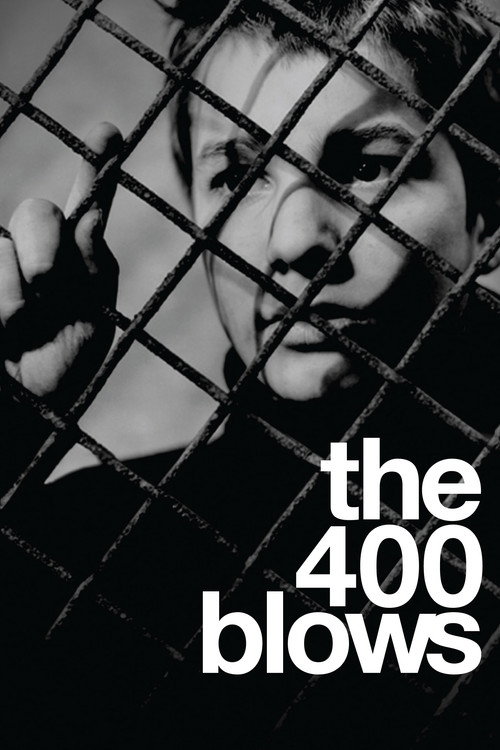
Both see a boy's rebellion as a logical and moral response to a world designed to crush his spirit. Penrod wins his battle; Doinel may not win his.
Truffaut's film about a neglected Parisian boy running from a world that doesn't understand him looks nothing like a 1922 comedy, but its DNA is identical. Antoine Doinel is Penrod grown older and sadder—the same impulse to escape, the same righteous anger at adult hypocrisy, but now the world is winning.
But It's a serious New Wave film, not comedy. It's also melancholic in ways that might depress you. If you want lightness, this isn't it.
Kes1970
Both films believe children have a wisdom adults have lost, and both stage that wisdom as a form of resistance—Penrod's through anarchy, Billy's through solitude and beauty.
Ken Loach's British film about a working-class boy who finds transcendence training a hawk. It's naturalistic and unsentimental—no slapstick, no score, just a boy and his secret kingdom. But the same spirit of childhood independence and moral clarity runs through it. Penrod would understand Billy's refusal to accept the world as it's been handed to him.
But It's grim and bleak by turns. The ending is genuinely upsetting. If Penrod's optimism is what drew you in, this will feel like betrayal.

People
Cast
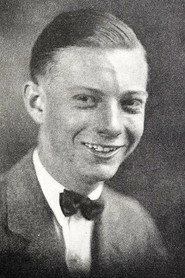 Wesley BarryPenrod
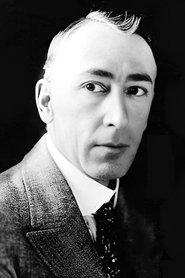 Tully MarshallMr. Schofield
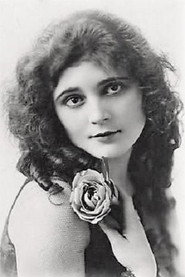 Claire McDowellMrs. Schofield
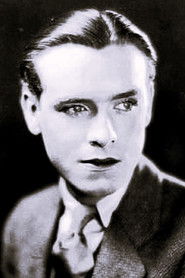 John HarronRobert Williams
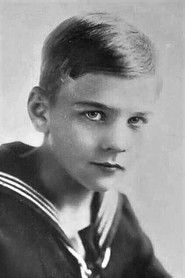 Gordon GriffithSam Williams
- Newton HallGeorge Bassett
- Harry GriffithFoster
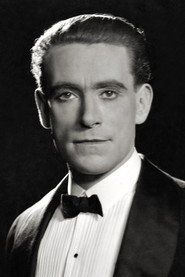 Cecil HollandJohn Barrett
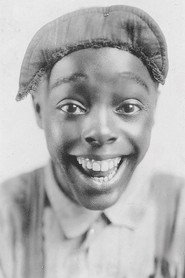 Sunshine Sammy MorrisonHerman
- Charles Meakin Jr.Boy (uncredited)
Directing
- Frank O'ConnorAssistant Director
- Tom HeldAssistant Director
- Marshall NeilanDirector
Writing
- Booth TarkingtonNovel
- Lucita SquierScenario Writer
- Lucita SquierScreenplay
Production
- Marshall NeilanProducer