
Film
The Wanderers
A 1979 snapshot of 1960s Bronx street life, where teenage gangs navigate belonging, rivalry, and identity in the shadow of adulthood. Kaufman's film is raucous and tender—comic and brutal by turns—capturing the electric energy and genuine pathos of adolescent swagger. For anyone who loved the texture and chaos of that particular American moment.
Should you watch it?
Watch it if you like coming-of-age films built from texture rather than plot, where swagger, period pop songs and awkward tenderness on a Bronx block carry the weight.
Skip it if you need a tight narrative spine, since this drifts episodically through street fights, dances and small rivalries, and its 117 minutes can feel loose.
What it asks of you: Patience for an episodic run of scenes, with violence and tenderness arriving unannounced, and a willingness to sit with boys who are often thoughtless.
Not sure? Find tonight's pick in a minute.
If you liked this
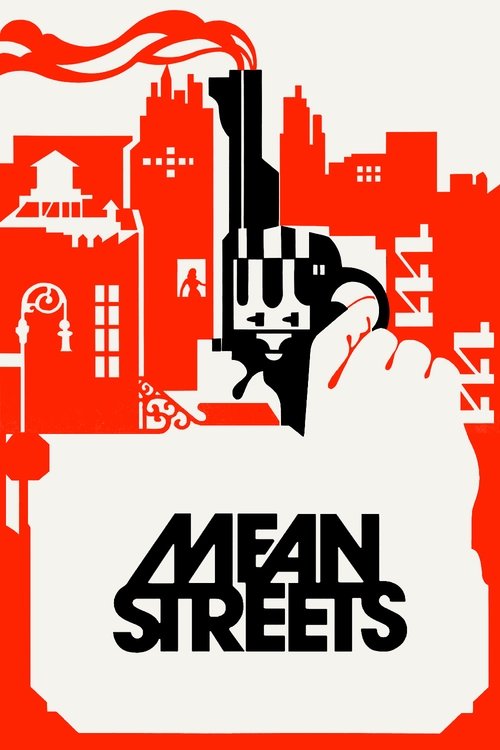
Mean Streets1973
Scorsese's prototype for the way street life looks, sounds, and feels. Handheld energy, overlapping voices, the spiritual weight hiding under bravado. This is the DNA—Kaufman built on it.
But It's looser and less narrative than you might expect; impatience with jazz-time pacing will kill it for you.
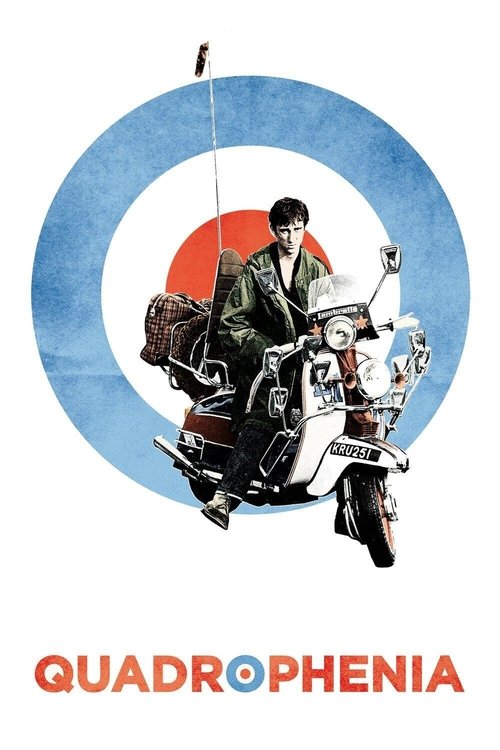
Quadrophenia1979
Another 1979 film capturing youth gangs in their element, with the same mix of humor, violence, and genuine ache. The Who on the soundtrack doesn't hurt. A kindred spirit in every way.
But British Mods rather than Bronx Italians, and the film leans harder into romance—different flavor entirely.
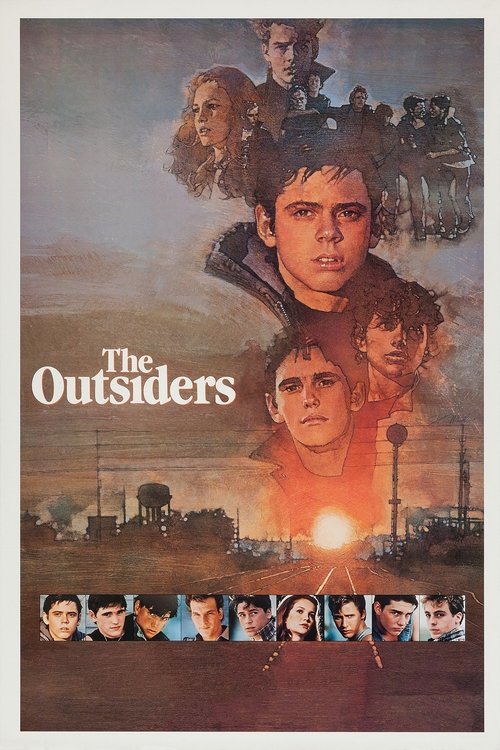
The Outsiders1983
Coppola's Oklahoma gangs have the same DNA: class anxiety, ritual loyalty, the terrible clarity of teenage mortality. Less gritty than The Wanderers but just as alive to what it costs to belong.
But Glossier and more sentimental; it's Coppola softening the material, which some find beautiful and some find compromising.
Not sure tonight? Get a pick in a minute, starting from The Wanderers
The wildcard
Something you would not have found on your own.
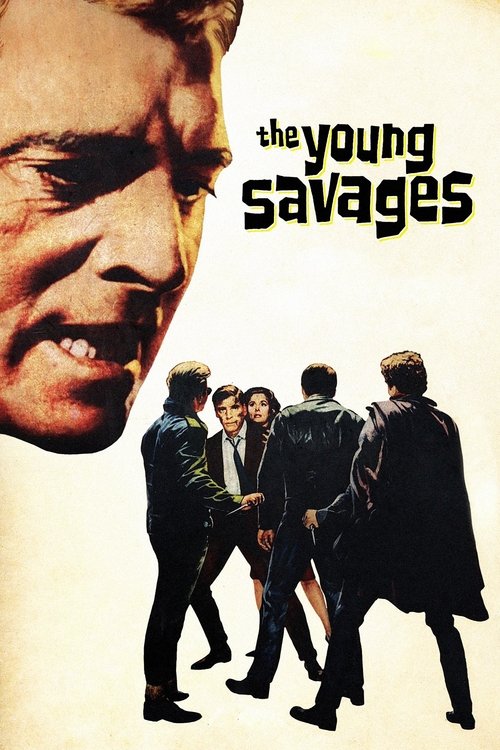
The Young Savages1961
Both films refuse to turn gang members into symbols; they're interested in how ordinary kids find themselves in extraordinary circumstances. Same Bronx, earlier moment, same moral curiosity.
An early, unflinching look at Bronx gang violence from a liberal-humanist angle. Shot in the actual neighborhoods with real texture. It asks how kids become violent—the question The Wanderers lives inside without moralizing.
But Black and white, courtroom-heavy, and earnest in ways that feel dated. The sociology overwhelms the storytelling.
More like this (8)
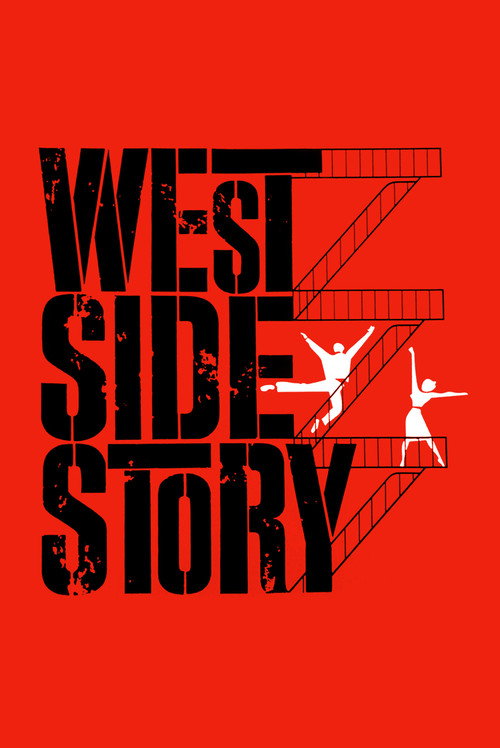
West Side Story1961
The grandmother of all gang movies, and Kaufman clearly learned from it. The formal beauty and the violence coexist without apology. Rivalry, loyalty, doomed youth—same language, higher register.
But A musical, and a film from 1961; if the form feels precious to you now, you won't recover.
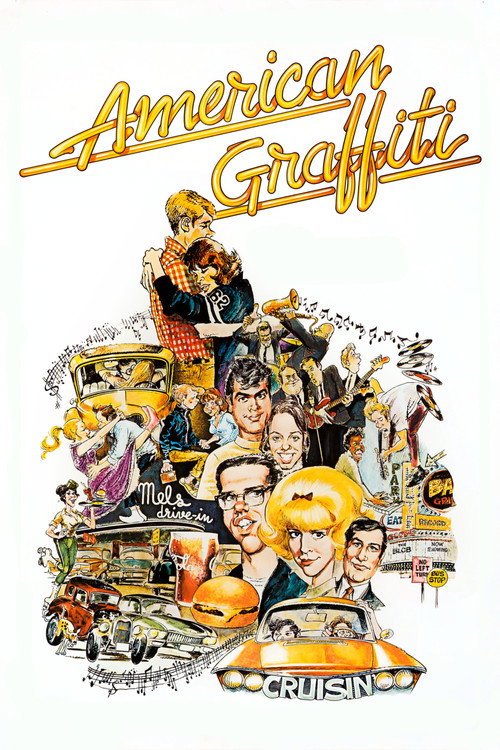
American Graffiti1973
Lucas captures adolescent ritual and friendship with the same affection—the cruising, the rituals, the sense that something's ending even as it happens. The tone is lighter, but the muscle is identical.
But It's fundamentally nostalgic where The Wanderers is immediate; if you want edge, this is softer.
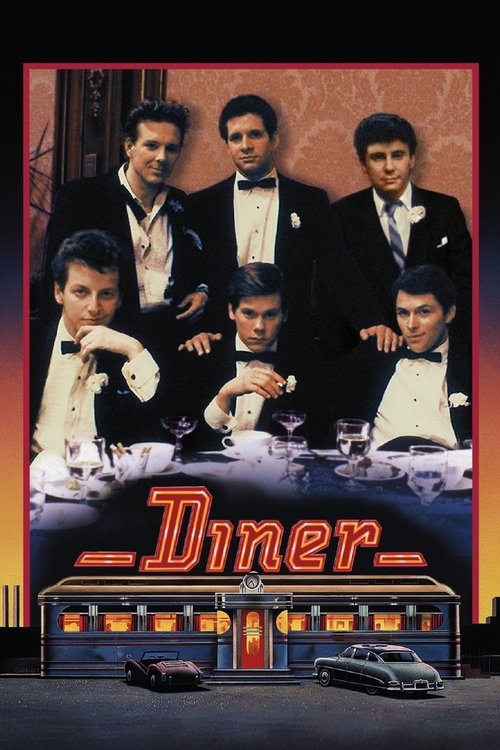
Diner1982
Levinson's film about male friendship in transition has the same loose, naturalistic dialogue and genuine affection for its scrappy characters. Different world, same emotional truth about what we owe our people.
But It's a hangout film with no plot to speak of; plot-driven viewers will find it frustrating.
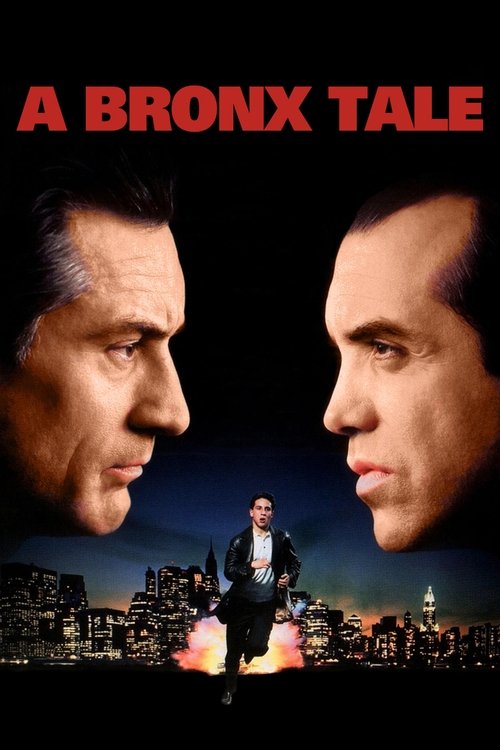
A Bronx Tale1993
De Niro's directorial debut, set in the same neighborhood, same era. It has warmth and humor alongside the street life. A spiritual descendant that loves the world it's depicting.
But More sentimental and more conventional; it smooths down some of what makes The Wanderers feel raw.
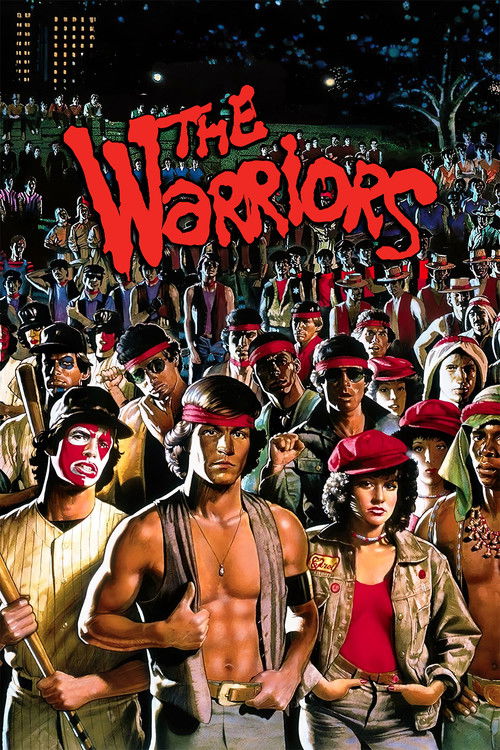
The Warriors1979
Released the same year, this is New York gang cinema from another angle—mythic, stylized, operatic. Different approach to the same material, and the color and music are hypnotic.
But It's cartoonish by design; if you want social realism, this will feel too heightened.
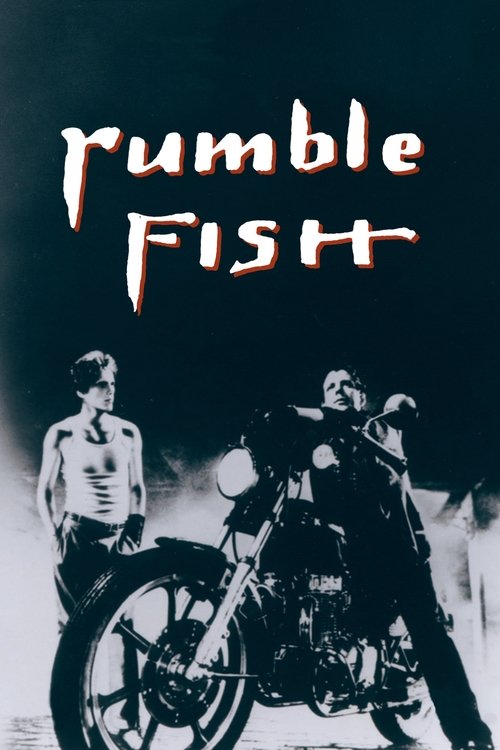
Rumble Fish1983
Coppola again, but more experimental. A black-and-white meditation on brothers and gangs and the weight of reputation. Stunning to watch and genuinely strange.
But Arthouse sensibility and Sting on the soundtrack date it oddly; it can feel pretentious alongside The Wanderers' street energy.
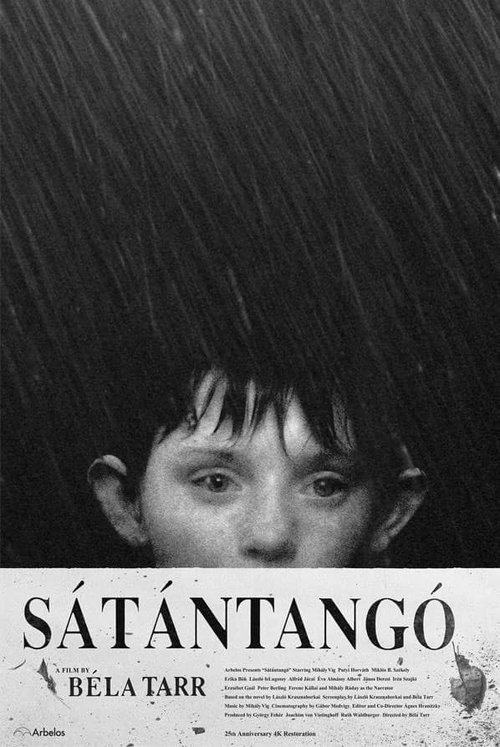
Satantango1994
Both films believe that the texture of how people move, talk, and stand together tells you more about a society than plot ever could. Both are patient with their worlds.
Béla Tarr's seven-hour Hungarian masterpiece about adolescence, community, and entropy. Shot in vast, hypnotic black and white. It sounds nothing like The Wanderers but it *feels* like it—that sense of a world closing in, ritual as survival, time as a physical thing.
But Seven hours, 1994 Hungarian New Wave, almost no dialogue. Every barrier to entry is real and significant.
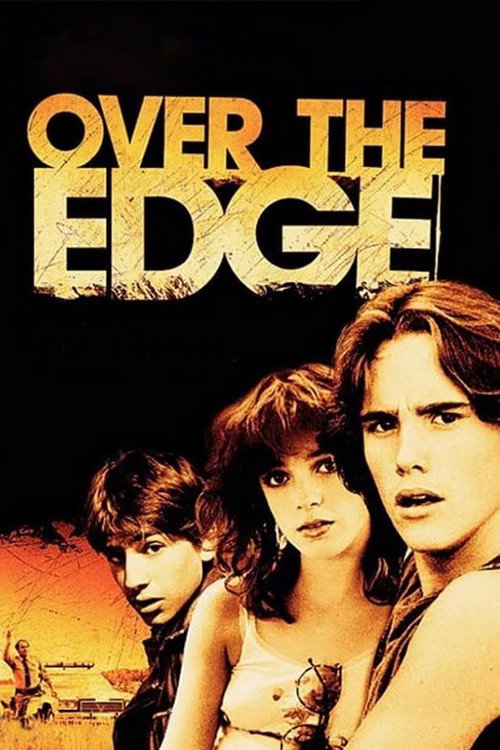
Over the Edge1979
Both films capture the moment before everything hardens—when adolescence is still a force of nature rather than a phase to manage. Same historical moment, same understanding that confinement breeds rebellion.
Kauffman's film about bored Arizona teenagers destroying a suburban town. Released the same year, same energy, same refusal to judge its kids. Dark, funny, genuinely reckless. A suburb instead of the Bronx, but the claustrophobia is identical.
But More nihilistic and less anchored to character; it's uglier and colder, which some find more honest and others find thin.
People
Cast
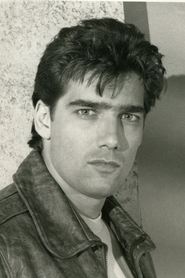 Ken WahlRichie
- John FriedrichJoey
 Karen AllenNina
 Toni KalemDespie Galasso
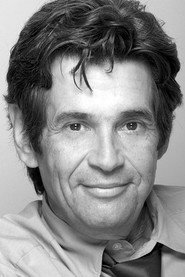 Alan RosenbergTurkey
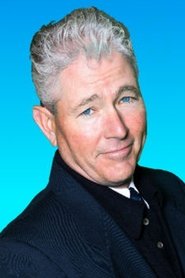 Jim YoungsBuddy
 Tony GaniosPerry
 Linda ManzPeewee
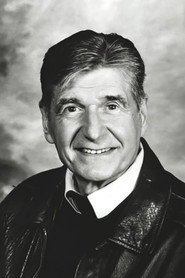 William AndrewsEmilio
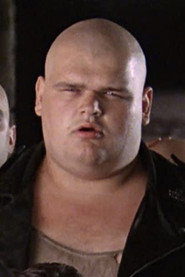 Erland van LidthTerror
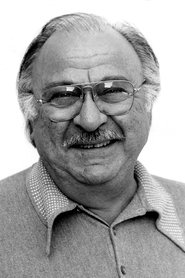 Val AveryMr. Sharp
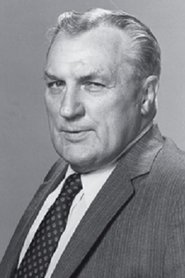 Dolph SweetChubby Galasso
Directing
- Alan HopkinsAssistant Director
- Philip KaufmanDirector
- Laurie B. EichengreenSecond Assistant Director
Writing
- Richard PriceNovel
- Philip KaufmanScreenplay
- Rose KaufmanScreenplay
Production
- Fred C. CarusoAssociate Producer
- Scott RudinCasting
- Scott RudinCasting Director
- John W. HydeExecutive Producer
- Richard R. St. JohnsExecutive Producer
- Martin RansohoffProducer
- Fred C. CarusoUnit Production Manager
Recommended by
Eddie and the Cruisers, Roller Boogie, Lemon Popsicle, The Shaolin Plot, The Warriors: The Way Home, Boxcar Bertha