
Film
The Man from Hong Kong
A Hong Kong detective lands in 1970s Sydney to interrogate a suspect—who promptly gets murdered. What follows is a collision of East-meets-West action cinema: Jimmy Wang Yu's balletic martial arts against Australian grit, car chases through sunburned landscapes, and George Lazenby looking uncomfortable in khaki. It's rough-edged, propulsive, deeply of its moment.
Should you watch it?
Watch it if you enjoy 1970s crossover genre films where a stranger in a foreign city pokes at a case, and the fights are rough, grounded and staged with real physicality.
Skip it if you want a tight, sleek thriller; this one drifts between police procedure and scrappy brawling, and its tone can feel loose and uneven across its 106 minutes.
What it asks of you: Settle in for an unhurried build, plenty of plain conversation and shifting locations, with violence arriving in sudden bursts rather than a steady stream.
Not sure? Find tonight's pick in a minute.
If you liked this
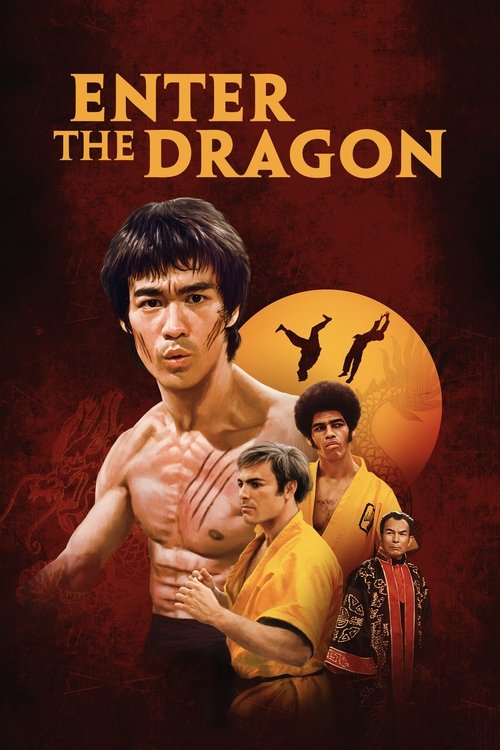
Enter the Dragon1973
Bruce Lee's final film and the template for kung fu cinema worldwide. If you want to understand what The Man from Hong Kong is remixing, this is where it began: martial arts, international intrigue, and unstoppable action.
But It's been canonized to death, and the mystique can feel suffocating on first watch. Some of the supporting performances are broad.
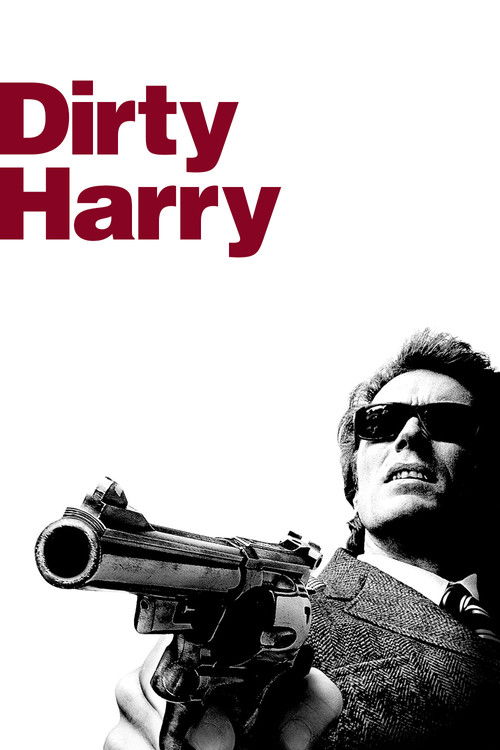
Dirty Harry1971
The same DNA: a cop movie built on attitude, violence, and a hero who operates by his own rules. Clint Eastwood's San Francisco is Australia's mirror—different accent, same swagger, same body count.
But Very much a product of the early 70s in ways that haven't aged flawlessly. The politics can feel dated, sometimes in uncomfortable ways.
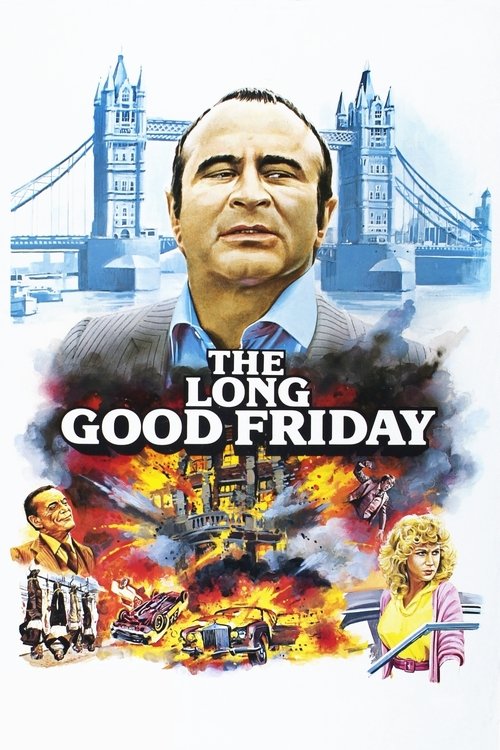
The Long Good Friday1980
Bob Hoskins as a London crime boss facing an enemy he can't identify. Like The Man from Hong Kong, it's a crime thriller about power structures colliding and a protagonist who discovers the rules no longer apply.
But Slower-paced and more interested in character than action. The ending divides viewers sharply—some love it, some feel blindsided.
Not sure tonight? Get a pick in a minute, starting from The Man from Hong Kong
The wildcard
Something you would not have found on your own.
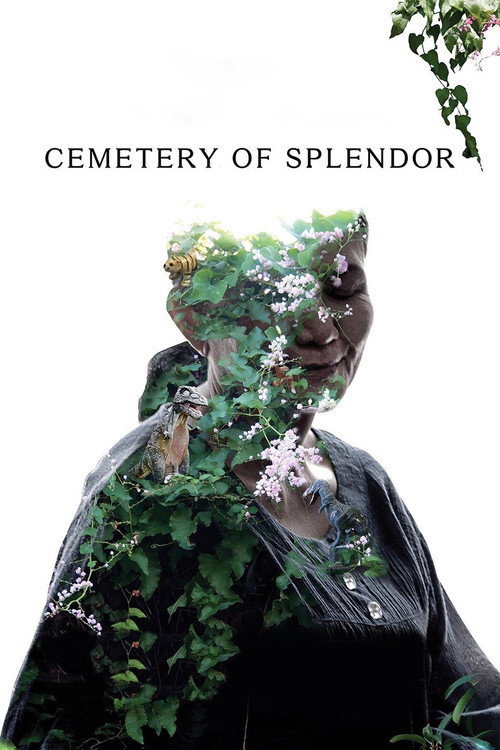
Cemetery of Splendor2015
Both films use international settings and institutional power structures to explore what happens when an outsider enters a system designed to contain them. Both ask: who really has authority here?
Apichatpong Weerasethakul's Thai film about a military hospital where soldiers sleep unexplainably. Like The Man from Hong Kong, it's a collision of official authority and incomprehensible mystery, but filtered through dreamlogic and long takes. A meditation on power and powerlessness told through languid, hypnotic cinema.
But Nothing happens in conventional ways. It's meditative and fragmented—structurally the opposite of a plot-driven thriller. Patience required.
More like this (8)
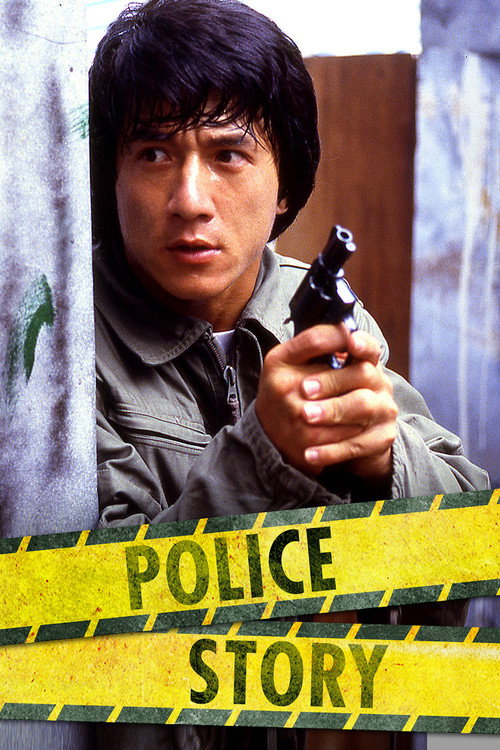
Police Story1985
Jackie Chan's masterpiece: a cop thriller that invents new ways to choreograph action through architecture and objects. It's what happens when the tradition Wang Yu represented gets refined into pure visual poetry.
But Subtitles if you want the full experience. The early sections are a bit draggy before it erupts.
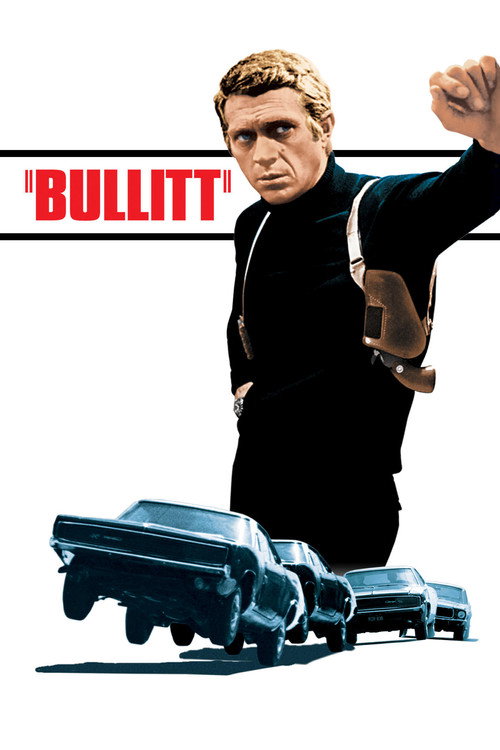
Bullitt1968
Steve McQueen as a San Francisco detective, minimalist and cool, solving a murder that spirals outward. It's the spiritual grandfather of every international cop thriller that followed, including this one.
But The plot is actually quite thin. You're watching it for McQueen's stillness and that legendary car chase, not intricate storytelling.
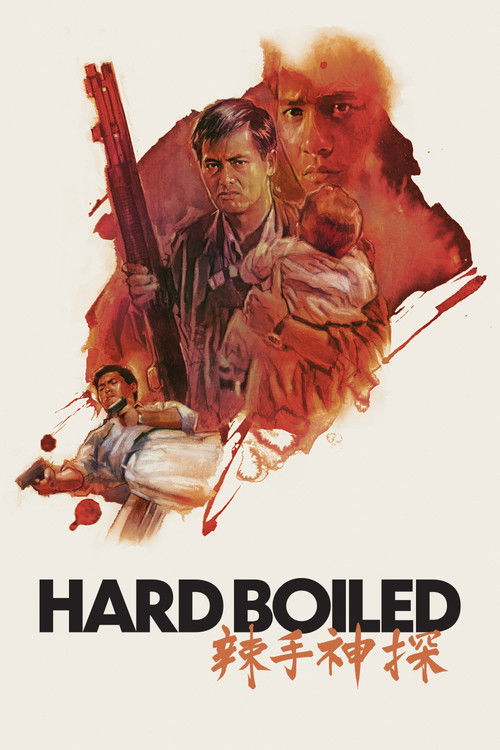
Hard Boiled1992
John Woo's Hong Kong masterpiece: a cop and a spy in a maze of betrayals, gunfights, and impossible heroics. It's the logical endpoint of everything Wang Yu's generation started.
But Subtitles required. The action is so elaborate it can feel more like ballet than crime drama—some find it exhausting rather than exhilarating.
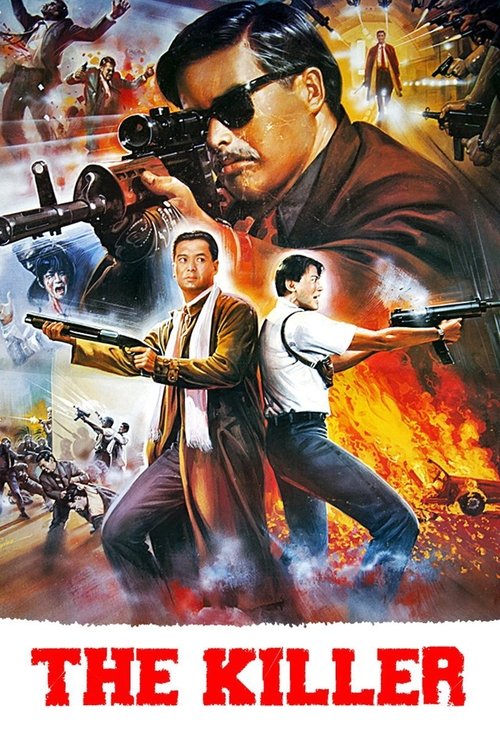
The Killer1989
John Woo again, this time following an assassin and the cop hunting him. It's meditation on honor wrapped in gunplay—emotional and strange in ways most action films never attempt.
But Chow Yun-fat's performance is mannered and theatrical. The pacing is deliberately deliberate, which reads as slow to viewers expecting Woo's later kinetic style.
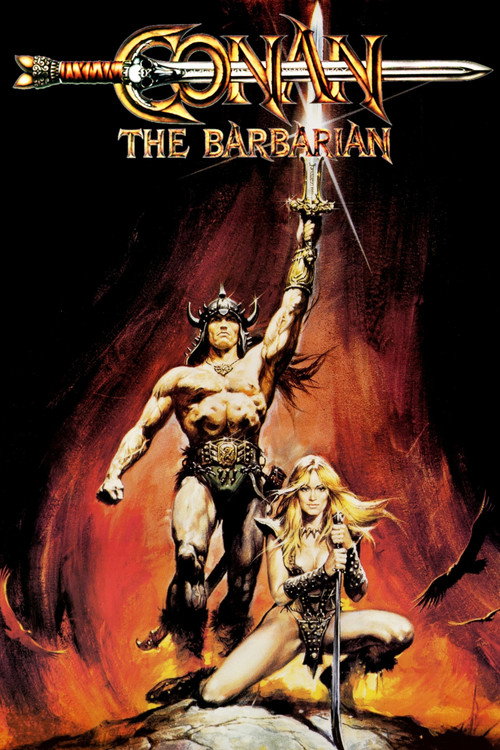
Conan the Barbarian1982
Arnold Schwarzenegger, raw physicality, and a straightforward narrative of revenge across dangerous landscapes. It has the same outsider-in-hostile-territory energy as Wang Yu's detective abroad.
But Genuinely silly in stretches. The script is minimal, and philosophy is delivered in leaden exposition.
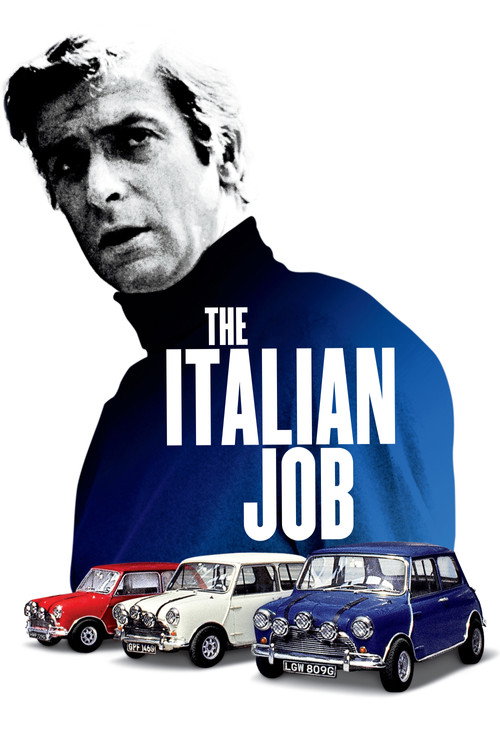
The Italian Job1969
A heist across international lines with a charismatic ensemble cast and genuine invention. It shares The Man from Hong Kong's pleasure in placing familiar crime-movie types in unfamiliar locations.
But Lightweight and breezy—it doesn't have much to say. If you want weight and consequence, this won't satisfy.
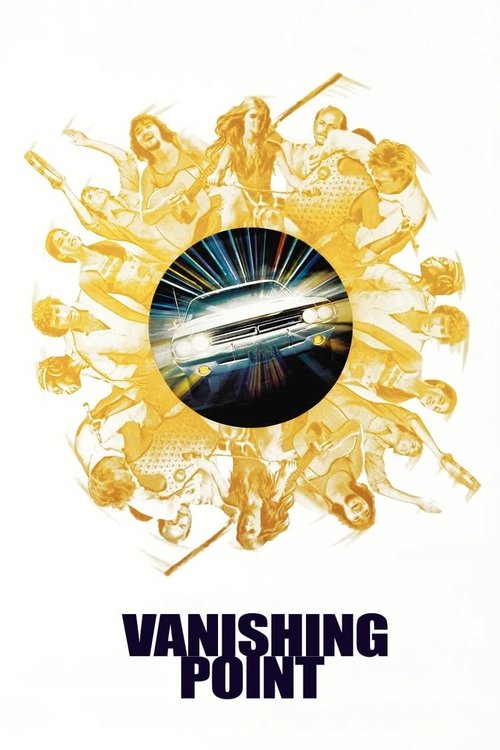
Vanishing Point1971
Both are 70s genre films about men in motion across landscapes, but one is external action cinema and the other is internal mysticism. They're inverse takes on the same yearning.
A getaway driver heads toward oblivion across American highways in a straight line. It's kinetic, hypnotic, and obsessed with movement and pursuit like The Man from Hong Kong, but from inside the fugitive's head. The action is existential rather than heroic.
But The plot is minimal and the ending is deliberately, almost cruelly ambiguous. It's a mood piece masquerading as a chase film—some find that pretentious.
The Assault1986
Both feature international police work and cross-cultural investigation, but where The Man from Hong Kong treats that as adventure, The Assault treats it as moral quicksand. Same setup, opposite register.
Fons Rademakers' Dutch film traces a single act of violence across decades, asking who is guilty and who decides. It's a crime film that dissolves the boundaries between perpetrator and victim. Like The Man from Hong Kong, it's caught between national identities and moral certainties—but it prioritizes ambiguity over action.
But Deliberately paced and structured as puzzle rather than narrative. The violence is offscreen or past. If you want spectacle or clarity, this offers neither.
People
Cast
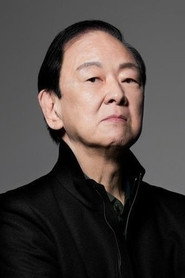 Jimmy Wang YuFang
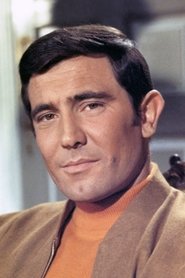 George LazenbyWilton
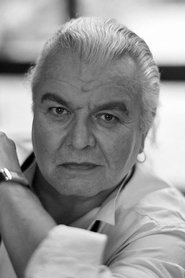 Hugh Keays-ByrneMorrie Grosse
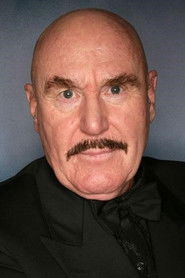 Roger WardBob Taylor
 Rosalind SpeirsCaroline Thorne
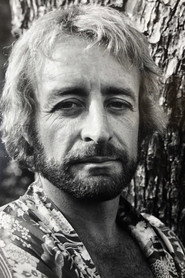 Grant PageAssassin
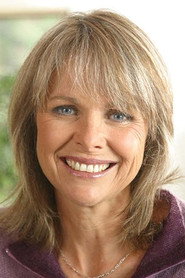 Rebecca GillingAngelica
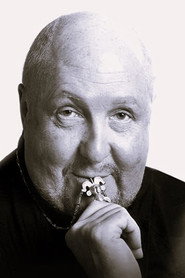 Frank ThringWillard
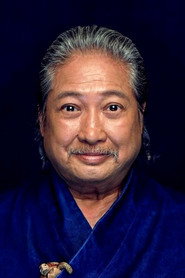 Sammo HungWin Chan
- Deryck BarnesVeterinary Doctor
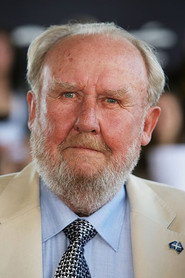 Bill HunterPeterson
- Ian JamiesonDrug Courier
Directing
- Chu Yat-HungAssistant Director
- Hal McElroyAssistant Director
- Lyn McEncroeContinuity
- Yeung HuaContinuity
- Brian Trenchard-SmithDirector
- Errol SullivanSecond Assistant Director
- Madalena ChanSecond Assistant Director
- Jimmy Wang YuSecond Unit Director
Writing
- Brian Trenchard-SmithScreenplay
Production
- Andre MorganExecutive Producer
- David HannayExecutive Producer
- John FraserProducer
- Raymond ChowProducer
- Haywood PanProduction Assistant
- Mark PearsonProduction Assistant
- Michael FalloonProduction Assistant
- Robert LeungProduction Assistant
- Lau Tin-ChiProduction Coordinator
- Pom OliverProduction Coordinator
- Anna AugunasProduction Secretary