
Film
Vanishing Act
A honeymooner in the Rockies reports his wife missing, then she reappears—but he doesn't recognize her. Is she an impostor, or is he losing his mind? This 1986 TV thriller mines paranoia and domestic doubt for genuine unease, asking which version of reality we're willing to believe.
Should you watch it?
Watch it if you like puzzles built on doubt, where a plausible explanation keeps shifting under your feet and the smaller, slower scenes matter as much as the reveal.
Skip it if you want a sleek, modern thriller with brisk pacing; this is a dated 1980s TV movie, and its tension leans on talky scenes and an unhurried build.
What it asks of you: Ninety-five minutes of patient, low-key unease, with few set pieces; it wants you to sit with uncertainty and track small contradictions rather than be carried along by spectacle.
Not sure? Find tonight's pick in a minute.
If you liked this
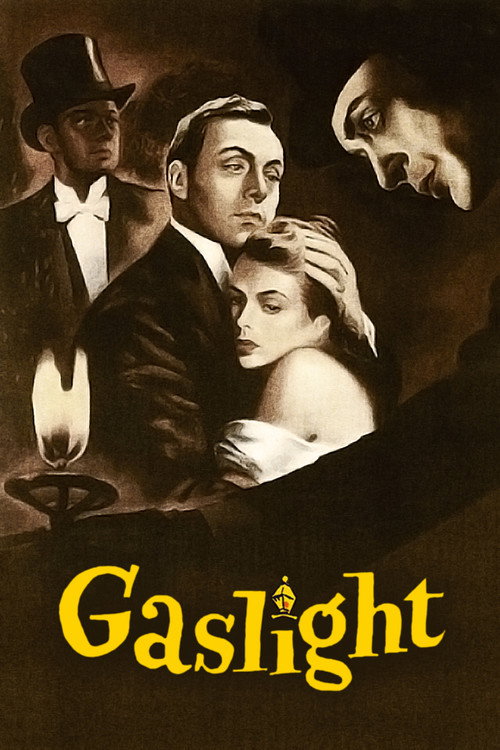
Gaslight1944
The archetypal psychological thriller about a woman made to doubt her own sanity by someone she trusts. Ingrid Bergman's performance is devastating, and the mechanism of doubt it explores is exactly what Vanishing Act weaponizes.
But Black-and-white studio melodrama; the pacing is deliberate in ways modern thrillers aren't, and some of the emotional beats feel quaint now.
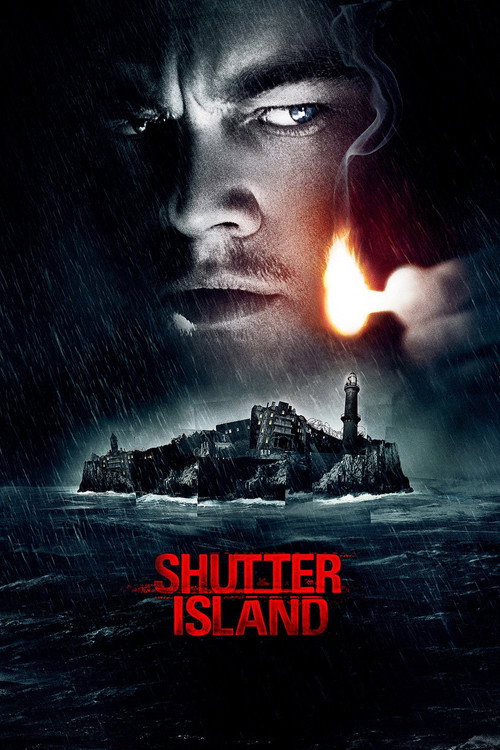
Shutter Island2010
A detective arrives at a psychiatric hospital to investigate a disappearance, only to find nothing he's told is trustworthy—including his own memory. Same DNA of creeping dread and the question of what's real.
But Scorsese's twist ending is carefully planted but deeply divisive; some find it elegant, others feel manipulated by the time it lands.
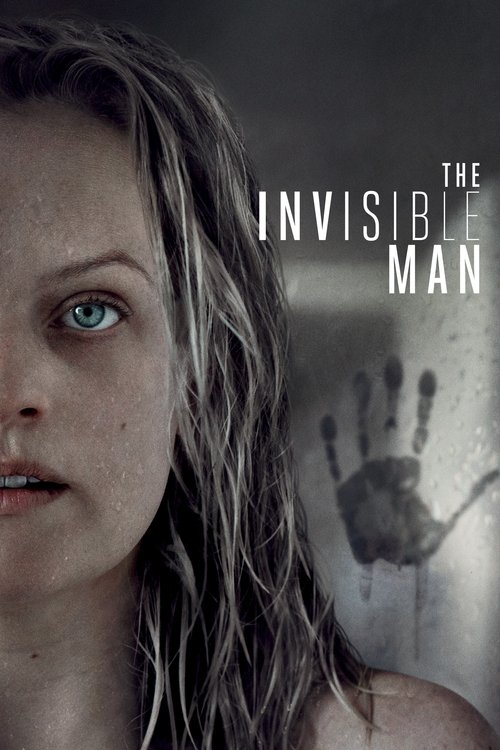
The Invisible Man2020
A woman's abusive ex-boyfriend becomes literally invisible, gaslighting and terrorizing her while everyone else thinks she's paranoid. Taut, modern, and cuts to the emotional core of not being believed.
But It's a superhero movie at heart; if you came for ambiguous psychological mystery rather than sci-fi thriller momentum, the genre switch will disappoint.
Not sure tonight? Get a pick in a minute, starting from Vanishing Act
The wildcard
Something you would not have found on your own.
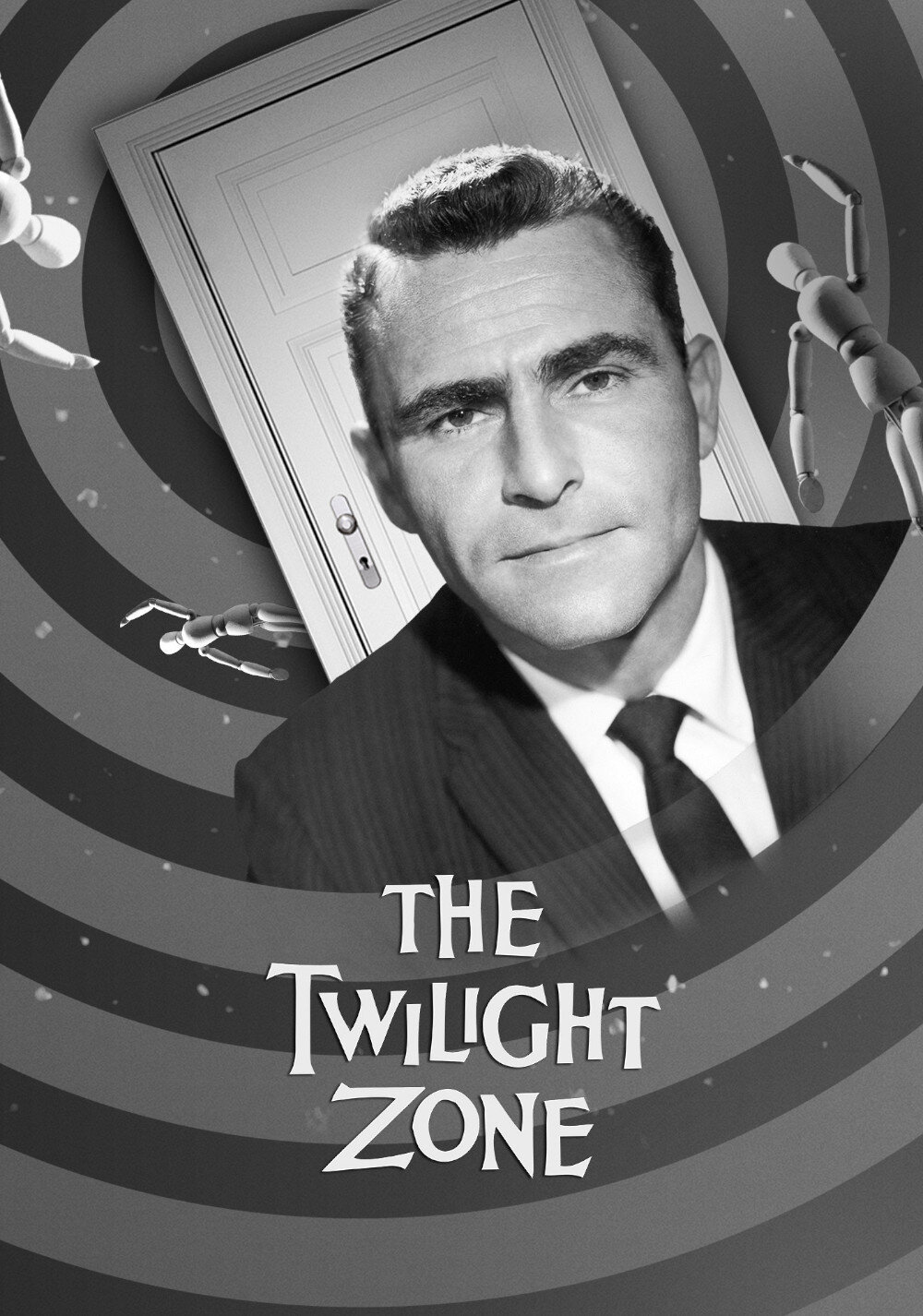
The Twilight Zone1959
Both use domestic space and the failure of recognition as their engine. In Twilight Zone, neighbors stop trusting each other; in Vanishing Act, a husband stops trusting his wife. The paranoia is the point, not the explanation.
Start with 'The Monsters Are Due on Maple Street' or 'The Midnight Sun.' Serling's best episodes weaponize everyday paranoia and question what's real with a poet's precision. Each is a perfectly-shaped thriller in 25 minutes.
But Black-and-white TV from the 1950s; the production values are bare, and the twist-ending format means they can feel remote or didactic by modern standards.
More like this (8)
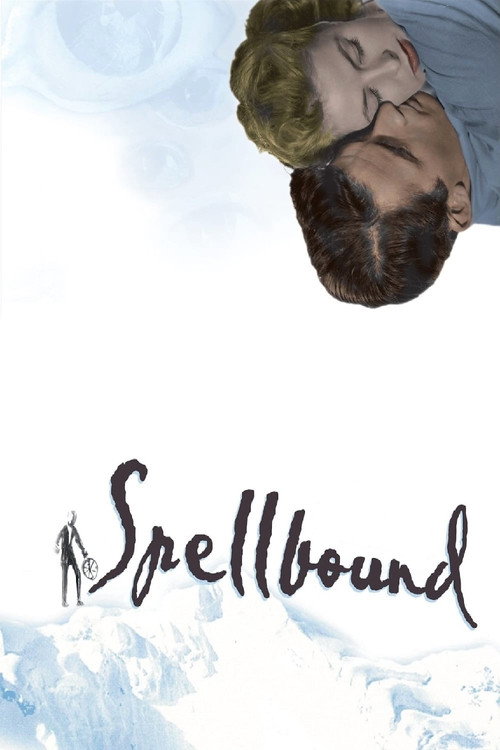
Spellbound1945
Hitchcock's psychoanalysis thriller: a woman falls for a man who may have committed murder, and can't tell if she's in love or in danger. The paranoia and the romance are genuinely entangled.
But It leans heavily on Freudian theory that's dated now, and the dream sequence is more famous than the plot itself.
Mulholland Drive2001
A woman with amnesia and an aspiring actress form a bond in Los Angeles, but nothing adds up. Lynch makes identity itself unstable; by the end, you'll question which version of events actually happened.
But It's deliberately cryptic and long; if you need clear answers, this film will frustrate you more than satisfy you.

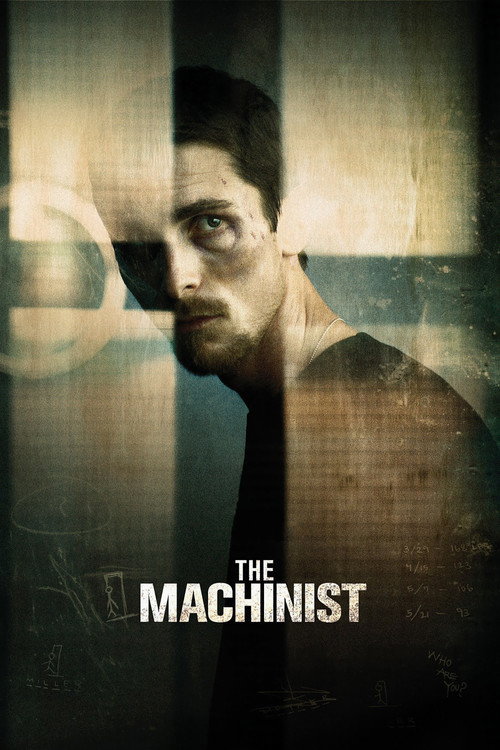
The Machinist2004
A man hasn't slept in a year, and his grip on reality is collapsing. Christian Bale's skeletal appearance sells the psychological deterioration; it's lean and horrible and hypnotic.
But The twist is guessable if you're paying attention, and some viewers find the ending deflating after the build-up.
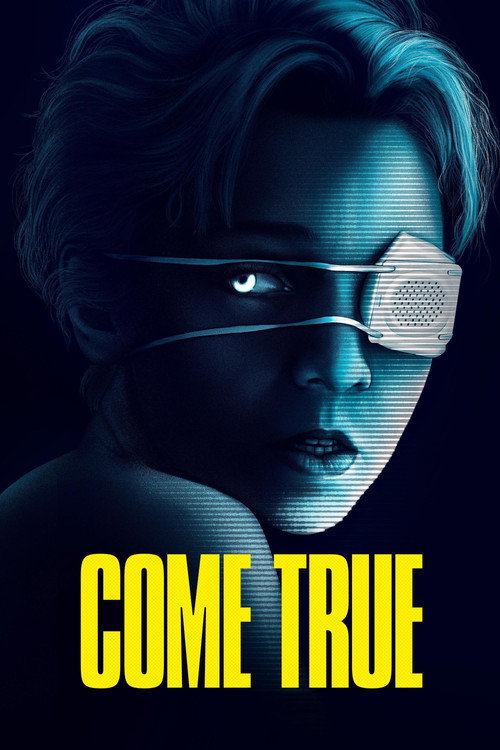
Come True2020
A homeless teenager enrolls in a sleep study; the experiment slowly becomes nightmarish, and we can't trust whether what we're seeing is real or dream-logic. Visually stunning and genuinely disorienting.
But It's slow-burn sci-fi horror, not a conventional thriller; long stretches have minimal dialogue, and it relies on mood over plot.
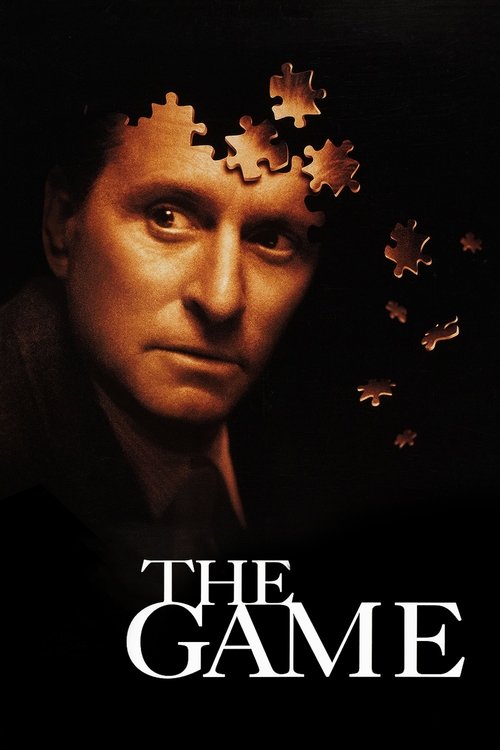
The Game1997
A wealthy man's brother gives him a mysterious gift: an elaborate, personalized game that blurs the line between entertainment and threat. Fincher makes paranoia feel like a rational response.
But The logic of the game gets increasingly contrived; by the final act, you may feel the rules were rewritten to fit the ending.
Take Shelter2011
A man becomes convinced a catastrophe is coming and builds a storm shelter; his family can't tell if he's prophetic or mentally ill. Michael Shannon is extraordinary, and the ambiguity never settles.
But It's deliberately slow, with long stretches of dread that don't pay off in action; some viewers will find it exhausting rather than suspenseful.

Still Alice2014
Where Vanishing Act uses doubt about identity as a thriller mechanism, Still Alice explores the actual, lived experience of not recognizing yourself. Same fear, absolute opposite register—one is paranoid suspense, the other is intimate tragedy. Both ask: who are you if your own mind becomes a stranger?
Julianne Moore is a linguistics professor with early-onset Alzheimer's. It's searingly intimate and never looks away from her losing her grip on reality and her own identity. Devastating without being maudlin.
But It's a grief film about cognitive decline; there's no mystery or twist, just the slow, necessary awfulness of watching someone disappear into themselves.

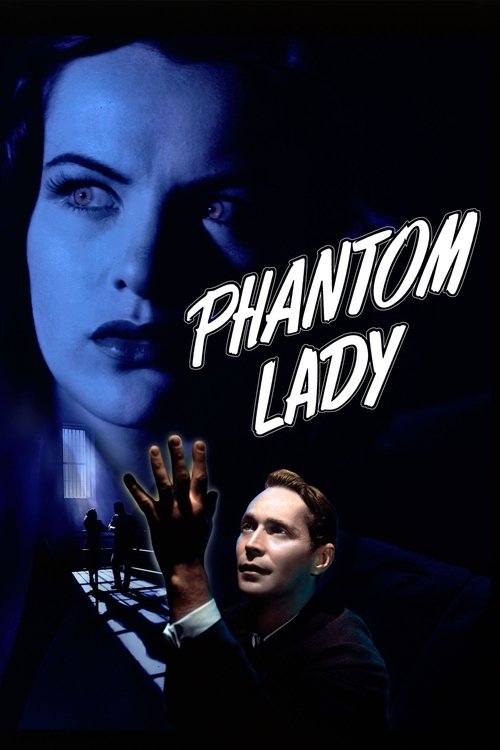
Phantom Lady1944
Both hinge on the unreliability of eyewitness testimony and the question of whether we're seeing reality or a constructed version of it. But Phantom Lady is visually intoxicating where Vanishing Act is spare; it's the same paranoia filtered through expressionism instead of domestic realism.
A woman tries to prove her husband innocent of murder by finding a phantom lady no one else remembers seeing. It's baroque film noir—gorgeous, perverse, morally murky—and the camera work is absolutely fevered.
But It's 80 years old and the gender politics are ugly by modern standards; what reads as mystery also reads as a woman being punished for wanting autonomy.
People
Cast
 Mike FarrellHarry Kenyon
 Margot KidderChris Kenyon
 Elliott GouldLieutenant Rudameyer
 Fred GwynneFather Macklin
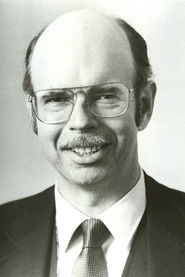 Graham JarvisDr. DeMarco
- Heather WardFlute Girl (as Heather Ward Siegel)
- Wally McSweenBanker
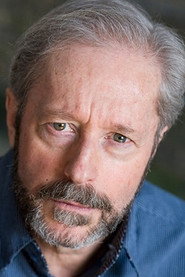 John BluethnerFirst Paramedic
Directing
- David GreeneDirector
Writing
- Richard LevinsonTeleplay
- William LinkTeleplay
- Robert ThomasTheatre Play
Production
- Jeff WachtelDevelopment Producer