
Film
Violent Road
A taut 1958 cargo thriller where six men drive volatile rocket fuel across treacherous terrain to a missile base. Lean and efficient, built on tension rather than spectacle, it's for anyone who loves slow-burn danger—the kind where the real enemy is what's in the truck bed. A forgotten gem that proves the concept still works.
If you liked this
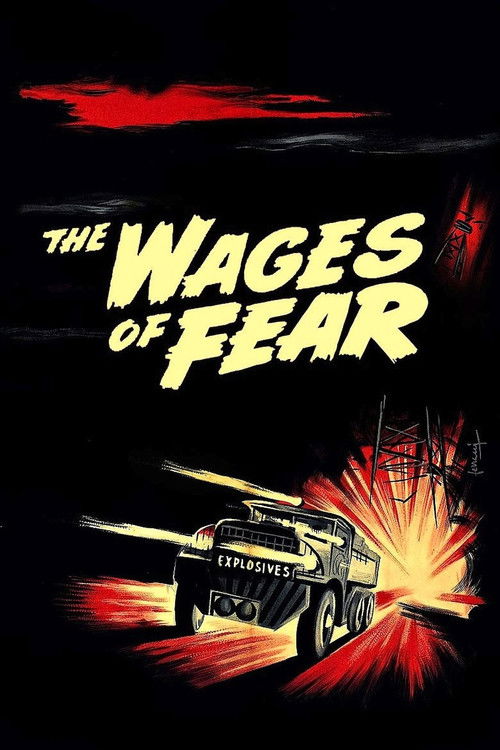
The Wages of Fear1953
Clouzot's masterpiece: four men drive nitroglycerin through hellish South American landscape. Unbearable tension, moral complexity, and genuine stakes. The film *Violent Road* was remade from, and it's the reason to see both.
But Black-and-white, nearly three hours, French with subtitles. The pacing is deliberate—some find it glacial. Also genuinely bleak in ways that offer no comfort.
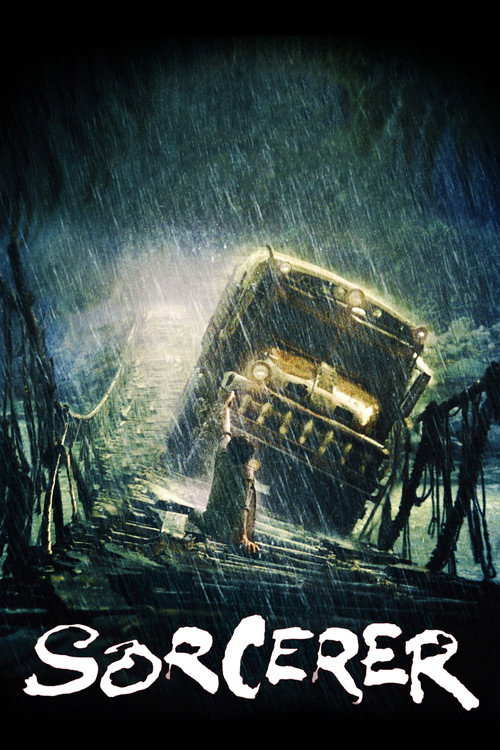
Sorcerer1977
Friedkin remakes *Wages of Fear* again with Roy Scheider in a jungle apocalypse. Visceral action, moral rot, and a sense that everything might explode. Pure cinema: no dialogue, just danger and skill.
But Bombed on release and remains polarizing. Very 1970s; slow stretches between set pieces. Demanding and sometimes alienating.
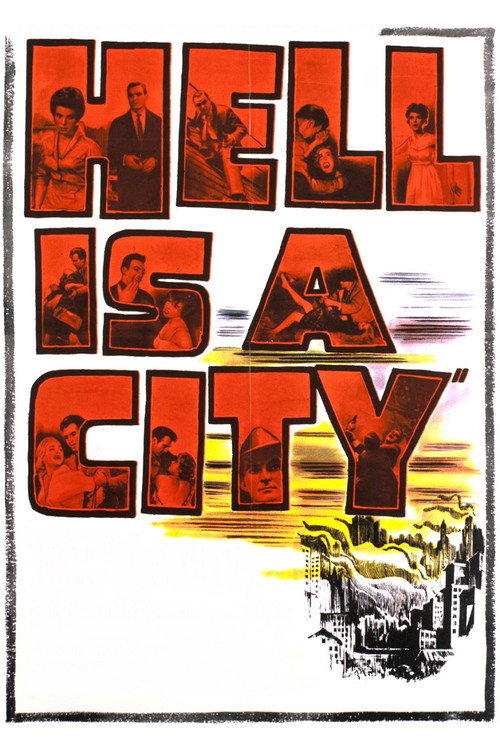
Hell Is a City1960
British noir with Stanley Baker: a Manchester detective hunts a criminal across industrial landscapes. Gritty, location-shot, and endlessly inventive with its tension. The DNA of modern crime thrillers.
But The print quality varies wildly depending on what you find. Dated slang and some clumsy exposition. Not as purely tense as the truck films.
Not sure tonight? Get a pick in a minute, starting from Violent Road
The wildcard
Something you would not have found on your own.
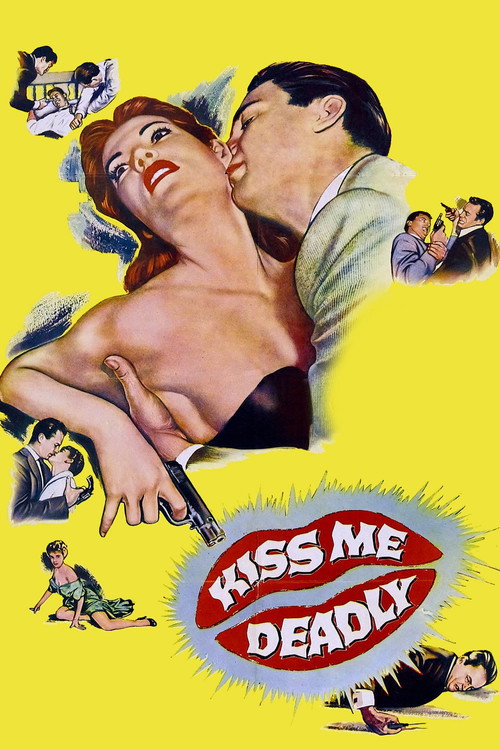
Kiss Me Deadly1955
Both are about men transporting something dangerous across hostile terrain, but *Kiss Me Deadly* suggests the real danger isn't the cargo—it's the world itself. Where *Violent Road* is suspenseful, *Kiss Me Deadly* is apocalyptic.
Aldrich's atomic-age Hammer film: Mike Hammer investigating a woman's death. Savage, surreal, and morally rotten in every direction. A film that seems to grow darker the more you watch it. The apocalypse waits at the end of noir.
But Extremely violent and brutal for 1955. The misogyny is not ironic or clever; it's the film's actual ideology. Cold and cynical in ways some find punishing rather than cathartic.
More like this (6)
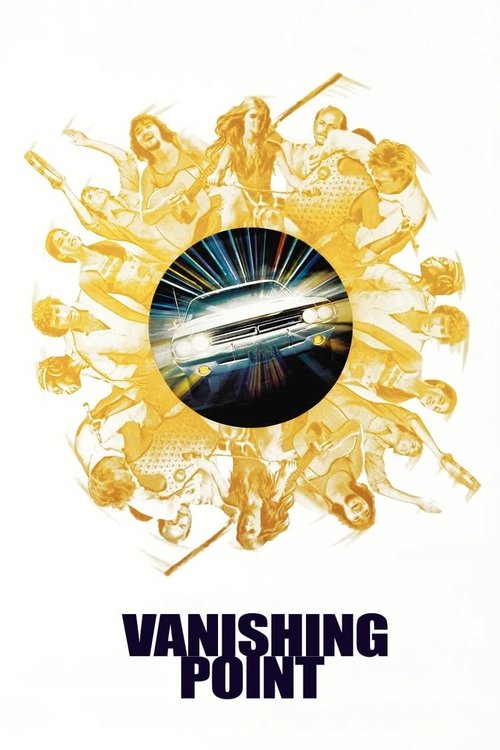
Vanishing Point1971
Barry Newman drives a Dodge Challenger across America in a race against time and cops. Hypnotic, fragmented, the spiritual cousin of every existential road movie since. Genuinely dangerous mood.
But Episodic and trippy in ways that frustrate linear viewers. The 70s aesthetics are strong; some find them dated. Deliberately cryptic about what it all means.
Rififi1955
Jules Dassin's heist masterpiece: a nearly silent, 30-minute jewel theft sequence that redefined the genre. Stylish, clever, tense without ever raising its voice. Influence on every heist film after.
But The heist, not the story, is the real film. Everything around it is functional crime melodrama. Black-and-white and somewhat dated in dialogue.

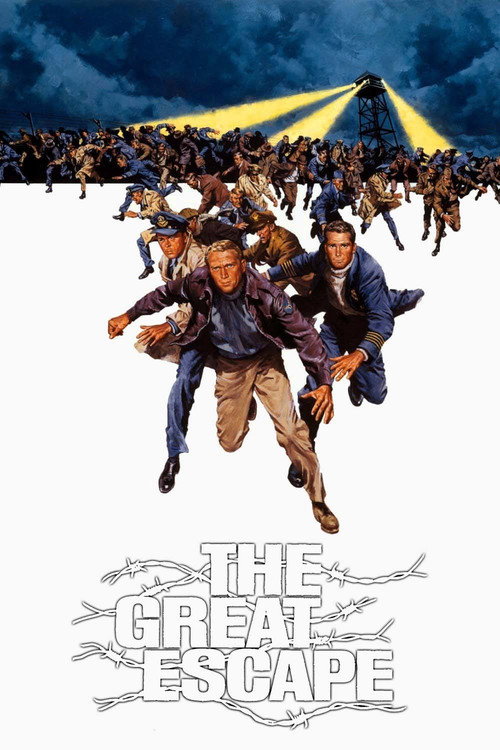
The Great Escape1963
Sturges' perfect ensemble: POWs plan an elaborate breakout. Tense, smart, hugely entertaining. Steve Reeves, James Garner, James Coburn. A crowd-pleaser that earns every second of its runtime.
But Very much a product of its era; some scenes feel slow by modern standards. The humor can feel dated. Glosses over the real horror of war with Hollywood gloss.
The Killing1956
Kubrick's debut: a racetrack heist told in fragmented chronology. Tense, witty, efficient at 85 minutes. You see how modern crime films learned to move. Noir bones with modern sensibility.
But The print was famously butchered by the studio; restoration helps but scars remain. The voice-over narration is dated. Some find the structure confusing rather than clever.

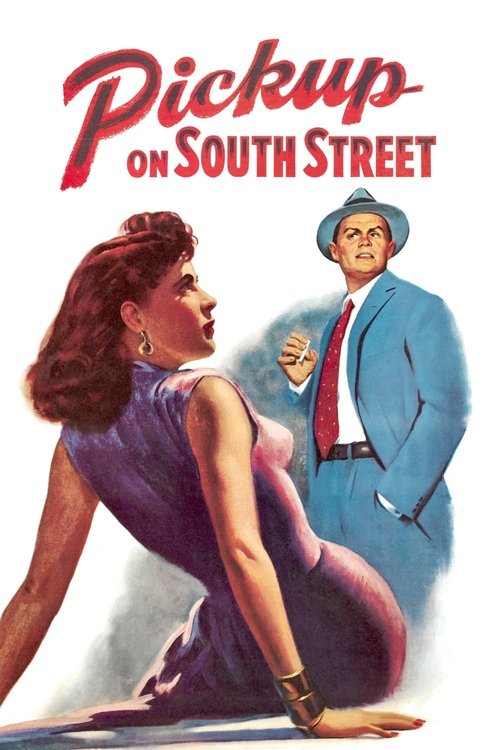
Pickup on South Street1953
Samuel Fuller's New York thriller about pickpockets and Cold War espionage. Kinetic, moral, deeply humane. Fuller's style is electrifying—every frame crackles with purpose and camera movement.
But Fuller's technique is mannered and sometimes overwrought. The editing is deliberately jarring. The spy plot machinery feels creaky beneath the style.
The Ballad of Little Jo1993
Both are survival films about ordinary people in hostile environments, but *Little Jo* replaces the mechanical tension of cargo with the existential tension of identity. One is about protecting a thing; the other is about protecting a self.
Maggie Greenwald's Western: a woman disguises herself as a man to survive the frontier. Beautifully shot in muted colors, morally complex, and utterly unsentimental. A revisionist Western that actually revises something.
But Slow and painterly; the action is minimal. The tone is elegiac and sometimes austere. Lacks the mythmaking machinery most Westerns traffic in.

People
Cast
 Brian KeithMitch Barton
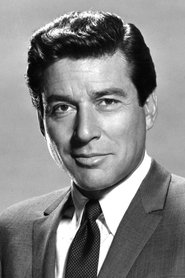 Efrem Zimbalist Jr.George Lawrence

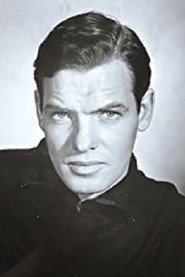 Sean GarrisonKen Farley
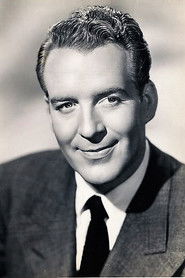 Dick ForanFrank 'Sarge' Miller
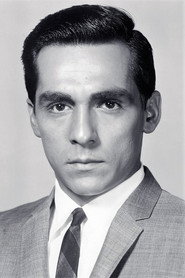 Perry LopezJoe
- Ed PrentissMr. Nelson
 Merry AndersThe Girl in the Convertible
 Ann DoranEdith Miller
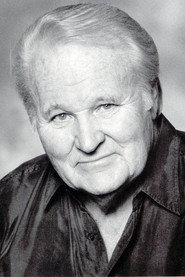 John DennisPat Farley
 Joanna BarnesLawrence's Wife
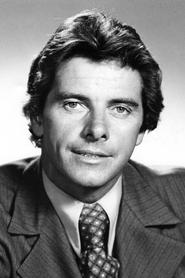 Peter BrownMarine at Bar
Directing
- Al AllebornAssistant Director
- Russell SaundersAssistant Director
- Howard W. KochDirector
Writing
- Georges ArnaudNovel
- Richard H. LandauScreenplay
- Don MartinStory
Production
- Aubrey SchenckProducer