
Television series
City on a Hill
A Boston crime drama set against the early-1990s "Boston Miracle," following an idealistic ADA and a corrupt FBI veteran forced into uneasy alliance. It's a richly character-driven thriller that examines systemic corruption and institutional racism with moral complexity. For viewers who want crime procedurals with real teeth—where the cops aren't heroes and the system itself is the antagonist.
Should you watch it?
Watch it if you like crime stories where the moral lines blur inside the institutions meant to enforce them, and you enjoy a slow-burning mix of procedural detail and messy personal loyalties.
Skip it if you want a tidy case closed each week or a fast, propulsive plot; this one takes its time, leans on dense talk about politics and police culture, and rarely lets up on its grim tone.
What it asks of you: Three seasons of roughly an hour per episode, so it asks for a long commitment and steady attention, with dark, heavy scenes that build rather than resolve quickly.
Not sure? Find tonight's pick in a minute.
If you liked this
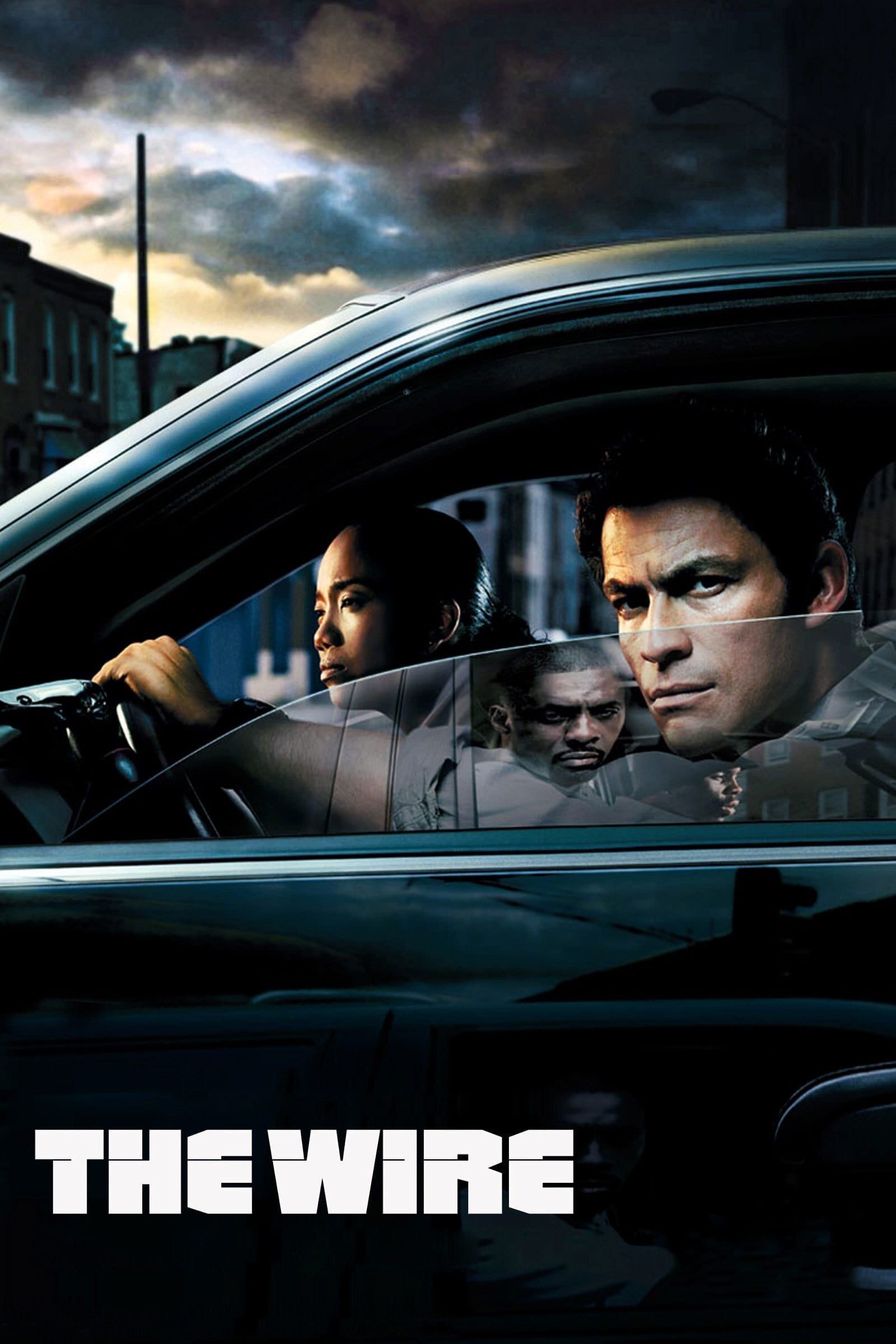
The Wire2002
The gold standard for institutional crime drama. Multiple seasons examine every layer of Baltimore's systems—police, courts, politics, schools. Dense, rewarding, and morally uncompromising in ways that feel essential.
But Demands genuine attention. Slow-building first season and 60 episodes is a substantial commitment. Some find the scope overwhelming rather than compelling.
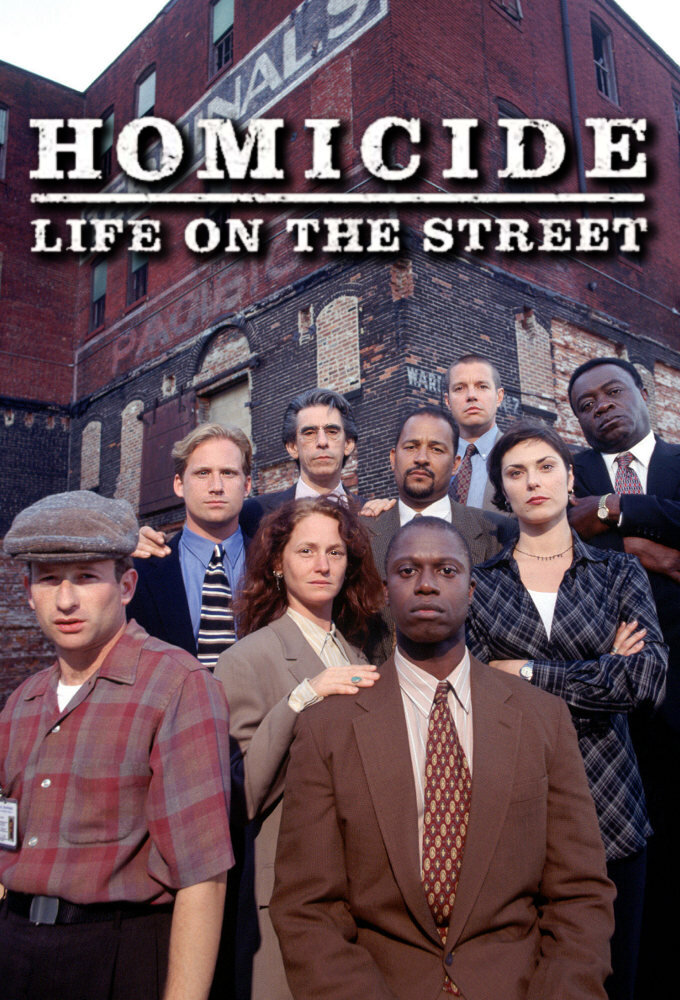
Homicide: Life on the Street1993
Pioneering procedural that treats detectives as flawed humans navigating institutional failure. Sharp, character-focused, with genuine stakes. Influenced everything that came after City on a Hill.
But Tonally inconsistent—swings between procedural and serialized drama. Later seasons lose narrative focus. 1990s network TV occasionally shows its age.
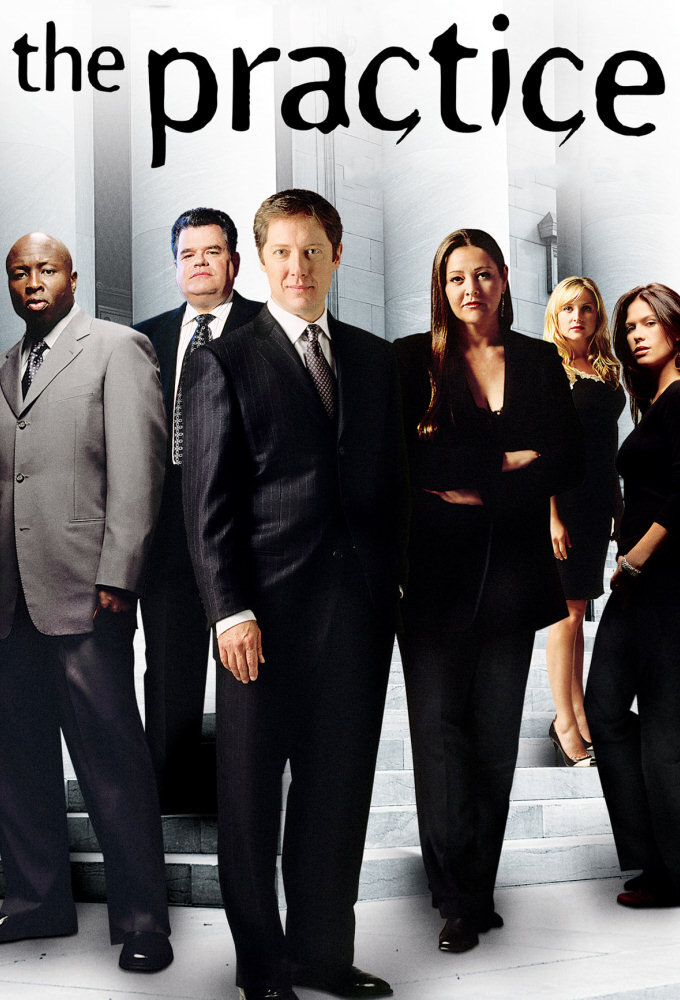
The Practice1997
Legal drama focused on criminal defense that doesn't shy from moral ambiguity. Examines the gap between justice and the law with intelligence and bite. Perfect entry into system-level corruption narratives.
But Very much a late-90s network show, which shows in pacing and tone. Courtroom theatrics sometimes override subtlety. Earnest in ways that can feel dated.
Not sure tonight? Get a pick in a minute, starting from City on a Hill
The wildcard
Something you would not have found on your own.
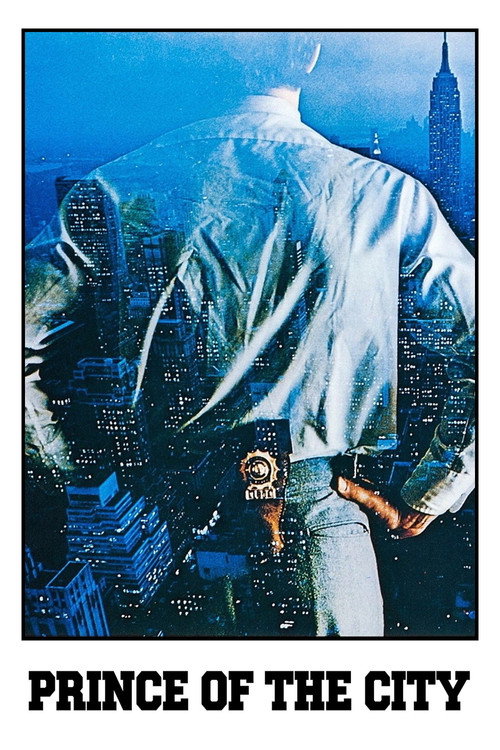
Prince of the City1981
Both explore the corrosive psychology of cops embedded in corrupt systems—the gradual moral erosion that comes from proximity to wrongdoing. Both make you complicit in their moral failures.
Sidney Lumet's masterwork about a narcotics detective informing on his own corrupt unit. 1980s New York grit meets rigorous moral examination. Slow-burn, character-immersive, devastating.
But Nearly three hours. 1980s pacing feels glacial to contemporary viewers. The protagonist's moral compromise might alienate those wanting clear heroes. Dense plotting rewards full attention.
More like this (8)
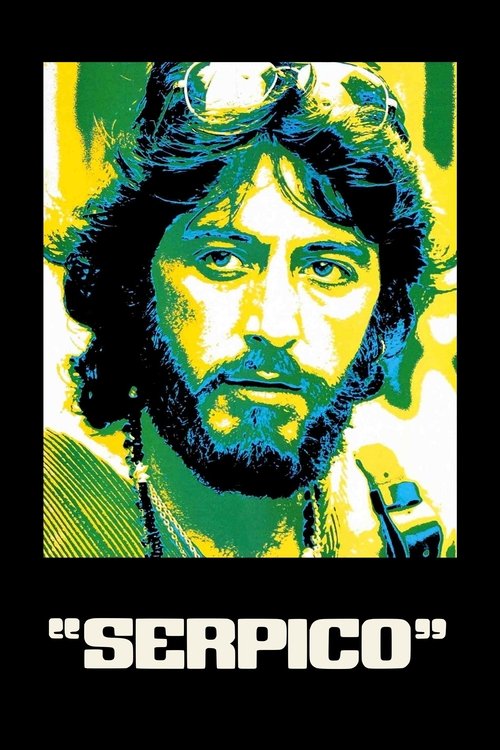
Serpico1973
Al Pacino in the true story of a cop fighting his own department's corruption. Gritty 1970s authenticity, structural ancestor to everything City on a Hill owes to. Lean and powerful.
But A film, not a series, so less time to develop the world. 1970s pacing is deliberate. Corruption story might feel less nuanced than you'd expect from modern drama.
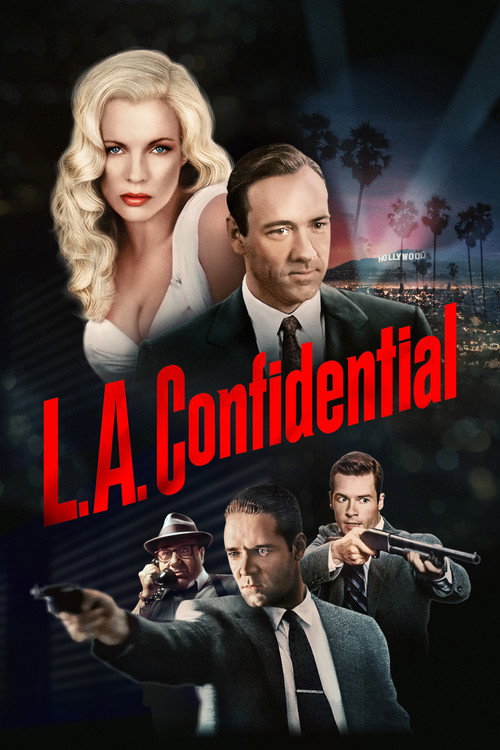
L.A. Confidential1997
Cops and criminals in 1950s LA, examining how corruption metastasizes through institutions. Sharp script, perfect casting, visually stunning. Crime drama at its most elegant and morally complex.
But Two hours means character depth isn't what a series offers. Noir style can feel mannered. Might scratch the itch but won't satisfy for long.
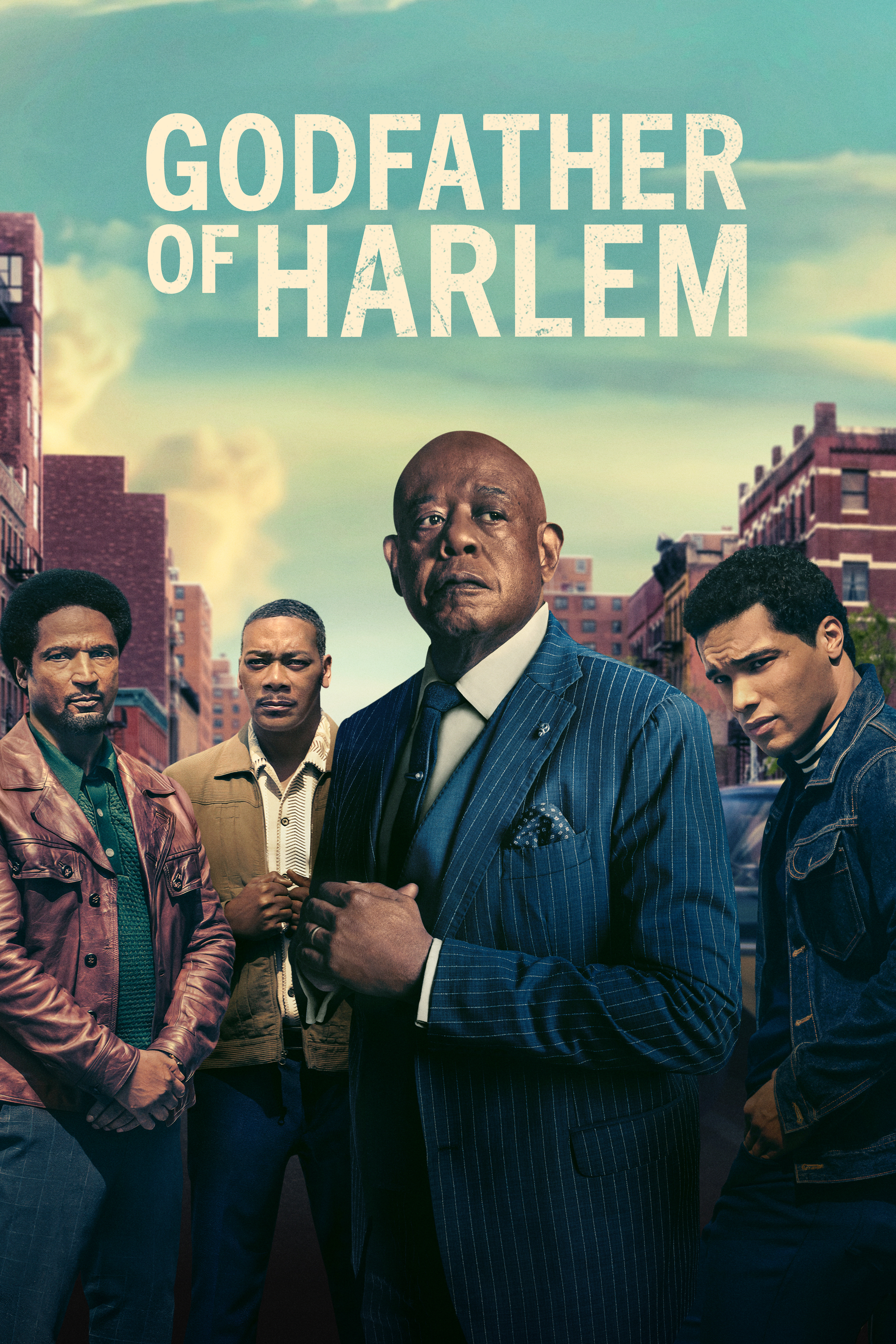
Godfather of Harlem2019
Forest Whitaker as Bumpy Johnson navigating 1960s Harlem while systems fail around him. Character-driven crime drama with real historical grounding. Episodes build to something substantial.
But Soap opera elements can overwhelm the institutional critique. Some plot threads feel like filler. Second season loses momentum.
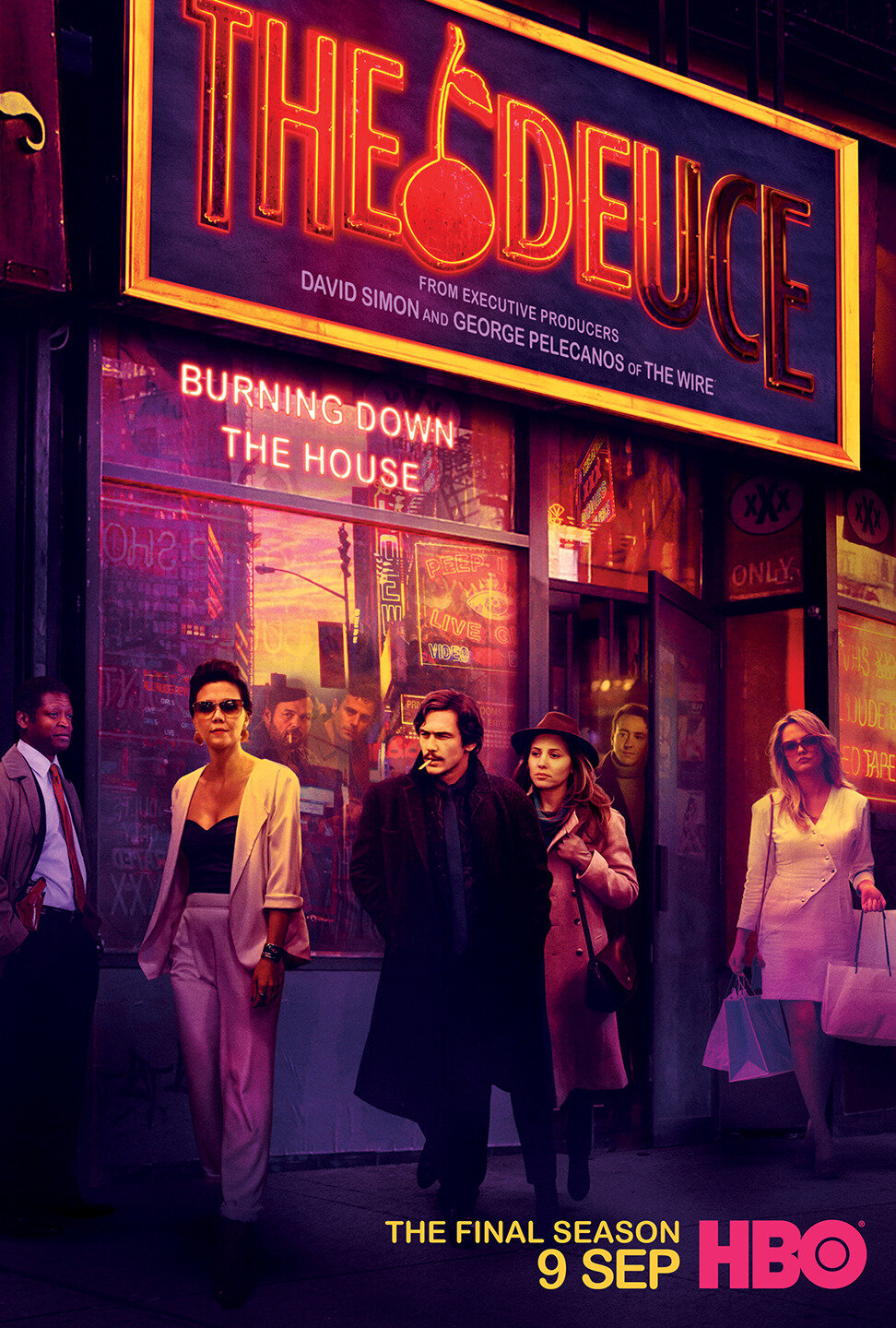
The Deuce2017
David Simon examines 1970s New York's sex trade through institutional failure. Sprawling, ambitious, unflinching about how systems exploit the powerless. Two seasons of real substance.
But Graphic sexual content throughout. Bleak to the point of relentlessness. Some find the scope diffuse rather than focused. Cancelled after two seasons, so unresolved.
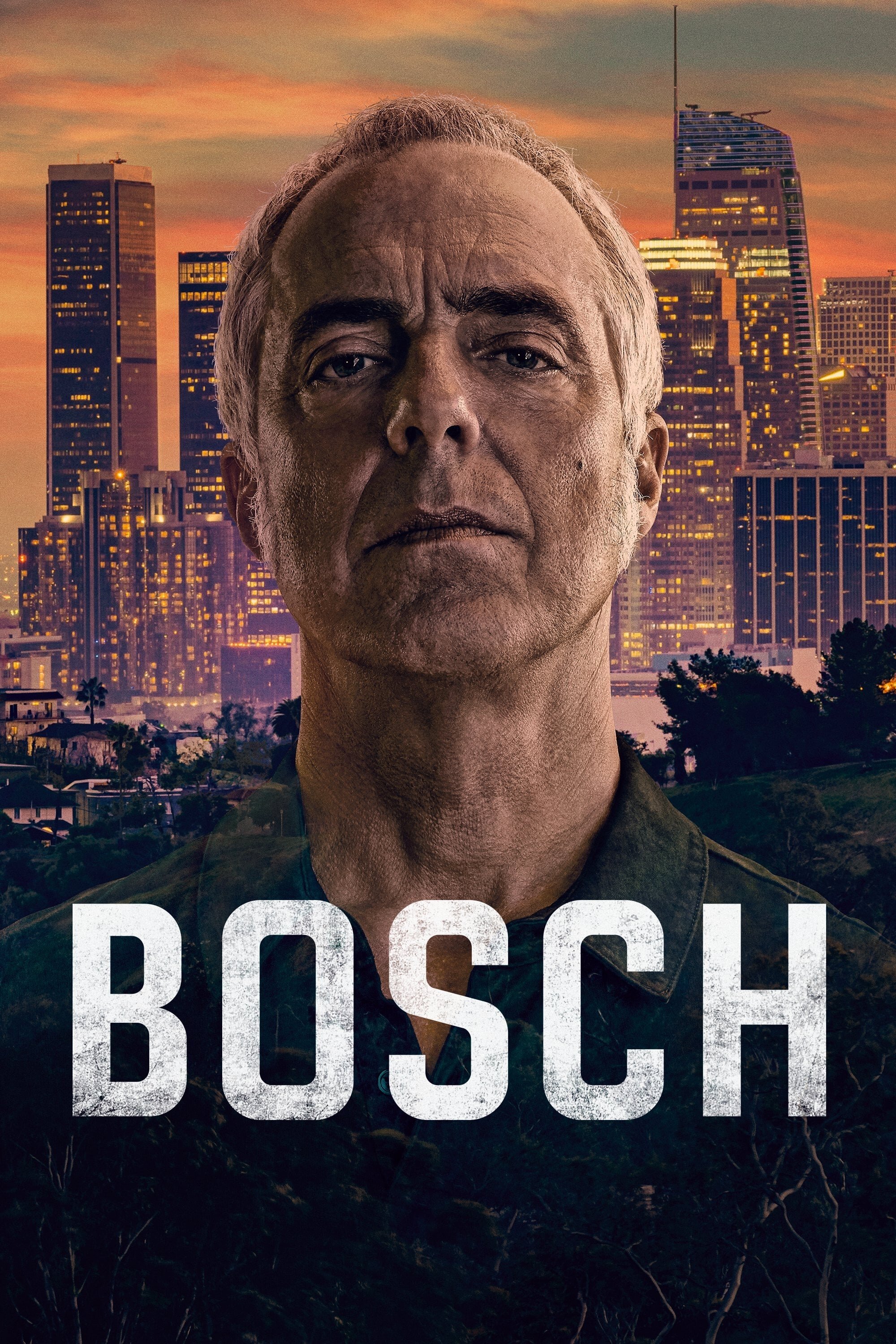
Bosch2015
LAPD detective working against institutional resistance and casual racism. Episodic enough to be digestible, serialized enough to matter. Seven seasons of steady, intelligent crime drama.
But Procedural formula can feel formulaic. Bosch's righteousness sometimes uncomplicated compared to City on a Hill's moral murk. Later seasons rely too much on familiar beats.
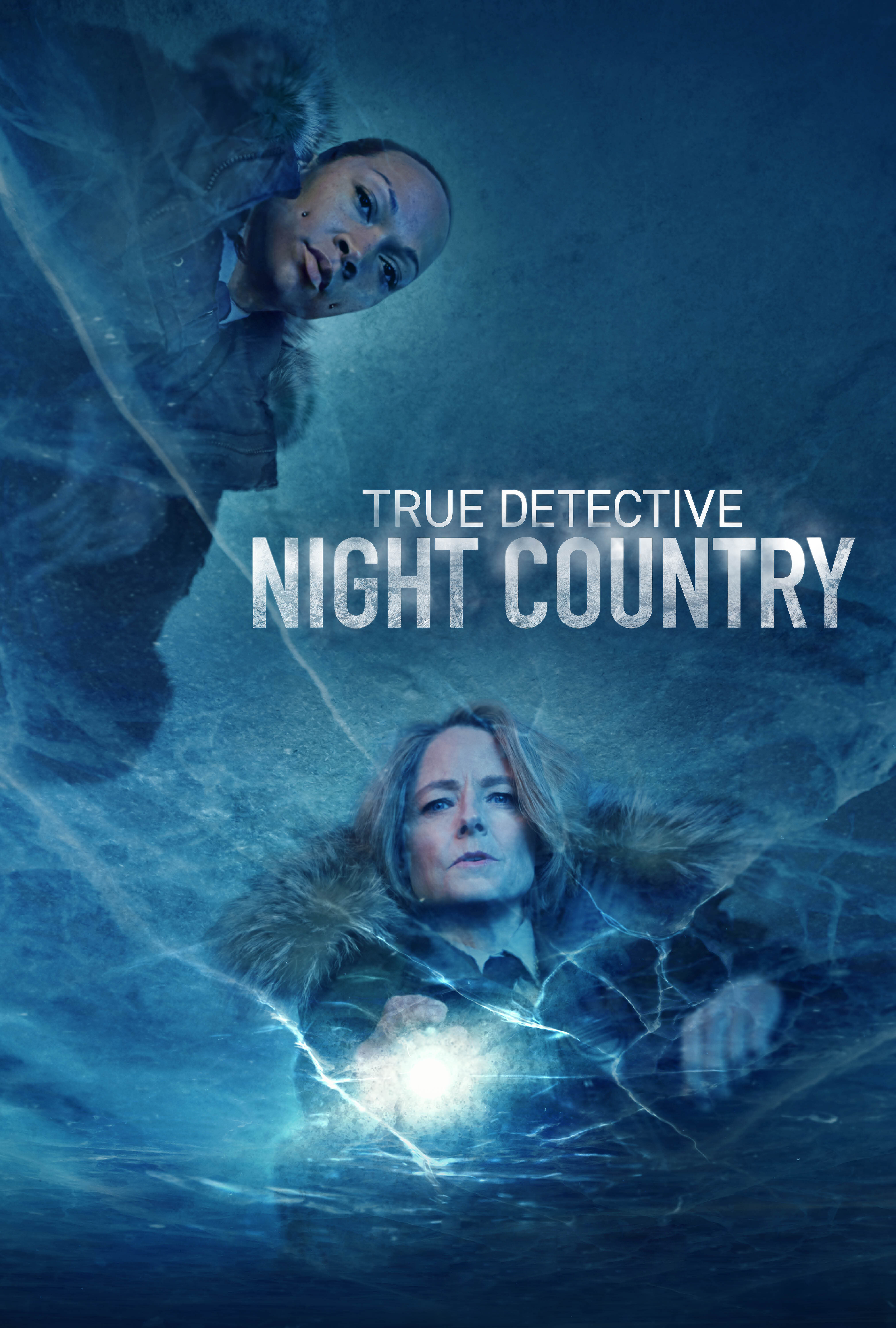
True Detective2014
Matthew McConaughey and Woody Harrelson in Louisiana crime drama exploring institutional corruption across decades. First season especially: formally ambitious, thematically rich, genuinely unsettling.
But Second and third seasons a significant drop in quality. First season's excellence can make the rest feel like diminishing returns. Demands rewatching to fully parse.
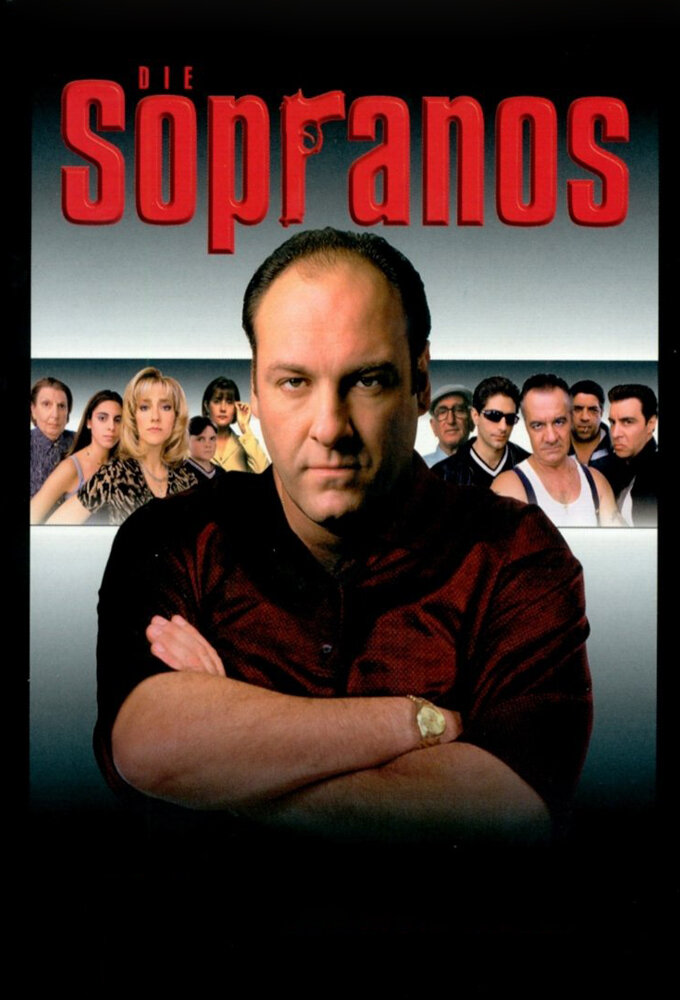
The Sopranos1999
Both feature charismatic figures operating outside law through moral blindness rather than villainy. Both ask: what happens when smart, likable people rationalize corruption?
Tony Soprano in therapy while running a crime family. Character study disguised as procedural. Set the template for prestige television—morally complex protagonist you root for despite knowing better.
But Slow first season can feel indulgent before you're invested. Therapy scenes drag for some viewers. Violence and dysfunction relentless without redemptive arc.
Spotlight2015
Same city, same era sensibility, same examination of how Boston's institutions—legal, religious, governmental—operate as closed systems protecting their own above all.
Boston journalists investigating Catholic Church abuse. Methodical, structured, about how institutions protect themselves through opacity. Ensemble cast, procedural satisfaction, real-world stakes.
But Very measured. No action sequences or conventional thriller beats. Investigative pacing can feel static. Deals with child abuse, so emotionally heavy. Two hours might feel slight after a series.

People
Cast





Writing
- Chuck MacLeanCreator
Production
- Jorge ZamaconaCo-Executive Producer
- Kevin BaconCo-Executive Producer
- James MangoldConsulting Producer
- Barry LevinsonExecutive Producer
- Ben AffleckExecutive Producer
- Chuck MacLeanExecutive Producer
- Gavin O'ConnorExecutive Producer
- Jennifer ToddExecutive Producer
- Matt DamonExecutive Producer
- Michael CuestaExecutive Producer
- Tom FontanaExecutive Producer
- Amy HermanProducer
- Irene BurnsProducer
- Lou FusaroProducer