
Film
The Onion Field
- Police procedural
- Drama
- Very dark
A 1979 true-crime drama about two LA cops kidnapped by armed robbers in rural California. One is killed; the survivor spirals under guilt and legal delays. It's methodical and bleak, interested in how trauma fractures lives and how bureaucracy can feel like a second murder. Unflinching and slow—not for restless viewing.
Should you watch it?
Watch it if you are drawn to slow, unsparing true-crime dramas where the real drama is moral and procedural, and you don't mind watching a man's conscience get worn down over two hours.
Skip it if you want a tidy, propulsive thriller; this one lingers on paperwork, courtroom frustration and aftermath, and its pace will test anyone looking for momentum.
What it asks of you: Around two hours of patient, grinding attention, mostly quiet and talky, with long stretches of dread and legal stalemate that build weight rather than release tension.
Not sure? Find tonight's pick in a minute.
If you liked this
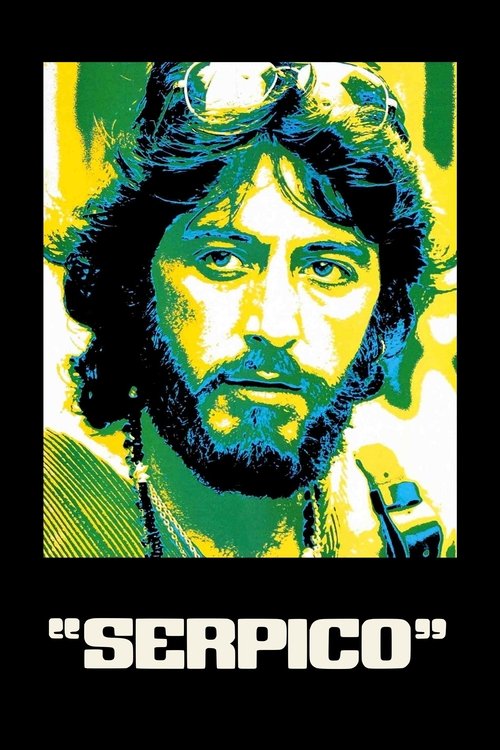
Serpico1973
Al Pacino as a cop fighting institutional corruption from inside the system. Shares the onion field's interest in how police work corrodes moral people, told with propulsive energy and genuine stakes.
But 1970s pacing will feel deliberate to modern viewers. Some sequences sag despite Pacino's intensity.
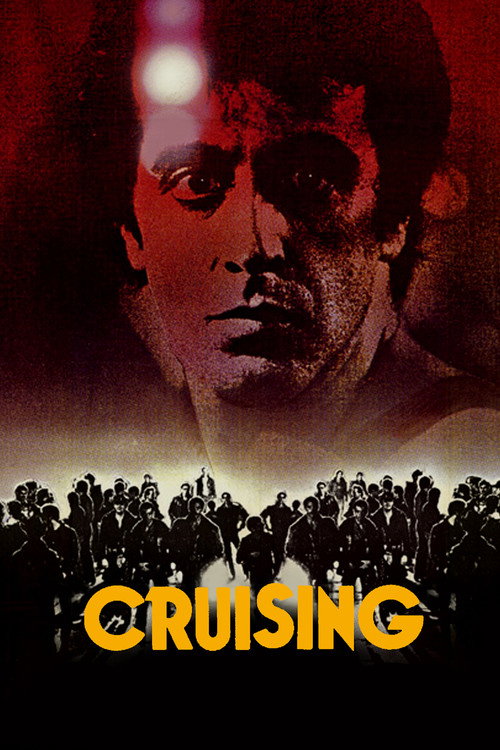
Cruising1980
William Friedkin's nightmare about a cop assigned to infiltrate a gay murder underground, losing himself in the role. Shares the onion field's interest in psychological unraveling and the cost of undercover work.
But Genuinely bleak and difficult to watch. The sexual content is explicit and the film itself is controversial for muddying motive and identity.
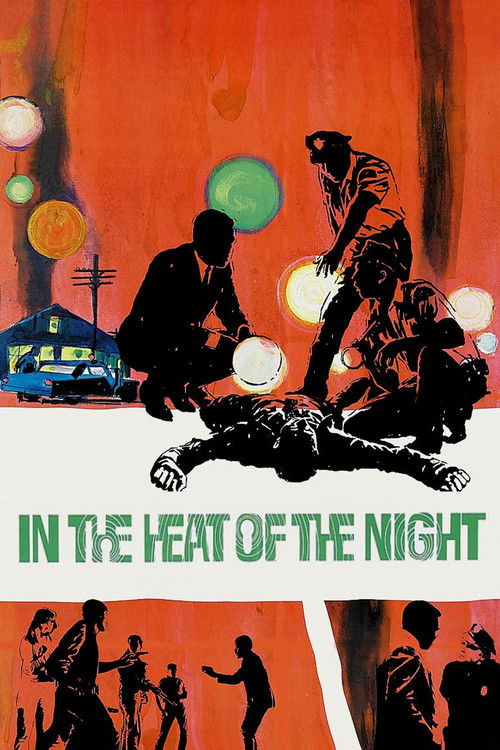
In the Heat of the Night1967
Sidney Poitier and Rod Steiger in a murder investigation that's also about power, racism and the burden of proof. Taut procedural with the same interest in justice delayed and deferred.
But The social commentary can feel didactic by contemporary standards. It's purposeful rather than propulsive.
Not sure tonight? Get a pick in a minute, starting from The Onion Field
The wildcard
Something you would not have found on your own.
Under the Skin2014
Both films are interested in the moment after violence, when explanation fails and the survivor is left alone with incomprehension. Both refuse to dramatize or resolve that emptiness.
Jonathan Glazel's film about an alien woman (Scarlett Johansson) harvesting humans. Not crime, but shares the onion field's unflinching commitment to observing suffering without explanation or comfort, and how trauma isolates the witness.
But Slow, abstract, and deliberately oblique. The film offers no catharsis and minimal plot. It demands patience rather than delivering narrative.

More like this (8)
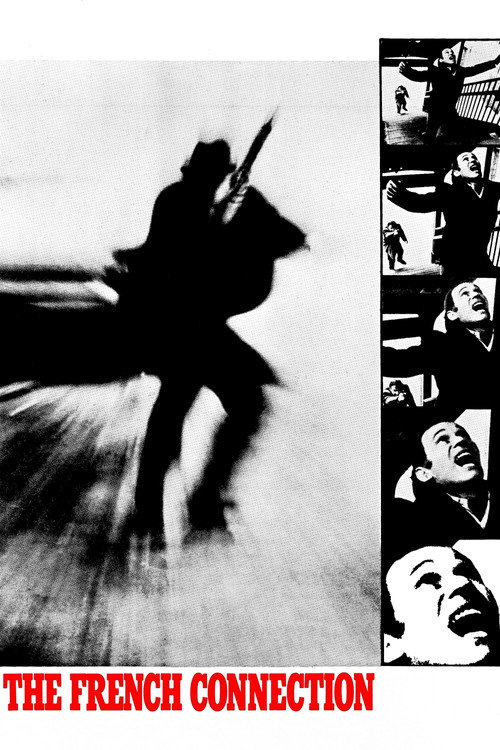
The French Connection1971
Gene Hackman's obsessive cop chasing a drug case through New York. Belongs to the same school as Onion Field—real, unglamorous, about the psychological cost of pursuit.
But The second half loses focus. Hackman's intensity can overwhelm the narrative logic around him.
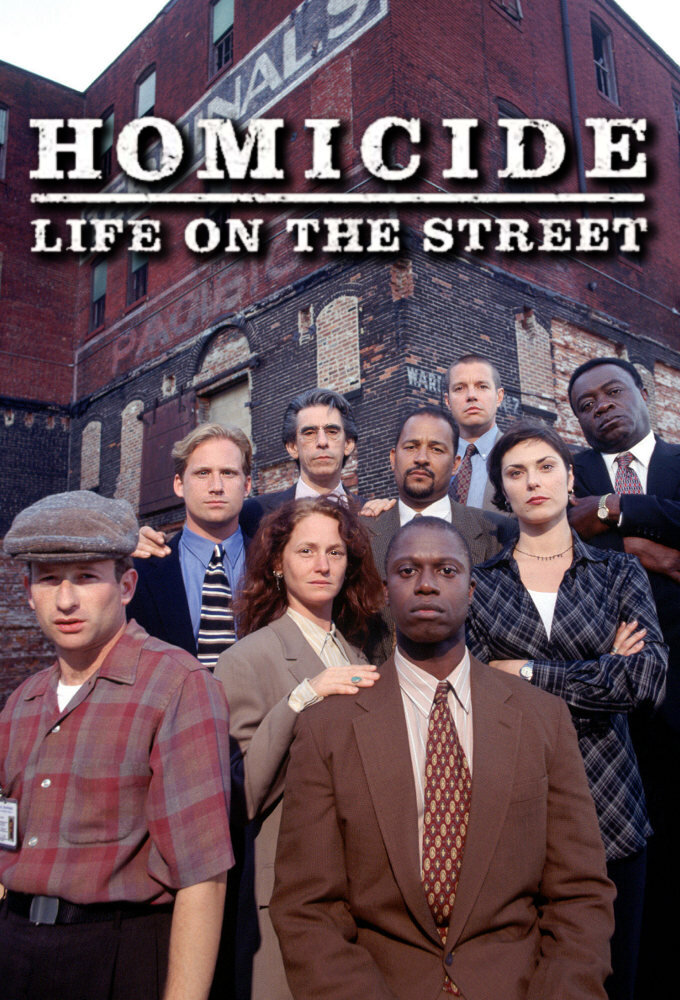
Homicide: Life on the Street1993
A complete series about Baltimore detectives solving murders. Shares the onion field's commitment to procedural authenticity and the weight that unsolved cases place on investigators' lives.
But Sixty episodes is a commitment. The later seasons dilute what made the early ones extraordinary.
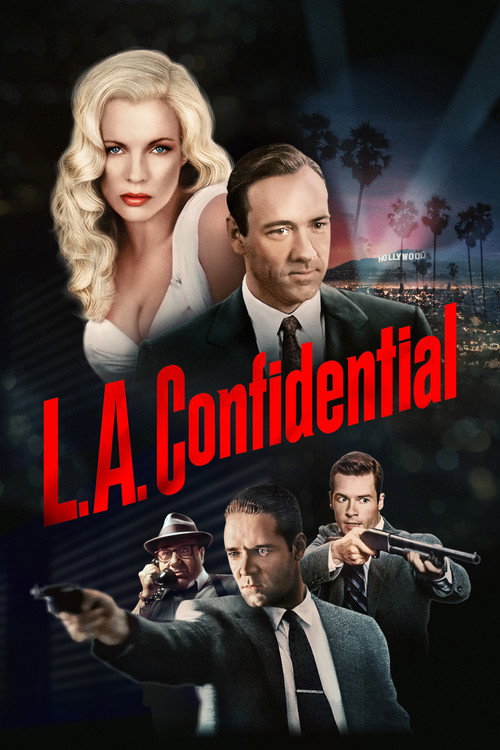
L.A. Confidential1997
Three LA cops in the 1950s navigate corruption, racism and a femme fatale. It's a procedural with noir aesthetics, built on the same tension between system and individual conscience.
But The plot relies on coincidence. The film is stylish enough to distract from logical strain, but it's there.
Memories of Murder2003
A South Korean procedural about detectives hunting a serial killer in the 1980s. Like the onion field, it's about how investigations destroy the investigators, and how systems fail the dead.
But Subtitled. The ending is ambiguous in a way some viewers find frustrating rather than haunting.

The Killing1956
Kubrick's early noir about a racetrack heist unraveling through procedural detail. Shares the onion field's interest in how crime fractures lives and how fate operates through bureaucracy.
But The structure is fragmented by 1950s standards. It can feel more like a blueprint than an experience.

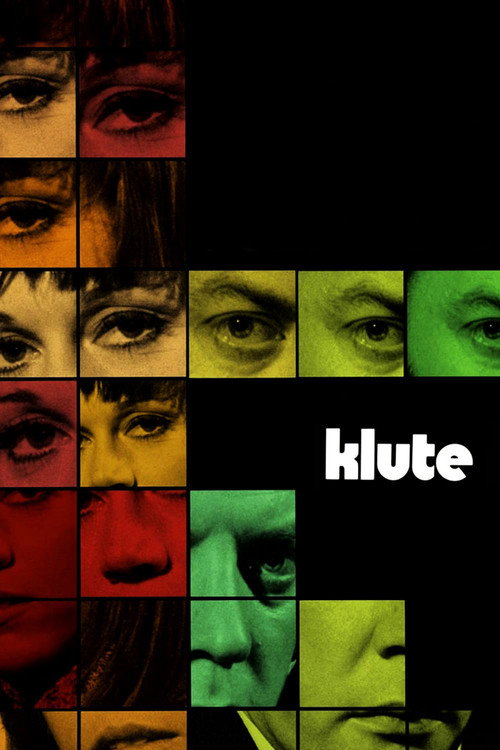
Klute1971
Donald Sutherland as a cop investigating his partner's disappearance, falling into a murky underworld. Character-driven procedural about the psychological toll of searching for answers that may not exist.
But Jane Fonda's subplot as a sex worker dominates the second half, shifting the film's focus away from the investigation itself.
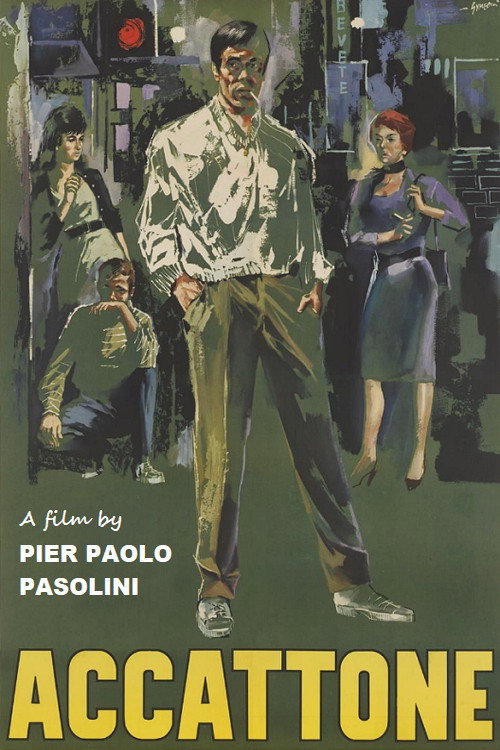
Accattone1961
Both are interested in crime as the consequence of circumstance rather than choice, and both treat their subjects with dignity that never softens into sentimentality.
Pier Paolo Pasolini's debut about a pimp and petty criminals in Rome's underworld, shot with documentary realism. It's crime fiction from the criminal's perspective, but shares the onion field's refusal to glamorize and its interest in how the system grinds people into desperation.
But Black and white, Italian with subtitles, almost no plot in the conventional sense. It's social observation disguised as narrative, and it moves at its own pace.
The Wrestler2008
Both films insist that some wounds don't heal and some choices can't be unmade. Both watch their protagonist diminish without turning away or offering false hope.
Darren Aronofsky's film about an aging pro wrestler clinging to relevance. Not crime, but shares the onion field's commitment to watching someone's self-destruction in real time, and how trauma expresses itself as repetition rather than recovery.
But Mickey Rourke's performance is raw to the point of discomfort. The film has no interest in uplift or redemption, only documentation of damage.

People
Cast
 John SavageKarl Hettinger
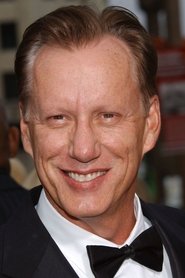 James WoodsGregory Powell
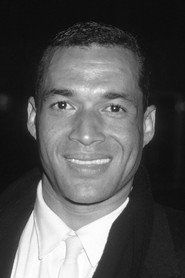 Franklyn SealesJimmy Smith
 Ted DansonIan Campbell
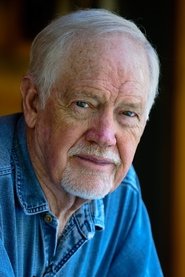 Ronny CoxPierce Brooks
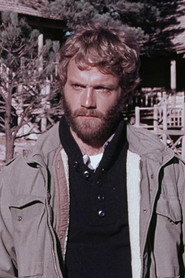 David HuffmanDistrict Attorney Phil Halpin
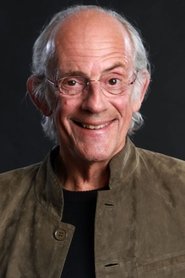 Christopher LloydJailhouse Lawyer
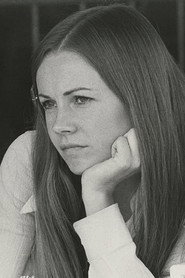 Dianne HullHelen Hettinger (as Diane Hull)
 Priscilla PointerChrissie Campbell
 Beege BarketteGreg's Woman
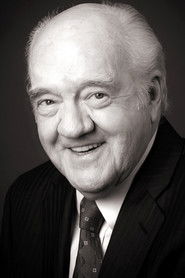 Richard HerdBeat Cop
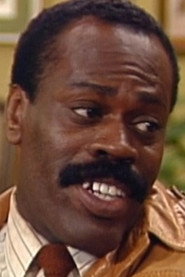 Le TariEmmanuel McFadden
Directing
- Thomas J. MackAssistant Director
- Harold BeckerDirector
- Hannah ScheelScript Supervisor
- D. Scott EastonSecond Assistant Director
Writing
- Joseph WambaughNovel
- Joseph WambaughScreenplay
Production
- Lynn StalmasterCasting
- Nancy KlopperCasting Associate
- Toni HowardCasting Associate
- Walter CoblenzProducer
- Robert S. MendelsohnProduction Manager
- Herman DavidProduction Supervisor