
Television series
Waking the Dead
A British cold case unit led by a fearless forensic psychologist revisits unsolved murders with modern techniques and lateral thinking. Each case becomes a detective story within the story—a puzzle of contradictions, false leads, and buried truths. It's methodical but gripping, anchored by Sue Johnston's commanding presence. For anyone who loves procedurals that respect both the work and the dead.
Should you watch it?
Watch it if you like procedural crime drama where the forensic science is the hook and the team's long-buried cases carry a quiet, grown-up seriousness, closer to a patient unpicking of old evidence than a chase.
Skip it if you want fast cuts, a running stream of fresh murders each week, or a lighter tone; this is a slower, more methodical show that spends its hour on the slow work of reconstruction.
What it asks of you: Each hour is self-contained but the team's personal lives run across nine series, so you give it steady attention week to week and some patience for the procedure before the payoff lands.
Not sure? Find tonight's pick in a minute.
If you liked this
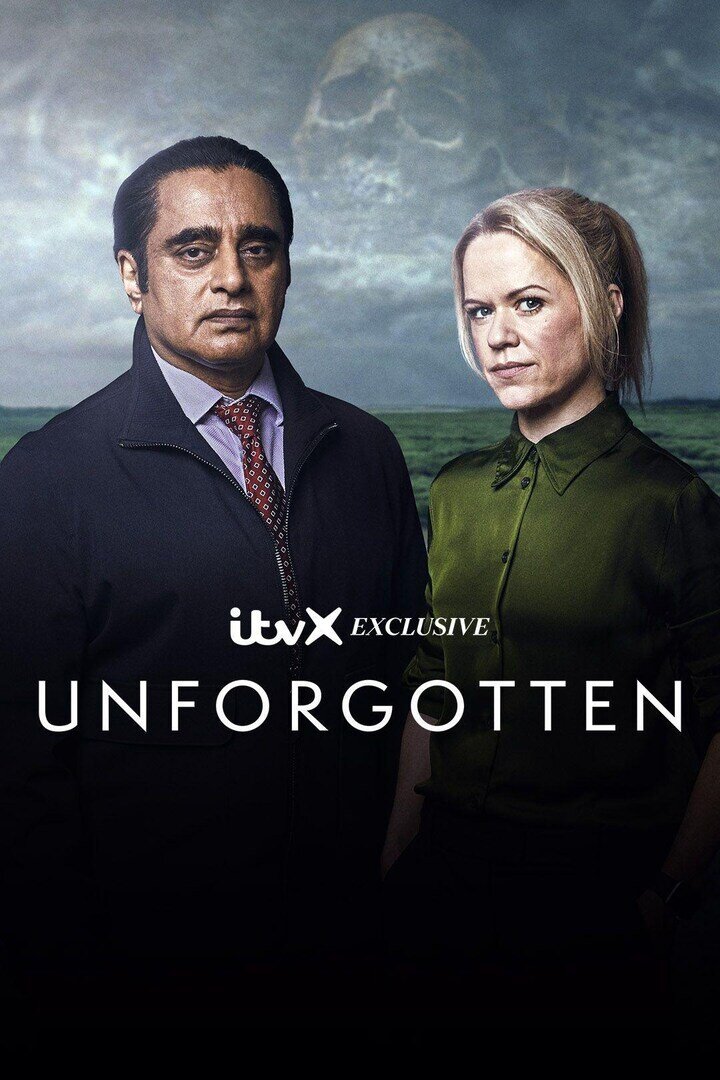
Unforgotten2015
A cold case team reopens a decades-old murder and traces its ripples through victims' and suspects' transformed lives. Like Waking the Dead but with emotional depth that cuts deeper—the case matters less than what it unearths about time, memory, and consequence.
But The pace is deliberate and meditative rather than propulsive. If you want resolution by episode's end, this will frustrate you.
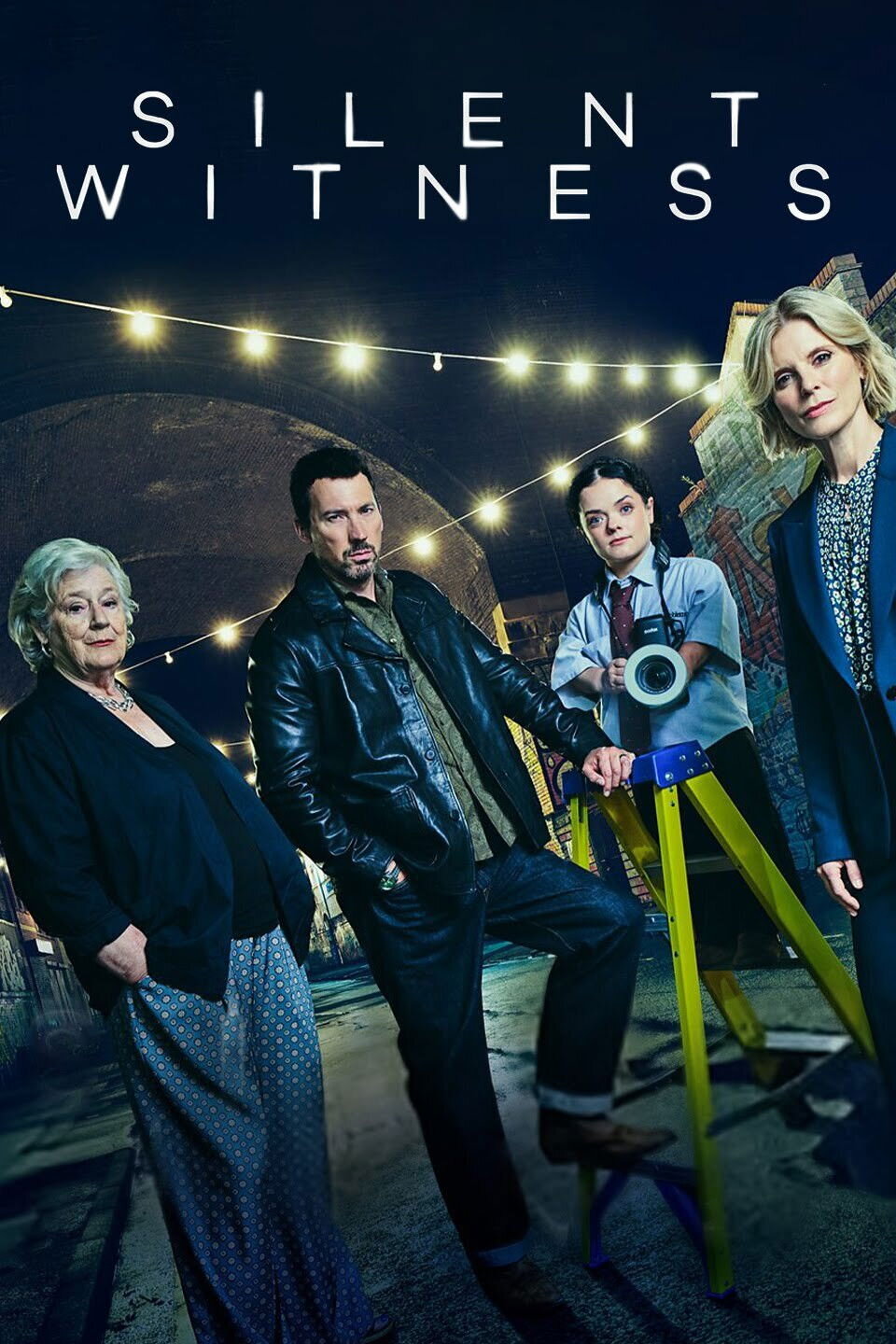
Silent Witness1996
Pathologists solve murders through forensic evidence alone, often working from partial bodies and cold trails. The same puzzle-solving satisfaction as Waking the Dead but from the medical examiner's angle, with different characters and fresh cases each arc.
But Twenty-five seasons means variable quality. Some arcs feel thin compared to the best Waking the Dead investigations.
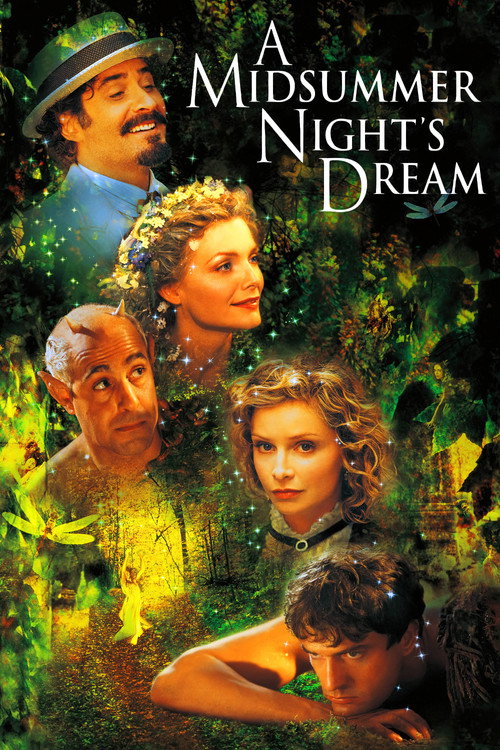
A Midsummer Night's Dream1999
Sue Johnston at her absolute finest in a dense, intimate drama about family secrets and accumulated damage. It shows the range she brings to Dr. Foley—here playing a woman whose composure masks years of quietly compounded pain.
But It's not crime fiction; it's a chamber piece about grief and complicity. The payoff is internal, not narrative.
Not sure tonight? Get a pick in a minute, starting from Waking the Dead
The wildcard
Something you would not have found on your own.
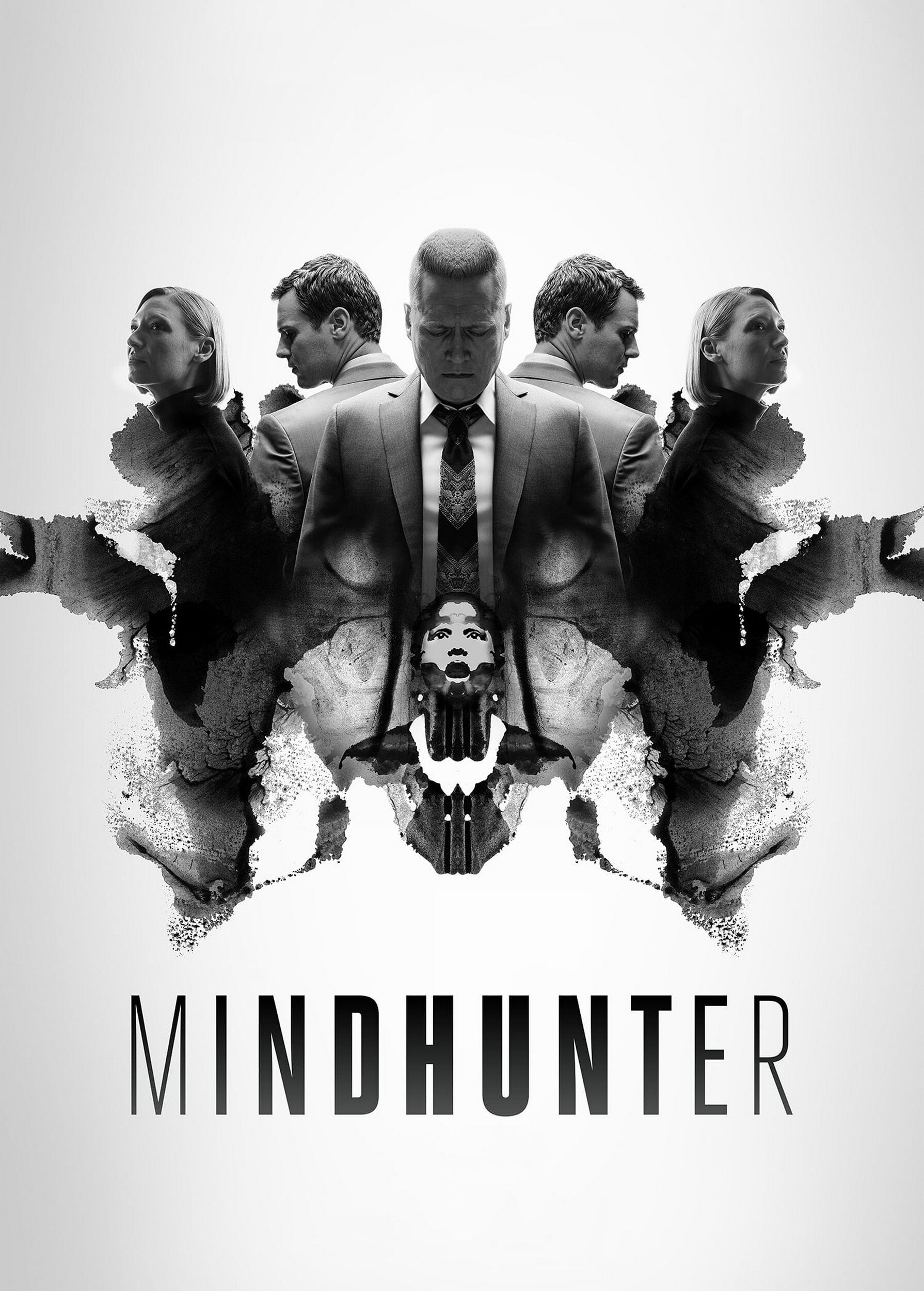
MINDHUNTER2017
Both centre on forensic psychology and lateral thinking applied to historical crimes; both are procedurals that treat the dead with gravity and the investigators as flawed instruments of justice.
FBI agents pioneer criminal psychology to understand serial killers in the 1970s. The structural DNA is identical to Waking the Dead—past crimes, forensic thinking, psychological insight—but told from the perspective of the hunters building the methodology from scratch. It's like watching the origin story of why Grace Foley's methods work.
But It's a David Fincher production, so it's glacially paced and sometimes indulgent. The second season loses momentum badly and Netflix cancelled it mid-story.
More like this (8)
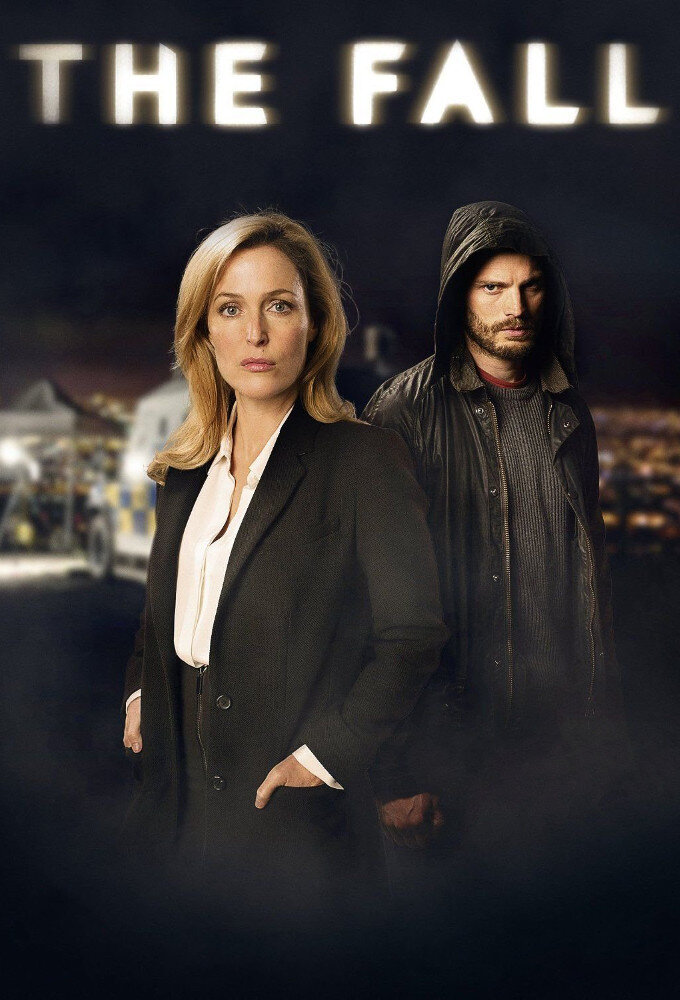
The Fall2013
A serial killer investigation told as a cat-and-mouse game between a detective and her prey. Tense, psychologically acute, and structured like a long interrogation. The case unfolds but the real drama is in the hunter and hunted's mutual fascination.
But It's much darker and more violent than Waking the Dead. Some found the protagonist's obsession self-indulgent rather than compelling.
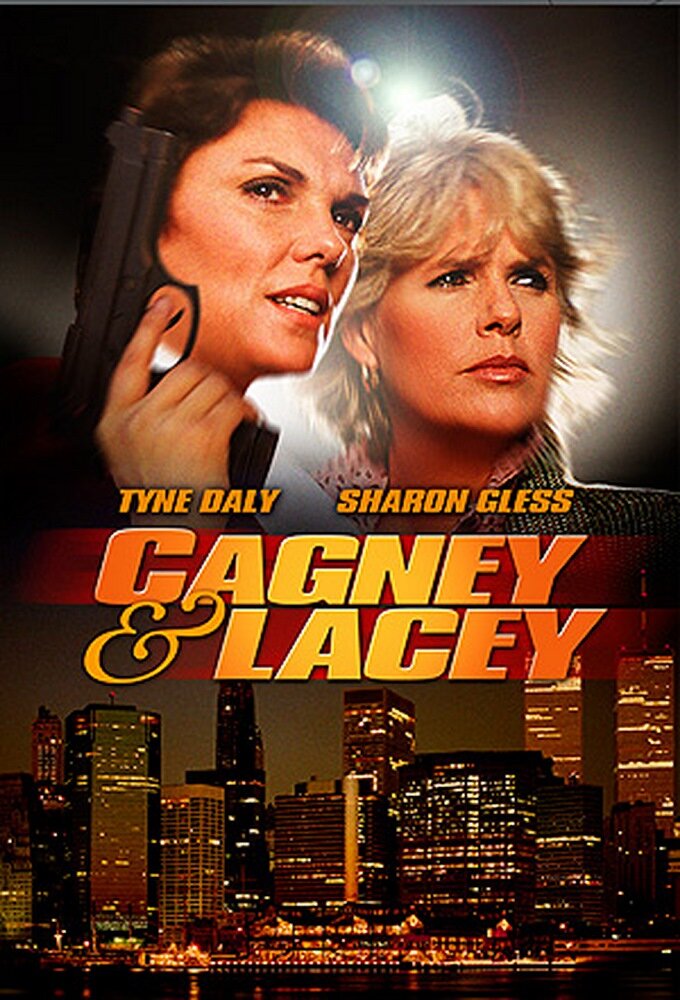
Cagney & Lacey1982
Two New York detectives solve cases together across a gritty 1980s landscape. The procedural framework is solid, but the show's real strength is the partnership—how they work, disagree, and trust each other through the noise.
But It's aged visibly. The production values and some storytelling choices feel very much of their era, which is part of the charm but not for everyone.
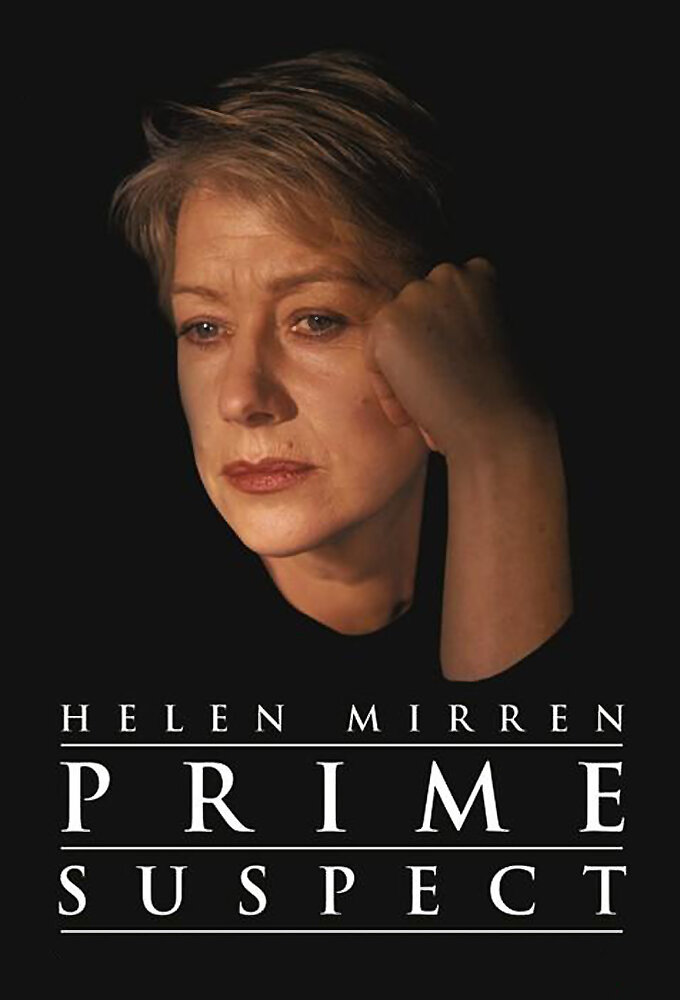
Prime Suspect1991
Helen Mirren as a detective fighting her own department while pursuing a serial killer. Tense, morally complex, and anchored by a performance that rewrites what a lead detective can be. Every scene crackles with subtext and professional doubt.
But It's relentlessly bleak and the institutional misogyny is grinding. There's little light, and the violence—both criminal and bureaucratic—takes a toll.
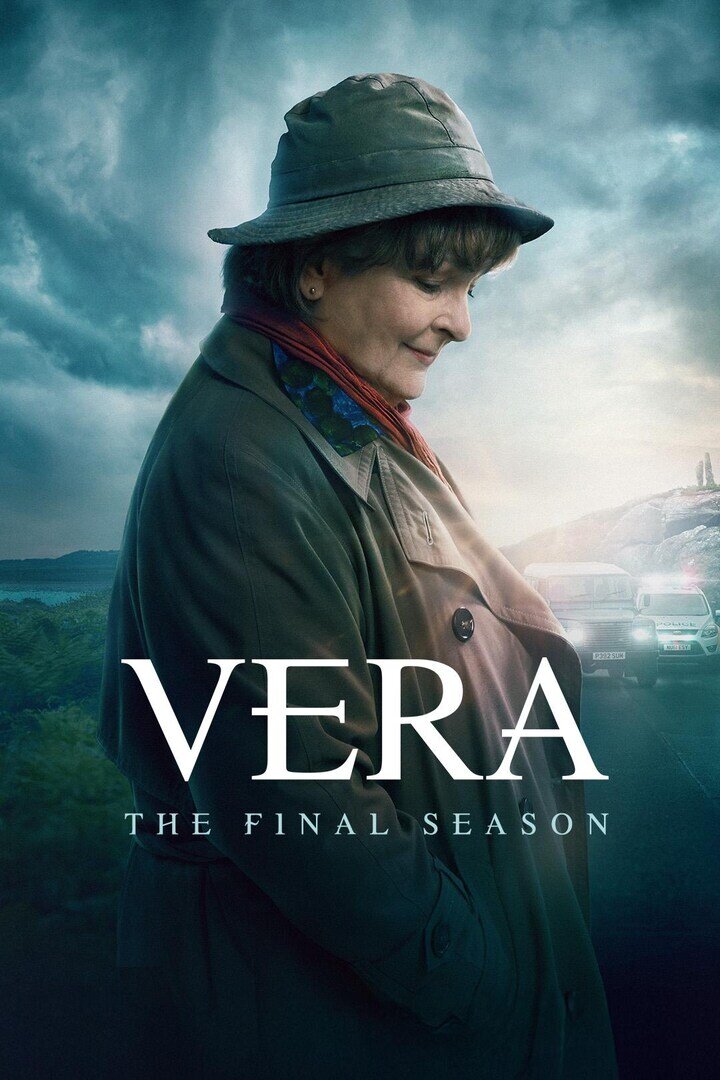
Vera2011
A grumpy, brilliant detective in a battered coat solves murders in northern England with intuition and fieldwork. It has Waking the Dead's respect for procedure alongside genuine warmth and humour. The cases are solid; the character work is what keeps you coming back.
But The formula can feel routine by season four or five. Once you know Vera's tricks, some investigations feel predetermined.
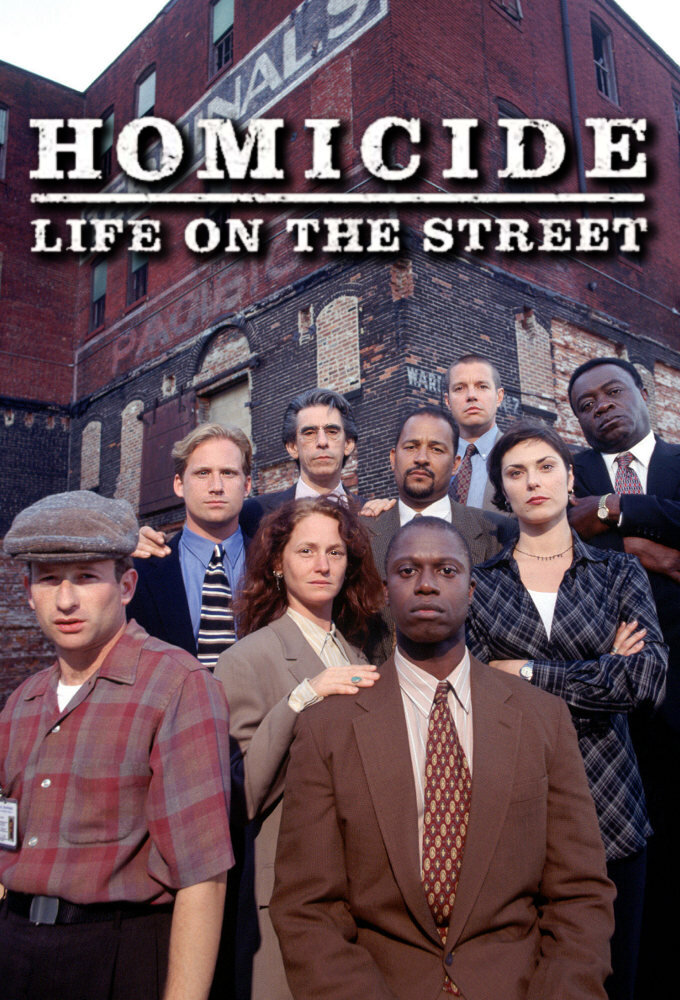
Homicide: Life on the Street1993
Baltimore detectives work murders in a city where the system is broken and cases collide with politics. It's a procedural that never forgets its cases are human—grimy, tragic, sometimes unsolvable. Brilliant writing and ensemble acting that makes you care about every victim.
But The first season is rough and the show meanders across seven seasons. Commitment required, though it pays off.
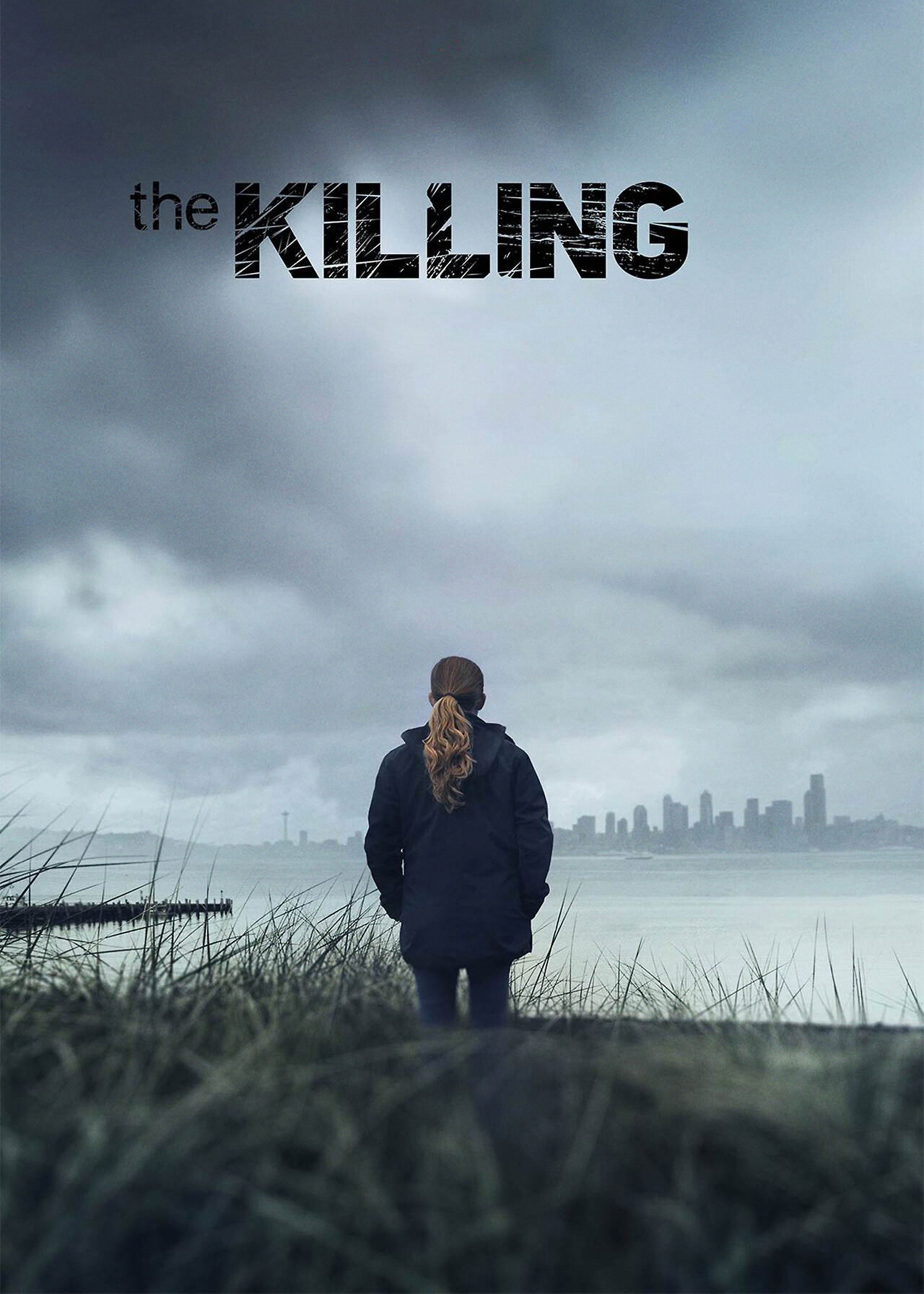
The Killing2011
A single murder case—Nanna Birk Larsen's death—dominates an entire season. Glacial pacing, Danish landscape, and a detective whose competence is matched by her personal dissolution. If you loved the puzzle work of Waking the Dead, this is obsession weaponized.
But It's slow to the point of agonizing for some viewers. Also, a US remake exists and some people prefer it, which tells you the original is an acquired taste.
Memories of Murder2003
Both interrogate how detective work actually functions when the system is compromised; both use forensic detail to explore the gap between what happened and what can be proven.
A South Korean masterpiece about detectives hunting a serial killer in the 1980s. It has Waking the Dead's forensic puzzle-solving but in a corrupt system where evidence is unreliable and the case itself becomes a question about truth. Bong Joon-ho's command is immaculate and the ending will haunt you.
But It's in Korean with subtitles, runs two hours fifteen, and the investigation doesn't resolve neatly. Some viewers want closure; this gives you something more important but far less comfortable.

Night Stalker: The Hunt for a Serial Killer2021
Both privilege investigation and rational inquiry over jump scares or easy answers; both ask whether evidence can illuminate what we cannot easily explain; both make the puzzle—not the answer—the source of fascination.
A journalist investigates the paranormal and supernatural—ghosts, cryptids, inexplicable phenomena—across America. It has none of Waking the Dead's crime procedural framework, but it shares the structural DNA: a smart investigator using evidence and reasoning to solve the ostensibly unsolvable. The cases feel impossible; the method is disciplined and skeptical.
But It's a 1970s anthology series, so the production is lo-fi and some episodes feel lightweight. Also, it leans into the supernatural, which might feel like a betrayal if you wanted realism.
People
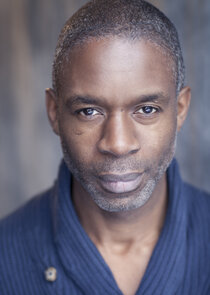
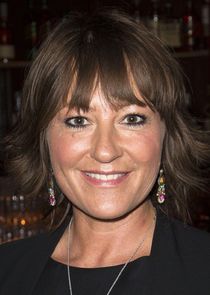
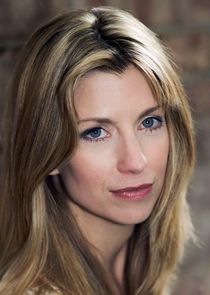
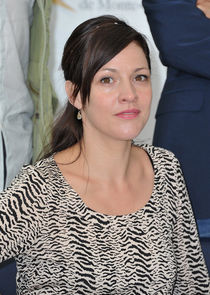
Cast

Writing
- Barbara MachinCreator
Production
- Margot HayhoeAssociate Producer
- Matthew PatnickAssociate Producer
- Mike TreenAssociate Producer
- Sue SmithAssociate Producer
- Barbara MachinConsulting Producer
- Alexei De KeyserExecutive Producer
- Mal YoungExecutive Producer
- Patrick SpenceExecutive Producer