
Television series
Gabriel's Fire
Gabriel's Fire is a moody, morally serious detective drama built almost entirely around James Earl Jones's voice and bearing — a man wrongly imprisoned for twenty years, now working the very streets that betrayed him. It's slower and weightier than most cop shows of its era, more interested in dignity and distrust than shootouts. Jones won an Emmy for it; the show itself barely survived a season.
If you liked this
Life2007
The closest thing television has to a direct answer to this premise: a detective wrongfully imprisoned for over a decade, released, and reinstated onto the force he no longer trusts. Damian Lewis brings the same watchful, wounded stillness Jones does.
But The Zen-koan quirks and fruit obsession can feel like affectation layered over genuinely real pain.

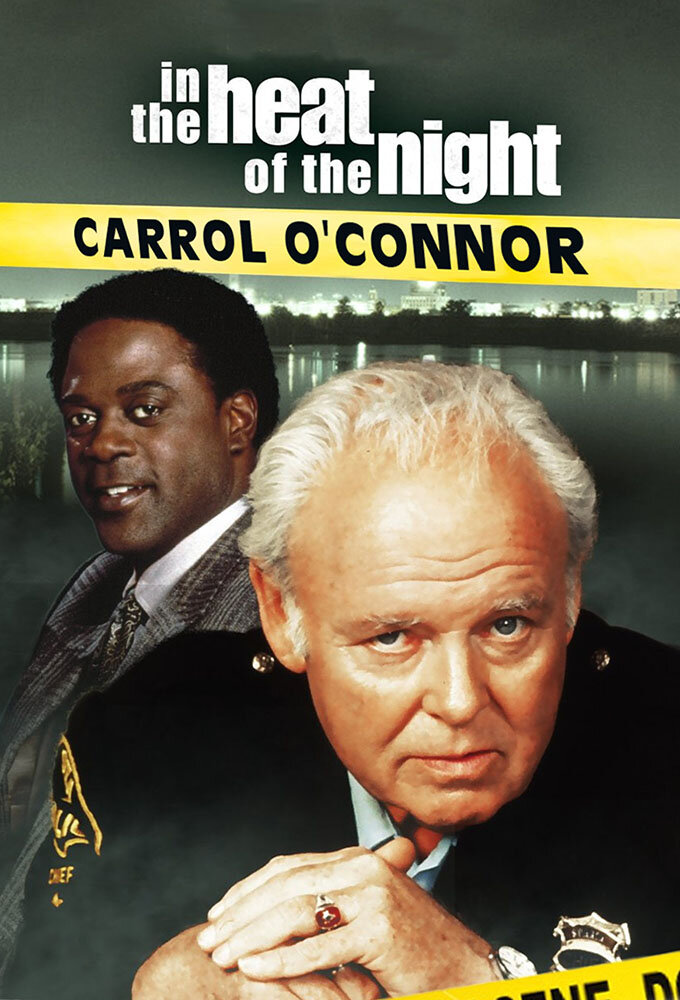
In the Heat of the Night1988
A Black police chief navigating a Southern town's hostility, decades of institutional distrust, and murder cases that are never just about the crime — same era, same racial tightrope.
But Formulaic procedural bones sit under the social commentary, and seven seasons means there's plenty of filler along the way.
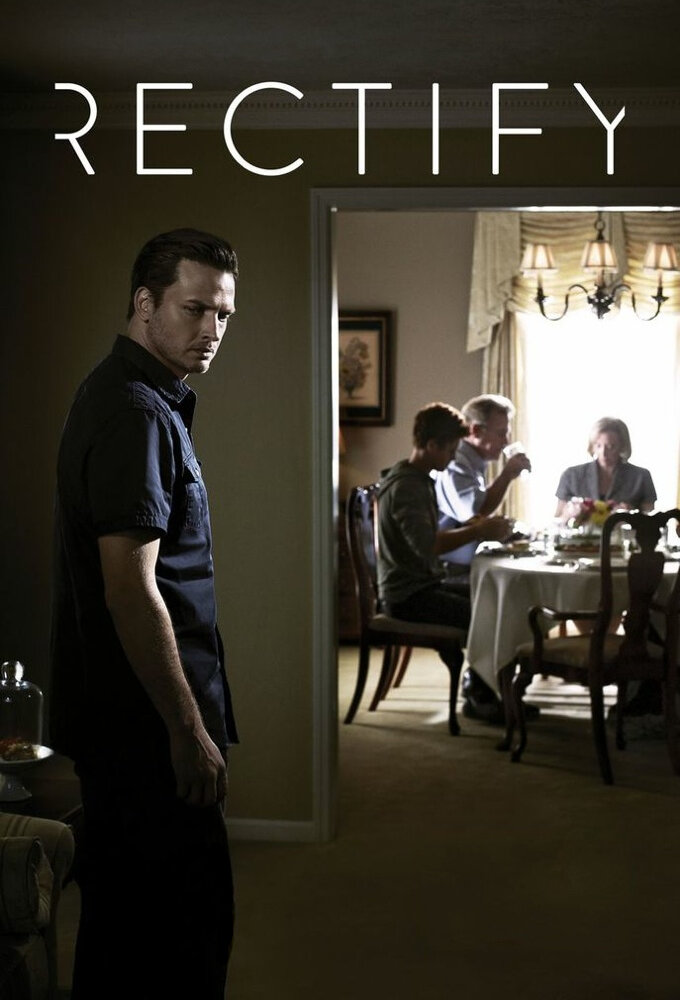
Rectify2013
Nineteen years on death row, then release into a world that never stopped punishing him — this is the slow, aching character study this show only had an hour a week to attempt.
But Glacially paced by design — if you want plot momentum or forward drive, this will frustrate you completely.
The wildcard
Something you would not have found on your own.
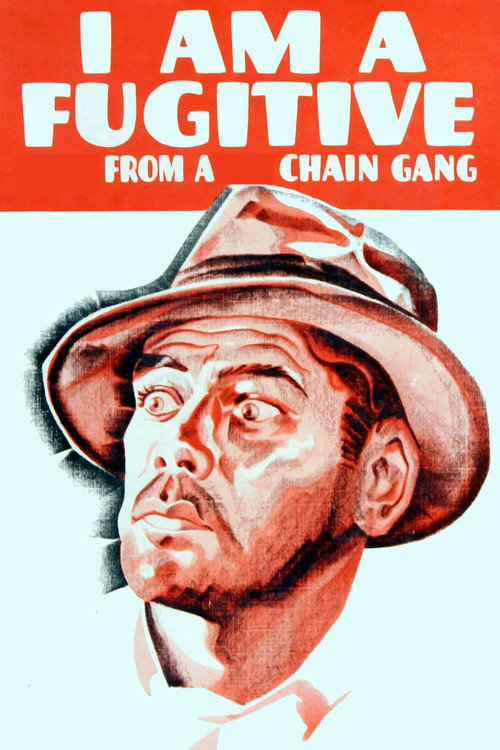
I Am a Fugitive from a Chain Gang1932
Same wound, sixty years earlier: a good man crushed by a system that mistakes punishment for justice, made while the outrage was still raw enough to be Pre-Code scandalous.
A decorated war veteran is wrongly sent to a brutal chain gang, escapes, and spends the rest of his life running from a system that will never let him be innocent again — the ancestor of every story like this one.
But Early-30s pacing and acting conventions take real adjustment, and the ending is bleaker than any network today would allow.
More like this (8)
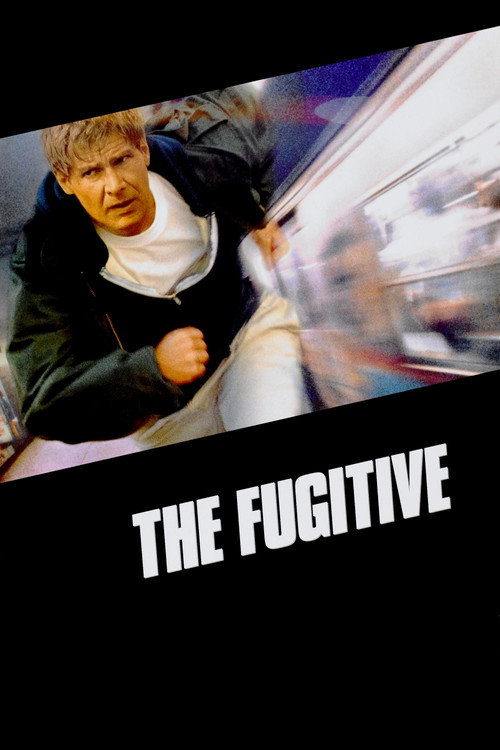
The Fugitive1993
An innocent man hunted by the system, forced to become his own investigator to prove what happened — the paranoid energy of Gabriel's early episodes turned into a two-hour sprint.
But It's a chase thriller first; the justice themes are mostly texture, not really the point.
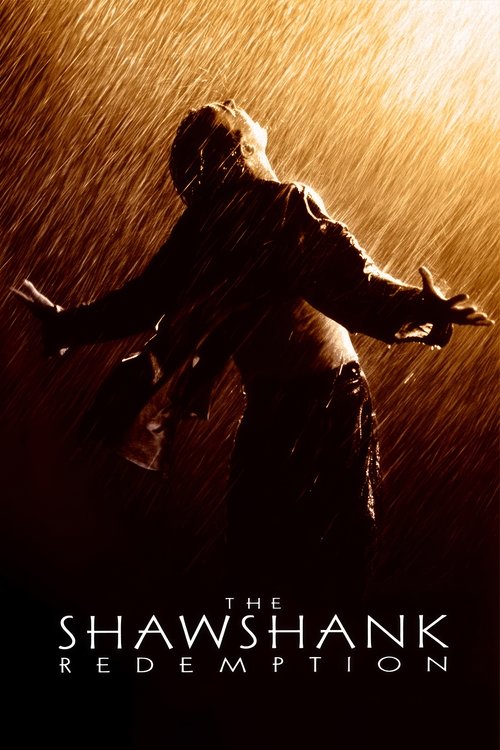
The Shawshank Redemption1994
The definitive statement on stolen decades and the strange dignity people find inside institutions built to erase it — twenty lost years compressed into one unforgettable friendship.
But You've probably already seen it twice, and there's little here left to surprise you at this point.
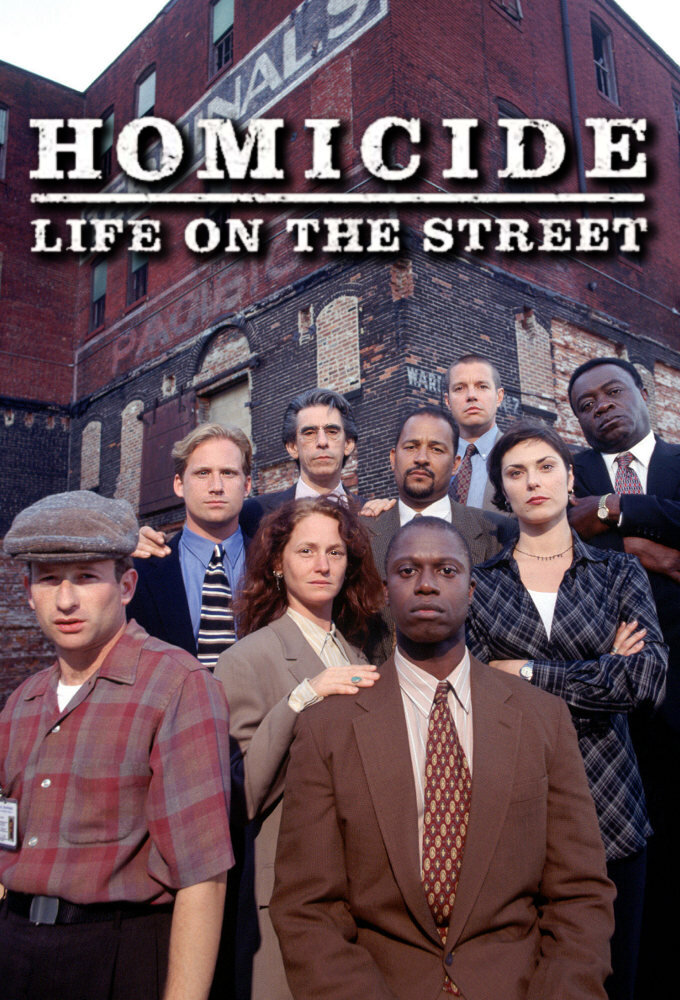
Homicide: Life on the Street1993
Baltimore detectives working cases the system doesn't really want solved, filmed with the same unglamorous, conscience-heavy realism — a good next stop if it's this mood you're chasing.
But Ensemble sprawl means less of any single character's inner life than Jones gets here.
The Equalizer2021
A former intelligence operative uses everything the system taught him to help people the system failed — the same instinct toward late-life moral reckoning, repackaged as private enterprise.
But Pure eighties vigilante-of-the-week formula — don't expect the same institutional weight or moral complexity here.

Hill Street Blues1981
The show that basically invented the serious, ensemble, morally grey cop drama this one is quietly indebted to — messy, political, more interested in people than plots.
But Dated pacing and hairstyles; its innovations have been absorbed so thoroughly they no longer look innovative.
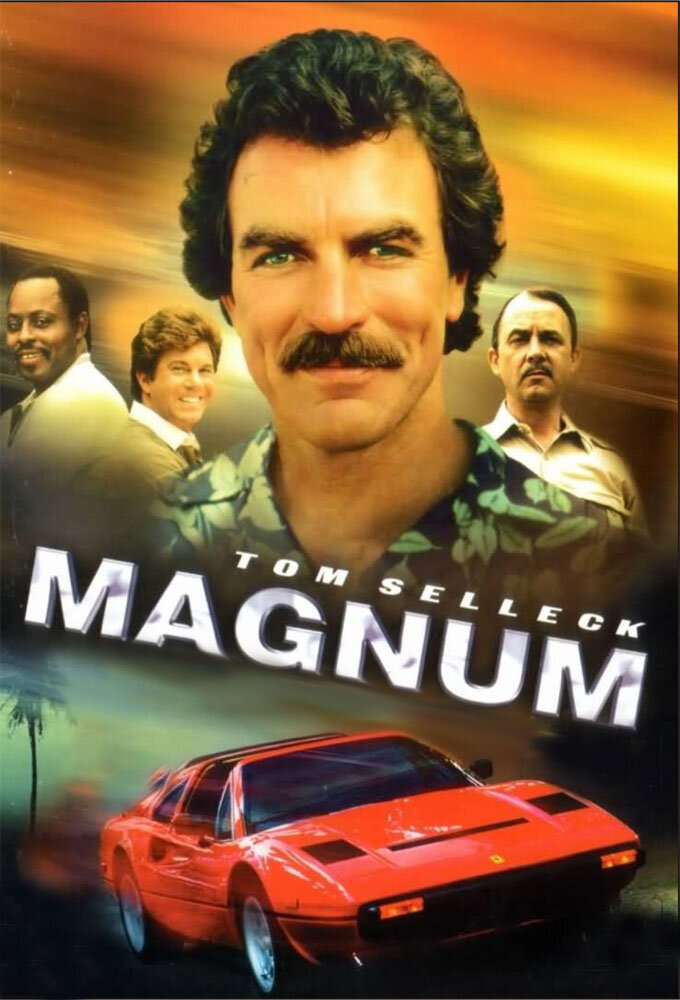
Magnum, P.I.1980
If you want the private-investigator half of this premise without the courtroom weight — a charming ex-military man solving cases on his own terms somewhere that half-trusts him.
But Breezy Hawaiian sunshine instead of Chicago grit — almost nothing else about tone or stakes carries over.
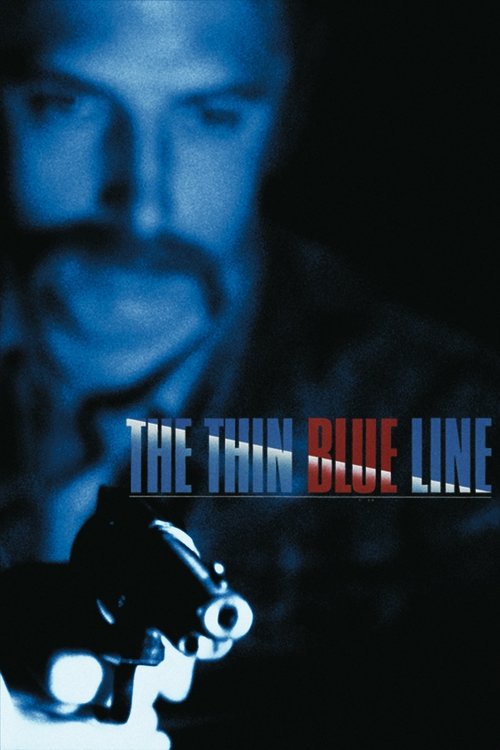
The Thin Blue Line1988
The nonfiction twin of the show's central idea: a man destroyed by a justice system's need for a tidy story, interrogated here by a camera instead of a courtroom.
Errol Morris's landmark documentary, made in the very years this show aired, actually helped free a wrongly convicted man — the same founding premise, but with real stakes and a real exoneration.
But It's a formally strange, hypnotic film built from reenactments and interviews, not a story with forward momentum — patience required.
Alias Smith and Jones1971no page yet
Strip out the seriousness and the same engine remains: a man once condemned by the law now uses his outlaw knowledge to work just inside it, for people who'd rather he'd stayed gone.
Two outlaws granted amnesty on condition of staying clean spend their days working the same lawless country that once hunted them — the identical premise, played as breezy, funny Western buddy adventure.
But Entirely different register: light, jokey, episodic, with none of the moral weight or racial politics that give this show its bite.
People
Cast




Writing
- Coleman LuckCreator
- Donald R. BoyleCreator
- Jacqueline ZambranoCreator