
Film
The Boston Strangler
A methodical 1968 procedural about Boston detectives hunting a serial killer, told almost entirely from the investigators' perspective as they piece together scattered clues. It's patient, unglamorous police work rendered in vivid detail, with Tony Curtis surprising in a rare dramatic role. For viewers who prize the hunt over the killer.
If you liked this
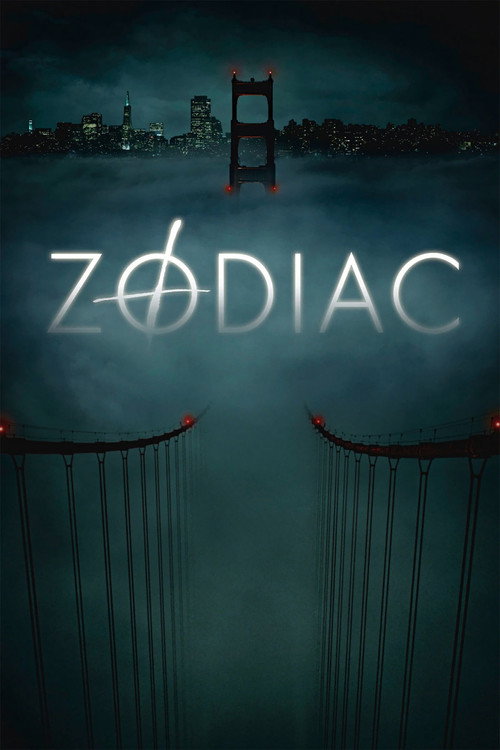
Zodiac2007
Fincher's obsessive procedural about tracking an unsolvable killer, built entirely on the detective work: maps, ciphers, photographs, interviews. The hunt *is* the story, and it consumes everyone involved.
But Nearly three hours, glacially paced, and the ending offers no catharsis. Relentlessly bleak.
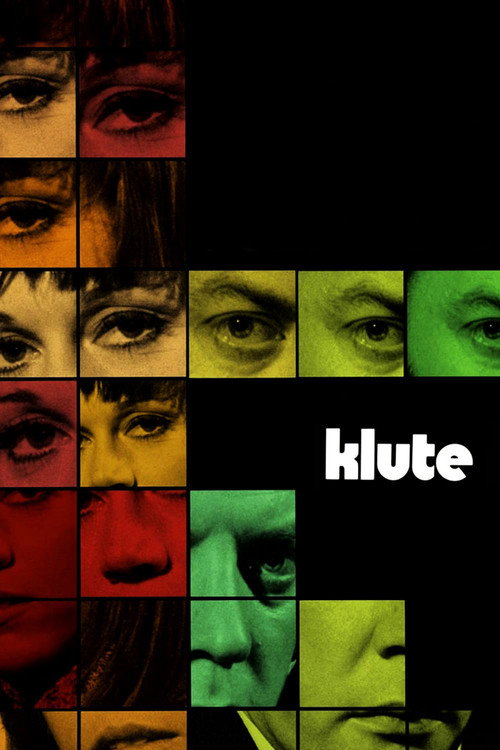
Klute1971
A detective investigating a missing person's case spirals into moral ambiguity. Sharp, atmospheric 70s thriller that trusts the viewer to sit with uncertainty and dread rather than providing easy answers.
But The resolution is deliberately unsatisfying. Jane Fonda's sex-work storyline hasn't aged without complications.
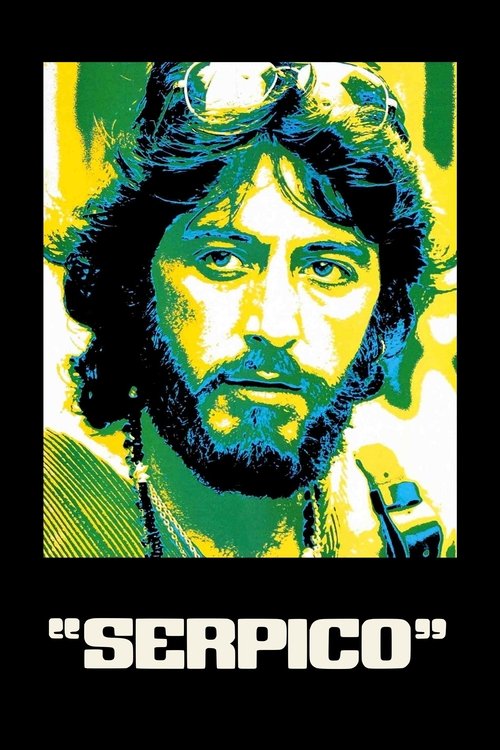
Serpico1973
Al Pacino as an honest cop working through a corrupt system, grinding through procedural detail and institutional resistance. Feels lived-in and urgent, powered by real outrage at how things actually work.
But Unflinching about violence and corruption, which can feel relentless. Some pacing lags in the middle.
Not sure tonight? Get a pick in a minute, starting from The Boston Strangler
The wildcard
Something you would not have found on your own.
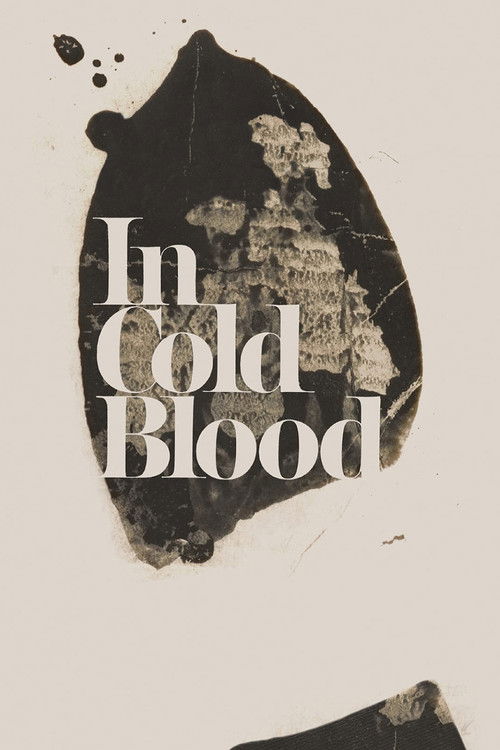
In Cold Blood1967
Both are 1960s procedurals about real crimes that refuse to exploit their subject matter, instead using investigation as a lens to examine institutions and the people who serve them.
Adaptation of Capote's nonfiction novel, told from both investigator and killer perspectives, exploring how one murder investigation destroys everyone it touches. Sparse, literary, deeply unsettling in its empathy for broken people.
But Slow and reflective rather than thrilling. Demands patience with the perpetrators' humanity, which some viewers will find repugnant.
More like this (8)
The Killing1956
Kubrick's lean masterclass in building suspense from a heist gone wrong. Shows crime from multiple angles with surgical precision and dark wit. Influenced everything that came after it.
But Black-and-white, 85 minutes, quite stark. The morality is cold rather than warm.

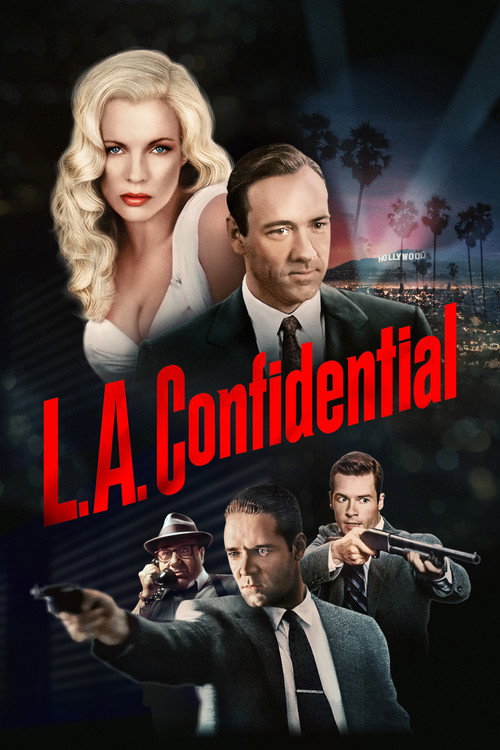
L.A. Confidential1997
Three detectives in 1950s LA pursuing intersecting cases, each with different morals and methods. Smart, beautifully constructed, and Russell Crowe's best performance—a man who achieves something despite himself.
But Occasionally veers toward slickness. The corruption plot needs some tolerance for noir melodrama.
All the President's Men1976
Two reporters chasing a story through interviews, phone calls, and the National Archives. Procedural tension extracted from following paper trails. Teaches you how real investigation actually works.
But Slow, talky, and designed for people who find paperwork fascinating. The outcome is known before you start.

Spotlight2015
A newsroom team systematically uncovering institutional abuse. Quiet, methodical, with exceptional ensemble work. About how good people do difficult work together, piece by piece.
But Deliberately muted in style. Some find it too restrained for its subject matter.

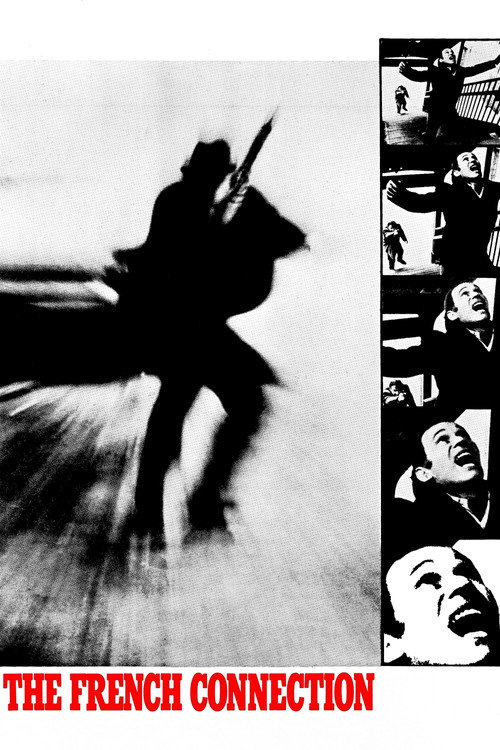
The French Connection1971
Popeye Doyle—obsessive, lawless, effective—pursuing a drug pipeline across continents. Gritty, kinetic 70s police work with real locations and an iconic car chase. Feels earned rather than spectacular.
But Doyle is an unlikeable protagonist. The film doesn't romance police work, which can feel grinding.
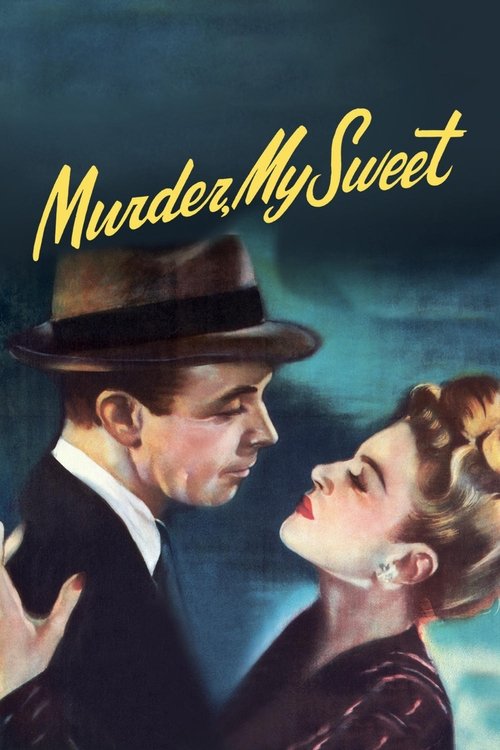
Murder, My Sweet1944
A private detective caught in a murder case narrates his own confusion and complicity. Classic noir with psychological depth, showing how investigators can be manipulated by incomplete information.
But The timeline jumps around confusingly by design. Very much a product of 1944 in its attitudes.
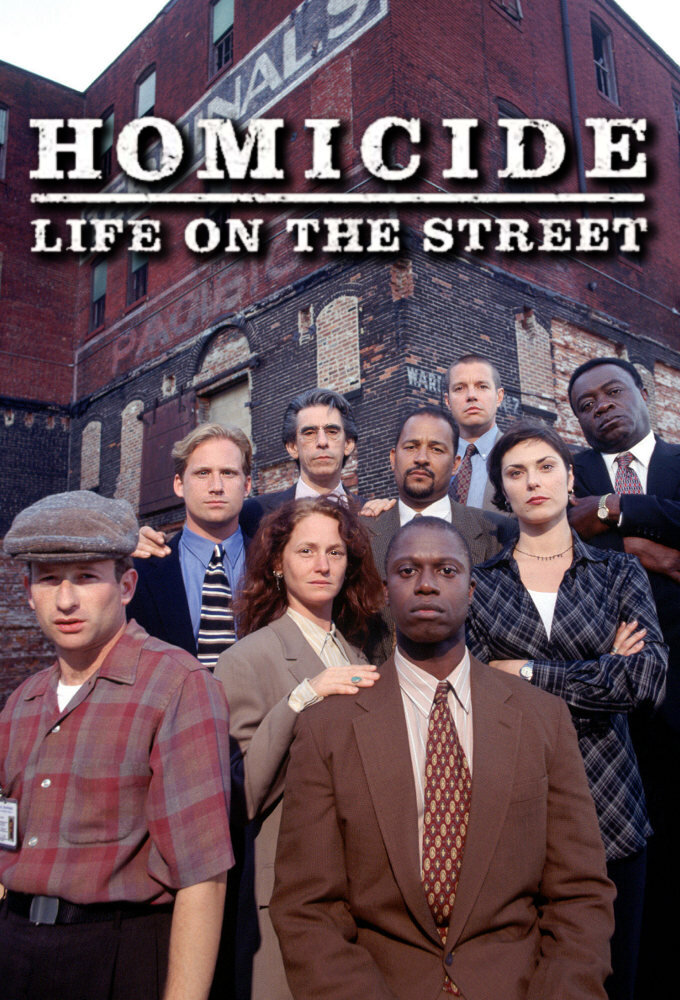
Homicide: Life on the Street1993
Same foundational belief: that the details of investigation matter more than the crime itself, and that the system's failures are the real tragedy.
A Baltimore homicide unit over seven seasons—the closest television gets to the emotional and institutional reality of police work. Each detective is a character, not a trope. Writes murder investigation as meaningful labour.
But Early seasons are choppy; it finds itself slowly. By Season 4 it's extraordinary, but that's 40 hours in.
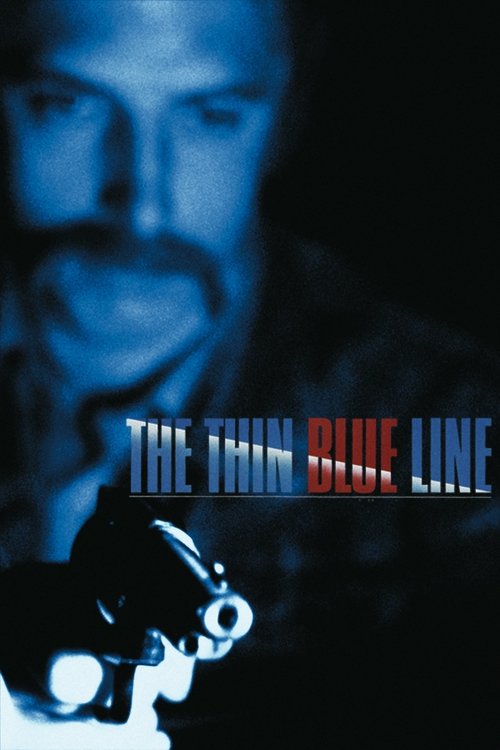
The Thin Blue Line1988
Inverts the procedural by asking what happens when the investigation gets it *wrong*—the hidden tragedy beneath the case file.
Errol Morris's documentary reconstructing a murder case through interviews and animated sequences, revealing how investigation and injustice intertwine. A formal breakthrough—shows how truth emerges from competing narratives.
But An innocent man spent years in prison; the film doesn't offer redemption, only exoneration. Formally experimental in ways some find alienating.
People
Cast
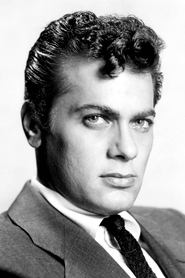 Tony CurtisAlbert DeSalvo
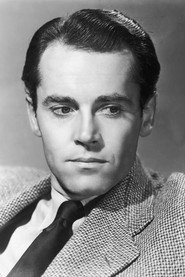 Henry FondaJohn S. Bottomly
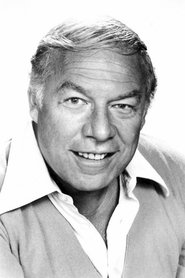 George KennedyDet. Phil DiNatale
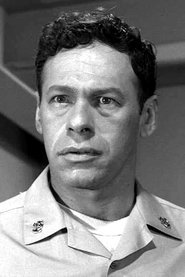 Mike KellinJulian Soshnick
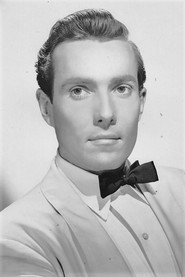 Hurd HatfieldTerence Huntley
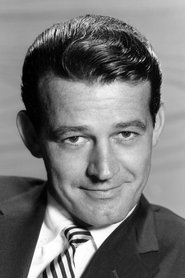 Murray HamiltonDet. Frank McAfee
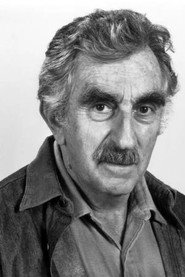 Jeff CoreyJohn Asgeirsson
 Sally KellermanDianne Cluny
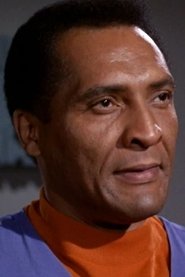 William MarshallAtty. Gen. Edward W. Brooke
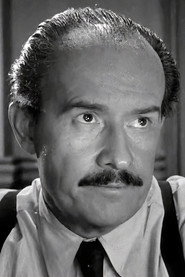 George VoskovecPeter Hurkos
 Leora DanaMary Bottomly
- Carolyn ConwellIrmgard DeSalvo
Directing
- Charles ZiarkoAssistant Director Trainee
- Richard FleischerDirector
- Richard GlassmanSecond Assistant Director
Writing
- Gerold FrankNovel
- Edward AnhaltScreenplay
Production
- James CressonAssociate Producer
- Bill VenegasLocation Manager
- Robert FryerProducer
- Ralph M. LeoProduction Accountant
- Eric StaceyUnit Production Manager