
Film
Internal Affairs
Internal Affairs is a taut 1990 crime thriller about institutional corruption, following an idealistic Internal Affairs investigator as he builds a case against a charming, morally bankrupt detective. Richard Gere delivers a career-best performance as a cop who weaponizes charisma and exploits every vulnerability. It's lean, intelligent, and genuinely gripping—a procedural with real stakes and a protagonist you'll actively dislike.
Should you watch it?
Watch it if you enjoy slow-burning cop stories where the menace is a charming, corrupt man who smiles while he squeezes the people around him.
Skip it if you want a tidy procedural with clear heroes and fast action, since this is more about watching a slippery man's charm curdle into threat than about puzzles being solved.
What it asks of you: A leisurely two hours of talk and surveillance, with the pressure building slowly rather than in bursts of excitement; patience pays more than adrenaline.
Not sure? Find tonight's pick in a minute.
If you liked this
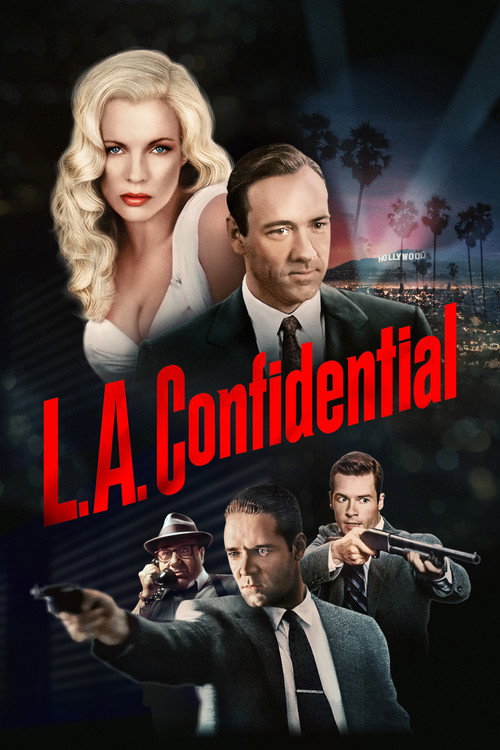
L.A. Confidential1997
A more stylish 1950s LA cop corruption story with the same moral clarity and institutional rot theme. Slower-burn but ultimately more satisfying, with superb ensemble work and a mystery that actually lands.
But The 1950s setting and period detail might feel distancing. It's also more oblique about its villain, less visceral confrontation than Internal Affairs.
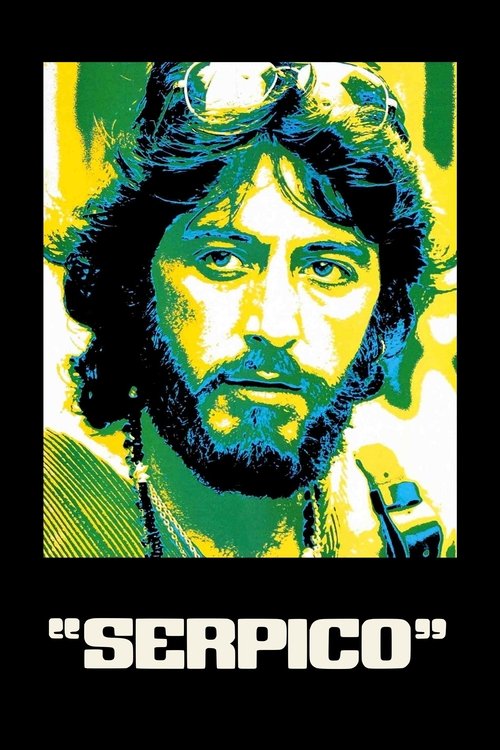
Serpico1973
Al Pacino as a cop trying to expose NYPD corruption from inside. The granddaddy of all 'one honest cop against the system' films—it has a moral weight and documentary texture that still feels urgent.
But Shot in genuine 1970s style, which means grainy and sometimes slow. The pacing is very deliberate, and the ending is deliberately ambiguous rather than cathartic.
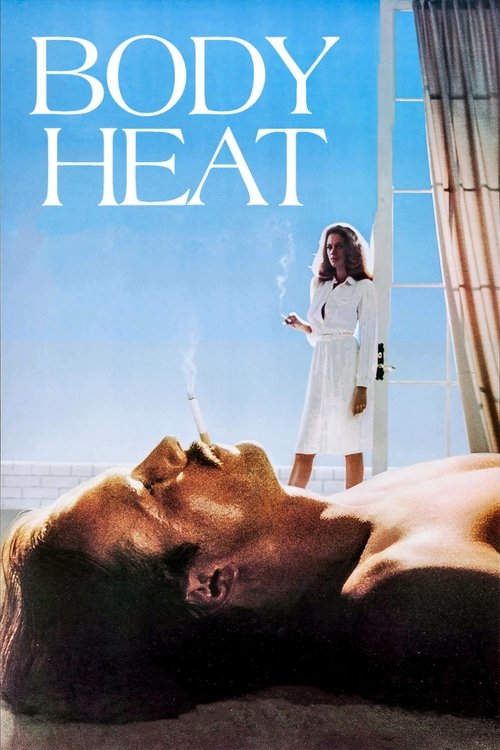
Body Heat1981
Also stars Richard Gere in a morally complex role where charm masks danger. A stylish erotic thriller about manipulation and desire, with similar psychological cat-and-mouse dynamics and a shocking denouement.
But It's primarily a seduction thriller rather than a crime procedural, so the institutional elements you liked are replaced by intimate betrayal. Much slower and more sensual than Internal Affairs.
Not sure tonight? Get a pick in a minute, starting from Internal Affairs
The wildcard
Something you would not have found on your own.
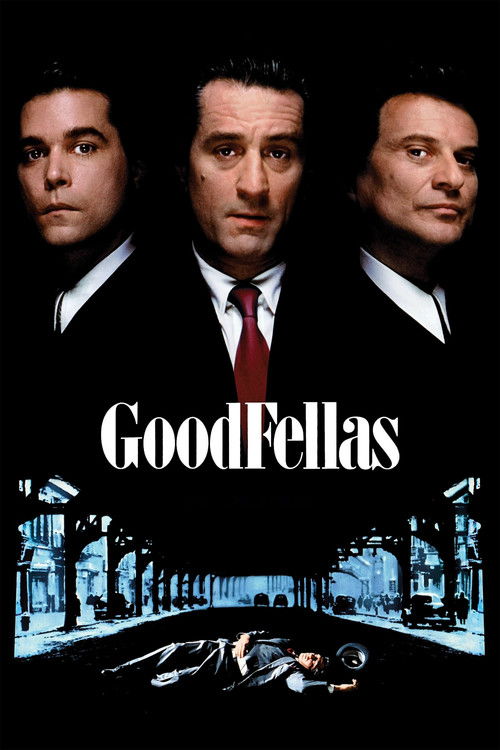
GoodFellas1990
Both films released in 1990, both explore how charisma enables institutional corruption, but Goodfellas places you inside the corruptor's headspace rather than observing him from outside. The inverse perspective clarifies what makes Peck so dangerous.
Released the same year as Internal Affairs, Scorsese's masterpiece spends three hours inside the psychology of charisma and moral corrosion from the other side of the law. Henry Hill's narcissism mirrors Dennis Peck perfectly, but Goodfellas luxuriates in the attraction of that corruption rather than interrogating it. Electrifying filmmaking.
But It's violent, profane, and seductive about crime in ways that will repel anyone who wanted Internal Affairs' moral clarity. It's also three and a half hours and demands total attention.
More like this (8)
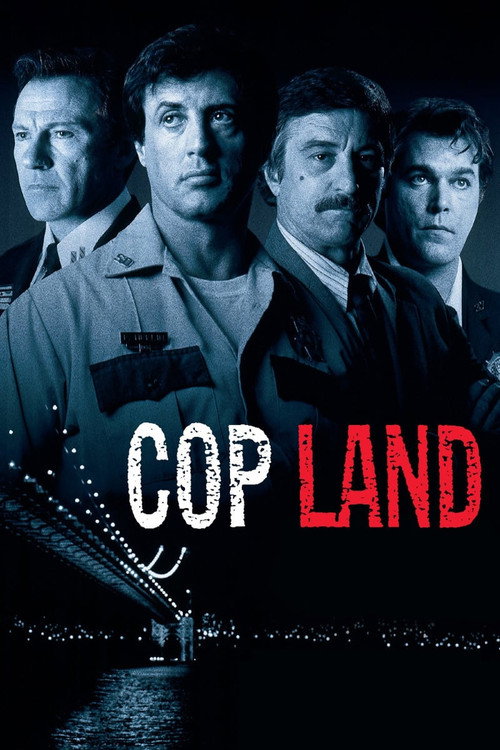
Cop Land1997
Sylvester Stallone leads an ensemble about corruption in a New Jersey police force. More sprawling and character-driven than Internal Affairs, it builds a full ecosystem of compromised cops and the system that enables them.
But Nearly three hours long and deliberately unglamorous. The pacing is measured and the tone is downbeat in ways that can feel exhausting rather than gripping.
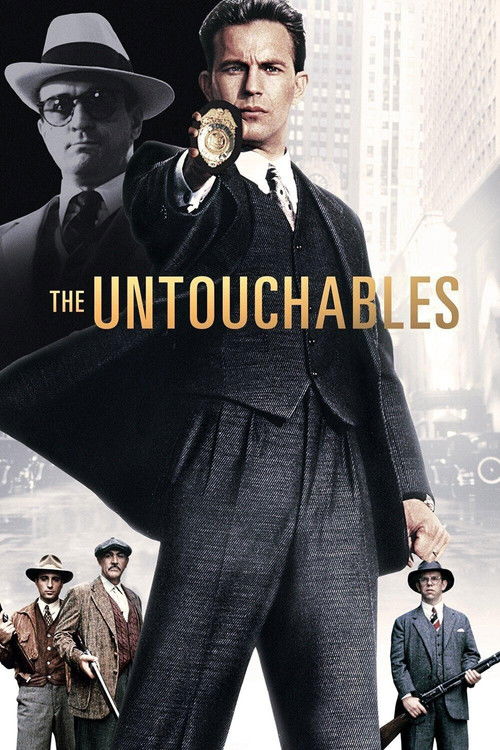
The Untouchables1987
Eliot Ness takes down Al Capone with a small team of incorruptible cops. A more heroic take on institutional corruption, with beautiful cinematography and a satisfying procedural structure that builds momentum.
But It's more of a procedural victory lap than a moral ambiguity fest. The good guys win clearly, which works against the thematic complexity you found compelling in Internal Affairs.
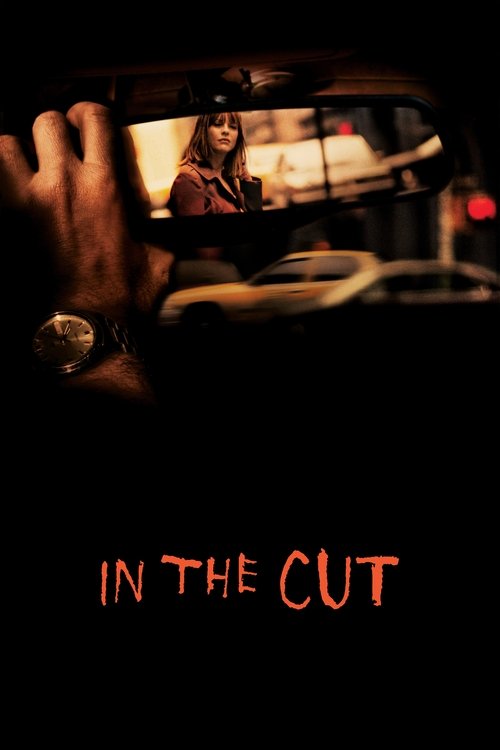
In the Cut2003
A stylish thriller about a woman drawn into a murder investigation through a detective played by Mark Ruffalo. Like Internal Affairs, it's fundamentally about manipulation, sex, and how surface charm conceals danger.
But Genuinely graphic and confrontational about sexual violence. It's erotic but deeply uncomfortable, and the narrative is deliberately fractured and elliptical rather than driving toward resolution.
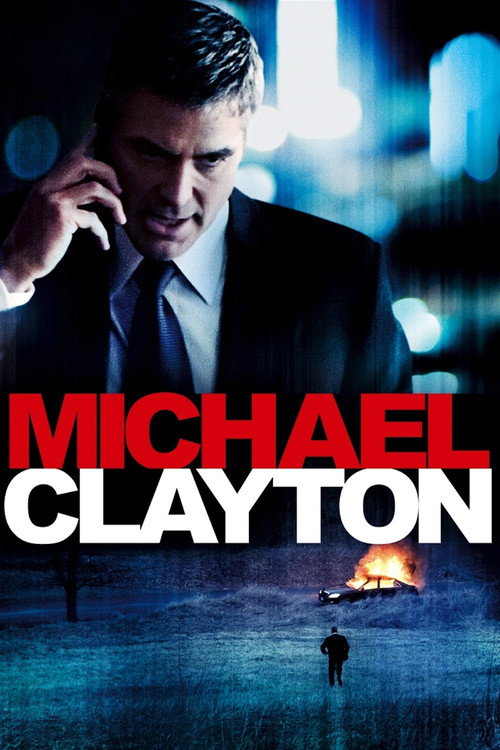
Michael Clayton2007
George Clooney as a corporate fixer trapped between institutional loyalty and moral collapse. A smart examination of how systemic corruption tempts otherwise decent people, with elegant writing and genuine moral complexity.
But Very cerebral and conversational for a thriller. Plot momentum isn't the priority; atmosphere and character work take precedence, which can feel slow if you want propulsion.
Mulholland Drive2001
David Lynch's meditation on power, ambition, and performance in Los Angeles. It has Internal Affairs' fascination with surfaces concealing rot, but applies it to Hollywood rather than the LAPD—ambitious and genuinely unsettling.
But It's deliberately puzzling and refuses conventional narrative. If you want plot clarity and resolution, this will actively infuriate you. It's demanding and strange.

The Killing1956
Kubrick's debut: a crime caper about a racetrack heist. Taut, inventive, and built on institutional vulnerability—how systems fail and corrupt people exploit the gaps.
But It's a 1950s B-movie, so the technical quality is uneven and the pacing often feels flat by modern standards. The plot, while clever, can feel mechanical.

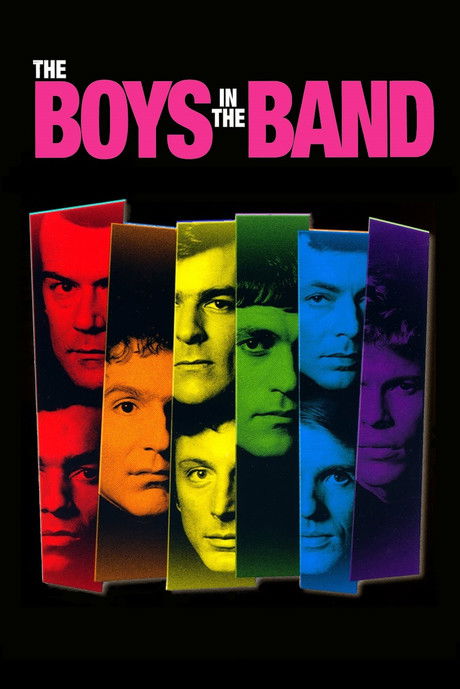
The Boys in the Band1970
Same moral engine as Internal Affairs: the study of how damaged people use wit, sexuality, and insider knowledge to maintain dominance within a closed system. Peck and the characters here would recognize each other instantly.
A 1970 comedy-drama about gay men in New York, adapted from Mart Crowley's play. It has nothing to do with cops, but it has everything to do with manipulation—how performance and charm are weaponized to control, humiliate, and dominate within an insular group. Brutal, funny, and psychologically astute in ways that illuminate Peck's methods.
But The homosexual content was controversial in 1970 and remains the focus. The aggression and emotional violence between characters is relentless; there's no 'good guy' to root for. The theatrical artificiality will feel mannered if you're not attuned to ensemble acting.
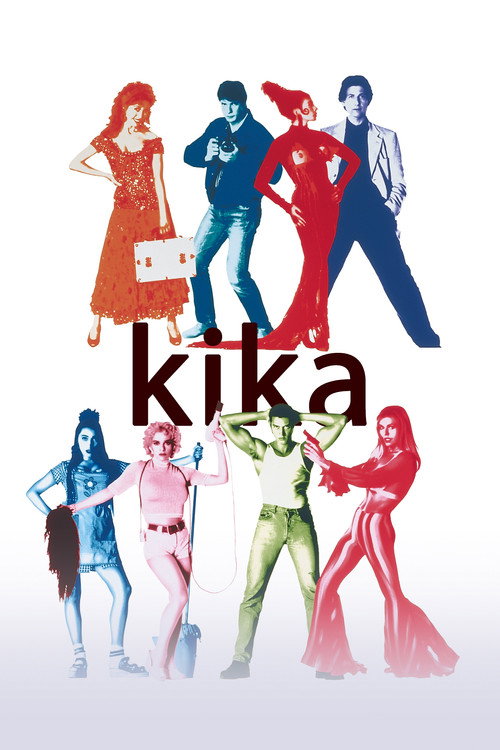
Kika1993
Both are about performance and the mask that attractive people wear in the world, but Kika is a portrait of Spanish bohemian excess while Internal Affairs is institutional critique. Watching them together reveals how the same dynamics play out in completely different registers and with inverted moral stances.
Pedro Almodóvar's outrageous, transgressive dark comedy about a makeup artist and her chaotic Madrid social circle. Visually stunning and morally reckless, it finds perverse humor in assault, manipulation, and media spectacle. Shockingly, it shares Internal Affairs' fascination with attractive people doing terrible things—but Almodóvar celebrates the chaos rather than interrogating it.
But It's genuinely offensive and doesn't apologize. The famous assault sequence is shot as farcical entertainment. The plot is barely there, prioritizing atmosphere and visual excess. If you want moral seriousness, this will feel like sacrilege.
People
Cast
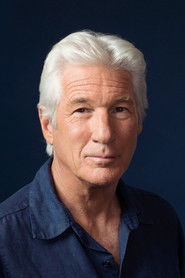 Richard GereDennis Peck
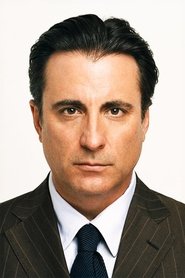 Andy GarciaRaymond Avila
 Nancy TravisKathleen Avila
 Laurie MetcalfAmy Wallace
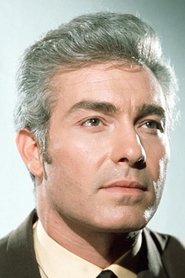 Richard BradfordGrieb
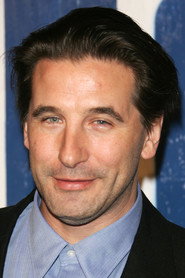 William BaldwinVan Stretch
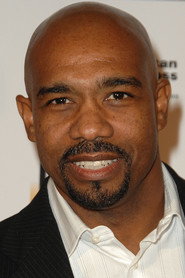 Michael BeachDorian Fletcher
 Katherine BorowitzTova Arrocas
 Faye GrantPenny
 John KapelosSteven Arrocas
 Xander BerkeleyRudy Mohr
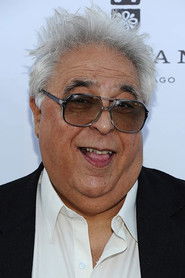 John CapodiceChief Healy
Directing
- Mike FiggisDirector
- J. Stephen BuckFirst Assistant Director
- Sharron Reynolds-EnriquezScript Supervisor
- Cellin GluckSecond Assistant Director
- Chris AuerSecond Assistant Director
- Gary HymesSecond Unit Director
Writing
- Henry BeanWriter
Production
- Les GodwinAssistant Location Manager
- Mara TrafficanteAssociate Producer
- Pam O'HarAssociate Producer
- Carrie FrazierCasting
- Shani GinsbergCasting
- David StreitCo-Producer
- Pierre DavidExecutive Producer
- René MaloExecutive Producer
- David L. WolfsonLocation Manager
- Jon KuyperPost Production Coordinator
- Frank Mancuso Jr.Producer
- Harlan M. FreedmanProduction Coordinator
- Vikki WilliamsProduction Supervisor
- Lisa HackettUnit Production Manager
Recommended by
Q & A, Deep Cover, The Corruptor, Impulse, Code of Silence, Police Story: Lockdown, The Unjust, L.627, V, Once Upon a Time in Hong Kong, Nightfall, Striking Distance