
Film
L.627
- Crime
- Workplace drama
- Very dark
A 1992 French police procedural following a narcotics detective in Paris who retains moral clarity amid bureaucratic indifference and systemic rot. Director Alain Tavernier treats the work with documentary precision and emotional weight. It's a portrait of institutional failure and personal integrity—for viewers who want realism without the glamour.
If you liked this
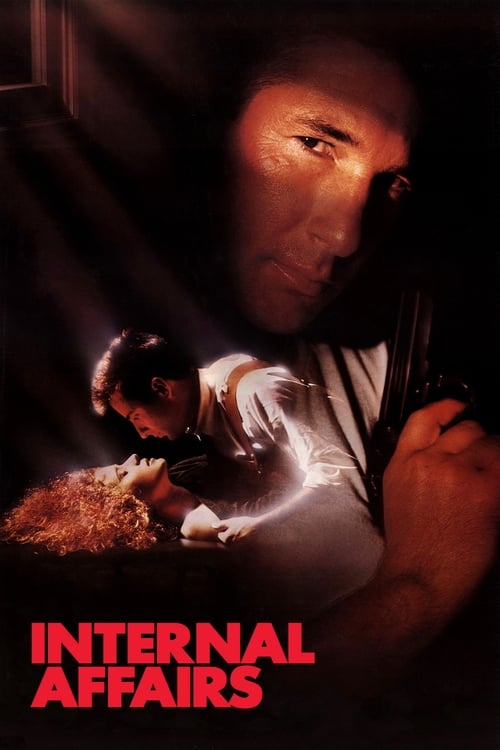
Internal Affairs1990
A parallel study of police corruption and the men trying to fight it from within. Pacino and Harris in a tense cat-and-mouse that shares L.627's interest in how institutions protect their own.
But The 90s aesthetic feels dated now, and its moral calculus can feel simpler than it intends.
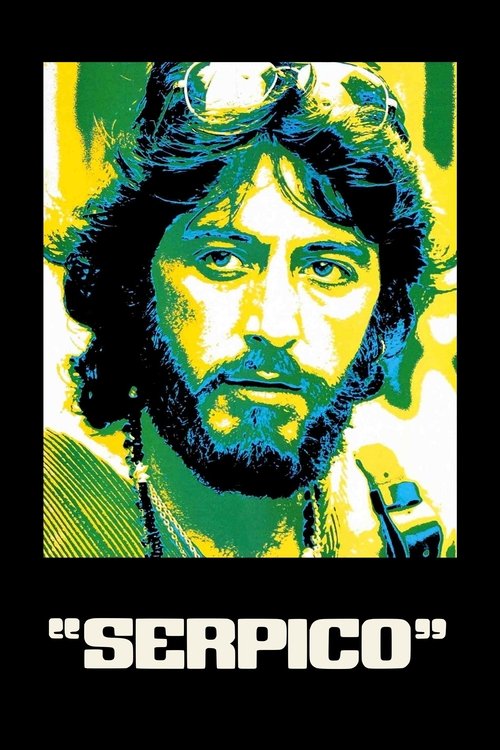
Serpico1973
An earlier masterwork about a cop at odds with his own department over integrity. Pacino's performance has a kind of naive idealism that echoes Lulu's faith—watching the system break him is devastating.
But Nearly three hours, and the pacing is deliberate. Patience required.
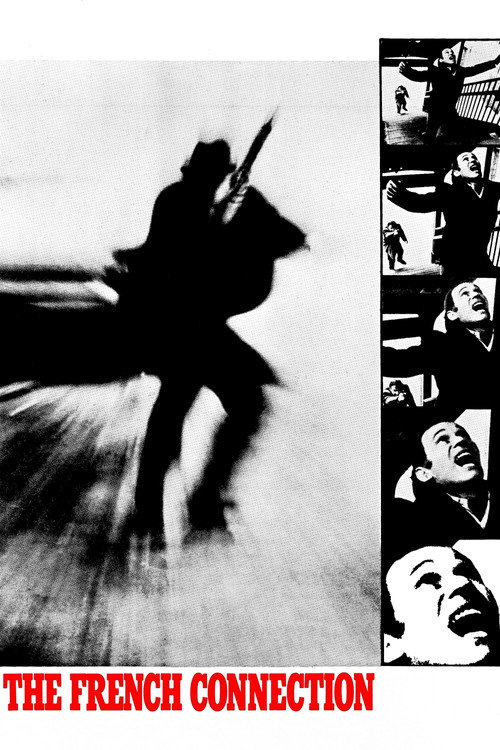
The French Connection1971
The Doyle/Popeye character feels like a spiritual ancestor to Lulu: obsessive, skilled, slightly bent by the work. The drug investigation is a framework for studying how men corrode in institutions.
But The climax disappointed me compared to the investigation itself. Some may find the ending thin.
Not sure tonight? Get a pick in a minute, starting from L.627
The wildcard
Something you would not have found on your own.
Stalker1979
Both films are concerned with men trying to preserve something sacred (integrity, truth, meaning) while moving through systems designed to crush it. Both find that struggle more interesting than its outcome.
Tarkovsky's three men on a quest into a mysterious zone. Sounds different from L.627, but both are meditations on desire, meaning, and what we pursue even as it corrodes us. Spare, philosophical, visually hypnotic.
But 163 minutes of dialogue-light, meditative cinema. If you need plot momentum, this will feel like punishment.

More like this (7)
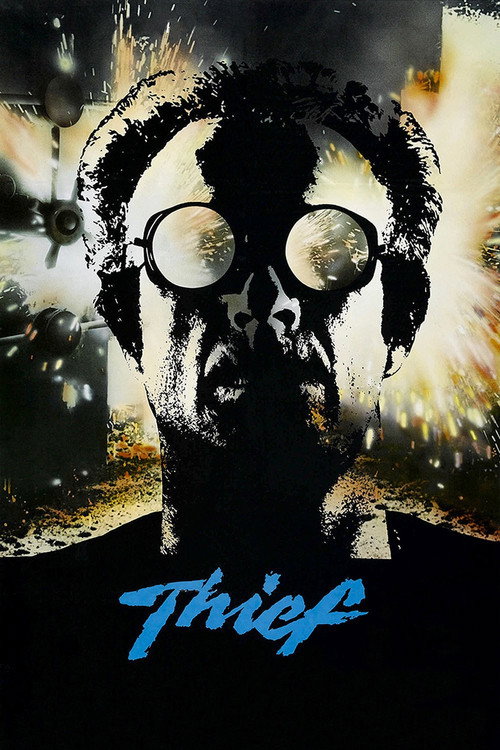
Thief1981
Michael Mann's portrait of a professional thief trying to go straight. Like L.627, it's absorbed in the texture of work and the moral compromises that come with surviving in corrupt systems.
But The synth score is aggressively 80s. If that grates, the film's mood will fragment for you.
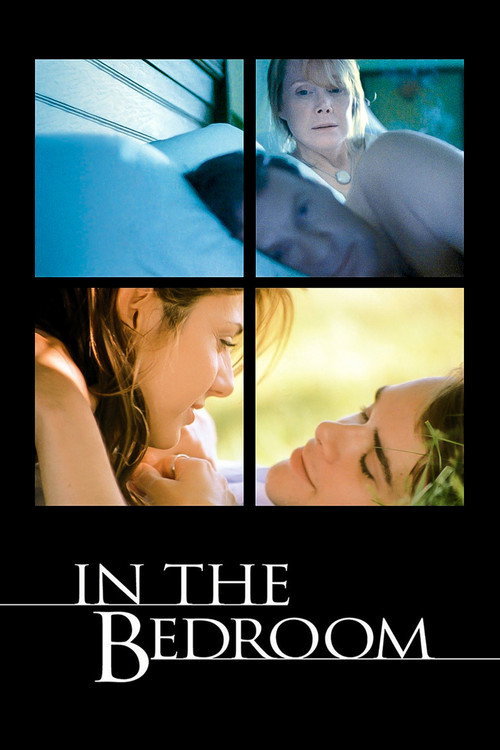
In the Bedroom2001
Another study of how institutional failure—here, a lenient legal system—corrodes ordinary men. The slow revelation of what people will do when the system fails them mirrors Lulu's disillusionment.
But It's quiet and unhurried to the point that some will find it glacial. Demands patience.
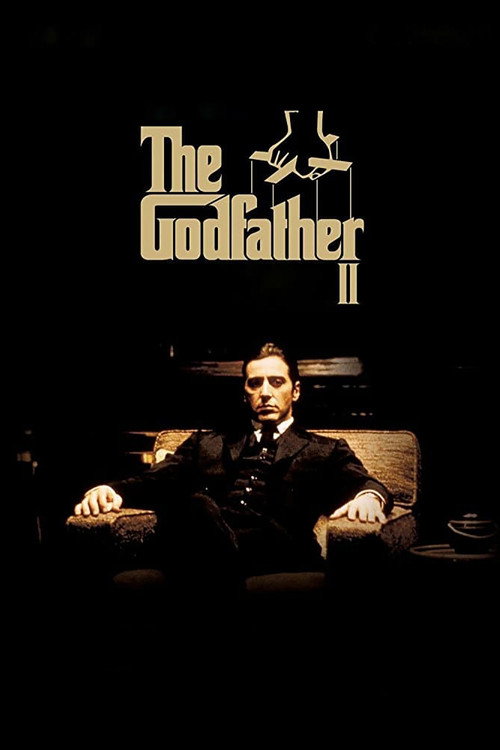
The Godfather Part II1974
The Vito section is partly a study of how institutions are born from corruption. The parallel stories ask how good men become complicit. It has L.627's moral seriousness about systems.
But Four hours and some know it better than their own biography. Feels inevitable rather than surprising.
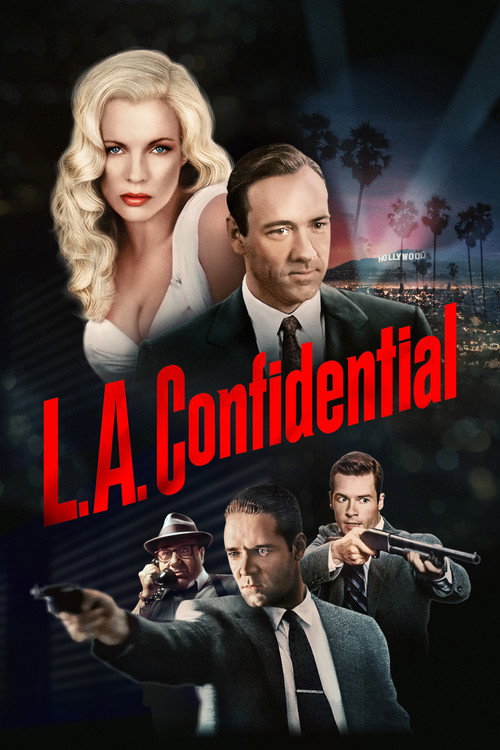
L.A. Confidential1997
Three cops with different moral codes collide in a rigged system. It's smart about institutional cynicism, and it moves with real narrative velocity that keeps you watching.
But More genre thriller than character study. Sacrifices some realism for plot satisfaction.
The Killing1956
Kubrick's study of a heist fractures into a meditation on how systems—criminal and institutional—grind people down. Like L.627, it finds poetry in procedural detail.
But Black and white, 1950s pacing, and it's elliptical. Modern viewers sometimes find it austere rather than gripping.

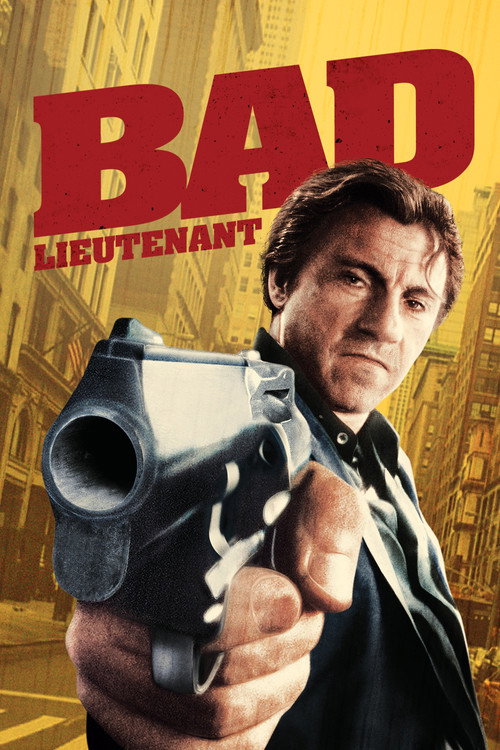
Bad Lieutenant1992
Harvey Keitel as a cop destroying himself in the system. Made the same year as L.627, it's a feverish American cousin—far more baroque, but asking similar questions about corruption and grace.
But It's abrasive and extreme. Keitel's performance will repel some viewers. Explicitly sexual content too.
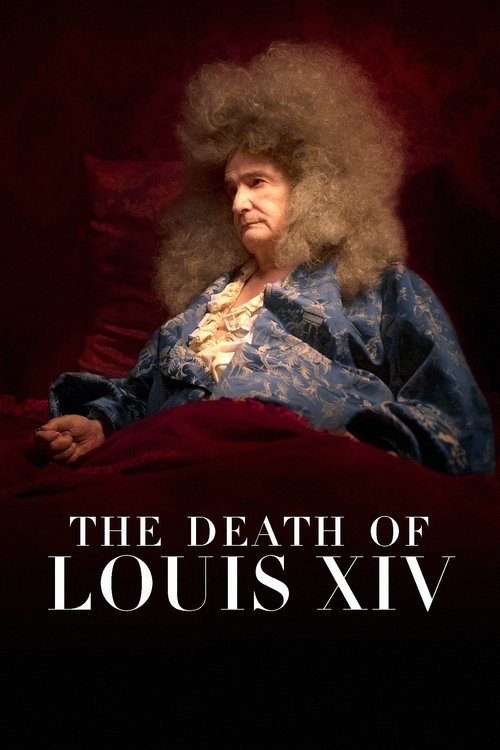
The Death of Louis XIV2016
Both are studies of institutions and the men within them, but Serra approaches it from absolute stillness where Tavernier uses movement. Both resist narrative satisfaction.
Albert Serra's experimental film watches a king's final days. It's almost plotless—mostly talk and observation. Obsessed with institutional power, the body in decline, and how systems outlive individuals.
But Formally radical and slow. Some will see it as pretentious and unfinished rather than poetic.
People
Cast
 Didier Bezace'Lulu'
 Jean-Paul Comart'Dodo'
 Charlotte KadyMarie
 Jean-Roger MiloManuel
 Nils TavernierVincent
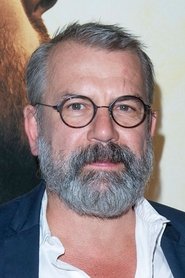 Philippe TorretonAntoine
 Lara GuiraoCécile

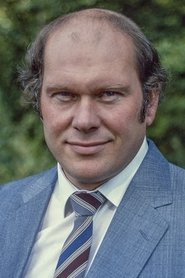 Claude BrossetAdore
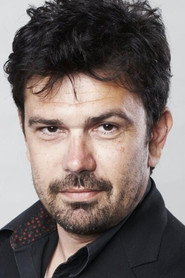 Fabrice RouxToulouse
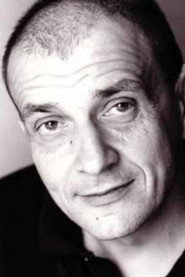 Jean-Luc AbelJ. P.
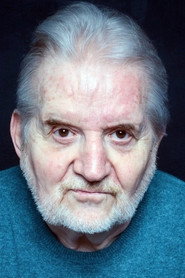 Jacques PratoussyMario
Directing
- Bertrand TavernierDirector
- Claude LuquetScript Supervisor
- Zoé ZurstrassenScript Supervisor
Writing
- Bertrand TavernierScreenplay
- Michel AlexandreScreenplay
Production
- Frédéric BourboulonDelegated Producer
- Alain SardeProducer
- Christine RaspillèreProduction Director