
Film
The Laughing Policeman
A 1973 San Francisco crime thriller where a veteran detective becomes consumed by the seemingly random murder of his partner on a crowded bus. Walter Matthau leads an ensemble of cops through a gritty procedural that trades flashy deduction for the messy reality of detective work: following leads, hitting dead ends, talking to the wrong people. It's exhausted and exhausting in the best way.
Should you watch it?
Watch it if you like seventies police procedurals that trade flashy action for grubby, methodical legwork and a sour, rumpled sense of humor about the job.
Skip it if you need quick cuts and a tidy, satisfying puzzle, since this one moves at an unhurried, deliberate pace and its mood stays bleak.
What it asks of you: It asks for close to two hours of patience, with long stretches of routine police work and a gloomy San Francisco atmosphere you have to sit inside rather than skim.
Not sure? Find tonight's pick in a minute.
If you liked this
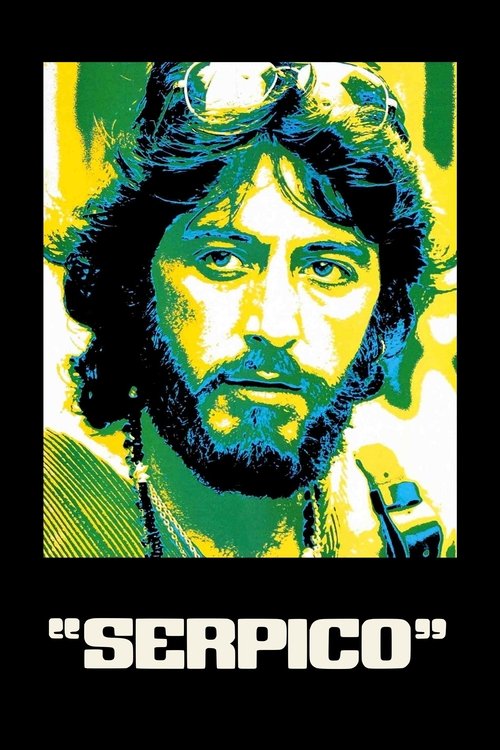
Serpico1973
Al Pacino as an honest cop fighting corruption in the NYPD. Like *Laughing Policeman*, it's a portrait of a decent man worn down by a system that punishes integrity. Gritty, angry, and utterly convincing.
But Released the same year and sometimes overshadowed by it. The pacing is deliberate rather than propulsive, which some find slow.
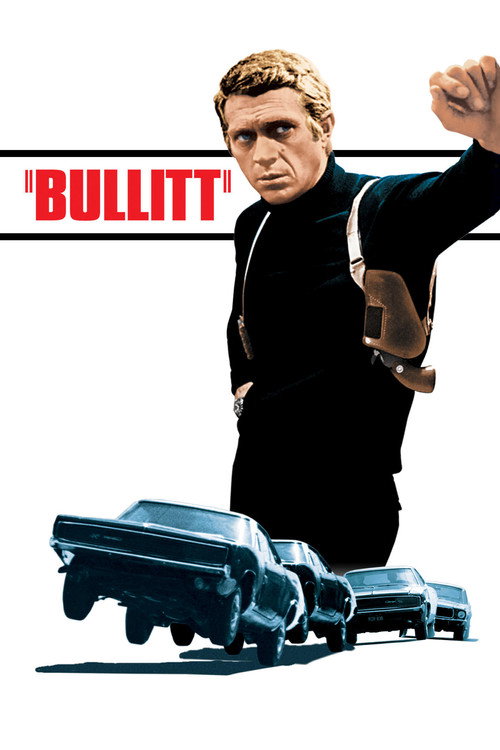
Bullitt1968
Steve McQueen as a San Francisco detective in a lean, smart procedural. That famous car chase is real filmmaking, but the heart is in McQueen's understated exhaustion and the methodical casework. Pure crime cinema.
But The plot is less important than mood and texture. If you need plot momentum to stay engaged, you'll feel it dragging.
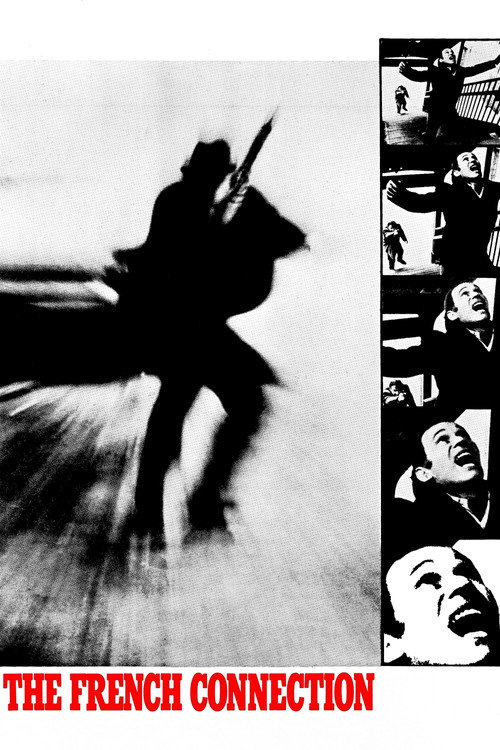
The French Connection1971
Gene Hackman as an obsessive, flawed NYPD detective pursuing a drug smuggling ring. It has the same procedural patience as *Laughing Policeman*, the same sense that detective work is repetitive and frustrating. Brilliant ensemble, iconic car chase.
But The protagonist is deliberately unlikeable. Some viewers find his paranoia and racism hard to sit with, even in context.
Not sure tonight? Get a pick in a minute, starting from The Laughing Policeman
The wildcard
Something you would not have found on your own.
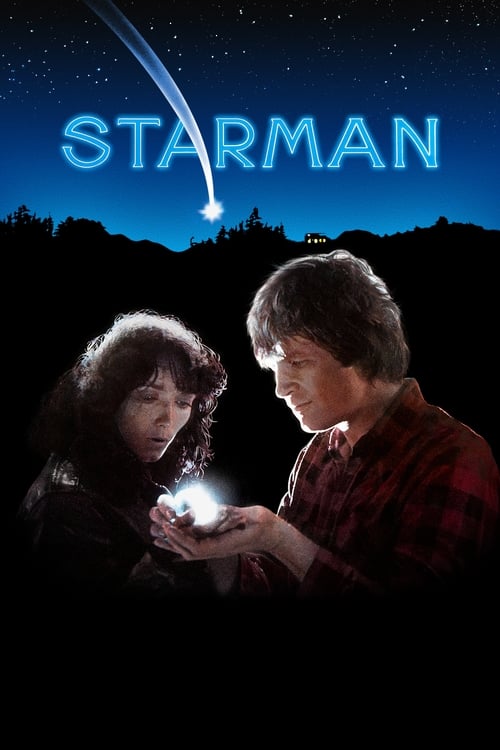
Starman1984
Both films understand that the real mystery is always human: what drives someone, what breaks them, what they're willing to sacrifice. Matthau's obsession with his partner's death and Bridges' slow discovery of human love are the same investigation from different angles.
Jeff Bridges as an alien learning to be human, paired with Karen Allen on a cross-country journey. It sounds like science fiction whimsy, but it's genuinely moving—a film about grief, connection, and what it means to *see* another person. Bridges is tender in a way that surprised audiences.
But The alien premise will feel incongruous if you're expecting gritty crime drama. The tonal shift from thriller to heartbreak happens suddenly.
More like this (8)
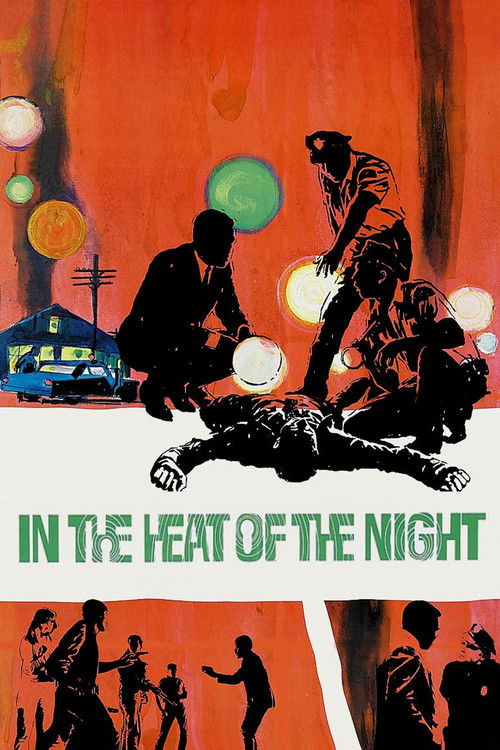
In the Heat of the Night1967
Sidney Poitier and Rod Steiger as two detectives—one Black, one white—solving a murder in the Deep South. Brilliant crime procedural that's also profound social drama. The chemistry between the leads is electric and the mystery genuinely grips.
But It handles race with the seriousness it deserves, which means some scenes are uncomfortable. It doesn't soften anything for comfort.
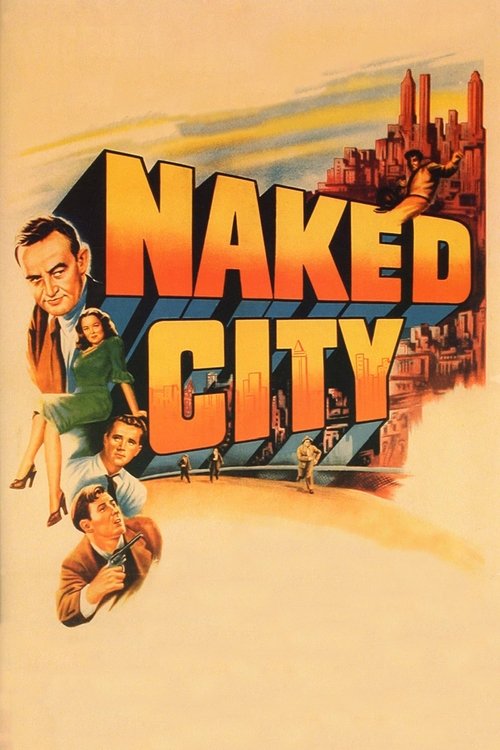
The Naked City1948
Jules Dassin's celebration of New York City as a character in itself, following detectives through a murder investigation. Shot on location when that was rare, it's got the DNA of modern police procedurals. The city *is* the story.
But It's 75 years old and shows it. Black-and-white photography and pacing from an earlier era won't engage everyone equally.
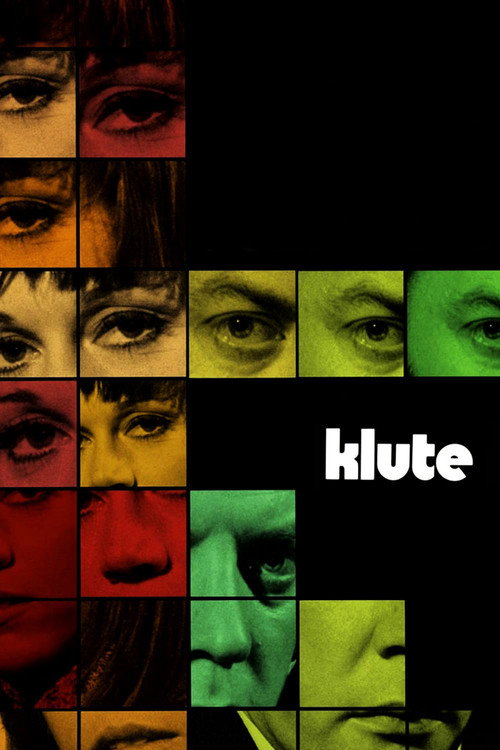
Klute1971
Jane Fonda and Donald Sutherland in a slow-burn thriller about a detective and a call girl entangled in a missing persons case. Restrained, atmospheric, and psychologically intricate. Fonda is magnificent.
But Very little happens until the third act. The pleasure is in mood and performance, not plot momentum. That isn't for everyone.
The Killing1956
Kubrick's debut about a racetrack heist told in fractured chronology. It's technically a crime caper, but the moral rot beneath the surface and the procedural detail are what matter. Lean, cold, brilliant.
But The nonlinear structure is confusing on first watch. Some find the misogyny off-putting, even by 1950s standards.

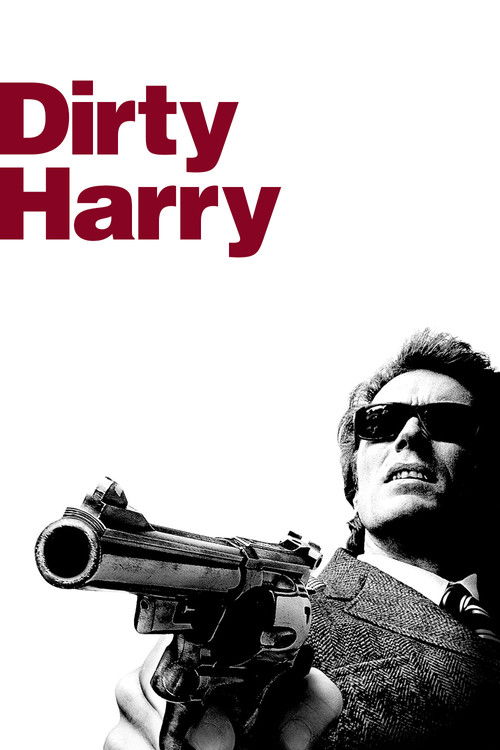
Dirty Harry1971
Clint Eastwood as a San Francisco detective—in the same city, just two years earlier. It's a masterclass in character and filmmaking. Eastwood's weariness and the city itself do as much work as the serial killer plot.
But The politics are deliberately provocative and will annoy viewers who want their heroes politically correct. It's a film about power and consequence, not reassurance.
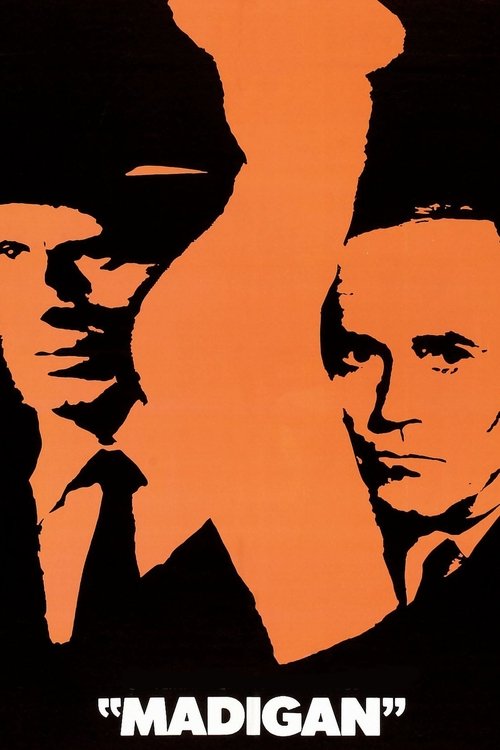
Madigan1968
Richard Widmark and Henry Fonda as New York detectives chasing a stolen gun across the city. Don Siegel directs with economy and style. It's the template for so much that came after—the city, the procedure, the moral ambiguity.
But It's a procedural that takes its time, and some stretches feel like going through the motions. The plot resolution is anticlimactic.
Memories of Murder2003
Like *Laughing Policeman*, it refuses the satisfying detective story. Instead it asks: what if following the clues doesn't lead anywhere good? What if the system itself is rotten? Both are investigations into futility.
Bong Joon-ho's masterpiece about Korean detectives hunting a serial killer in the 1980s. It's a crime procedural that becomes a tragedy about institutional failure and the corrosion of hope. Methodical, devastating, and unforgettable. The best film of its decade.
But It's in Korean with subtitles. It's also nearly two and a half hours and builds to an ending that doesn't resolve—it transforms the genre entirely.

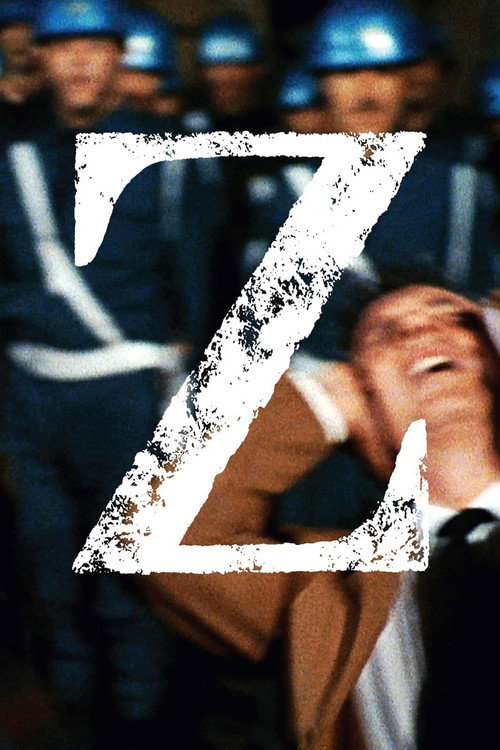
Z1969
Both understand that detective work means following threads that lead to uncomfortable places. *Laughing Policeman* finds that frustration in random violence; *Z* finds it in systematic corruption. Same method, different monsters.
Costa-Gavras' political thriller about the murder of a dissident and the cover-up that follows. It's a procedural where the investigation uncovers something vast and corrupt. Yves Montand is magnificent. Tense, angry, and formally brilliant—the film moves like a detective assembling evidence.
But It's a French-Algerian film from 1969 about Greek politics. The context requires some reading. And the truth, when it emerges, is bleak.
People
Cast
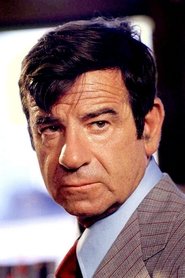 Walter MatthauSgt. Jake Martin SFPD
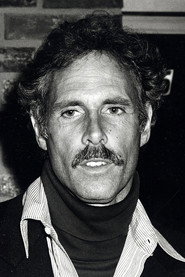 Bruce DernInsp. Leo Larsen SFPD
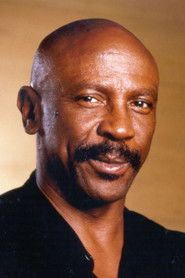 Louis Gossett Jr.Insp. James Larrimore SFPD
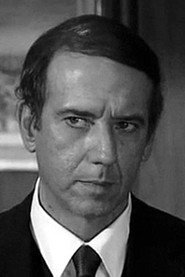 Albert PaulsenHenry Camerero
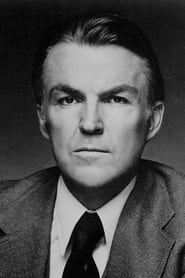 Anthony ZerbeLt. Nat Steiner SFPD
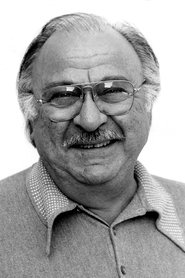 Val AveryInsp. John Pappas SFPD
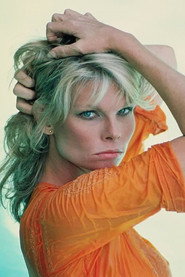 Cathy Lee CrosbyKay Butler
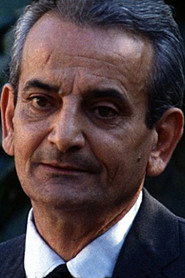 Mario GalloBobby Mow, Snitch
 Joanna CassidyMonica, Beth's Roomate
 Frances Lee McCainProstitute
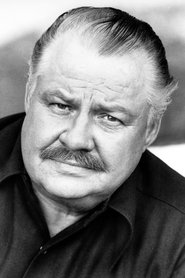 Clifton JamesOfficer Jim Maloney SFPD Bomb Squad
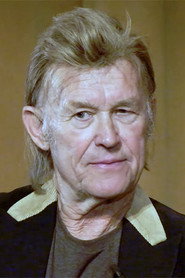 Paul KosloDuane Haygood
Directing
- Stuart RosenbergDirector
- Mike ModerFirst Assistant Director
- H. Bud OttoScript Supervisor
- Charles ZiarkoSecond Assistant Director
- Ron WrightSecond Assistant Director
Writing
- Maj SjöwallNovel
- Per WahlööNovel
- Stuart RosenbergScreenplay
- Thomas RickmanScreenplay
Production
- Joyce SelznickCasting
- Stuart RosenbergProducer
- Mike ModerUnit Production Manager