
Film
Eyewitness
Other titles called Eyewitness: the 2016 series (USA Network).
A janitor fabricates evidence of a murder to impress a TV reporter he's obsessed with, then discovers he's attracted the attention of actual killers. Eyewitness is a tense thriller that plays with the gap between desire and reality—how a lonely man's fantasy becomes genuinely dangerous. Taut, darkly funny, and driven by the chemistry between William Hurt's vulnerable awkwardness and Sigourney Weaver's sharp professionalism.
Should you watch it?
Watch it if you like slow-burn 1980s thrillers where the tension comes from a lonely, awkward man's obsession and a city that feels watchful and hostile, rather than from car chases or quick cuts.
Skip it if you want a brisk, plot-driven thriller; this one lingers on character and mood, and its pacing can feel deliberate to the point of sluggish for anyone expecting constant momentum.
What it asks of you: Settle in for about 100 minutes of patient, dialogue-led scenes that build dread gradually, and give it steady attention, since the mood does much of the work.
Not sure? Find tonight's pick in a minute.
If you liked this
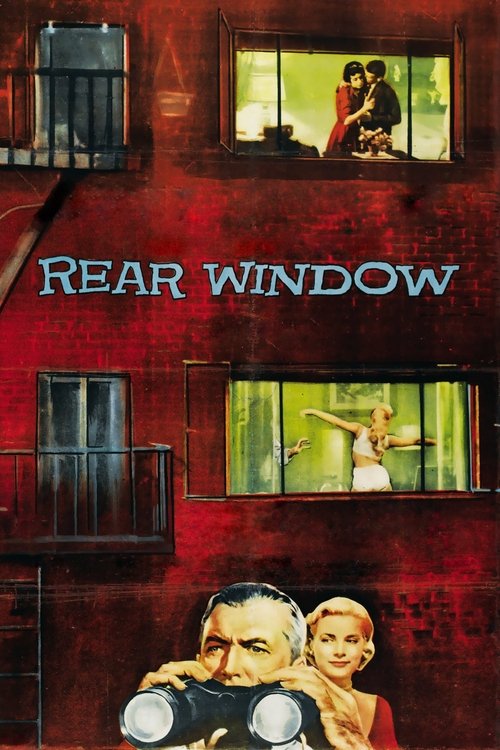
Rear Window1954
A voyeur's perspective transforms ordinary sights into suspected crime. Like Eyewitness, it mines paranoia and obsession from the act of watching, and the moral weight of what you choose to report.
But Hitchcock's pacing feels measured compared to modern thrillers; some find it slow despite the tension underneath.
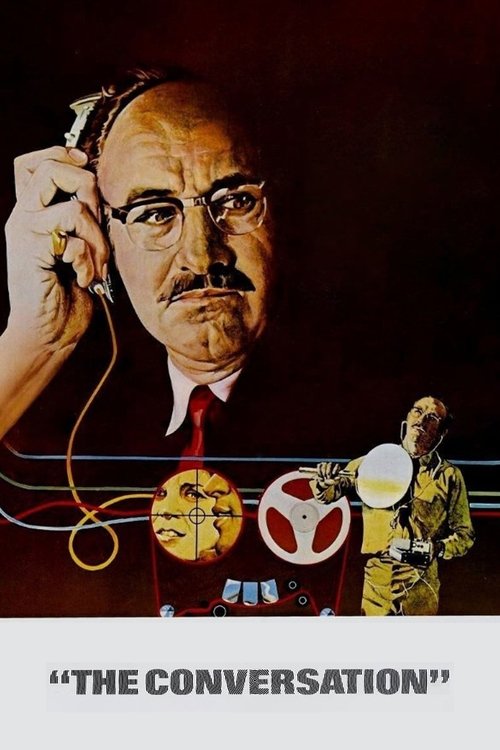
The Conversation1974
A surveillance expert becomes entangled in the consequences of what he's recorded. Both films explore how information becomes weaponized and how witnesses become targets when they know too much—or claim to.
But Deliberately paced and elliptical; the paranoia is internal, which can feel distant if you want clear plot momentum.
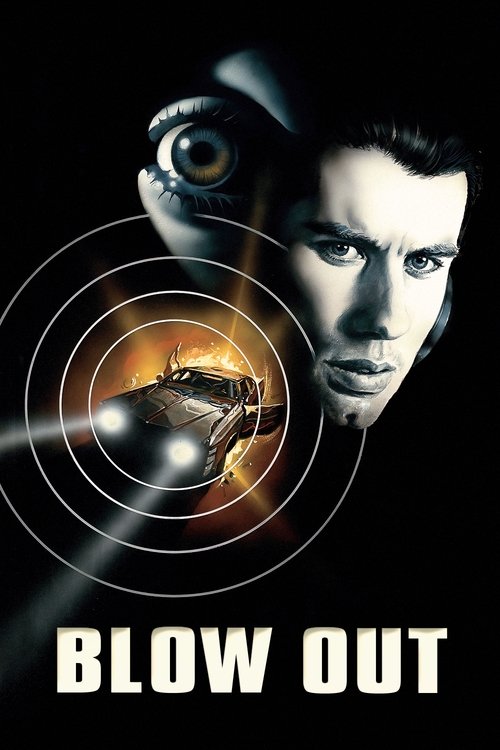
Blow Out1981
Another De Palma thriller about a man drawn into danger through his own obsession with what he's seen. Identical release year, similar DNA: the protagonist's desire to be important collides with actual peril.
But The sexual politics feel dated and uncomfortable; some viewers find De Palma's visual style more theatrical than thrilling.
Not sure tonight? Get a pick in a minute, starting from Eyewitness
The wildcard
Something you would not have found on your own.
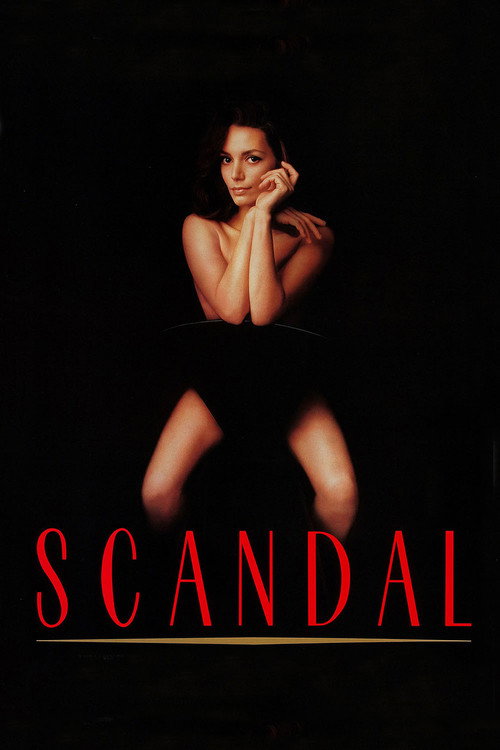
Scandal1989
Both dissect how desire and obsession distort perception, but Scandal reverses the power. In Eyewitness, the lonely man fabricates. Here, the woman is real and becomes fiction in others' hands.
A woman at the center of a political sex scandal becomes the subject of obsessive male attention and media feeding. Same engine as Eyewitness—the gap between what you are and what people need you to be—but inverted: here a real person is trapped in others' fantasies.
But Quite explicit about sex and takes its time; a British arthouse film about public humiliation rather than a snappy thriller.
More like this (8)
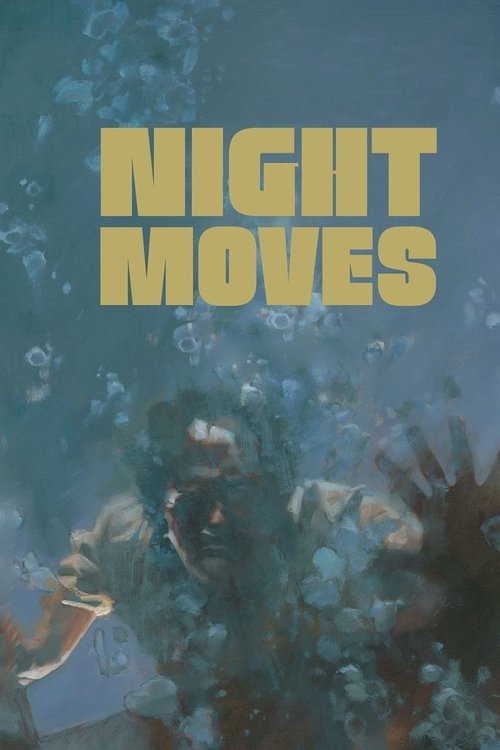
Night Moves1975
A private detective's obsession with a case pulls him deeper into moral ambiguity. Like Eyewitness, it's about a man who can't leave well alone, and the distinction between detective work and self-destruction blurs.
But Deliberately cryptic and slow-burn; doesn't provide the satisfaction of neat resolution or clear answers.
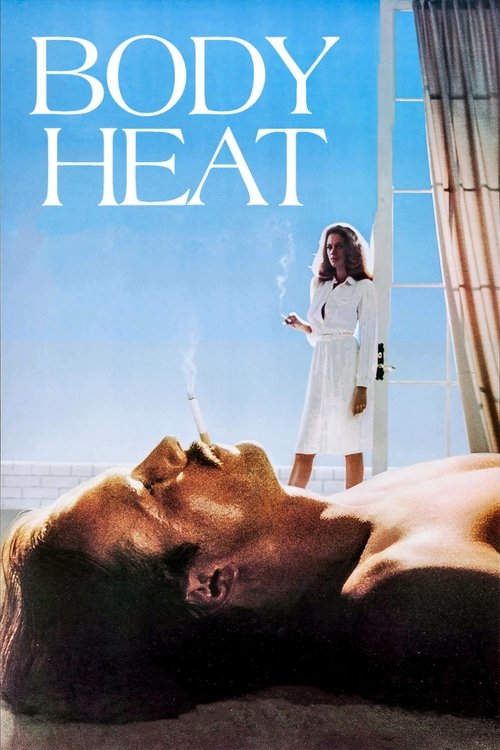
Body Heat1981
Released the same year, another thriller about a man's desire (here sexual rather than social) making him a pawn in someone else's game. The humidity and the trap close in identically.
But Erotic thriller conventions feel dated; the plot mechanics are more important than character depth.
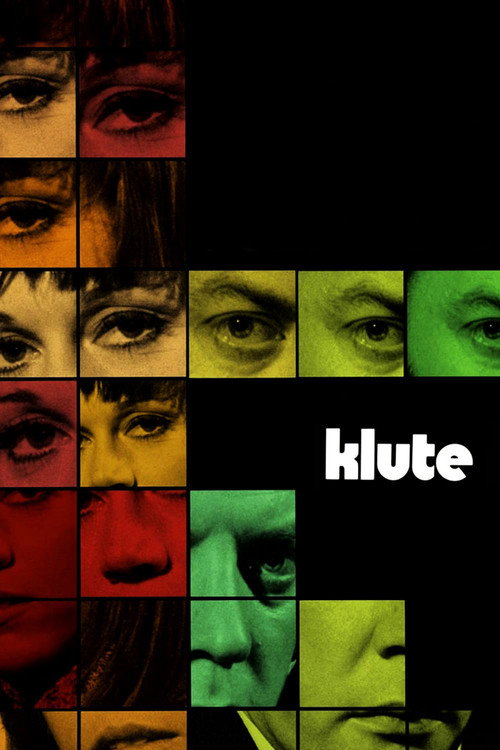
Klute1971
A detective and a woman become entangled in a case that blurs professional and personal stakes. Like Eyewitness, it's genuinely interested in the psychology of two people who need each other for different reasons.
But Dialogue-heavy and introspective; if you want plot above character, you'll find it slow.
The Killing1956
Kubrick's racetrack heist where circumstance and desire collide, and ordinary people become criminals. The existential dread of being in the wrong place at the right time resonates strongly with Eyewitness's core anxiety.
But A product of 1950s censorship that affects its sexual content; the fractured timeline can feel gimmicky.

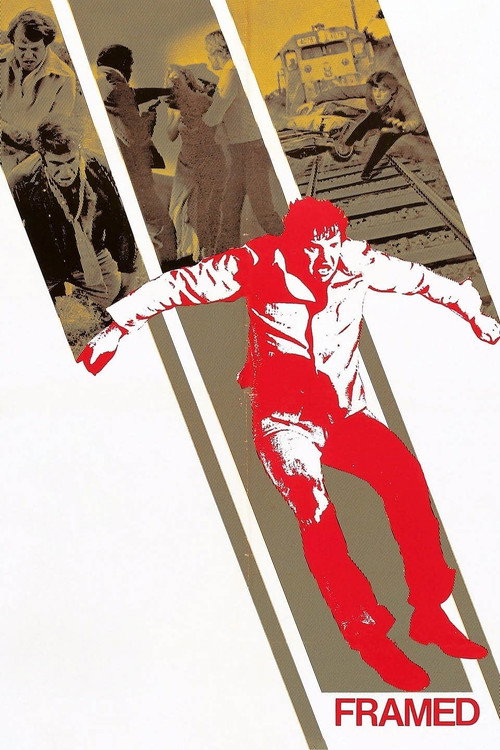
Framed1975
A man falsely implicated in a crime must prove his innocence while actual criminals circle. The vulnerability of the accused and the relentless pressure parallel Eyewitness's escalation.
But A B-movie with uneven pacing and occasional wooden acting; it's scrappy rather than polished.
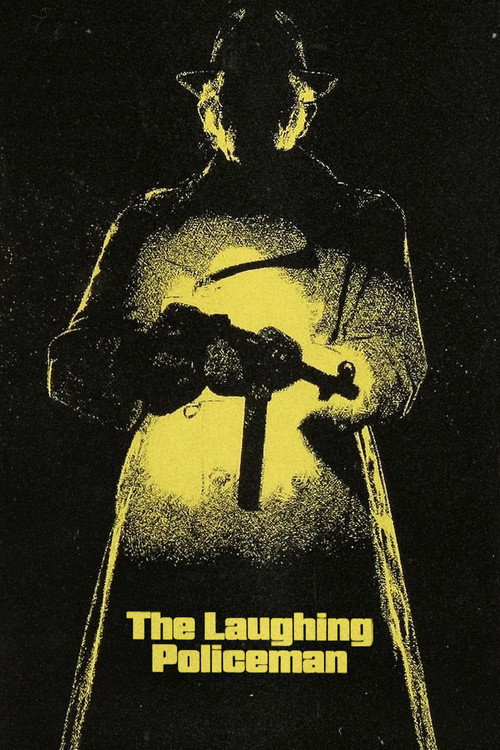
The Laughing Policeman1973
A procedural about a random act of violence that pulls in peripheral witnesses and bystanders. Shares Eyewitness's interest in ordinary people caught in criminal machinery.
But Episodic and diffuse; the ensemble cast means less screen time for any single character or relationship.
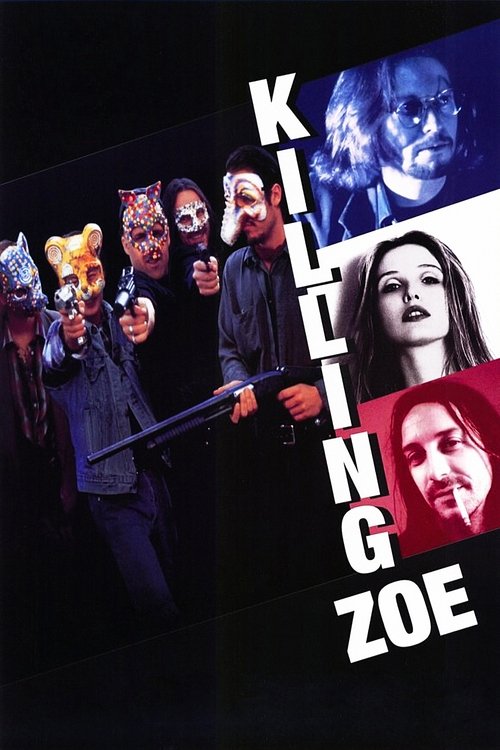
Killing Zoe1993
Like Eyewitness, it's about a lonely man whose need to belong makes him a patsy. But where Eyewitness builds tension, Killing Zoe obliterates safety almost immediately—it's the fever dream version.
An American drifter in Paris becomes implicated in a bank heist through chance and his own misplaced trust. Roger Avary's kinetic style makes it feel like watching someone fall down stairs—velocity and consequence over exposition.
But Ultraviolent, plotted almost deliberately to frustrate conventional logic, and shaped by 90s indie-film provocation. Not remotely a crowd-pleaser.
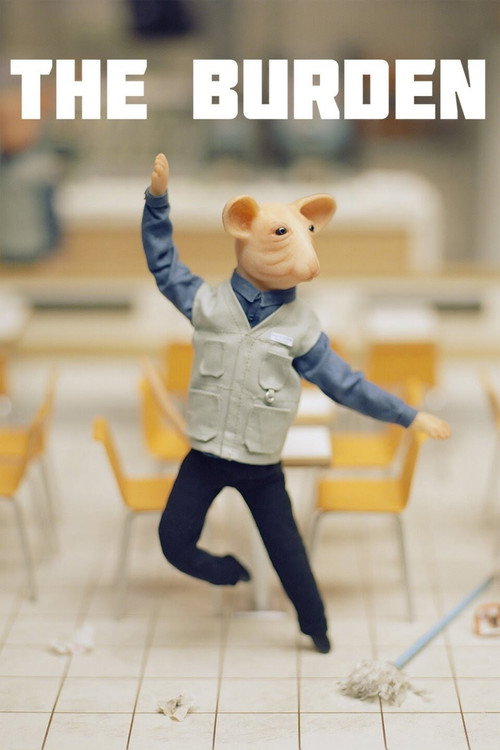
The Burden2017
Both use intimate two-character dynamics to examine need and manipulation, but Burden does it in service of actual moral change, not just thriller mechanics. It's what happens after the chase ends.
A former KKK member finds redemption through a fraught friendship with a Black church organist. Completely different genre and context, but shares Eyewitness's deep investment in how two people negotiate shame, obsession, and the cost of being seen by the wrong person.
But Heavy, deliberately paced, and about genuine moral reckoning rather than plot. Some find it schematic; others find the sincerity almost unbearable.
People
Cast
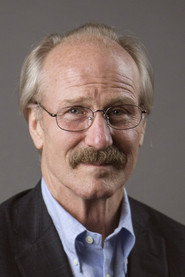 William HurtDaryll Deever
 Sigourney WeaverTony Sokolow
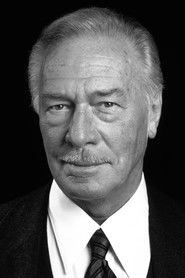 Christopher PlummerJoseph
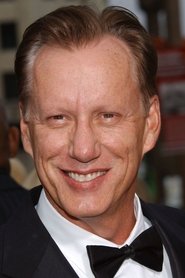 James WoodsAldo Mercer
 Irene WorthMrs. Sokolow
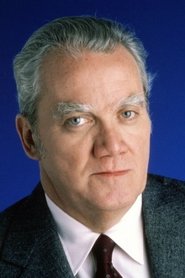 Kenneth McMillanMr. Deever
 Pamela ReedLinda Mercer
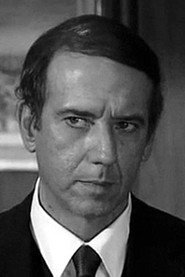 Albert PaulsenMr. Sokolow
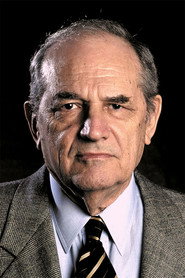 Steven HillLieutenant Jacobs
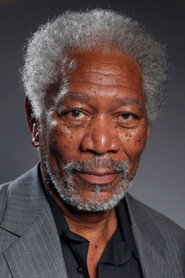 Morgan FreemanLieutenant Black
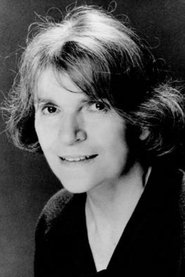 Alice DrummondMrs. Eunice Deever
 Sharon ChattenIsraeli Woman
Directing
- Peter YatesDirector
- Thomas John KaneFirst Assistant Director
- Lynne TwentymanScript Supervisor
- Joseph P. ReidySecond Assistant Director
Writing
- Steve TesichWriter
Production
- Kenneth UttAssociate Producer
- Howard FeuerCasting
- Jeremy RitzerCasting
- Sylvia FayExtras Casting
- Peter YatesProducer
- Grace BlakeProduction Office Coordinator
- Kenneth UttUnit Production Manager