
Film
Hotel Reserve
A taut wartime thriller set in a French Riviera hotel where an innocent man becomes the prime suspect in a hunt for a Nazi spy. James Mason carries the mounting paranoia with quiet intensity as suspicion closes in from all sides. Claustrophobic, morally murky, and deeply unsettling—this is espionage as psychological trap rather than adventure.
Should you watch it?
Watch it if you enjoy wartime espionage played as a cat-and-mouse game of glances and small talk, where a tense hotel lobby matters more than shootouts.
Skip it if you want fast action or modern pacing; its talky, deliberate scenes and dated studio staging can feel slow.
What it asks of you: Just under ninety minutes, it moves at a patient simmer and rewards close attention to faces and small hesitations rather than plot mechanics.
Not sure? Find tonight's pick in a minute.
If you liked this
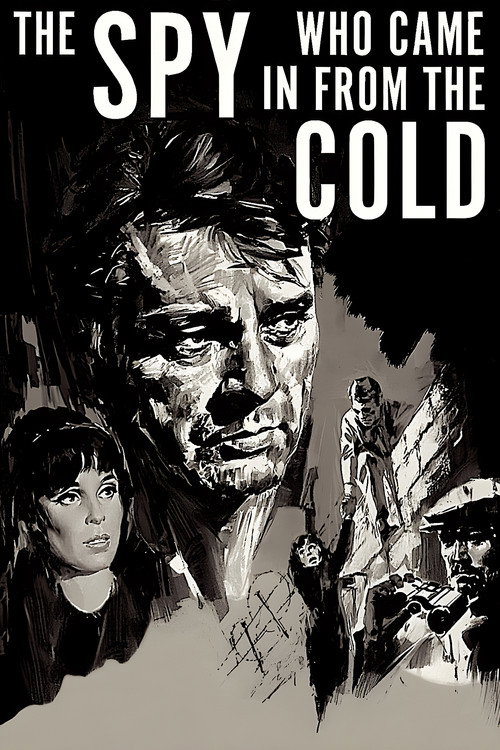
The Spy Who Came In from the Cold1965
John le Carré's bleak Cold War novel becomes a masterclass in betrayal and moral compromise. Richard Burton delivers one of his finest performances as a burned-out operative caught between impossible loyalties. The corruption of idealism has rarely felt so honestly rendered.
But It's deliberately unglamorous and slow-burn. There are no clever gadgets or witty asides—just the grinding disappointment of espionage as bureaucratic drudgery and moral quicksand.
Notorious1946
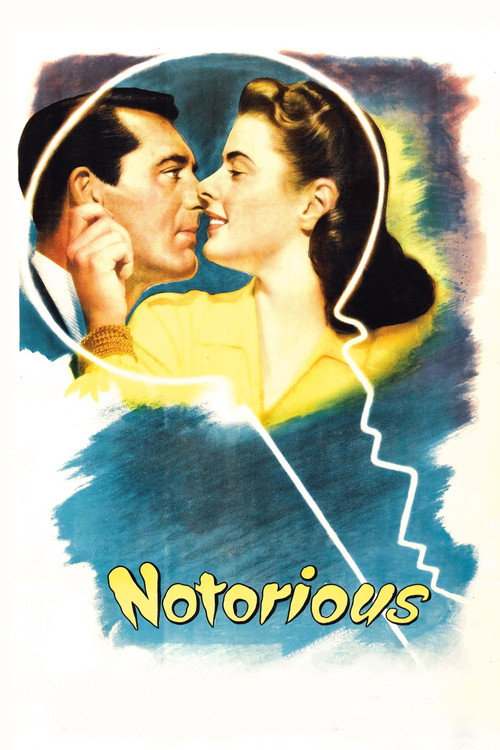
Hitchcock at his most ruthless, watching a woman deployed as a honeypot and destroyed by it. Cary Grant and Ingrid Bergman in a romance that's actually about betrayal, coercion, and the cost of duty. Gorgeously shot and emotionally vicious.
But The gender politics are of their era and deeply uncomfortable. Bergman's character is systematically humiliated in ways the film doesn't entirely interrogate or resolve.
The Lady from Shanghai1947
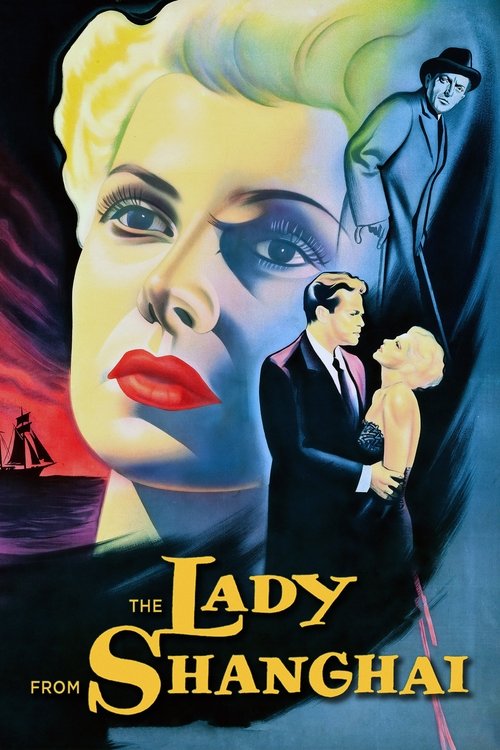
Orson Welles directs himself in a noir labyrinth of crossed purposes and femme fatales. The plot barely matters—what matters is the atmosphere of paranoia, the betrayals arriving from nowhere, the hall of mirrors. Visually intoxicating.
But The story doesn't quite hold together and Welles seems aware of it. Some viewers find that liberating; others find it infuriating. The pacing is baroque and patient.
Not sure tonight? Get a pick in a minute, starting from Hotel Reserve
The wildcard
Something you would not have found on your own.
Brief Encounter1945
Both capture the suffocation of lives lived in public view while holding dangerous secrets; both understand that the real espionage is often internal—lying to yourself.
Noel Coward's masterpiece about two ordinary people meeting by chance and falling into passionate affair. It's suffused with the same wartime bittersweet atmosphere as Hotel Reserve—duty, compartmentalization, lives lived in secret. But it's about romance, not espionage, and that's the point. The vulnerability is overwhelming.
But It's incredibly slow and emotionally restrained until it isn't. If you need your drama to be explicit, the subtlety will kill you. Also: the ending is a gutpunch. Many viewers hate it.

More like this (8)
Tinker Tailor Soldier Spy2011
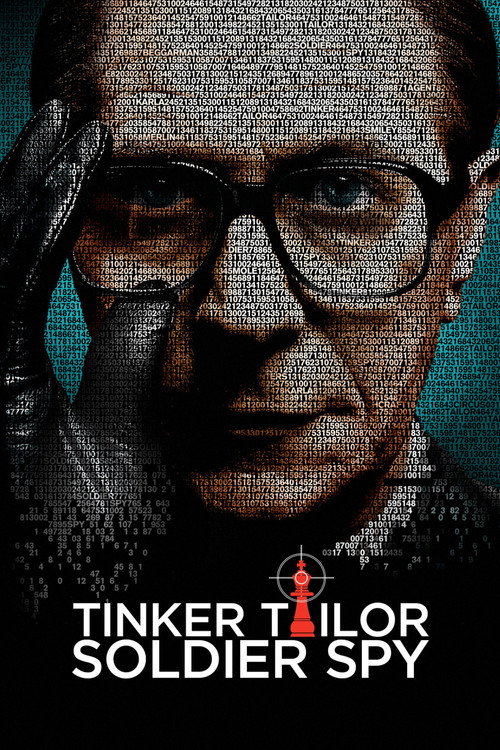
Gary Oldman's George Smiley is a study in absolute stillness—a counterintelligence man who solves a Soviet mole problem through whispers and long silences. Methodical, gorgeous, and suffused with the particular sadness of spycraft as routine betrayal.
But It moves at a glacial pace and trusts the audience to track a labyrinthine plot with minimal hand-holding. Not a film that wants to entertain you; it wants to make you work.
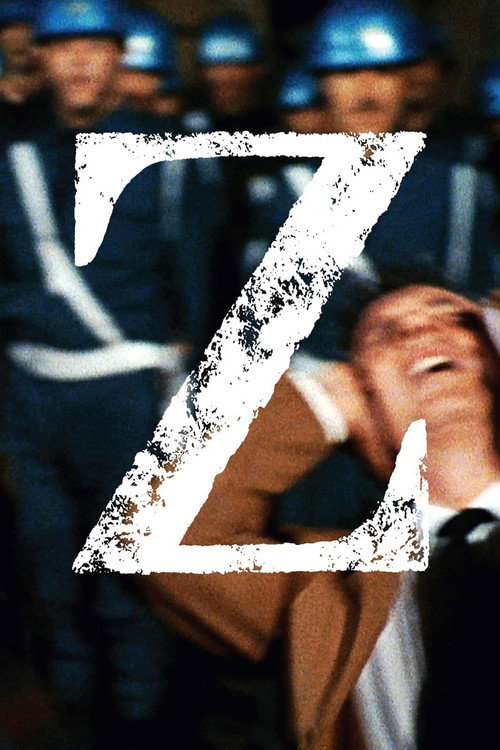
Z1969
Costa-Gavras' taut political thriller about a cover-up following an assassination in a nameless Balkan country. Documentary urgency meets classic suspense as a magistrate pulls at threads. Influenza of the moment, but the mechanism is eternal.
But The politics are explicit and the film as a whole is a statement rather than a story. Some see that as its power; others find it didactic and schematic.
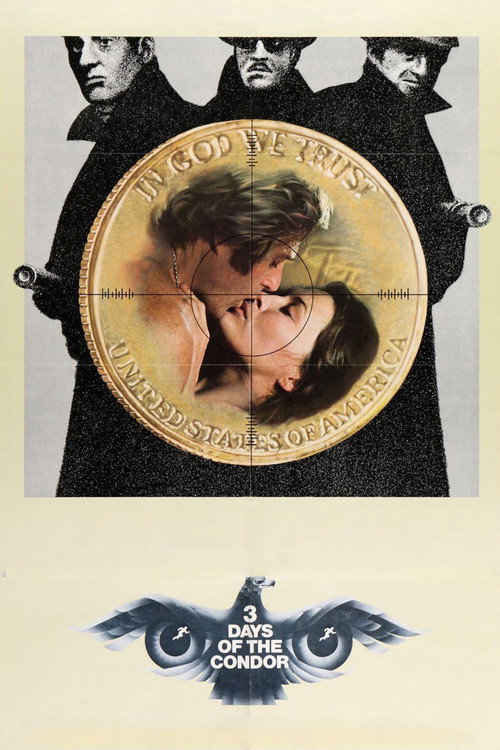
Three Days of the Condor1975
Robert Redford as an analyst on the run after witnessing something he shouldn't. Paranoia, shadowy agencies, and the machinery that chews up ordinary people. A perfect 1970s thriller about trusting nobody, built on real Cold War anxiety.
But The ending capitulates rather than resolves, which frustrated audiences in 1975 and still frustrates them now. Some will see it as honest; others as a cop-out.
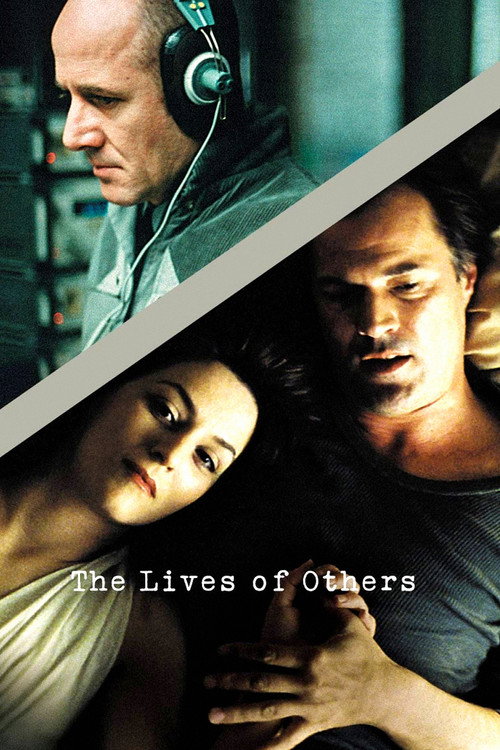
The Lives of Others2006
A Stasi surveillance operative begins to question his loyalty while spying on a playwright and his lover. Slow-burn, psychologically complex, morally devastating. Florian Henckel von Donnersmarck builds unbearable tension from stillness.
But It's bleak and quiet and requires absolute patience. There's no action, no reversals, no moment where the protagonist swings into heroism. Just the slow dissolution of certainty.
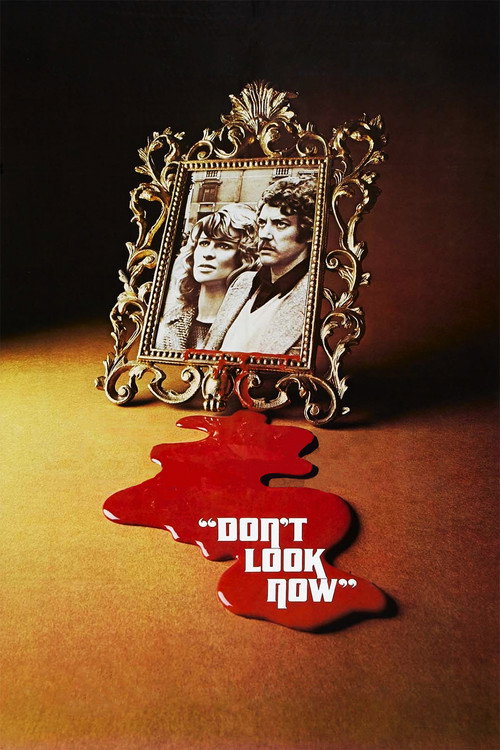
Don't Look Now1973
Nic Roeg's Venice-set fever dream about grief, premonition, and the masks people wear. Donald Sutherland and Julie Christie in a marriage destroyed by loss. Hypnotic, sensual, genuinely unsettling. One of cinema's strangest love stories.
But The logic is dreamlike rather than narrative. If you need clear plot mechanics and explainable motivation, this will frustrate you. Also: notorious for its explicitness, which can jar viewers.
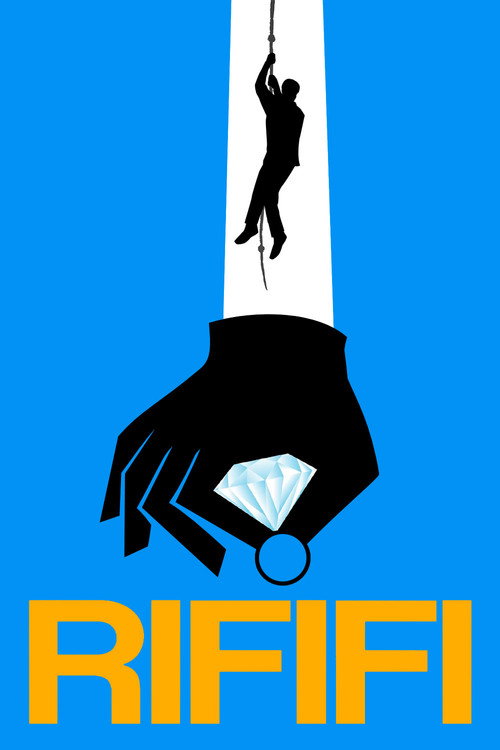
Rififi1955
Jules Dassin's Parisian heist masterpiece about thieves, betrayal, and the damage done to those around them. There's a celebrated wordless heist sequence, but what lingers is the moral rot among men who exist outside the law.
But The plotting is dense and you need to attend carefully. Also, the film's treatment of women is genuinely ugly—they're punching bags for men's codes of honour. Not incidental to the story, but central to it.
Stalker1979
Where Hotel Reserve uses confinement and suspicion as psychological torture, Stalker uses landscape and metaphysics—but both are journeys through enclosed spaces where the real threat is internal and unknowable.
Andrei Tarkovsky's philosophical science-fiction meditation on desire, faith, and the price of pursuing what you want. A man guides two others through a mysterious zone to a forbidden room. Hypnotic, metaphysical, apocalyptically beautiful. Slow cinema at its most transcendent.
But At 163 minutes and with minimal plot, it demands a surrender to Tarkovsky's rhythm. If you watch films for plot momentum, this is torture. The pacing is antithetical to thriller velocity.

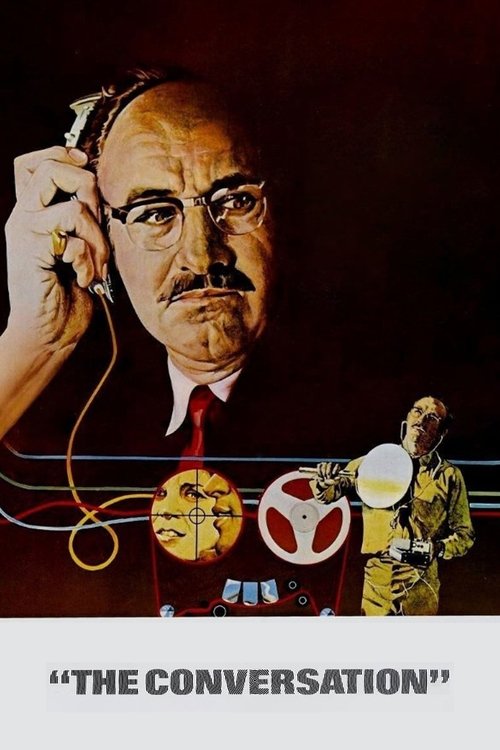
The Conversation1974
Both films are about innocent men who become entangled in machinery larger than themselves, watching guilt accumulate around them. Both understand that espionage corrodes the soul of the watcher as much as the watched.
Francis Ford Coppola's masterpiece about a surveillance expert who becomes convinced his work will lead to murder. Gene Hackman as Harry Caul—paranoid, methodical, morally paralyzed. It's about how technology and obsession can hollow you out. Perfect 1970s paranoia, but timeless.
But The early sections are repetitive as they establish the surveillance. The payoff is psychological rather than action-based. If you want clarity and resolution, the ending will feel unfinished.
People
Cast
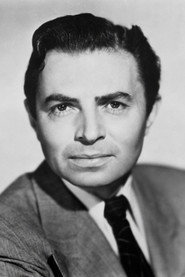 James MasonPeter Vadassy
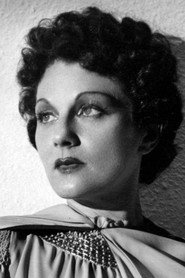 Lucie MannheimMme Suzanne Koch
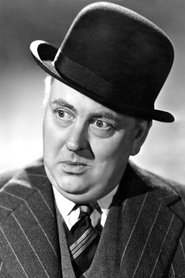 Raymond LovellRobert Duclos
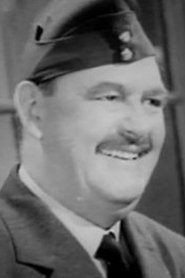 Julien MitchellMichel Beghin, intelligence chief
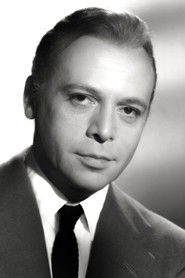 Herbert LomAndre Roux
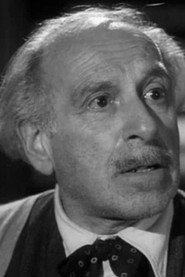 Martin MillerWalter Vogel
- Clare HamiltonMary Skelton
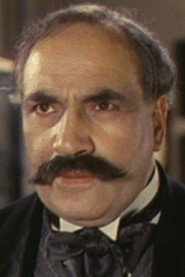 Frederick ValkEmil Schimler, alias Paul Heimberger
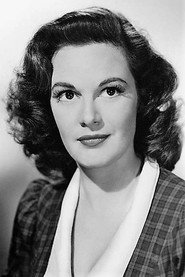 Patricia MedinaOdette Roux
- Anthony ShawMajor Anthony Chandon-Hartley
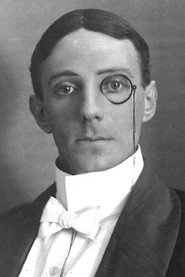 Laurence HanrayPolice Commissioner
- David WardHenri Asticot
Directing
- Lance ComfortDirector
- Mutz GreenbaumDirector
- Victor HanburyDirector
- Anthony HearneSecond Assistant Director
Writing
- John DavenportAdaptation
- Eric AmblerNovel
- John DavenportScreenplay
Production
- Lance ComfortProducer
- Mutz GreenbaumProducer
- Victor HanburyProducer
- E.J. HoldingProduction Manager