
Film
Johnny O'Clock
A 1947 noir about a casino operator caught between a woman determined to upend his life and the business he can't escape. Dick Powell gives a surprisingly vulnerable performance in a role that leans against his dancing image. It's classically styled but fleet-footed, less interested in moral reckoning than in the messy pull of attachment. Perfect for noir fans who've exhausted the obvious ones.
If you liked this
The Killers1946
Another Powell vehicle from the same era, built around a similar architecture of a man trying to outrun his past. Siodmak's direction is razor-sharp, and the tension never relents. Essential if you loved Powell's turn here.
But It moves between timeframes in ways that can feel choppy on first viewing. Some viewers find the fragmented structure more distracting than dramatic.

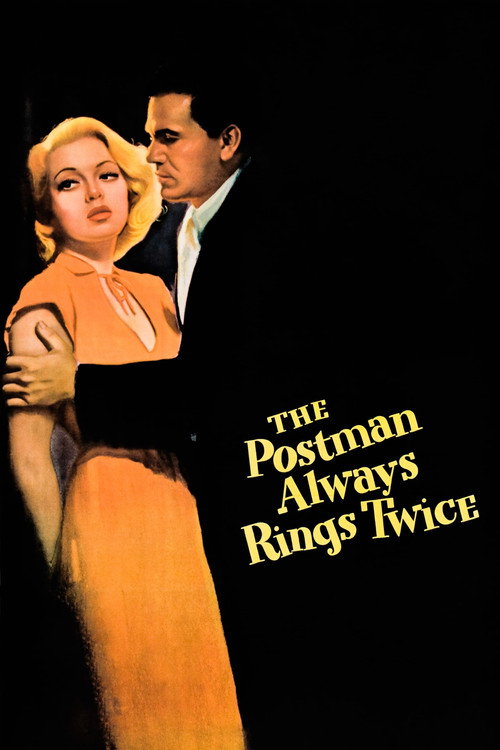
The Postman Always Rings Twice1946
Lana Turner and John Garfield in a story about desire and betrayal that has the same lethal chemistry. Tay Garnett shoots it with real erotic charge while keeping everything morally murky. A genuine masterpiece of the form.
But The pacing is slower than modern noir. It builds dread through restraint rather than plot momentum, which can feel glacial if you want action.
In a Lonely Place1950
Bogart as a man whose own nature is his worst enemy—suspicious, charming, self-sabotaging. Ray's direction is intimate and unsettling. It captures the same idea of a good person trying to be good and failing, but with more psychological depth.
But The ending is bleak in ways that won't satisfy anyone hoping for redemption. Bogart's character is harder to like than Powell's, which some find exhausting.

Not sure tonight? Get a pick in a minute, starting from Johnny O'Clock
The wildcard
Something you would not have found on your own.
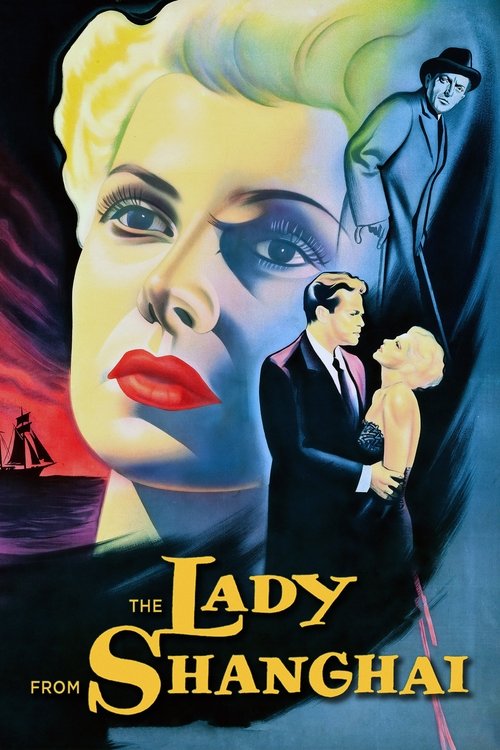
The Lady from Shanghai1947
Both feature a fundamentally decent man undone by attachment and circumstance, but where Powell stays grounded, Welles goes baroque and surreal. The same emotional engine in a completely different register.
Welles directing and starring, Rita Hayworth in a role against her image, a plot about a drifter pulled into crime by desire and entanglement. Like Johnny O'Clock, it's about a good-enough man who can't resist a woman he shouldn't want. But Welles explodes the form—fun-house mirrors, that corridor of mirrors, visual pyrotechnics that make it feel like noir from an alien planet.
But It's avant-garde and experimental. The plot matters less than mood and visual impression. If you want classic noir clarity, this will annoy you.
More like this (8)
The Asphalt Jungle1950
Huston's masterpiece of criminal machinery and small betrayals. It has the same worldview as Johnny O'Clock—these men are caught in systems they can't leave. Every performance is lived-in and intelligent. Arguably the best heist film ever made.
But It's a men's picture through and through, with women mostly as objects or afterthoughts. That limitation will bother contemporary viewers, and rightly.

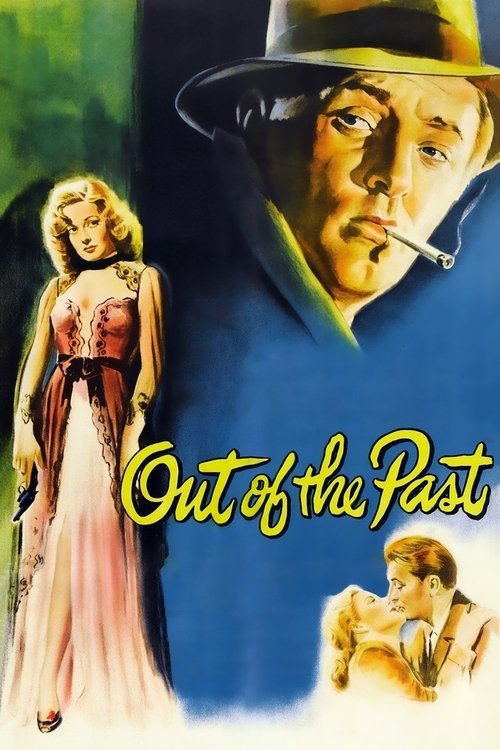
Out of the Past1947
Mitchum and Greer in the definitive statement on noir fatalism. The plot is a hall of mirrors, but the mood is what matters—the sense that some men are meant to lose. Simultaneously the year's other masterpiece alongside Johnny O'Clock.
But The plot is genuinely confusing if you're not tracking closely. It's been imitated so often that it can feel familiar even if you've never seen it.
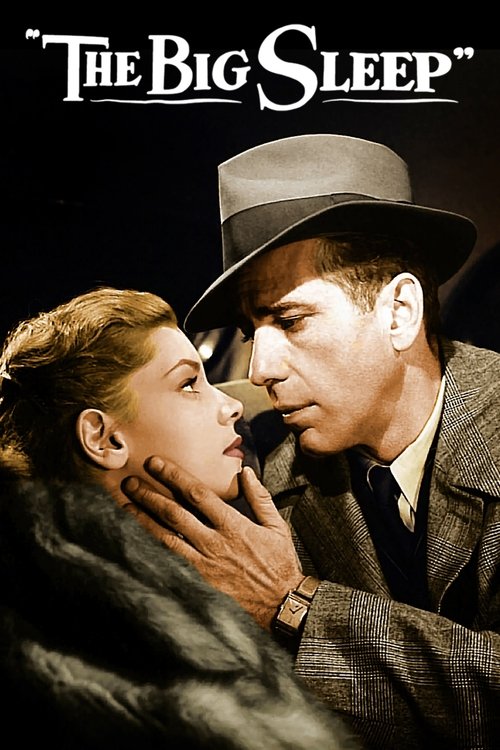
The Big Sleep1946
Bogart and Bacall spar and flirt through a plot too complex to follow, but that's not the point. It's the chemistry and the banter, with Hawks directing at fever pitch. Pure pleasure, the lighter side of the same noir world.
But The story makes almost no sense. If you need plot clarity, this will frustrate you intensely. Many viewers just give up and enjoy the company.
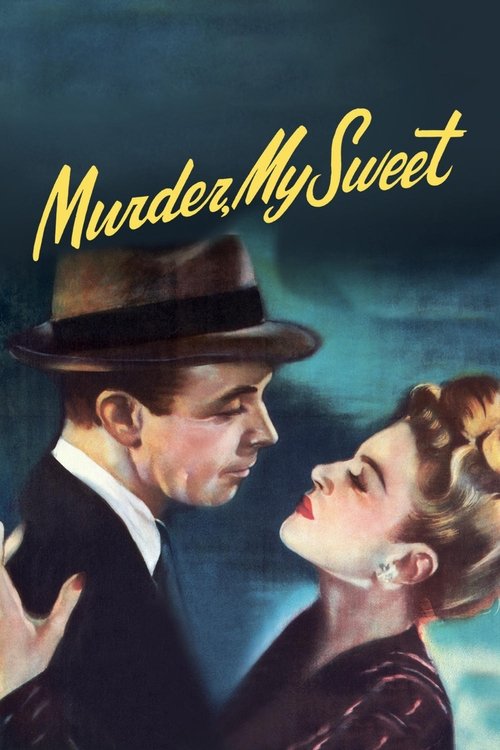
Murder, My Sweet1944
Powell again, actually proving himself as a dramatic actor before Johnny O'Clock. A complex private-eye story with real tenderness beneath the cynicism. If you like Powell's work here, this proves it wasn't a one-time thing.
But It's a PI procedural, so it requires you to follow the specifics. The plot matters more than the mood, which some find less atmospheric than pure noir should be.
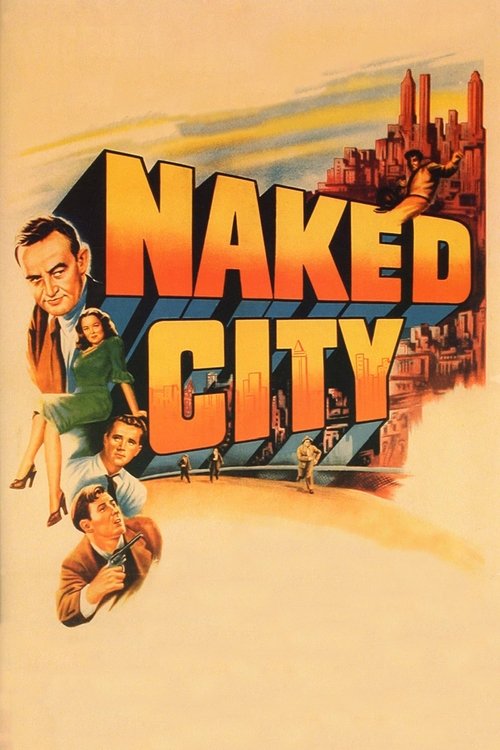
The Naked City1948
Dassin's documentary-style noir about cops and criminals in New York, shot on location. It has the same moral ambiguity—good men do bad things, bad men sometimes stumble into decency. A procedural with poetry.
But It's more interested in police work than in passion. The love story is peripheral, and some find it bloodless compared to the casino intrigue.
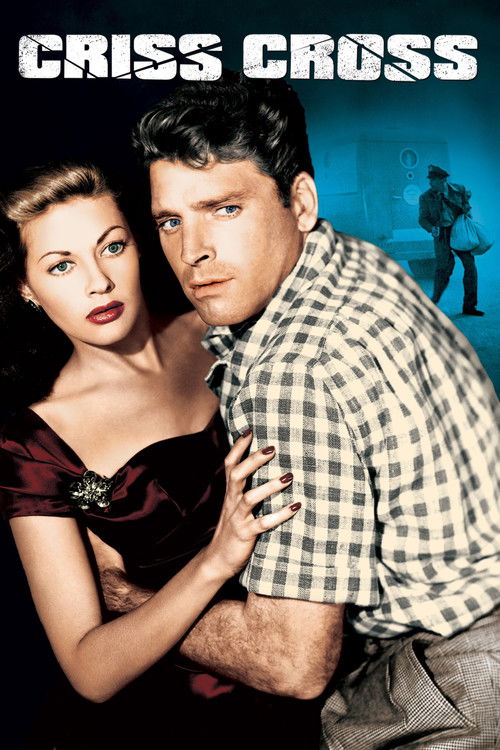
Criss Cross1949
Siodmak again, this time with Burt Lancaster as a man betrayed by desire. The armored car heist is just scaffolding for a story about a guy who can't help wanting what will destroy him. Morally and emotionally sophisticated.
But The female lead doesn't have much agency—she's almost entirely a symbol. That imbalance will be noticeable and frustrating to many.
The Killing1956
Both are about men in the criminal underworld hoping to get out, but Kubrick believes they'll fail where Powell's film allows for mercy. Different eras, different philosophies of whether escape is possible.
Kubrick's debut, written by Jim Thompson, about a racetrack heist and all the small men whose plans collide. Like Johnny O'Clock, it's about criminal machinery and how schemes fall apart when humans get involved. But it's much darker—there's no redemption, no chance at escape. Pure fatalism, told with impossible economy.
But It's bleaker than Johnny O'Clock, and colder. Kubrick has no warmth for his characters. There's also very little romantic interest—it's a men's world where women barely register.

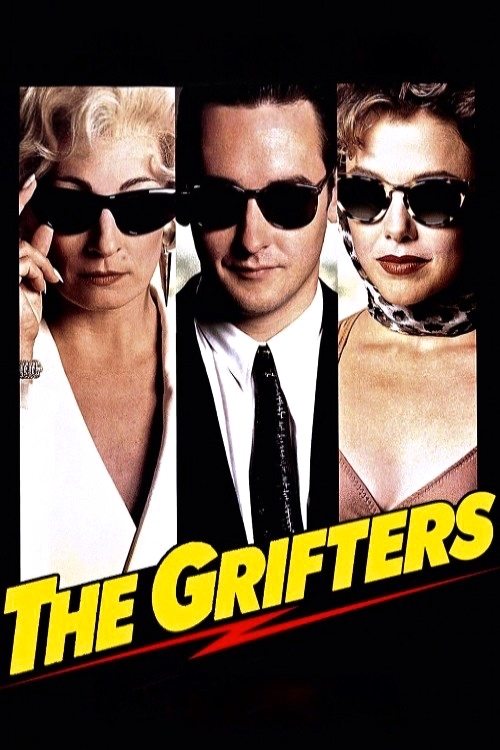
The Grifters1990
Both believe that connection is both salvation and ruin, but The Grifters is harder about it—no one gets out, and the people you trust most will destroy you. Same DNA, different organs.
Frears adapting Jim Thompson, with Annette Bening, John Cusack, and Angelica Huston as con artists in a world of small betrayals and sudden violence. Like Johnny O'Clock, it's about people trying to survive on the margins of criminal life. But it's rooted in the body—sexual, visceral, uncomfortable. The noir mood survived into the '90s in this film, and it's devastating.
But It's sexually frank and occasionally ugly. The family dynamics are disturbing. If you want your noir to maintain a certain distance, this gets too close.
People
Cast
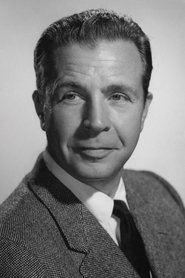 Dick PowellJohnny O'Clock
 Evelyn KeyesNancy Hobson
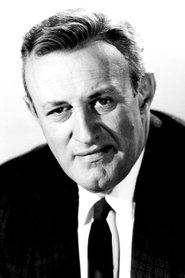 Lee J. CobbInspector Koch
 Ellen DrewNelle Marchettis
 Nina FochHarriet Hobson
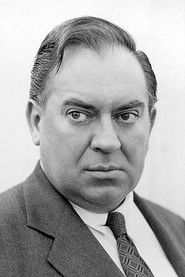 Thomas GomezPete Marchettis
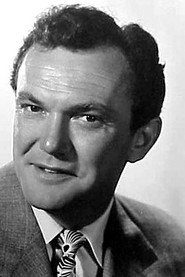 John KelloggCharlie
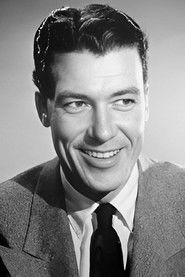 Jim BannonChuck Blayden
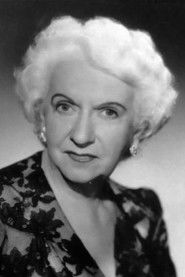 Mabel PaigeSlatternly Woman Tenant
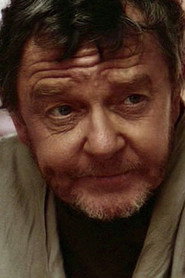 Phil BrownPhil, Hotel Clerk
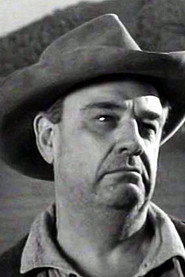 Fred AldrichHotel Doorman
- George AleskoPractical Dealer
Directing
- Carl HieckeAssistant Director
- Robert RossenDirector
Writing
- Milton HolmesOriginal Story
- Robert RossenScreenplay
Production
- Milton HolmesAssociate Producer
- Edward G. NealisProducer
- Jerry GieslerProducer
- George LaitPublicist