
Film
Captain Sindbad
A 1963 swashbuckler where Sinbad returns home to find his city conquered by a tyrant with eyes on the throne—and the princess. Guy Williams carries this Technicolor adventure with charm and sword work, designed for people who love colourful old-school fantasy where the plot is an excuse for exotic locations, magical creatures, and derring-do. Earnest, unpretentious fun.
If you liked this
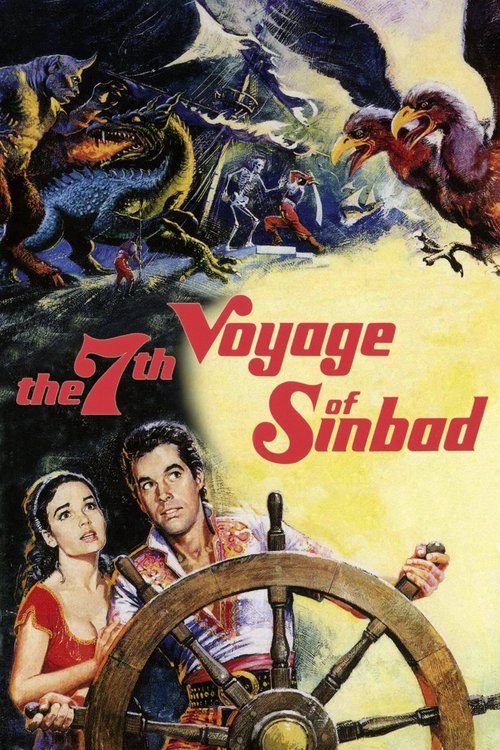
The 7th Voyage of Sinbad1958
Ray Harryhausen's stop-motion creatures are mesmerizing, the Technicolor is gorgeous, and it has the exact same spirit of adventure—impossible odds, magic, and a hero who wins through courage and quick thinking rather than cynicism.
But The pacing is slow by modern standards, and the plot is genuinely thin. If you need constant plot momentum, the mythical detours will feel like padding.
Jason and the Argonauts1963
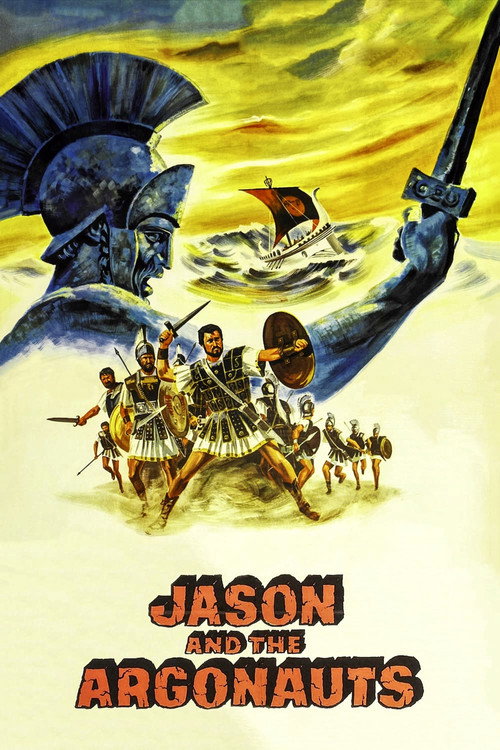
Released the same year, it's got Harryhausen's creatures, practical swordplay, a hero with a crew, and that same Saturday-matinee confidence. The skeleton fight alone justifies the evening.
But Very deliberate filmmaking. Scenes breathe, which modern action audiences often read as slow. The dialogue is serviceable at best.
The Adventures of Robin Hood1938
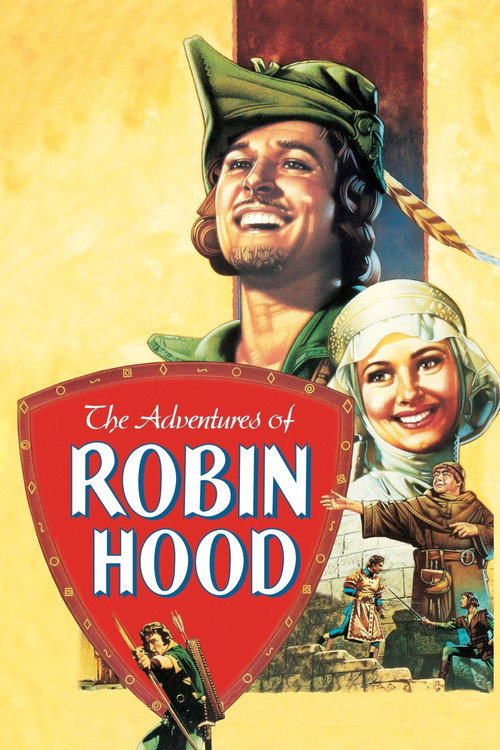
Errol Flynn in Technicolor, playing a charmer who uses wit and sword work to outwit a tyrant. The energy, the colour, the sheer joy of it—this is the DNA of what Captain Sinbad is trying to be.
But The 1938 sensibility means some clumsy comedy relief, and the romance subplot sits awkwardly. The film has aged unevenly.
Not sure tonight? Get a pick in a minute, starting from Captain Sindbad
The wildcard
Something you would not have found on your own.
The 5,000 Fingers of Dr. T.1953
Both are unironic fantasies about heroes resisting tyranny in impossible, colourful worlds, made in an era that hadn't yet learned to be embarrassed about sincerity. Both prioritize visual spectacle and heroism over psychological realism.
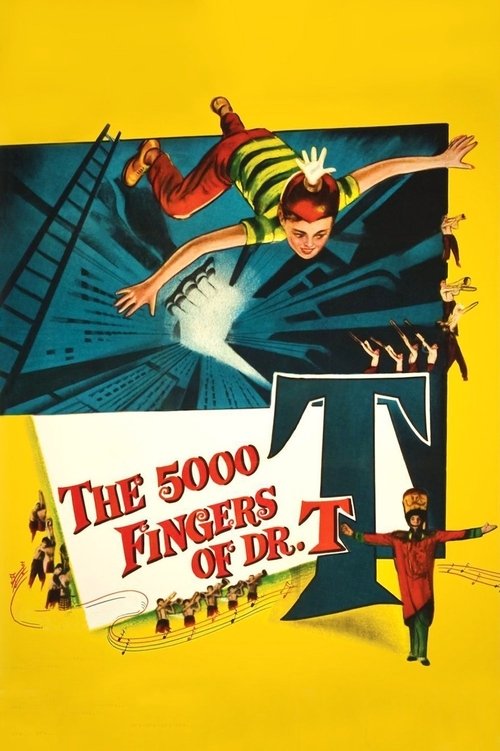
Seuss-designed fantasy about a boy resisting a tyrant in a magical castle. It's genuinely surreal, gorgeously coloured, and has the same earnest adventure spirit but filtered through a far stranger imagination. A hidden treasure.
But The surrealism will unsettle people expecting conventional narrative. It's also oddly paced and tonally unstable—it can feel frustrating rather than delightful depending on your tolerance for strangeness.
More like this (8)
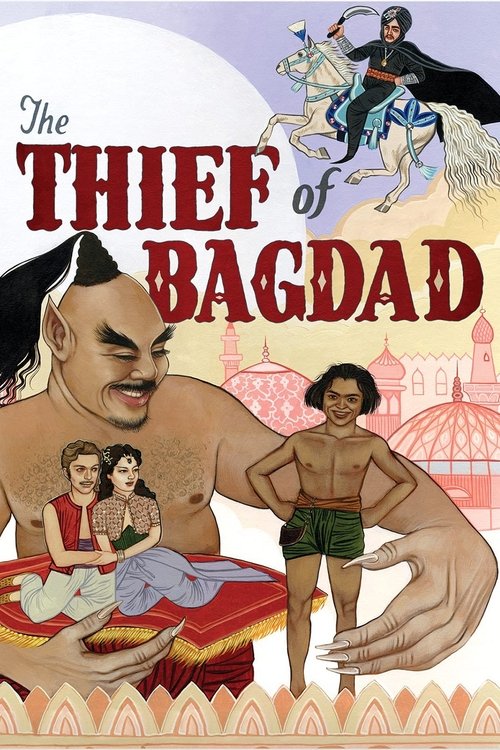
The Thief of Bagdad1940
A Technicolor fantasy about a wronged hero navigating magic, betrayal, and impossible odds in an exotic setting. It has genuine visual imagination and understands that fun and beauty aren't enemies.
But The special effects show their age badly, and the plot meanders. Patience required—this was made when cinema had different rhythms.
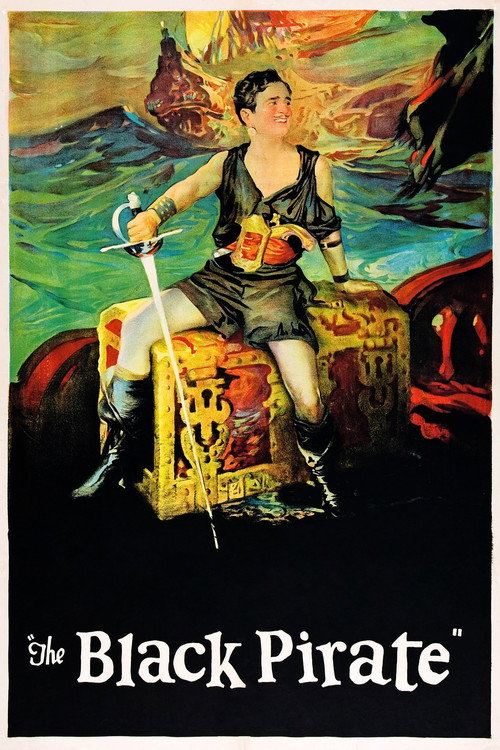
The Black Pirate1926
Douglas Fairbanks doing what Guy Williams is attempting here: acrobatic heroism, genuine stunt work, charm, and the understanding that adventure is about movement and style as much as plot.
But Silent film. If you've never watched silents, the acting register will feel exaggerated and the pacing alien. Worth trying, but it's a commitment.
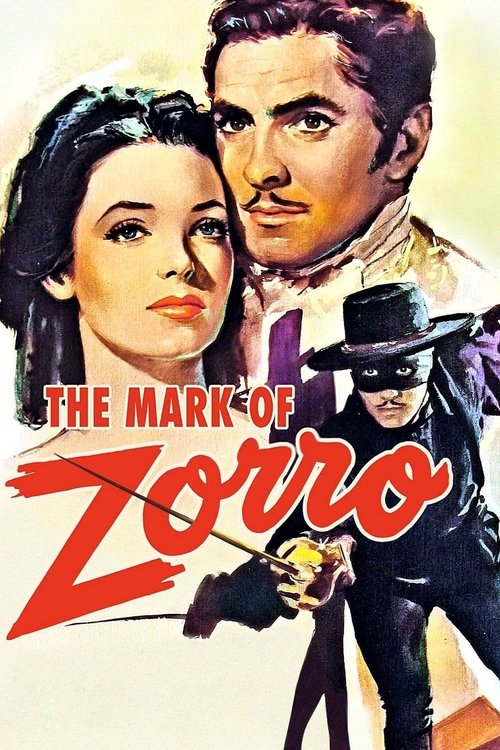
The Mark of Zorro1940
Tyrone Power as a hero fighting a despot in a richly coloured world. It nails the mix of humour, spectacle, and genuine stakes that makes mid-century adventure films so watchable.
But The romance is melodramatic and takes up real estate the plot doesn't spare. Also, if you're after grittiness, this will feel quaint.
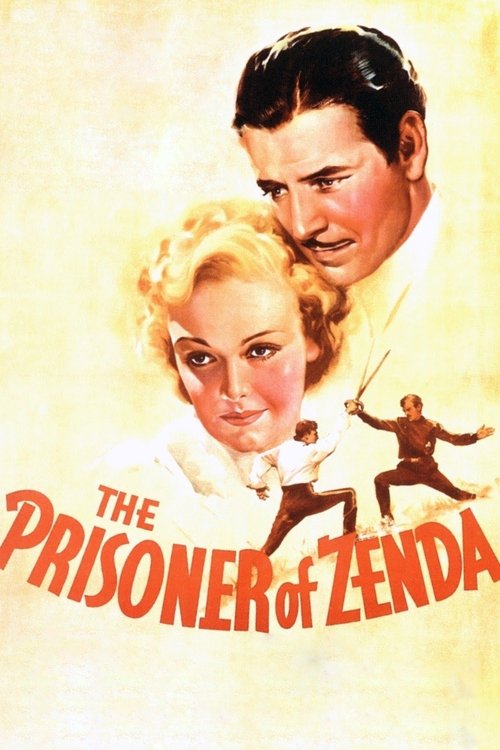
The Prisoner of Zenda1937
A wrongful tyrant, an exiled hero, intrigue and swordplay in a fantastical kingdom. It's the template these adventure films all follow, and it works: the story moves, the cast commits, and it looks good.
But Very stagy. The dialogue is formal and the whole thing feels like a filmed play. If you need naturalism, this isn't it.
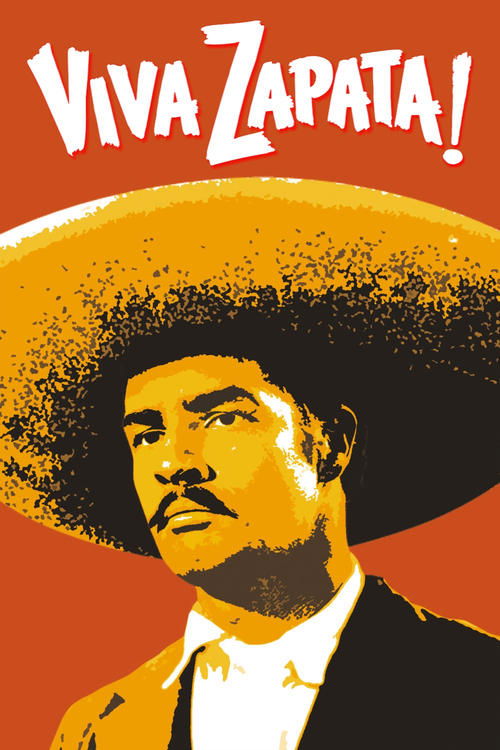
Viva Zapata!1952
Marlon Brando leading a crew against an oppressive regime. It has genuine stakes and better acting than most adventure films of the era, but keeps that swashbuckling momentum and exotic setting.
But It's more serious and political than Captain Sinbad. The tone is grittier, the violence has real weight. It's not quite the same kind of fun.
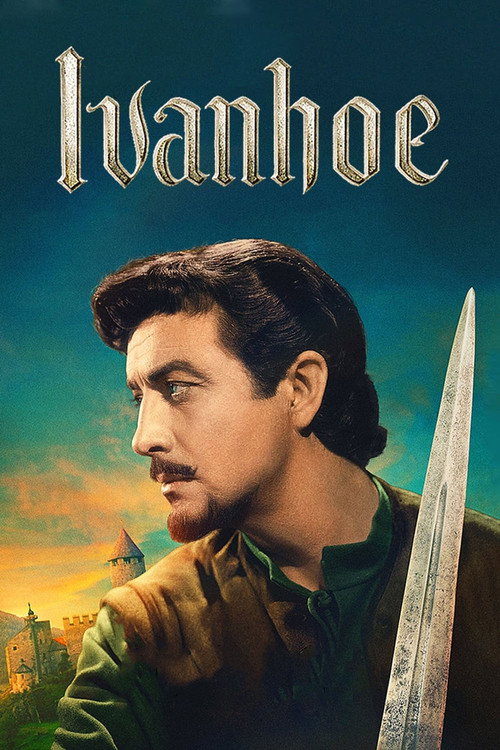
Ivanhoe1952
Robert Taylor as an exiled hero returning to overthrow a tyrant, with a crew, quests, and practical effects. It has the exact structure and energy you're looking for, just set in England instead of the Arabian Nights.
But The Technicolor is muted compared to other films of this era, and it's quite long. The middle section drags before the climax kicks in.
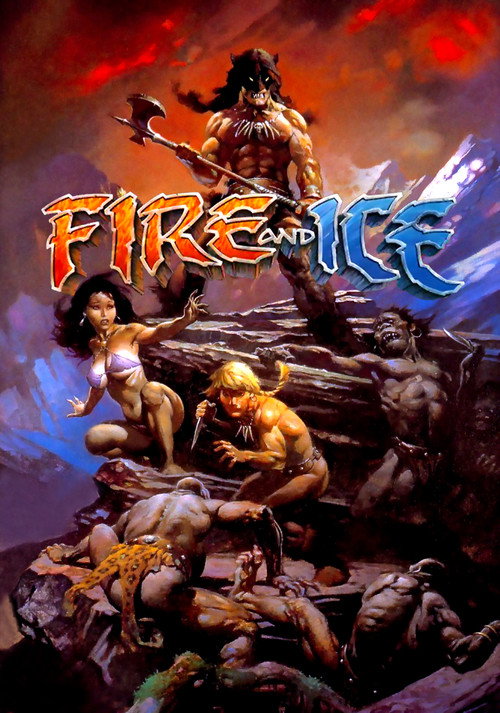
Fire and Ice1983
Same era sensibility as Captain Sinbad but in a completely different medium—animation instead of live action. Both use visual spectacle to carry slim plots, and both believe in heroes who win through courage rather than cynicism.
A fantasy adventure with stop-motion creatures (Bakshi and Harryhausen), swordplay, and a tyrant-toppling plot. It looks unlike anything else: rotoscoped animation that feels like a living painting. Pure heroic fantasy, no irony.
But The animation is deliberately stylized and can feel stiff or eerie. The plot is skeletal and the voice acting is thin. It will seem rough compared to modern animation or even live-action adventure films.
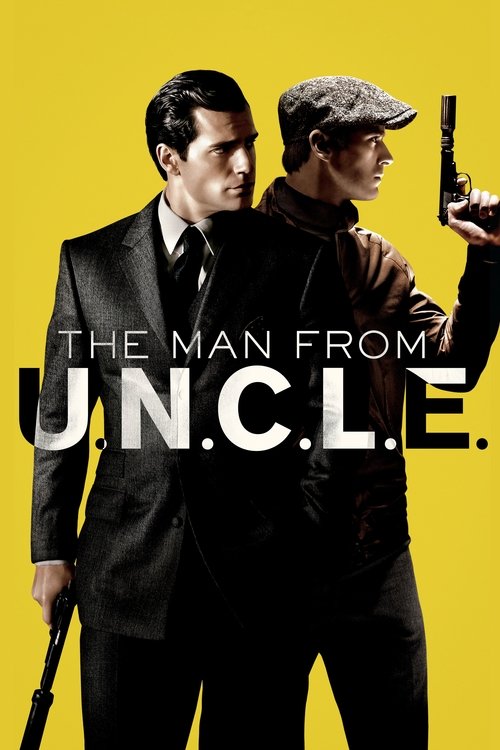
The Man from U.N.C.L.E.2015
Both films—one from 1963, one from 2015—are in love with a particular era's visual language and are willing to sacrifice plot momentum to stay faithful to it. Both understand that adventure is as much about how things look and move as what happens next.
Henry Cavill and Armie Hammer in a stylish 1960s spy adventure. It has the same love of Technicolor exoticism, practical action, and charm that drives Captain Sinbad, but transposed into the Cold War.
But Modern filmmaking means it's faster and slicker, which changes the feel entirely. Also, the plot is a genuine McGuffin—if you watch for narrative, you'll find it thin. It's about style and performance.
People
Cast
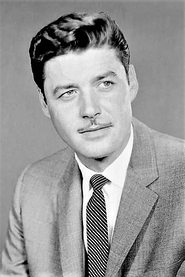 Guy WilliamsCaptain Sinbad
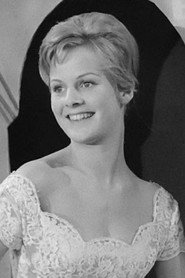 Heidi BrühlPrincess Jana
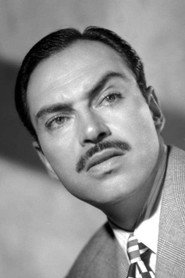 Pedro ArmendárizEl Kerim
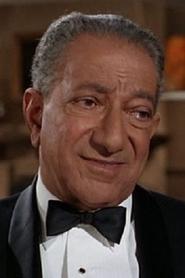 Abraham SofaerGalgo
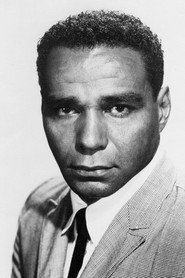 Bernie HamiltonQuinius
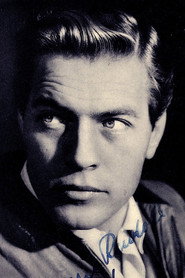 Helmuth SchneiderBendar
- Margaret JahnenLady-in-Waiting
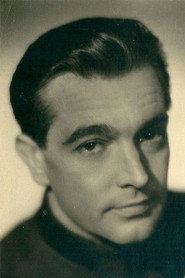 Rolf WankaThe King
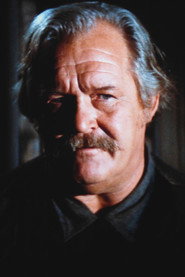 Walter BarnesRolf
- James DobsonIffritch
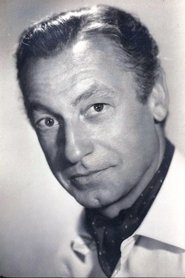 Maurice MarsacAhmed
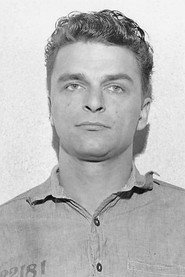 Henry BrandonCol. Kabar
Directing
- Leon ChooluckAssistant Director
- Byron HaskinDirector
- Frank GuthkeFirst Assistant Director
Writing
- Guy EndoreWriter
- Ian McLellan HunterWriter
Production
- Frank KingProducer
- Herman KingProducer